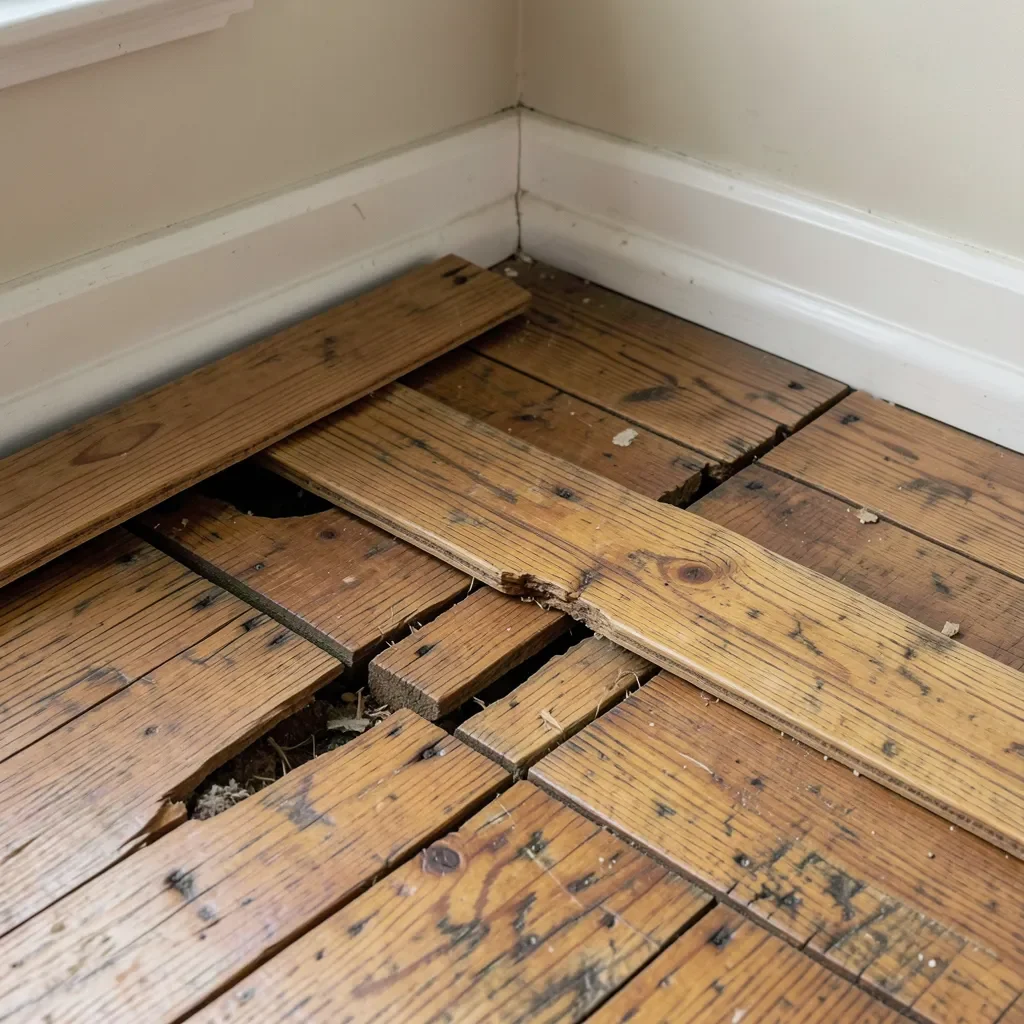
How to Repair a Warped Hardwood Floor: Cupping vs Buckling
A warped hardwood floor is fixable in most cases, but the right fix depends on which type of warping you have: cupping (edges higher than the middle), crowning (the opposite), or buckling (boards lifting off the subfloor entirely). Sanding a cupped floor before its moisture content normalizes is the single most common repair mistake — it flattens the surface temporarily, then the boards crown as they finish drying. This guide covers how to identify each type, the repair steps for each, and how to prevent warping from coming back.
Causes Of Warped Hardwood Floors
Best Moisture Meter Pick
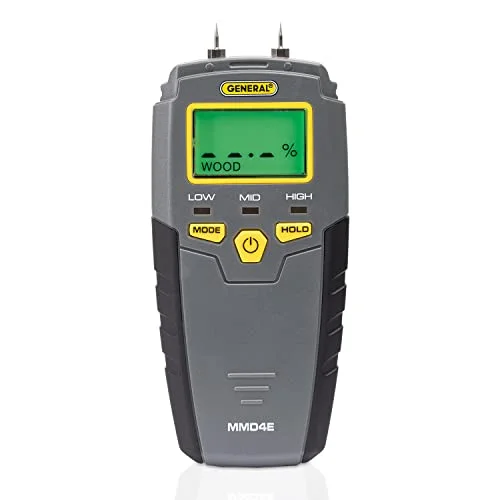 |
General Tools MMD4E Moisture Meter – $38.83 Before sanding or replacing a single board, this is the tool that tells you whether the wood has actually dried out — skipping this step is exactly how cupped floors get sanded too early and end up crowning instead.
|
Warped hardwood floors can ruin the beauty of any room. Understanding what causes this problem helps prevent damage. Warping happens when wood changes shape due to different factors. These factors make the wood bend, cup, or twist. Knowing the causes helps you act quickly and save your floors.
Moisture And Humidity Effects
Wood absorbs moisture from the air. High humidity makes wood swell and expand. When the air dries, wood shrinks back. This constant change causes warping over time. Poor ventilation or damp basements increase humidity near floors. Maintaining steady humidity levels protects hardwood floors.
Poor Installation Issues
Improper installation leads to warped floors. Not leaving space for wood to expand causes pressure. Floors nailed too tightly cannot adjust to changes. Using the wrong type of wood for the space also harms floors. Correct installation ensures floors stay flat and strong.
Water Damage Signs
Leaks and spills cause water damage to wood. Water soaks into the floor and softens the wood. Signs include dark stains, soft spots, and bubbling finish. Ignoring water damage makes warping worse. Fix leaks and dry floors fast to protect hardwood.
Temperature Fluctuations Impact
Extreme temperature changes affect wood floors. Heat makes wood dry and shrink. Cold causes wood to contract unevenly. Rapid shifts in temperature stress the wood fibers. This stress leads to cracks and warping. Keeping a stable room temperature helps hardwood stay healthy.
Cupping, Crowning, or Buckling: Why the Type of Warping Changes the Fix
Not all “warping” is the same problem, and treating them as identical is the most common reason a repair fails. Wood expands across its width when it absorbs moisture and shrinks when it dries — if the top and bottom of a board dry or swell unevenly, the board bends. Which way it bends tells you what to do next.
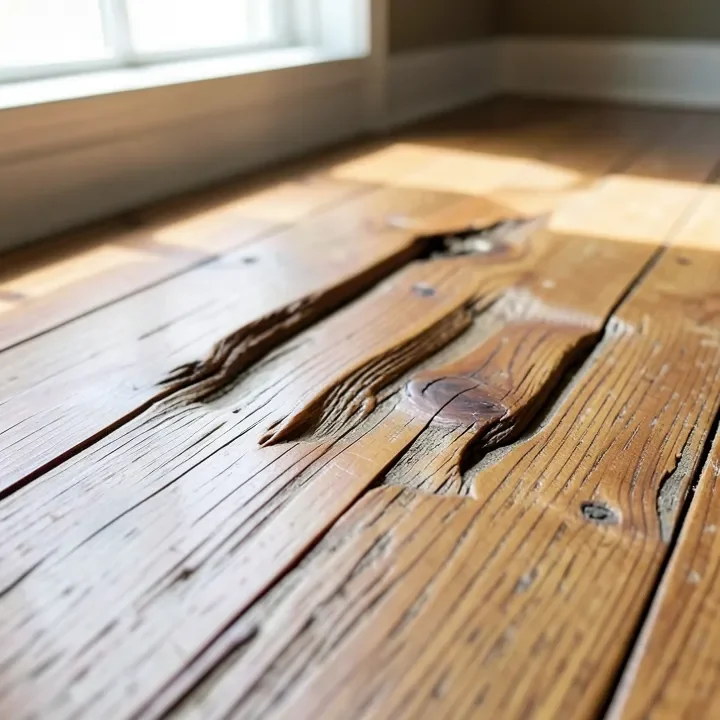
- Cupping: the edges of each board are higher than the center, so the board looks like a shallow bowl. Caused by the bottom face absorbing more moisture than the top (a wet crawlspace or basement is the usual source).
- Crowning: the opposite — the center of the board is higher than the edges. This is often what cupped boards turn into if they get sanded flat before they’ve finished drying.
- Buckling: the most severe form — entire boards separate from the subfloor and lift, sometimes several inches. This usually follows major flooding or a burst pipe, not just humidity swings.
📊 Do not sand a cupped floor while it’s still wet. Solid hardwood floors typically run 6-9% moisture content when acclimated; readings well above that (check with a moisture meter, not a guess) mean the wood hasn’t finished releasing moisture. Sand too early and the top of the board — now flat — keeps shrinking as the bottom catches up, and the board crowns instead. Source: general moisture-content guidance published by wood flooring moisture meter manufacturers and the flooring industry.
For cupping and crowning, the fix is the same order of operations: find and stop the moisture source first, let the wood re-acclimate until meter readings stabilize (this can take one to several weeks depending on severity), and only then decide whether a light screen-and-recoat is enough or a full sand-down is needed. For buckling, minor lifting can sometimes be corrected once the excess moisture is removed and the boards are weighted back down, but boards that have visibly separated or cracked usually need to be pulled and replaced.
Tools And Materials Needed
Fixing warped hardwood floors needs the right tools and materials. Using proper items makes the job easier and better. Safety should always come first. This section lists what you need for a successful repair.
Essential Repair Tools
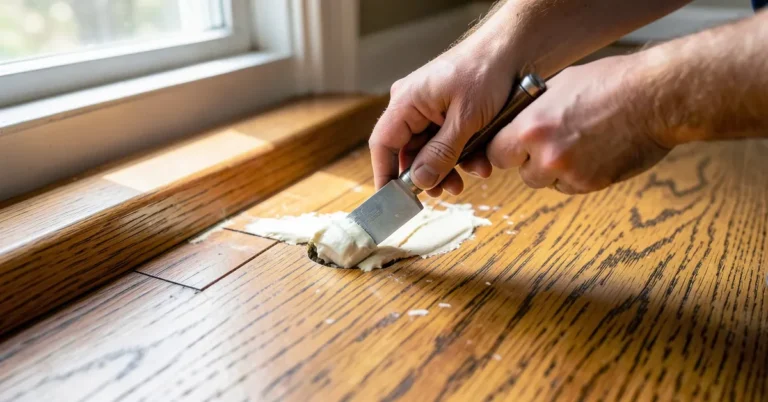
A hammer helps remove damaged boards. A pry bar lifts warped planks carefully. A measuring tape ensures precise cuts. A circular saw trims the wood pieces. A floor sander smooths the surface after repair — but only once moisture readings confirm the wood is dry (see above). A putty knife fills gaps with wood filler.
Recommended Materials
Use replacement hardwood planks matching your floor type. Wood glue bonds loose boards firmly. Wood filler repairs small cracks and holes. Sandpaper of different grits smooths rough edges. Floor finish or sealant protects the repaired area. Nails or screws secure the new boards.
Safety Gear To Use
Wear safety goggles to protect your eyes. Use gloves to avoid splinters and cuts. A dust mask prevents inhaling wood dust. Ear protection guards against loud tool noises. Wear sturdy shoes to protect your feet. Dress in long sleeves to shield your skin.
Step-by-step Repair Process
Repairing warped hardwood floors takes careful steps. Each step helps restore the floor’s look and strength. Follow this clear process to fix your floor and make it look good again.
Assessing The Damage
First, check how bad the warping is and identify which type from the section above — cupping, crowning, or buckling. Look for raised or buckled boards. Note if the wood feels soft or wet. This helps decide if repair or replacement is needed.
Drying Out The Floor
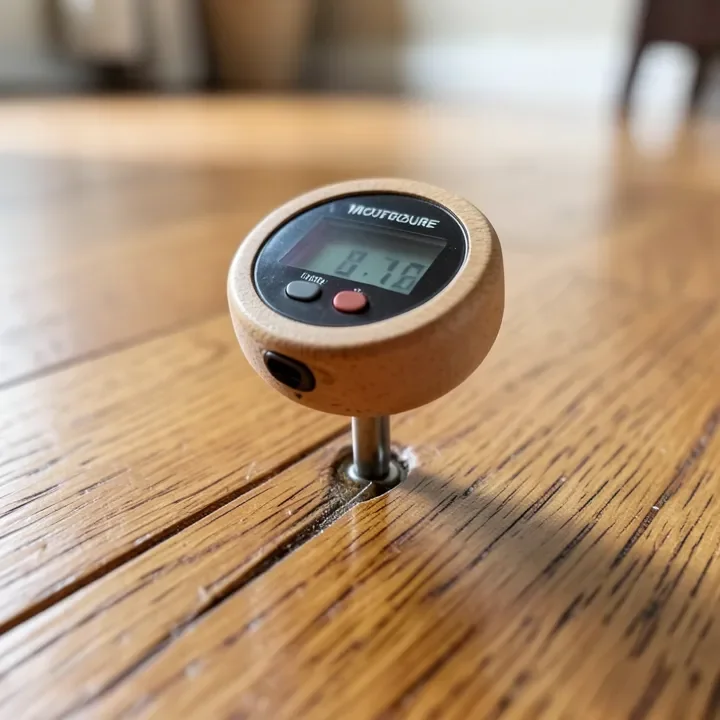
Remove any moisture from the floor. Use fans or a dehumidifier to speed drying. Keep the room warm and ventilated. Re-check with a moisture meter every few days rather than guessing by feel — dry floors prevent further warping or mold, and confirm the floor has actually stabilized before moving to the next step.
Sanding Warped Areas
Only once meter readings confirm the wood is back to a normal moisture range, sand the warped spots lightly. Use fine sandpaper to smooth bumps and uneven edges. Sand only the affected areas to keep the finish intact. Sanding too early is the step that turns cupping into crowning.
Replacing Severely Damaged Boards
Boards with deep warping or cracks must be replaced. Carefully remove damaged planks without harming nearby wood. Fit new boards that match the color and grain.
Applying Finish For Protection
Apply a fresh finish to protect the floor. Choose a finish that matches the original type. This seals the wood and adds shine. Let it dry fully before use.
Preventing Future Warping
Preventing future warping is key to keeping your hardwood floors beautiful. Warping happens mostly because of moisture and improper care. Taking simple steps can protect your floors and save money on repairs.
Controlling Indoor Humidity
Humidity affects wood by making it swell or shrink. Keep indoor humidity between 30% and 50%. Use a humidifier in dry months and a dehumidifier in wet months. This balance stops wood from absorbing too much moisture or drying out.
Regular Floor Maintenance
Check your floors often for signs of damage or moisture. Fix small problems quickly to avoid bigger issues. Tighten loose boards and clean gaps between planks. Regular care helps your floors stay flat and strong.
Proper Cleaning Techniques
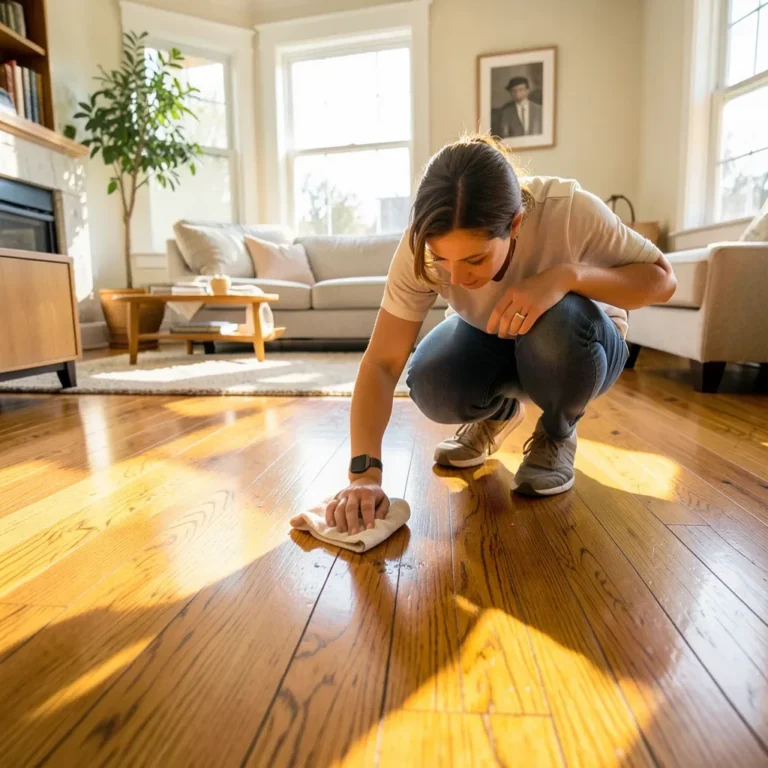
Use a soft broom or vacuum to remove dirt and dust. Avoid wet mops that leave water on the floor. Instead, use a damp cloth and dry the floor right after. Clean floors prevent moisture from seeping into the wood.
Using Area Rugs And Mats
Place rugs and mats in high-traffic areas to protect floors. They reduce wear and stop dirt from scratching the wood. Choose breathable mats to avoid trapping moisture underneath. Rugs also help control temperature changes on the floor.
When To Call A Professional
Knowing when to call a professional for warped hardwood floor repair saves time and money. Small issues might look easy to fix but can hide bigger problems. Professionals have the tools and skills to handle serious damage properly. They can also prevent further harm and make your floors look great again.
Signs Of Extensive Damage
Look for wide gaps between floorboards or deep cracks. Warping that covers a large area means the wood may be soaked with moisture. Buckling floors that lift off the subfloor show serious issues. Strange smells or mold growth also indicate severe damage. These signs need expert care to avoid more damage.
Complex Repair Situations
Hardwood floors with complex patterns or designs need special skills. If the floor has multiple layers, repairing it becomes harder. Uneven subfloors or hidden water damage require professional tools. Electrical or plumbing work under the floor adds difficulty. Experts handle these challenges to restore your floor well.
Cost Considerations
Professional repair might seem expensive at first glance. But fixing small problems yourself can lead to bigger costs later. Experts work quickly and reduce the chance of mistakes. They also use quality materials that last longer. This saves money over time and protects your home’s value.
Frequently Asked Questions
How To Fix Warped Hardwood Floor Boards?
First identify whether the boards are cupping, crowning, or buckling, since each needs a different fix. Stop the moisture source, let the wood re-acclimate, and confirm with a moisture meter that it has dried before sanding or replacing boards. Severe warping often needs professional help.
What Causes Hardwood Floors To Warp?
Hardwood floors warp mainly due to moisture exposure, humidity changes, or water damage. Poor installation and subfloor issues also contribute. Controlling moisture and maintaining proper ventilation reduces warping risks.
Can Warped Hardwood Floors Be Repaired Without Replacement?
Minor cupping or crowning can often be repaired by letting the wood dry fully, then sanding and refinishing. For severe warping or buckling with cracked boards, replacement is often necessary. Sanding before the wood has dried is the most common reason a repair doesn’t hold.
How Long Does It Take To Repair Warped Hardwood Floors?
Repair time depends on warping severity. Minor fixes take a few hours. Extensive repairs or board replacements may take a day or more. Drying time is the real variable — letting boards re-acclimate to normal moisture content can take one to several weeks before sanding is safe.
Conclusion
Repairing warped hardwood floors comes down to identifying which type of warping you have and resisting the urge to sand before the wood has actually dried. Regular humidity control and quick attention to leaks prevent most warping from happening in the first place. If the damage covers a large area, involves buckled boards, or hides deeper subfloor or moisture problems, call a professional rather than risk a repair that won’t hold.
Sponsored / affiliate links. As an Amazon Associate I earn from qualifying purchases. I may earn additional commission from eligible campaigns.