How to Keep Carpenter Bees from Eating Your Wood: Proven Tactics
Are you tired of discovering tiny holes in your wooden structures, only to realize that carpenter bees have been silently munching away at your precious woodwork? You’re not alone.
These persistent insects can turn your beautiful wood into a nesting site, leaving you with unsightly damage. But don’t worry—there’s a solution to this pesky problem. Imagine a world where your wood remains untouched, and your home maintains its aesthetic charm.
Intrigued? Keep reading to learn effective strategies to keep carpenter bees from making a meal out of your wood. Your peace of mind is just a few tips away.
Carpenter Bees Basics
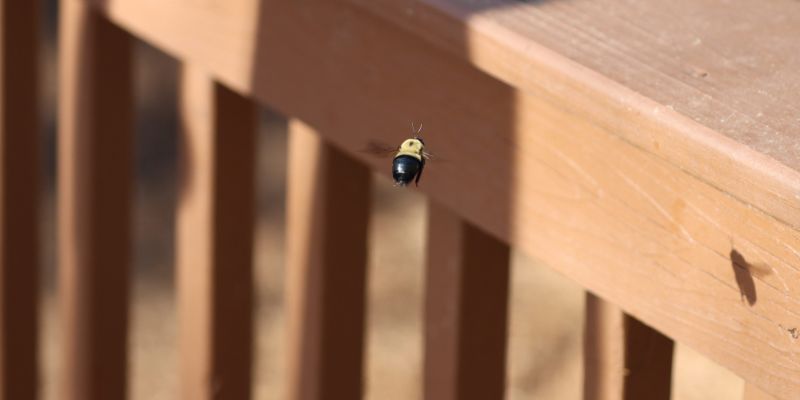
Carpenter bees are large and sturdy. They have a shiny, black body. Their wings can be blue or purple. Unlike bumblebees, they are less hairy. Males have a white spot on their face. Females can sting, but males cannot. They make round, smooth holes in wood. This is their special sign. Observing these signs helps in identifying them.
Carpenter bees love to dig into wood. They create tunnels for nesting. They prefer soft, untreated wood. Noise can be heard when they drill. They are active in spring and summer. During these seasons, they search for mates. Female bees lay eggs in the wood. Their nests can grow bigger over time. Protecting wood keeps them away.
Signs Of Carpenter Bee Infestation
Carpenter bees make holes in wood. These holes are perfect circles. Wood shavings might be seen below the holes. Paint may chip near these holes. You might hear buzzing sounds. This means bees are inside the wood. These signs show bees are there.
Preventive Measures
Using special wood treatmentscan protect your wood. These treatments make wood hard for bees to eat. Use a good quality sealant or varnish. This helps keep bees away. You can also paint your wood surfaces. Paint can be a barrier for bees. Always check the wood for any damage.
Physical barriers are like armor for your wood. Use metal meshor wire screens. Cover wood surfaces with these materials. Bees can’t bite through metal. This keeps them away. You can also use plastic coverings. They work well for small areas. Secure the barriers tightly. Ensure there are no gaps. Bees will look for any openings.
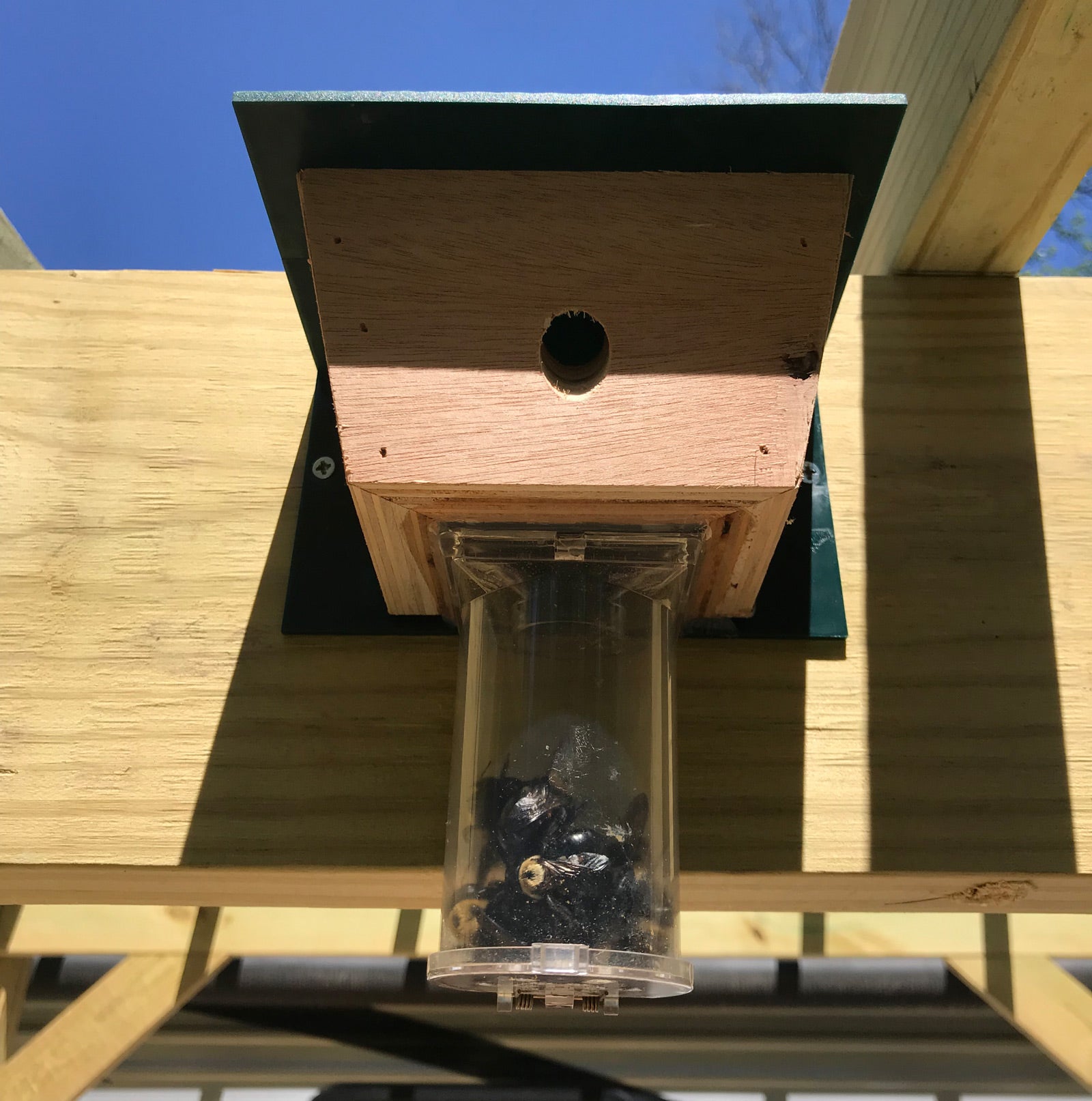
Credit: bestbeebrothers.com
Natural Deterrents
Essential oils can help keep carpenter bees away. Peppermint and tea tree oil work well. Mix them with water in a spray bottle. Spray on wood surfaces. This keeps bees from eating your wood. Lavender oil is another option. It smells nice and works too.
Some plants can keep bees away. Mint and eucalyptus are good choices. They have strong smells. Geraniums can also help. Plant them near wood structures. These plants make bees fly away. They don’t like the smell.
Chemical Solutions
Insecticidescan help keep carpenter bees away from your wood. Buy one that is safe for wood surfaces. Use a spray bottle for easy application. Make sure to cover all wood surfaces. This includes hidden corners and edges.
Application Tipsare important for best results. Spray the insecticide in the early morning or evening. These are the times when bees are less active. Wear gloves and a mask for safety. Keep children and pets away from treated areas. Repeat the treatment every few weeks for lasting protection.

Credit: crownbees.com
Repairing Bee Damage
Carpenter bees love wood and can cause damage. Seal cracks and holes to prevent their entry. Use citrus oil to repel them naturally.
Filling Holes
Carpenter bees make small holes in wood. These holes can weaken wood. First, clean the holes with a brush. Make sure all dirt is gone. Then, fill the holes with wood putty. Use a putty knife to press it in. Let it dry well. This helps protect the wood.
Restoring Wood Integrity
Wood can lose strength from bee damage. You need to restore it. Sand the surface to make it smooth. Then, apply wood sealer to the area. This keeps water out and strengthens the wood. Paint or stain the wood for extra protection. This keeps bees away and makes wood look nice.
Long-term Maintenance
Protect wood surfaces from carpenter bees by applying paint or varnish. Regular maintenance includes sealing cracks and holes. Installing traps or using natural repellents can deter bees effectively.
Regular Inspections
Check wood surfaces often for carpenter bee holes. Spotting them early saves trouble later. These bees love softwood like pine and cedar. Look for small, round holesand sawdust. It’s a sign they are present. Use a flashlight to see under decks and eaves. Check wooden fences and sheds too. Early detection is key. Fill holes with wood putty. Paint or varnish over it for protection. This keeps bees away. Bees prefer untreated wood. Regular checks make sure your wood stays safe.
Sustainable Practices
Choose sustainable methods to protect wood. Use natural repellentslike citrus spray. Bees dislike strong smells. Plant flowers that attract bees away from wood. Flowers like lavender and marigolds work well. They keep bees busy elsewhere. Install traps near wood structures. These traps catch bees without harming them. Bees are important to nature, so avoid harmful chemicals. Encourage bees to nest away from your wood. These practices help in keeping wood safe without harming the environment.

Credit: crownbees.com
Frequently Asked Questions
What Scent Will Keep Carpenter Bees Away?
Essential oils like citrus, almond, and tea tree repel carpenter bees effectively. Spraying these scents deters them.
Does Sealing Wood Prevent Carpenter Bees?
Sealing wood deters carpenter bees by making surfaces less attractive for nesting. Use high-quality sealants for effective protection. Regular maintenance and inspection help keep bees away. Consider painting wood, as bees prefer untreated surfaces. Sealed wood acts as a preventive measure, reducing the likelihood of infestation.
What Is The Natural Enemy Of Carpenter Bees?
Birds, especially woodpeckers, are natural predators of carpenter bees. Other predators include certain mammals and insects. These natural enemies help control carpenter bee populations.
What Does Wd-40 Do To Carpenter Bees?
WD-40 can deter carpenter bees by making wood surfaces unappealing. Spray it on wood to prevent nesting. It acts as a repellent, discouraging bees from drilling into wood structures. Regular application may be necessary for effective results. Always follow safety instructions when using WD-40.
Conclusion
Keeping carpenter bees away from your wood can be simple. Protecting your home is crucial. Use preventive measures, like sealing holes and applying paint. Regular inspections help spot new infestations early. Natural deterrents, such as citrus oil, can be effective.
Consider professional help if needed. Consistent efforts ensure wood stays safe. Your home deserves the best care. With these steps, you can enjoy peace of mind. No more worrying about damage. Your wood remains strong and beautiful.