How to Fix a Cloudy Polyurethane Finish (Step-by-Step)
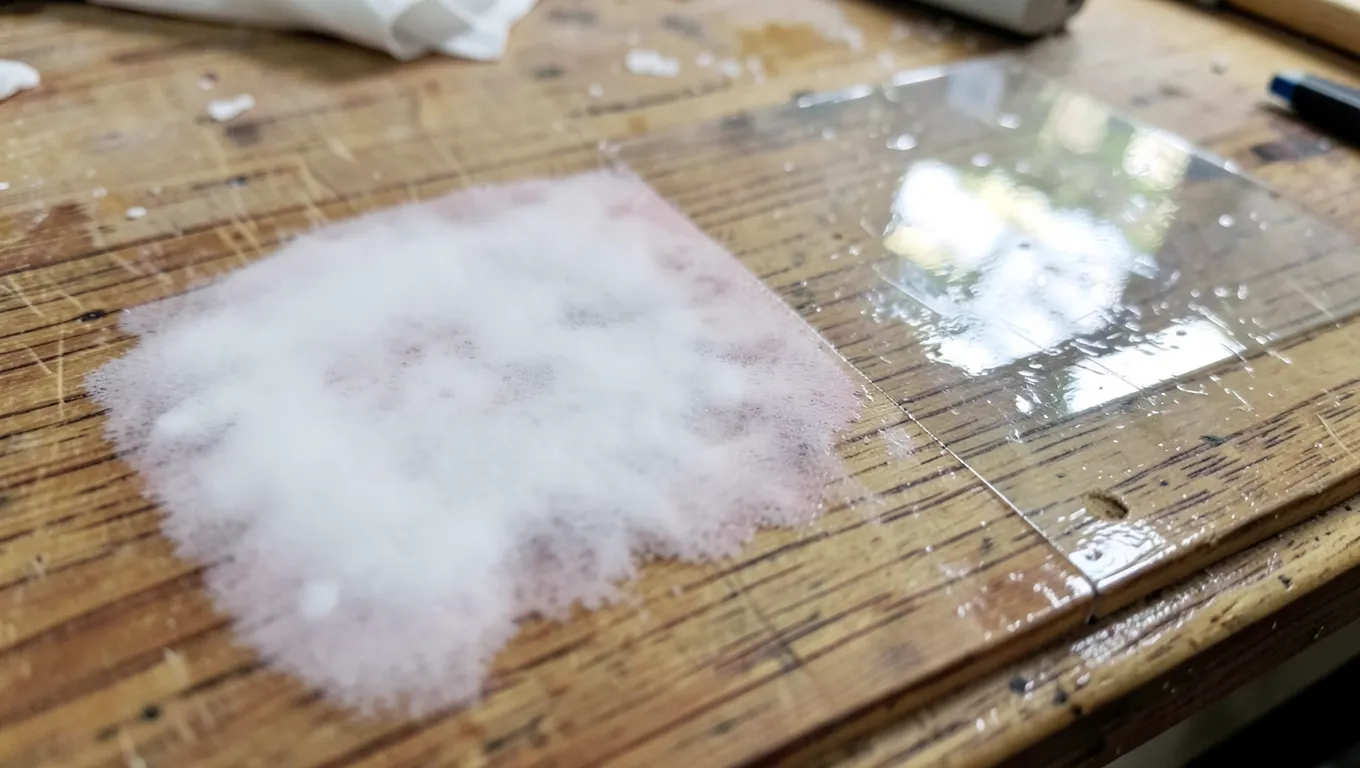
A cloudy or “blushing” polyurethane finish is trapped moisture, not a ruined project. Air bubbles and water vapor caught in the film as it cures scatter light instead of letting it pass through clearly, which is what turns a glossy, transparent coat milky or hazy. Depending on how bad it is, the fix is anywhere from a five-minute buff to a full strip-and-recoat – this guide covers how to tell which one you actually need.
Fixing a cloudy polyurethane finish means identifying the cause – usually trapped moisture or a curing problem – then applying the right level of fix: buffing for a light haze, mineral spirits for mild blushing on oil-based finishes, or a full strip and reapply for anything deeper.
Understanding Why Polyurethane Finishes Turn Cloudy
Best For Light Haze & Cloudiness
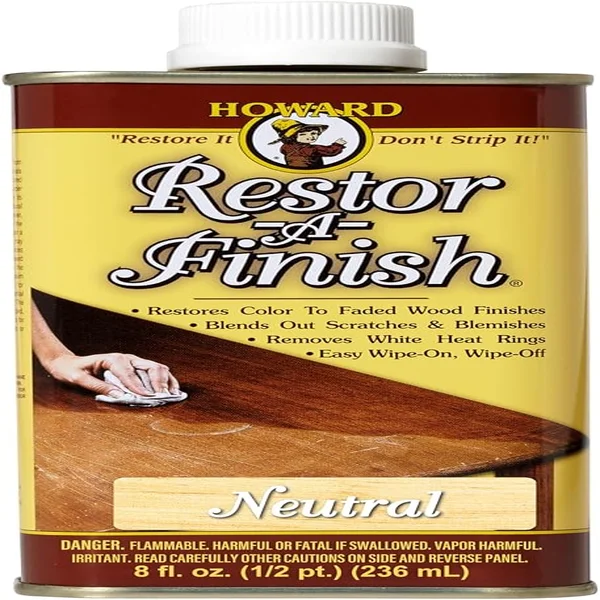 |
Howard Products Neutral Restor-A-Finish, 8 oz – $16.48 A wipe-on solvent-and-oil blend made specifically for reviving a dulled or hazed finish without a full strip-and-recoat.
|
Cloudy polyurethane, sometimes called hazing or blushing, happens when the finish doesn’t cure clear. Moisture or solvent gets trapped inside the film as it hardens, and the resulting microscopic bubbles scatter light instead of letting it pass straight through – the same reason fogged glass looks opaque instead of transparent. Five factors drive this, and most cloudy finishes trace back to more than one of them at once: ambient moisture, temperature during application, how the finish was applied, contamination on the wood or in the can, and the type of polyurethane itself.
Common Causes of Cloudy Polyurethane
Knowing which of these actually caused your specific problem tells you which fix to reach for first, instead of guessing.
Moisture in the Air
This is the single most common cause, especially with oil-based polyurethane. Above roughly 70% relative humidity, water vapor in the air can get physically trapped in the wet film as it starts to skin over, interfering with the resin’s cure and leaving the white, milky haze most people picture when they hear “blushing.” High humidity is seasonal in a lot of climates, but it also shows up any time you’re finishing in a damp basement or garage, or right after it’s rained and the air hasn’t dried out yet.
Humidity’s Impact
High Humidity: Above roughly 70% relative humidity, the risk of blushing jumps sharply.
Trapped Moisture: Water vapor gets caught in the film as it skins over.
Result: Hazing, blushing, and a dull, milky look instead of clear gloss.
Tip: Check the actual humidity, not just whether it “feels” dry, before starting a coat.
Temperature Issues
Polyurethane needs to be within its labeled temperature range to cure the way it’s designed to. Too cold, and it cures slowly, giving moisture more time to work its way into the film before the surface hardens. Too hot, and the surface can skin over before the solvents underneath have fully evaporated, trapping them under a film that looks dry but isn’t. Most cans list an ideal range around 65-80°F (18-27°C) – working well outside that band is a gamble even if the rest of your technique is solid.
Application Errors
A coat applied too thick is the most common technique mistake. Thick coats skin over on the outside before the material underneath can fully release its solvents, and that trapped layer is exactly what shows up as cloudiness, plus a higher risk of sags and drips. Shaking the can instead of stirring it is the second most common mistake – shaking whips air bubbles into the finish, and those bubbles show up in the cured film as tiny light-scattering defects. Brushing too aggressively does the same thing by working air in from the top.
Application Dos and Don’ts
DO: Stir gently. Apply thin coats.
DON’T: Shake the can. Apply thick coats. Brush too hard.
Why: Thin coats cure evenly, and proper stirring avoids introducing air bubbles that shaking creates.
Contamination
Dust, lint, or oil from bare hands landing in the wet finish disrupts the smooth curing process and can leave localized weak spots that look cloudy or catch moisture unevenly. Working in a genuinely clean space, using a clean applicator, and wiping down the surface right before applying all reduce this risk. Leftover wax on the wood is a specific and common version of this problem: if you’re refinishing an older piece, check whether polyurethane can go over wax first, since wax residue under the finish is a frequent, avoidable cause of a cloudy, poorly-bonded coat.
Type of Polyurethane
Water-based polyurethane dries faster and is generally less prone to moisture-related blushing than oil-based, though it can develop its own issues if applied in very dry, fast-evaporating conditions. Oil-based dries slower, which gives moisture more time to interfere and makes it the more blushing-prone of the two in humid weather. Product quality matters too – an old can that’s partially cured in the container, or a bargain formula with a thin resin content, is more likely to give inconsistent results than a fresh can of a reputable brand.
How to Fix a Cloudy Polyurethane Finish
The right fix depends on how deep the problem actually is, not just on which method sounds easiest.
Step 1: Identify the Cause and Severity
Look closely at the affected area. A light, even haze that doesn’t feel sticky usually responds to buffing. Distinct white spots or patches, especially any that still feel soft or tacky days after they should be dry, point to a deeper curing failure that buffing alone won’t fix. Start with the least invasive method that matches what you’re actually seeing, and step up only if it doesn’t work.
Method 1: Buffing Out Light Hazing
This works for minor cloudiness sitting in the top layer of the cured finish – think of it as polishing a car’s clear coat rather than repainting it.
Materials You’ll Need
- Soft cloths (microfiber is best)
- Rubbing compound (automotive or furniture-grade)
- Mineral spirits (for oil-based finishes)
- Fine-grit steel wool (0000 grade)
- Furniture polish or wax
The Buffing Process
Confirm the finish is fully dry and hard first – this can take a few days even when it feels dry to a light touch, and buffing too early just smears a still-soft film. Dip a clean, soft cloth in a small amount of rubbing compound and work the cloudy area in light circular motions; you’re removing a thin surface layer, not sanding through the finish, so avoid heavy pressure. Wipe away excess compound with a fresh cloth as you go and check your progress in raking light.
For a stubborn spot that doesn’t respond to compound alone, 0000-grade steel wool used very lightly can help – test it on an inconspicuous area first, since it’s easy to dull the surrounding sheen if you press too hard. Once the haze clears, clean the surface (mineral spirits for oil-based finishes, a barely damp cloth for water-based) to remove compound residue, then apply a furniture polish or wax and buff to a final sheen.
Buffing Tips
Test First: Always try on a hidden spot.
Gentle Pressure: Don’t scrub hard.
Clean Cloths: Use fresh cloths often.
Patience: This takes time – rushing it is how you burn through the finish.
Method 2: Using Mineral Spirits for Mild Blushing
Mineral spirits can sometimes redissolve and release trapped moisture near the surface of an oil-based finish, which makes it a good first try for light-to-moderate blushing before reaching for anything more aggressive. Confirm the finish is fully dry, then dampen (not soak) a clean, soft cloth and wipe the cloudy area gently, working in the direction of the grain in small sections. If the haze is lifting, you’ll usually see it clear as you wipe; finish with a clean, dry cloth to remove any excess solvent and let the surface dry fully before judging the result.
Mineral spirits can slightly soften some finishes, so test on a hidden spot before committing to the whole surface, and skip this method entirely on water-based polyurethane, where it isn’t recommended. If it works, a thin coat of paste wax afterward adds back shine and a bit of protection.
Mineral Spirits Check
For: Oil-based polyurethane only.
Action: Lifts trapped moisture near the surface.
Use: Dampen cloth, wipe gently along the grain.
Caution: Test first; may soften the finish; not for water-based poly.
Method 3: Reapplying the Finish (When Other Methods Fail)
If buffing and mineral spirits don’t clear it, the moisture or contamination is trapped too deep in the film for a surface fix – the finish didn’t cure correctly and needs to come off entirely.
Step 3a: Remove the Damaged Finish
Use a chemical stripper rated for wood finishes, and wear gloves and eye protection while working in a well-ventilated space – stripper fumes build up fast in a closed room. Apply it with a brush, let it sit for the time the label specifies, and once the old finish bubbles or softens, lift it off with a plastic scraper or putty knife rather than metal, which can gouge the wood underneath. A stripper-wash solvent or fine steel wool cleans up any residue left behind. Once the surface is bare, let it dry fully and do a light sanding with 220-grit paper to prepare it for new finish.
Step 3b: Prepare for Reapplication
Wipe the bare wood down with a tack cloth to pick up fine dust, and keep the workspace as dust-free as you reasonably can. Check the weather again before starting – low humidity and a moderate, stable temperature matter as much on this attempt as they did on the one that failed. Stir the new polyurethane gently rather than shaking it. If you’re staying with oil-based, matching the same type as before avoids compatibility surprises; water-based will generally go over a fully cured oil-based finish, but oil-based over water-based is the riskier direction and best avoided.
Step 3c: Apply New Coats
Apply thin, even coats with a quality brush or foam applicator, working with the grain and brushing out drips immediately rather than letting them level on their own. Let each coat dry fully per the label – typically at least 4-6 hours – then lightly sand between coats with 320-grit or finer to help the next coat bond. Wipe away sanding dust with a tack cloth before each new coat, and give the final coat a full cure – often several days to a week – before putting the piece back into real use.
Reapplication Checklist
1. Strip: Remove old, cloudy finish.
2. Clean: Make wood spotless.
3. Prep: Light sand, dust off.
4. Apply: Thin, even coats. Stir, don’t shake.
5. Sand: Between coats (220-320 grit).
6. Cure: Allow full drying time before real use.
Real-World Contexts and Scenarios
The same underlying causes show up differently depending on where and what you’re finishing.
The Garage Workbench Project
Garages are frequently uninsulated, which means temperature swings hard between morning and afternoon and humidity spikes noticeably after rain. Finishing on a cool, damp morning and then having the space heat up in the afternoon sun is a common recipe for trapping moisture and solvent under a film that skinned over too fast – exactly the combination that produces a cloudy patch, often concentrated near an edge or corner where airflow is worse.
Renovating a Bathroom Vanity
Bathrooms run humid by nature, and finishing a vanity right after shower use all but guarantees moisture in the air while the coat is trying to cure. The wood itself can also absorb ambient moisture, which then gets trapped under the curing polyurethane and shows up as hazing. Airing the room out and confirming it’s genuinely dry – not just visually dry – before finishing avoids this almost entirely.
Finishing Wooden Toys or Crafts
Small projects finished indoors run into the same moisture problem in miniature – a humidifier running in the room, or even a cluster of houseplants raising local humidity, can be enough to blush a small, thin-coated piece. Beyond the finish itself, make sure any coating used on children’s items is labeled safe once cured, and apply it in a well-ventilated space with stable temperature and low humidity for the best result.
When a Cloudy Finish Is Normal (or Less Concerning)
Not every hint of haze is a mistake. Matte and satin polyurethanes contain flattening additives that scatter light on purpose to kill gloss, and that can read as a slight softness or cloudiness compared to a high-gloss coat – that’s the product working as designed, not a defect. A genuinely cheap or old formula can also look inherently less clear even applied correctly. Outside of those two cases, a standard gloss or semi-gloss polyurethane that looks visibly milky or hazy is a real problem worth fixing, not a quirk to live with.
Simple Checks You Can Do
- Touch Test: After the recommended drying time, gently press a fingernail into an inconspicuous area. A lasting dent means it isn’t fully cured yet.
- Visual Check: Look at the finish under different light angles. A uniform sheen is normal; distinct milky patches are not.
- Smell Test: A strong solvent smell lingering for days past the label’s cure time usually means it isn’t curing correctly.
Quick Tips for a Clear Finish
Preventing cloudiness is easier than curing it after the fact, and it comes down to five habits.
- Choose the right conditions. Aim for under 50-60% relative humidity for oil-based finishes and a temperature of 65-80°F (18-27°C), in a well-ventilated, dust-free space.
- Apply thin coats. Two or three thin coats, each fully dried before the next, beat one thick coat every time – thin coats let solvent and moisture escape instead of trapping them.
- Stir, don’t shake. Shaking whips air into the finish; gentle stirring mixes it without introducing bubbles.
- Use quality materials. A fresh can of a reputable brand and a good brush or applicator outperform bargain versions of both.
- Allow full cure time. Dry-to-touch and fully cured aren’t the same thing – cure can take days to weeks, and heavy use before then risks marring a finish that hasn’t reached full hardness.
Prevention Secrets
Environment: Low humidity, moderate temp.
Application: Thin coats, gentle stirring.
Materials: Quality brand, clean tools.
Patience: Allow full drying and curing before real use.
Frequently Asked Questions
What is the quickest way to fix a cloudy polyurethane finish?
For light cloudiness, try buffing with a soft cloth and rubbing compound. For more severe issues, you may need to remove the finish and reapply. Always test any fix on an inconspicuous area first.
Can I fix cloudy water-based polyurethane?
Yes, but gently. Water-based poly is less forgiving. For light haze, try buffing with a very fine steel wool (0000 grade) or a soft cloth and a specific water-based finish restorer. If it’s bad, removal and reapplication are best.
Will mineral spirits damage a clear coat of polyurethane?
Mineral spirits can soften some finishes, especially when used heavily. They are generally safe for oil-based polyurethane when used as a cleaner or to address slight blushing. Always test first and use sparingly. They are not recommended for water-based finishes.
How long does it take for polyurethane to fully cure?
Polyurethane usually feels dry to the touch in 4-6 hours. However, full curing can take anywhere from 7 days to 30 days, depending on the product and conditions. Avoid heavy use or cleaning during this time.
Why did my polyurethane turn white after applying it outdoors?
Applying polyurethane outdoors, especially in humid or damp conditions, is risky. Moisture in the air can get trapped in the wet finish as it dries. This moisture causes the finish to blush and turn white or milky.
Is it okay to apply a new coat of polyurethane over a cloudy finish?
No, it’s generally not a good idea. Applying a new coat over a cloudy or poorly cured finish can seal in the problem and may lead to adhesion issues. It’s best to fix the cloudy layer first, or remove it and start fresh for the best results.
Conclusion
A cloudy polyurethane finish is almost always trapped moisture or a curing problem, not a mystery and not a reason to write off the project. Match the fix to the severity – buffing for a light haze, mineral spirits for mild blushing on oil-based finishes, a full strip and recoat for anything deeper – and you’ll get the clear, glossy result you were after the first time.
Next time, control the three variables that cause most of these problems in the first place: humidity, temperature, and coat thickness. Get those right and cloudiness stops being something you fix and starts being something that just doesn’t happen.
Sponsored / affiliate links. As an Amazon Associate I earn from qualifying purchases. I may earn additional commission from eligible campaigns.