Best Post Hole Diggers for Fence Posts (2026): we compared
For fence posts, a manual post hole digger is a reasonable choice for shallower holes in loose or moderate soil, and a powered auger is often the better option for deeper holes, heavy clay, or repeated 4×4 post installs. The wrong tool leaves holes crooked, too narrow, or too shallow, which wastes posts and weakens the fence. This guide compares manual diggers, drill augers, gas augers, and cordless augers by post size, soil type, and hole depth.
This guide is part of our Woodworking fasteners and project basics series.
Quick comparison
| Product | Badge | Best for | Price | ||
|---|---|---|---|---|---|
 |
VEVOR 57.5" Post Hole Digger, Heavy Duty Post Hole DiggerVEVOR | Budget pick | 57.5" manual · wood handle · 4.33" diameter | $39.01
Price as of 10 Oct 2026
|
View |
 |
Milwaukee 48-13-0873 7/8-by-6-Inch Ship Auger BitMilwaukee | Pair with it | 7/8" x 6" auger bit for power drills | $23.71
Price as of 10 Oct 2026
|
View |
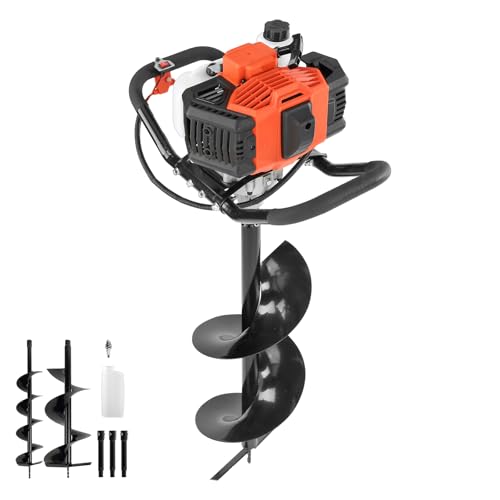 |
VEVOR Gas Powered Post Hole Digger, 52cc Post Hole AugerVEVOR | Upgrade pick | 52cc gas · 6" & 10" bits · 1450W | $150.90
Price as of 10 Oct 2026
|
View |
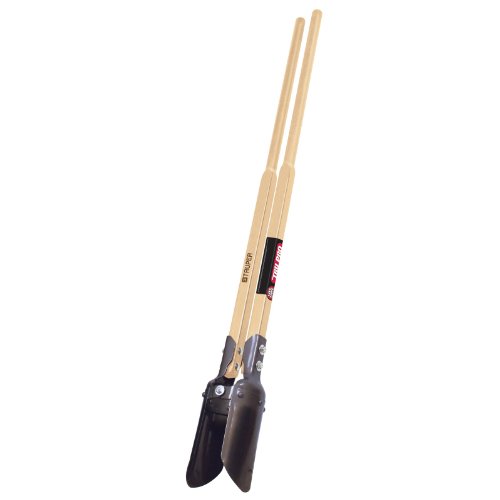 |
Truper 30379 Tru Pro Heavy Duty Post Hole Digger, WoodTruper | Also great | 48" Truper · white ash handles · heavy duty | $59.99
Price as of 10 Oct 2026
|
View |
 |
42V Cordless Auger Post Hole Digger with 2×4.5Ah BatteriesINCENDIOS | Our pick | 42V cordless · 85Nm torque · 2x 4.5Ah batteries | $169.99
Price as of 10 Oct 2026
|
View |
For most DIY fence posts in loamy soil, a manual digger is the simplest starting point. For clay, rocks, roots, or a long line of holes, an auger saves time and strain.
📊 Manual post hole diggers can dig holes up to 4 feet deep. Source: 6 Best Post Hole Digger Reviews: Manual, Gas, and Electric.
How we chose
The main filters were soil type, hole diameter, digging depth, and the effort each tool demands. Comfort also mattered, especially handle length and grip control, along with whether the tool runs by hand, corded power, battery power, or gas.
We also weighed ownership cost. A manual digger is cheap to buy and store, while powered augers add fuel, batteries, cords, or rental fees. For one or two holes, rental often makes more sense than buying a gas unit.
Finally, we looked at fit for fence work. A post hole digger is useful for installing a fence, but the right bit width and depth depend on post size, soil conditions, and the height of the fence.
Quick picks
| Best for | Product | Key spec | Price |
|---|---|---|---|
| Most soft-soil fence posts | Truper 30379 Tru Pro Heavy Duty Post Hole Digger | 48-inch handles, white ash | $59.99 |
| Precise narrow holes with a drill | Milwaukee 48-13-0873 Ship Auger Bit | 7/8-inch x 6-inch bit | $23.71 |
| Hard ground and many holes | VEVOR Gas Powered Post Hole Digger | 52cc gas, 6-inch and 10-inch bits | $150.90 |
| Battery-powered digging | INCENDIOS 42V Cordless Auger Post Hole Digger | 85Nm torque, 2x 4.5Ah batteries | $169.99 |
| Compact manual option | VEVOR 57.5″ Post Hole Digger | 57.5-inch manual, 4.33-inch diameter | $39.01 |
Manual post hole digger: best for soft soil and small jobs
The Truper 30379 is the safest general pick for most small fence runs in soft or loose soil. It fits light to medium-duty work, and the 48-inch handles sit in the common 47 to 60 inch range, which helps with balance and control.
Its strength is simple digging with no gas or electricity. The tradeoff is effort. In compacted clay, wet soil, or ground with many roots, a manual tool can slow down fast and force repeated re-cutting of the hole.
The white ash handles and ergonomic shape are useful for comfort, but wood needs basic care and is not as impact-tolerant as some metal-based setups. For a single fence line in decent soil, though, this is still the cleanest value choice.
Manual post hole digger: best for compact jobs with a fixed hole size
The VEVOR 57.5-inch manual digger suits homeowners who want a ready-to-use tool for fence posts, mailbox posts, and other light duty digging. Its 4.33-inch diameter blade is a clear fit for narrower post holes, especially where precision matters more than speed.
The longer handle improves reach, and the tool arrives assembled. The drawback is the same one that comes with all manual diggers: you pay for that lower cost with more physical effort, especially once the soil firms up or the hole goes past a modest depth.
This is a better match for smaller posts than for large 6×6 work. Wider holes mean more soil to remove, and a narrow manual blade can feel slow if you need several deep holes in a row.
Gas-powered post hole digger: best for tough ground and many holes
The VEVOR 52cc gas auger is the better fit when the yard is hard, rocky, or full of roots. Gas-powered tools are a type of automatic digger, and that engine power matters when manual digging stalls in dense soil.
Its 6-inch and 10-inch bits make it more flexible for fence work than a fixed manual blade. The downside is obvious: more weight, more noise, fuel handling, and more maintenance than a manual digger. Starting and storage also take more attention.
For long fence lines or multiple post sizes, the speed gain can be worth it. For a single post in soft soil, it is usually more tool than you need.
Electric post hole digger: best for lighter digging with power nearby
The INCENDIOS 42V cordless auger is a cordless option that sits between manual and gas tools. Electric diggers can reduce effort without the fuel mix, pull-start routine, or exhaust of a gas unit.
It is best for repetitive holes where battery power is enough and the soil is not brutally compacted. The listed 85Nm torque and reverse switch are useful when roots or sticky clay clog the bit, but an electric auger still has limits in rock-heavy ground.
The drawback is runtime and battery management. Battery tools add charging time and eventual pack replacement, so they fit users who want easier digging but do not want a gas engine.
Electric drill auger bit: best for small holes and specialty work
The Milwaukee 7/8-by-6-inch ship auger is not a full fence-post digger. It is a compact bit for a power drill, useful when you need a small, narrow hole for lighter posts or alignment work rather than a standard fence-post cavity.
This kind of bit can help in limited situations, but it is not the right tool for most 4×4 fence posts. The main drawback is hole size: 7/8 inch is far too small for standard fence-post installation, so it belongs in specialty drilling, not full post digging.
Use it as a narrow boring tool, not as your primary fence-post solution.
Fence-post digging decision table
Match post size, soil type, and hole diameter before you buy. A 4×4 post usually needs a hole wider than the post itself, while a 6×6 post needs even more room for setting, tamping, and alignment.
| Post size | Soil type | Target hole diameter | Target depth | Recommended tool type |
|---|---|---|---|---|
| 4×4 fence post | Soft or loamy | 8 to 12 inches | 36 to 48 inches, or below local frost line if deeper is required | Manual post hole digger or cordless auger |
| 4×4 fence post | Clay | 10 to 12 inches | 36 to 48 inches, adjusted for frost line and fence height | Electric auger or gas-powered post hole digger |
| 4×4 fence post | Rocky | 8 to 10 inches | As depth allows after clearing rock | Gas-powered post hole digger plus digging bar |
| 6×6 fence post | Soft or loamy | 12 to 18 inches | 42 to 48 inches for taller fences or high-wind areas | Gas-powered post hole digger or rental auger |
| 6×6 fence post | Root-heavy | 12 to 18 inches | Depth varies after root clearing | Gas-powered post hole digger, root saw, and digging bar |
| Any fence post | Wet clay | Use the narrowest diameter that still allows setting and tamping | Delay until soil drains if possible | Wait, or use gas/electric only after conditions improve |
What auger bit size means for fence posts
Auger bit width controls how much soil comes out with each pass. Wider bits remove more soil and can speed up digging, but they also demand more torque and leave a larger cavity to backfill and tamp. For fence posts, the hole should fit the post with room for setting material and alignment, not a loose oversized gap.
For common 4×4 posts, a 8 to 12 inch hole is a practical starting range. For 6×6 posts, 12 to 18 inches is more realistic, especially if the ground is uneven or you need room for plumb correction. If the hole is too narrow, the post binds. If it is too wide, you spend more time stabilizing it.
How deep a fence-post hole should be
Depth depends on fence height, soil quality, and frost line. Manual post hole diggers can dig holes up to 4 feet deep, which covers many residential fence jobs, but not every project needs the full depth. Deeper holes usually improve stability, especially for taller fences or wind-prone yards.
A common rule is to bury roughly one-third of the post, but local frost depth can matter more than that. In cold regions, the footing should extend below the frost line when possible. In loose soil, deeper holes help resist movement; in heavy clay, depth alone may not fix poor drainage.
How handle length and build affect control
Handle lengths commonly range from 47 to 60 inches. Longer handles increase mechanical advantage, which reduces the force needed to close the blades and lift soil. Taller users often prefer 60 inches because the tool can feel less cramped and easier to guide.
Fiberglass triple wall construction is a useful durability upgrade. It can improve stiffness and comfort, and it may reduce knuckle bumps when the handles come together. Wood handles still have a place, but fiberglass is worth a look when repeated digging is part of the job.
Which one should you buy?
Choose the tool based on soil first, then hole count, then power access. For one or two fence posts in soft ground, a manual digger is usually enough. For repeated 4×4 installs, clay, rocks, or roots, a gas or cordless auger is the better fit.
Choose manual if the yard is soft and the job is small
Manual is the low-cost choice when you only need a few holes and the soil is loose. It requires physical effort, but it also avoids fuel, charging, and maintenance. If you need a simple fence corner hole or a mailbox hole, manual makes sense.
Choose electric if you want less effort without gas
Electric augers fit homeowners with power or battery access who expect multiple holes but do not want a gas engine. They work best in lighter-duty conditions. In hard clay, rocks, or dense roots, they may stall sooner than gas.
Choose gas if the yard fights back
Gas-powered augers are the better answer for rocky, root-filled, or compacted yards, and for long fence runs where speed matters. They cost more to own and maintain, but they do the hardest digging with less human force than manual tools.
Choose rental over purchase for one-time deep digging
If you only need several deep holes for a single fence section, rental can beat buying a gas auger. That is especially true when the tool will sit unused after the project. For a long-term property maintenance plan, ownership starts to make more sense.
When a post hole digger is not the right tool
For very small pilot holes, use a drill and auger bit. For prying out old posts, use a digging bar or post puller instead of trying to ream the hole wider. For roots, rocks, and packed clay, an auger may still need help from a digging bar, mattock, or shovel cleanup.
How to dig a hole for fence posts
Mark the line, confirm spacing, and dig to the width and depth the post actually needs. A good hole is straight, deep enough for stability, and wide enough for final alignment without wasting extra backfill. Wet clay, rock, and roots change the process, so stop and clear obstructions early.
- Mark post centers with string and stakes.
- Check the post size and choose a hole diameter before digging.
- Dig the hole straight down, clearing loose soil as you go.
- Remove rocks, roots, or compacted clods before they bind the post.
- Set the post plumb, then backfill and tamp in layers.
- Recheck height and alignment before the concrete or soil firms up.
Say your fence uses 4×4 posts and the yard is loamy. A manual digger can usually get the hole started cleanly, then you can finish with a narrow cleanup pass and set the post without over-widening the opening.
A common first-timer mistake is digging the hole too narrow for final adjustment. Once the post is in, you still need room to plumb it and pack material around it. Tight holes make correction harder.
How to treat fence posts in the ground
Set posts in well-draining material, then backfill and tamp so the post stays plumb. If you use wood posts, the bottom section should be protected from moisture exposure as much as the project allows, and concrete should not trap standing water around the base. Drainage matters more than excess filler.
Where local codes or project specs allow it, gravel at the bottom can help with drainage in wetter soil. Concrete can add rigidity, but only if the hole is deep enough and the surrounding soil supports the load. In wet clay, poor drainage can shorten post life.
How to dig up fence posts
To remove an old post, loosen the soil around it instead of trying to force the hole wider with a post hole digger. A digging bar, shovel, and post puller are often better tools because they can break suction and free compacted soil around the base.
If the post is set in concrete, break the footing into smaller pieces and lift out the post and collar separately. For rottted wood, expect the base to crumble, which can leave part of the anchor below grade. That is a case where a digger alone is not enough.
What are the best post hole diggers
The best post hole digger is the one that matches your soil, hole depth, and post size. For soft ground and occasional fence work, a manual digger is usually the best value. For clay, roots, rocks, or many holes, a gas or cordless auger is the stronger tool choice.
Among the options here, Truper is the best manual all-around pick for basic fence posts, the VEVOR gas auger is the best tough-ground option, and the INCENDIOS cordless auger fills the middle ground for powered digging without fuel.
Frequently asked questions
what size auger for fence posts
For most 4×4 fence posts, a hole diameter in the 8 to 12 inch range is practical, while 6×6 posts often need 12 to 18 inches. The bit should leave enough room for plumb adjustment and backfill, but not so much space that the post wobbles during setting.
is a post hole digger worth it
Yes, if you install fence posts, mailbox posts, or similar vertical structures more than once. A manual digger is inexpensive and useful in soft soil, while a powered auger saves time in tougher ground. For a one-off job, rental may be better than buying an expensive powered unit.
Sponsored / affiliate links. As an Amazon Associate I earn from qualifying purchases. I may earn additional commission from eligible campaigns.
 4.21" x 3.94"U Shape Fence Post Holder,1 Pack Concrete Post Base Anchor Bracket,Heavy Duty Wood Post Support for Deck Railing,Fence,Pergola,Mailbox,Ground Mount Pole Construction (1, 4.21" x 3.94")
 Girftong Fence Post Cover For 4X4 Wood Posts, PP Plastic With Screws, Waterproof Anti-Cracking Deck Pole Protectors For Garden Yard Outdoor Use, Black-Finish,(32pcs)