How to Match Hardwood Flooring: Expert Tips for a Flawless Look
Are you struggling to find the perfect match for your hardwood flooring? Getting the right match can transform your space, making it look seamless and stylish.
But how do you ensure your new floors blend perfectly with what you already have? You’ll discover simple, practical tips to match hardwood flooring like a pro. Whether you’re repairing a small section or adding new rooms, these strategies will save you time, money, and frustration.
Keep reading, and you’ll learn how to create a flawless look that feels just right for your home.
Choosing The Right Hardwood
Choosing the right hardwood is key to matching your flooring perfectly. The type of wood affects the look, feel, and durability of your floor. Many factors play a role, such as wood species, color, and grain patterns. Understanding these helps pick the best match for your space.
Take time to compare options. The right choice creates a beautiful, lasting floor that fits your style and needs.
Types Of Hardwood
Hardwood comes in two main types: solid and engineered. Solid hardwood is made from one piece of wood. It is strong and can be sanded many times. Engineered hardwood has layers of wood glued together. It handles moisture better and is easier to install. Both types offer a wide range of styles and colors.
Color And Grain Patterns
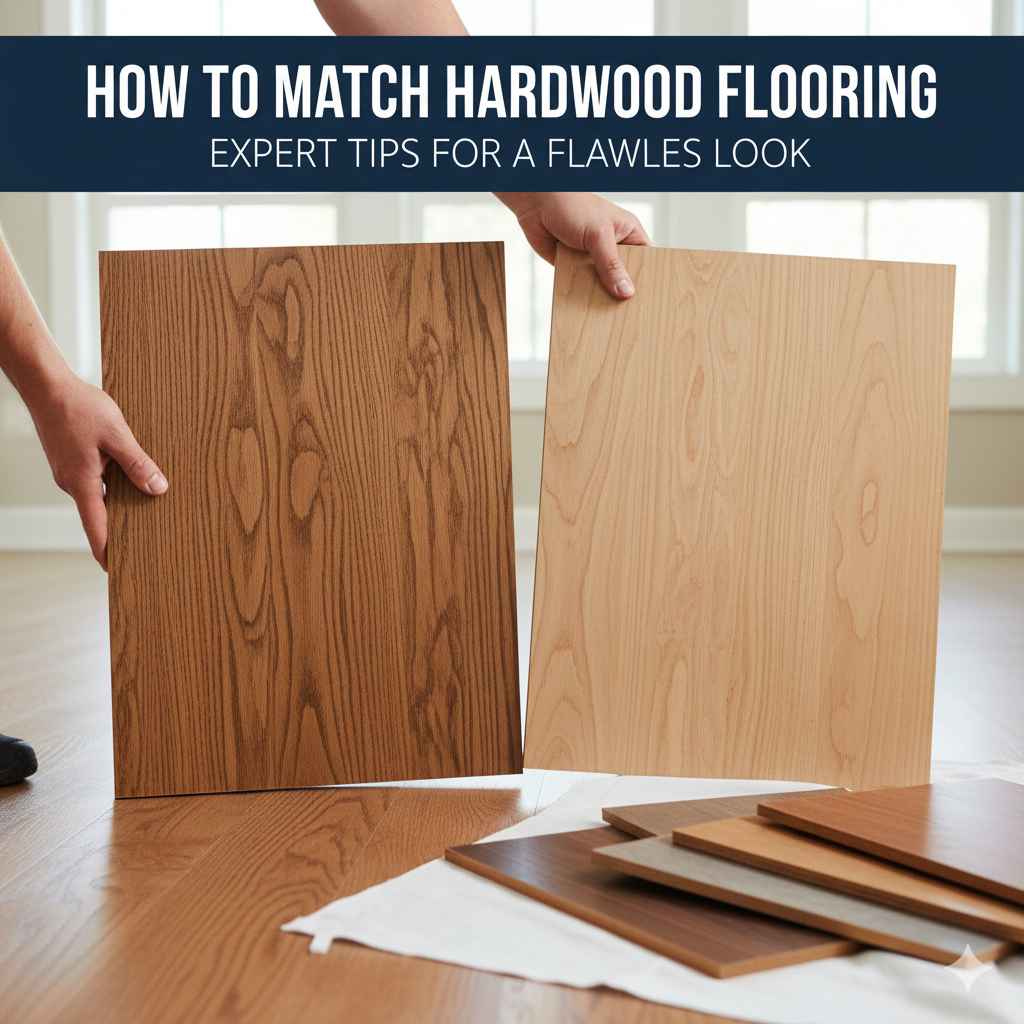
Color varies from light beige to dark brown. Some woods have red or yellow tones. Grain patterns differ too. Straight grains look smooth and simple. Wavy or knotty grains add character and texture. Choose colors and patterns that match your room’s lighting and furniture. This helps the floor blend well with other elements.
Wood Species Differences
Each wood species has unique traits. Oak is common and very durable. Maple is hard and has a fine grain. Cherry wood darkens over time and has a warm tone. Walnut offers deep, rich colors with strong grains. Knowing the species helps pick wood that suits your lifestyle and design.
Measuring And Planning
Measuring and planning are the first steps in matching hardwood flooring. Accurate measurements help avoid mistakes and save money. Careful planning ensures the floor looks balanced and fits the room perfectly.
Assessing Room Dimensions
Start by measuring the length and width of the room. Use a tape measure for accuracy. Write down the numbers clearly. Check for any irregular shapes or obstacles like closets or pillars. Note these details to adjust your plan.
Measure the room in feet or meters, depending on your preference. Double-check all measurements to prevent errors. Knowing the exact size helps you order the right amount of hardwood.
Calculating Material Needs
Calculate the total square footage by multiplying length by width. Add 10% extra wood for waste and cutting errors. This extra amount covers damaged pieces or future repairs.
Order slightly more wood than the room size. This prevents shortages during installation. Keep the leftover wood for repairs later.
Layout Patterns To Consider
Choose a layout pattern that fits your room style. Straight plank layouts give a clean, simple look. Diagonal patterns make the room appear larger.
Herringbone and chevron patterns add a classic touch. Plan the layout before buying wood. This helps you select the right plank sizes and shapes.

Matching Existing Floors
Matching existing hardwood floors can be tricky but is very important. It helps keep your home looking smooth and nice. Careful matching makes new floors blend well with old ones.
Focus on the wood type, finish, and how to mix new with old. These steps help you get a natural look.
Identifying Wood Species
Start by finding out the wood type of your old floor. Look at the grain, color, and texture. Oak, maple, and cherry are common hardwoods.
Compare small samples to confirm the species. This step ensures the new floor fits well.
Comparing Finishes
Next, check the finish on your existing floor. Is it matte, glossy, or satin? The finish affects how light reflects on the floor.
Choose a new finish that matches or is very close. This keeps the floor looking even.
Blending New And Old
Blend new wood with old by mixing boards during installation. This avoids clear lines between new and old parts.
Use sanding and staining to fine-tune the match. The goal is a smooth, continuous look.
Selecting Finishes And Stains
Selecting the right finishes and stains is key to matching hardwood flooring. These choices affect the floor’s color, texture, and durability. The right finish can enhance the wood’s natural beauty. The stain can change the wood tone to match existing floors. Understanding different finishes and stain methods helps achieve a perfect match.
Types Of Finishes
Finishes protect the wood and add shine. Common types include oil-based, water-based, and polyurethane finishes. Oil-based finishes give a warm, amber look. Water-based finishes dry clear and keep the wood’s natural color. Polyurethane finishes are tough and resist scratches and stains. Each finish changes the floor’s look and feel differently.
Stain Matching Techniques
Stain matching means finding the right color for your wood. Start by identifying the wood type and existing stain color. Use a small brush to apply stains on a wood scrap. Compare the samples to your floor under natural light. Mixing different stain colors can help reach the perfect tone. Patience is important for a good match.
Testing Samples
Always test finishes and stains before applying to the floor. Use wood scraps or hidden floor areas for testing. Apply the stain, let it dry, then add the finish. Check the color and texture under different lighting. Testing prevents costly mistakes and ensures satisfaction. Take notes to remember what works best.
Installation Tips
Proper installation is key for matching hardwood flooring perfectly. It ensures the floor looks natural and lasts long. Follow these tips to achieve the best results. Small steps make a big difference in the final look and feel.
Acclimating Wood
Wood changes with temperature and moisture. Let hardwood sit in the room for several days before installation. This helps the wood adjust to the room’s climate. It reduces chances of warping or gaps later. Place the wood flat and avoid stacking it too high.
Proper Tools And Techniques
Using the right tools speeds up work and improves accuracy. A flooring nailer, saw, and spacers are essential. Cut boards carefully to fit edges and corners. Follow manufacturer instructions for best results. Take your time to avoid mistakes that show later.
Seamless Transitions
Transitions connect hardwood to other floor types. Match colors and styles for a smooth look. Use transition strips that blend well with the hardwood. Ensure strips are tight and flush with both floors. Proper transitions prevent tripping and keep floors stable.
Maintaining A Flawless Look
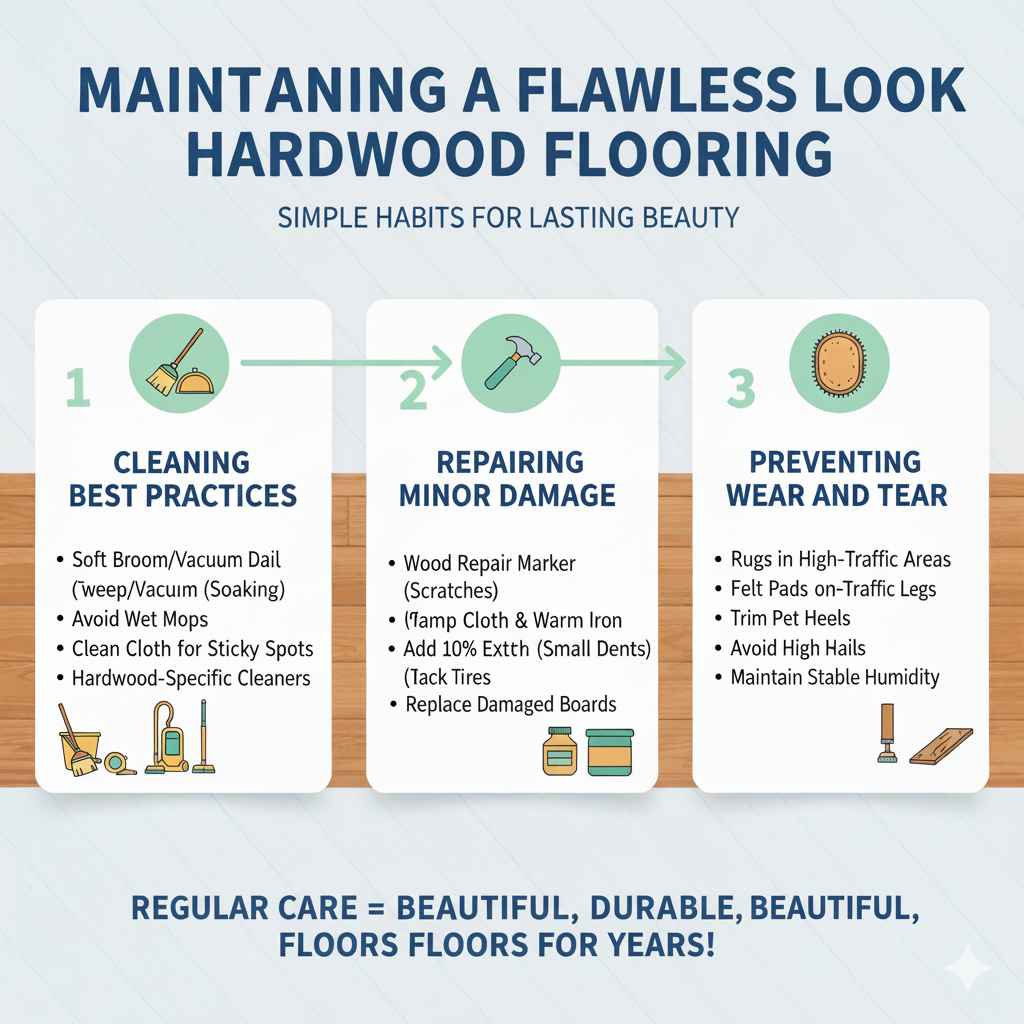
Maintaining a flawless look for hardwood flooring keeps your space beautiful and inviting. Regular care helps preserve the wood’s natural shine and texture. Small efforts prevent long-term damage and costly repairs. Clean floors add warmth and style to any room. Simple habits make a big difference in appearance.
Cleaning Best Practices
Use a soft broom or vacuum with a floor brush attachment. Avoid wet mops that can damage the wood. Clean spills immediately to stop stains and warping. Use a damp cloth for sticky spots, never soak the floor. Choose cleaning products made for hardwood floors only.
Repairing Minor Damage
Fix scratches with a wood repair marker close to your floor color. For small dents, try gently rubbing with a damp cloth and warm iron. Replace damaged boards if necessary to keep the floor uniform. Use wood filler for tiny holes and cracks before refinishing. Regular checks catch damage early and protect your floor.
Preventing Wear And Tear
Place rugs in high traffic areas to protect the wood. Use felt pads under furniture legs to avoid scratches. Keep pet nails trimmed to reduce floor damage. Avoid walking on the floor with high heels or heavy shoes. Maintain stable indoor humidity to prevent wood from shrinking or swelling.
Frequently Asked Questions
How Do I Match Hardwood Flooring Colors?
To match hardwood flooring colors, compare samples in natural light. Consider wood species, stain, and finish to ensure consistency.
Can I Match New Hardwood To Old Flooring?
Yes, match new hardwood to old by checking wood type, stain, and wear patterns. Sanding and refinishing may help blend.
What Affects Hardwood Floor Color Matching?
Wood species, age, stain, finish, and lighting all affect color matching. Natural variations in wood grain also impact the appearance.
Is It Necessary To Match Wood Grain Patterns?
Matching wood grain is important for a seamless look. Select boards with similar grain direction and texture to blend floors well.
Conclusion
Matching hardwood flooring takes patience and careful observation. Choose planks that share color, grain, and finish. Test samples in your space under natural light. Small differences can affect the final look. Take your time to compare and decide. With the right match, your floor will look seamless.
Enjoy the beauty of a well-matched hardwood floor for years. Simple steps lead to a polished, professional result.