How to Clean Citrus Stripping Gel Residue (Skip the Water)
Citrus stripping gel leaves a waxy film behind that soap and water cannot fully break down — you need odorless mineral spirits, or acetone if you are refinishing with a water-based product. Skip this step and a new stain or polyurethane coat can bond poorly, leaving soft spots or peeling within weeks. This guide covers the manufacturer-recommended cleanup method, safe tool cleaning, and how to dispose of solvent-soaked rags without a fire risk.
Why Soap and Water Do Not Fully Clean Citrus Stripping Gel
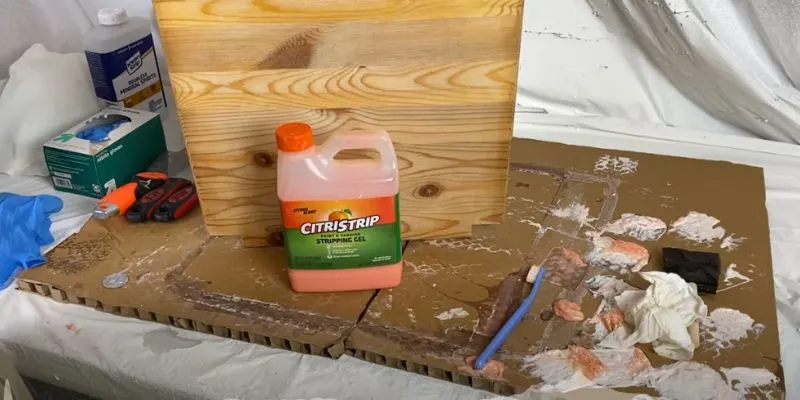
Citrus stripping gel is a paint and varnish remover that uses a citrus-oil solvent thickened with a wax, so the gel clings to vertical surfaces and does not evaporate before it can lift the old finish. That wax is the part plain water misses. Wiping the surface with a damp cloth removes the visible orange residue but leaves an invisible wax film sitting in the wood grain.
That leftover wax is why the same board can look clean and dry, then a fresh coat of stain or polyurethane goes on blotchy, beads up, or peels within a few weeks — the new finish is trying to bond to wax, not wood. A solvent wipe-down is not an optional extra step; it is what actually finishes the stripping job.
Best Odorless Mineral Spirits Pick
 |
Klean-Strip Odorless Mineral Spirits, 1-Gallon A low-odor mineral spirits that breaks down the waxy residue citrus stripping gel leaves behind, without the harsh fumes of standard mineral spirits.
|
As an Amazon Associate we earn from qualifying purchases.
What You Will Need for Cleanup
Gather these before you start — switching materials mid-cleanup lets the gel residue dry in patches, which makes the second pass harder than the first:
- Odorless mineral spirits (or acetone if the next coat is a water-based stain or poly)
- 0000 (finest grade) steel wool or a clean abrasive pad
- Several cotton rags — plan on going through more than one
- Nitrile or chemical-resistant gloves and eye protection
- A metal container with a lid for used rags
How to Clean Citrus Stripping Gel Residue Off Wood
This is the manufacturer-recommended sequence for removing the wax-based residue that citrus stripping gel leaves behind, after the bulk of the lifted finish has already been scraped or wiped away:
- Wipe off the excess gel: Use a plastic scraper and dry rags to remove as much of the lifted finish and gel as possible before introducing any solvent.
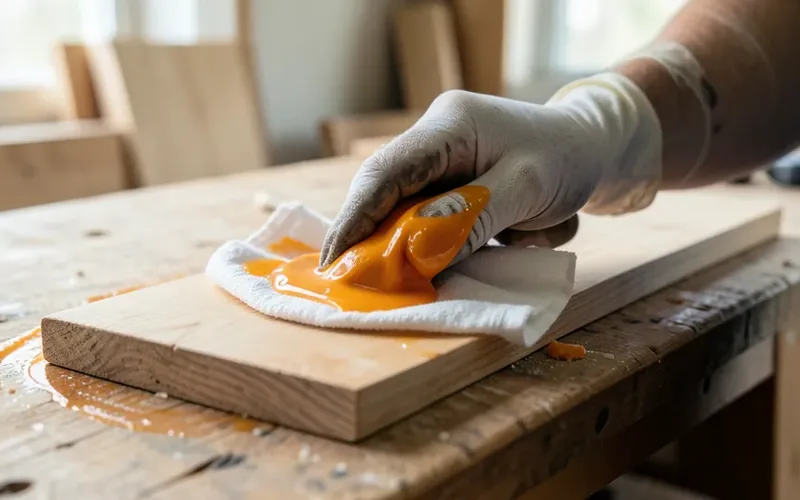
- Soak a rag or pad with mineral spirits: Apply a generous amount to a clean rag or 0000 steel wool pad — do not pour solvent directly onto the wood.
- Work in small sections: Scrub the surface in the direction of the grain, rinsing or flipping your rag often so you are not just redistributing dissolved wax.
- Wipe dry before the solvent evaporates: Follow behind with a clean, dry cloth in the same section so the dissolved residue lifts off instead of drying back onto the wood.
- Let the wood dry fully: Give the surface at least a few hours in a ventilated space before sanding or applying a new finish.
Mineral Spirits or Acetone? It Depends on Your Next Coat
The solvent you clean with should match the finish you are about to apply. Mineral spirits leaves a faint oily film that oil-based stains and polyurethane tolerate fine — but that same film will make a water-based finish bead up, fisheye, or fail to bond.
| Next Finish | Cleanup Solvent | Why |
|---|---|---|
| Oil-based stain or polyurethane | Odorless mineral spirits | Removes the wax; leftover oil film is compatible with the finish |
| Water-based stain, paint, or poly | Acetone | Evaporates fully and will not leave an oily film that repels water-based product |
| Brushes and applicators | Mineral spirits or denatured alcohol, then soap and water | Breaks down residue before it hardens in the bristles |
Cleaning Brushes and Tools After Using Citrus Stripping Gel
Brushes, scrapers, and putty knives used to apply or lift the gel should be cleaned the same day. Rinse or wipe off as much gel as possible first, then work mineral spirits or denatured alcohol into the bristles to break down the residue before it hardens. Finish with warm, soapy water and let brushes dry fully before storing them flat or bristle-up.
Common Mistakes When Cleaning Up Citrus Stripping Gel
Most cleanup problems trace back to one of these habits:
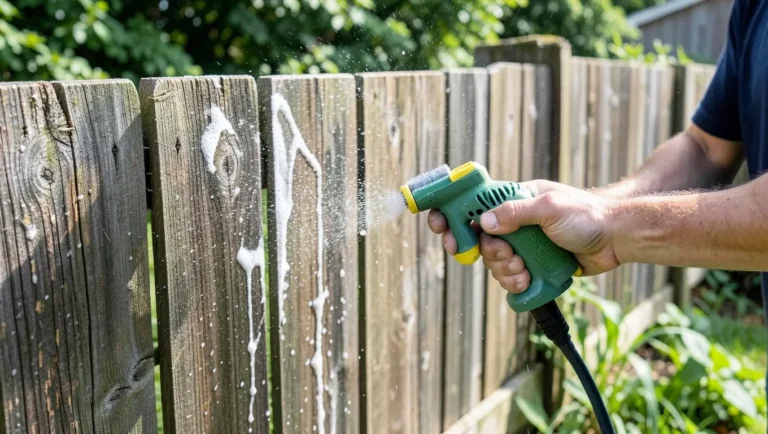
- Rinsing with a garden hose outdoors: A heavy water rinse spreads the wax residue across the surface instead of removing it, and can drive gel into open grain or joints on furniture.
- Reusing the same rag section too long: Once a section of rag is saturated with dissolved wax, wiping with it just redeposits residue instead of lifting it off.
- Skipping the solvent step because the wood “looks” clean: The wax film is not always visible, especially on darker or already-stained wood — it shows up later as adhesion problems, not now.
- Using mineral spirits before a water-based finish: This is the single most common mismatch — always match your cleanup solvent to your topcoat (see the table above).
- Storing wet rags in a sealed plastic bag “for later”: Plastic traps the heat from oxidation instead of dissipating it, which works against the fire-safety goal, not toward it.
Signs You Did Not Fully Remove the Residue
If you skipped or rushed the solvent wipe-down, these are the tells that show up once you start refinishing rather than during cleanup itself:
- Blotchy or uneven stain absorption — the wax blocks pigment from soaking in evenly, so some areas look darker or lighter than others.
- Fisheye or beading in a new finish — liquid finish pulls away from small spots instead of laying flat, a classic sign of a contaminant under the surface.
- A slightly tacky or waxy feel even after the wood looks fully dry.
- Peeling or poor adhesion that shows up weeks after the new finish was applied, not right away.
If any of these show up, do not add another coat on top — go back, re-wipe the surface with the correct solvent for your finish, let it dry fully, and then re-test a small area before recoating the whole piece.
Rag Disposal: The Fire Risk Most Guides Skip
Rags soaked with mineral spirits are a real fire hazard, and it is not from an open flame — it is spontaneous combustion. As the solvent-soaked oils oxidize, they release heat, and a wadded-up pile of rags traps that heat instead of letting it dissipate.
OSHA regulation 29 CFR 1926.252(e) requires that solvent-soaked rags be kept in a fire-resistant, covered metal container until they are removed from the work site — never left balled up on a bench or in a trash can.
- Lay used rags flat and separated outdoors, away from anything combustible, until they are completely dry
- Once fully dry, mineral-spirits rags can go in the regular trash
- If you cannot let them dry immediately, store them in a sealed metal container and empty it the same day
Disposing of Leftover Citrus Stripping Gel
Small amounts of dried, hardened gel can typically go in household trash — check your local hazardous waste rules first, since some municipalities classify paint strippers differently. Never pour liquid gel or rinse water down a drain. If you have a significant leftover quantity, a local household hazardous waste collection site is the safest option.
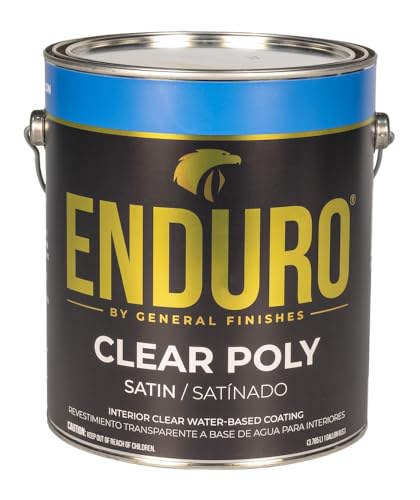
General Finishes’ own guidance on the topic is direct: mineral spirits should not be used to clean a stripped surface if you plan to apply a water-based finish next, because the residual oil interferes with adhesion — acetone is the correct pre-finish cleaner in that case.
Frequently Asked Questions
Can I clean citrus stripping gel with just soap and water?
No. Soap and water remove the visible gel but leave the wax base behind as an invisible film. That film is enough to cause blotchy stain absorption or a peeling topcoat later, so a solvent wipe-down with mineral spirits or acetone is still needed.
Should I use rubbing alcohol to remove citrus stripping gel residue?
Rubbing alcohol is not the manufacturer-recommended solvent for this job. It does not fully dissolve the wax base the way mineral spirits does, and it is not the right choice before a water-based finish either — use acetone for that case instead.
Do I need a different cleaner depending on the finish I’m applying next?
Yes. Use odorless mineral spirits before an oil-based stain or polyurethane. Use acetone instead if your next coat is a water-based stain, paint, or poly, since mineral spirits leaves an oily film that water-based products will not bond to.
How should I dispose of rags used to clean citrus stripping gel?
Lay them flat and separated outdoors until fully dry, away from anything combustible — solvent-soaked rags bunched together can heat up and spontaneously combust. Once dry, they are safe for regular trash, or store them in a sealed metal container if you cannot dry them right away.
Conclusion
Cleaning up after citrus stripping gel is a two-step job, not one: wipe off the visible residue, then cut through the wax it leaves behind with the right solvent for your next finish. Skip the second step and the stripping work you just did can undermine the refinish that follows. Match mineral spirits or acetone to your topcoat, and store solvent-soaked rags flat and dry rather than balled up.
Sponsored / affiliate links. As an Amazon Associate I earn from qualifying purchases. I may earn additional commission from eligible campaigns.