How to Remove Old Glue Before Regluing Wood the Right Way
Remove old glue until the joint surfaces are clean wood or only a thin, hard, non-glossy film remains; if the glue is thick, rubbery, or shiny, scrape, shave, or sand it off before regluing. Leave contamination in place and the new glue bonds to the old failure, so the joint can creep, starve, or break again. I clean joints this way before every serious reglue: judge the glue, pick the mildest method that fits the adhesive and the wood, then stop the moment the surfaces are sound for bonding.
What you’ll need


- Plastic scraper or a thin putty knife for softened residue
- Heat gun on a low setting
- White vinegar, clean water, and acetone for specific glue types only
- Sandpaper in a few coarse, medium, and fine grits
- Clamps for the reglue
- Clean rags or paper towels
- PPE: eye protection, gloves, and a respirator or strong airflow at the bench
How to remove old glue before regluing wood
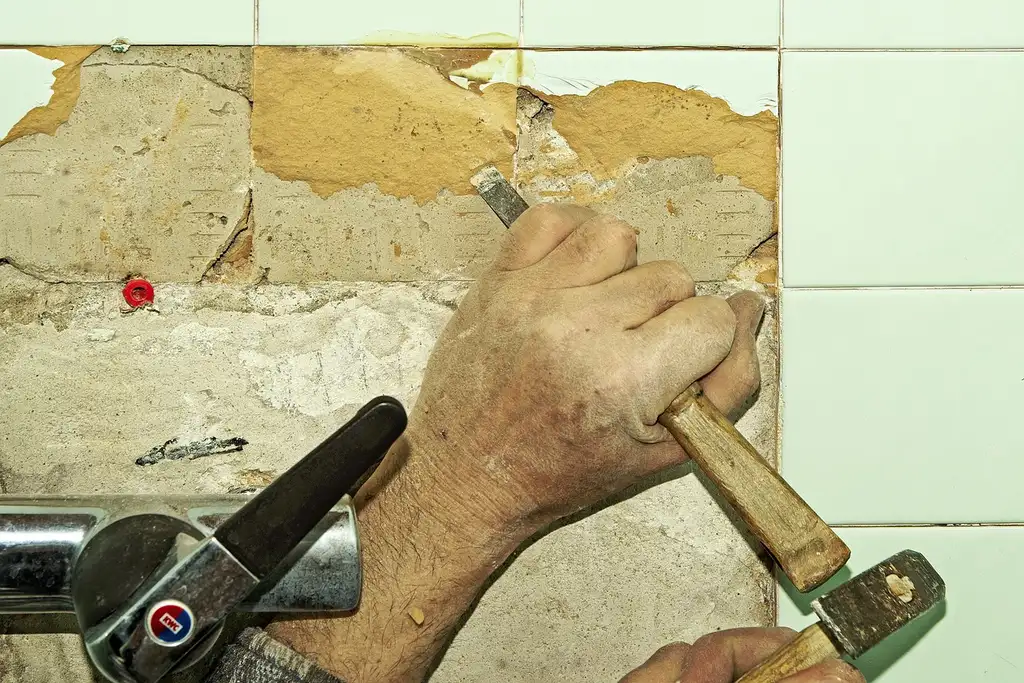
Start with the mildest method that fits the glue and the wood. Heat or moisture can soften PVA and hide glue; scraping should come next; sanding is a cleanup step, not the first move; acetone is last, and mainly for CA glue or some epoxy residue. One guide recommends heating old glue with a heat gun before scraping, then sanding before reapplication.
- Identify the glue by look and feel: yellow or white carpenter’s glue is usually PVA, foamy tan residue points to polyurethane, brittle shiny chips often indicate CA, and hard glassy residue is often epoxy.
- Test the method on an unseen spot first, such as the back side of a rail or the inside edge of a joint.
- Soften the glue with the right aid: warm water or a hot damp cloth for PVA, gentle heat for hide glue, and low heat for stubborn residue.
- Scrape with a plastic scraper at a shallow angle.
- Sand only after most residue is gone, moving from coarser paper to finer paper as needed.
- Dry-fit the joint, then clamp it without glue to confirm the faces still meet cleanly.
If that didn’t work, try this next
If the first pass leaves a stubborn film, move one step more aggressive rather than jumping straight to heavy sanding. A longer soak, more controlled heat, or a small amount of solvent may help preserve the fibers. Stop as soon as the surface is sound enough for adhesive contact.
- For PVA, re-wet with a warm damp cloth and scrape again.
- For hide glue, add heat and moisture in short cycles, then scrape.
- For CA or cured epoxy residue, use acetone sparingly after scraping old fully cured glue.
How clean does a joint need to be before regluing?
A joint needs clean bearing surfaces, not a museum-finish surface. The bond area should be bare, sound wood or only a thin, dull film that does not feel slick. Gloss patches, rubbery blobs, and dark squeeze-out shadows matter because they separate the fresh glue from the wood fibers that hold the repair together.
| Glue type | Wood condition | Minimum prep method | Stop point | Red flags for re-cutting or replacing fibers |
|---|---|---|---|---|
| PVA wood glue | Bare wood, solid hardwood | Hot damp cloth, plastic scraper, light sanding with 180 then 600 | Thin dull stain only, no slick film | Compressed fibers, shiny patches, or glue deep in end grain |
| PVA wood glue | Finished wood or veneer | Dry scrape first, then very light heat if finish allows | Before finish softens or veneer lifts | Lacquer, varnish, or veneer starts to wrinkle or fuzz |
| Polyurethane glue | Bare wood | Scrape foam, then sand residue; moisture helps only during cleanup, not cure removal | When foam ridges are gone and wood is not torn | Foam has filled pores so deeply that clean wood cannot be reached without heavy sanding |
| Epoxy | Solid wood or end grain | Scrape, then targeted sanding; acetone only for small cured residue | When residue is thin and matte | Large cured ridges, softened wood around the joint, or over-sanding into the joint geometry |
| CA glue | Small repair areas | Scrape chips, then acetone on a cloth for residue only | When the surface no longer feels glassy | Veneer, lacquer, or varnish is present nearby |
| Hide glue | Antique furniture, bare wood | Heat and moisture, then scrape | When the joint fibers are clean and warm, not soaked | Fiber lift, staining, or joints that keep opening because the wood has crushed |
For finished wood, any glossy patch under the repaired joint is a warning sign. For bare wood, a faint stain can be acceptable if it is hard and thin. For MDF and veneer, stop earlier than you would on hardwood, since one extra pass can remove the substrate or lift the face layer.
Can you glue over old glue on wood?
Usually no. Fresh glue bonds best to bare, sound wood fibers, not to a failed adhesive skin that may already be weak, dusty, or slick. A tiny dull stain is sometimes tolerable on a nonstructural spot, but a chair rail, leg joint, or case seam needs real wood contact where the load lands.
Where a little residue may be acceptable
On a decorative edge or a low-stress fit-up, a thin, hard film that does not smear under a fingernail can be left if scraping more would damage the part. That is a stop point, not a green light to coat over thick residue.
Where bare wood matters most
Any joint that carries racking, shear, or pull-out needs the glue line to bite into clean fibers. On end grain, pores, and crushed corners, old glue blocks penetration and can leave the repair looking tight while the bond fails early.
How do you remove old glue from a chair joint before regluing?
Take the joint apart without tearing fibers, then clean the mating faces, pinholes, and shoulders until they fit together dry. Chair joints fail under movement, so cleanup has to preserve the original geometry. If the fit is loose after cleaning, the repair needs sizing, a shim, or re-cutting, not more glue.
- Disassemble the joint with controlled force so the tenon, mortise, or dowel holes do not split.
- Dry-brush loose crumbs out of the corners.
- Soften remaining PVA or hide glue with heat or moisture if the finish can tolerate it.
- Scrape the mating faces with a plastic scraper held shallow.
- Clear pinholes and mortises with a narrow chisel or folded abrasive only after the bulk is gone.
- Dry-fit the chair joint and close it with clamps before adding glue.
One guide says the best time to remove squeezed-out glue is 30 to 60 minutes after application, before it hardens fully. If that window is long gone, clean the cured ridge mechanically instead of trying to wipe it back into the fibers.
What should you do when glue is in the wood pores?
Stop sanding as soon as the pores are clean enough to hold fresh glue. A shallow stain in the grain can be fine on solid wood, but shiny packed pores or hard ridges in end grain will block the new adhesive. If the pore contamination is deep, the repair may need recutting, plugging, or a new part.
Use this as the stop point
When the surface feels smooth but not glossy, and the pores no longer catch light, the joint is usually ready. On end grain, accept a faint color shift if the wood is intact. Do not keep chasing a perfect color match if the next pass risks thinning the fit.
When the piece needs more than cleanup
If a scraper exposes torn fibers, if a veneer starts feathering, or if old glue sits below the surface in compressed pores, more abrasion can weaken the part faster than it improves adhesion. At that point, re-cut the joint or replace the damaged section.
Common mistakes
These are the failures that cost more time than the glue itself. Most come from using the wrong chemistry or going too hard too soon.
- Using vinegar on polyurethane, epoxy, or CA glue. White vinegar may soften some water-based PVA because of its acidity and water content, but it is not a universal remover.
- Scorching wood with a heat gun. Keep it moving on a low setting.
- Scraping across veneer or finish at a steep angle. Use a plastic scraper and a shallow angle first.
- Over-sanding a joint. wikiHow recommends 600-grit for thick glue and 1200-grit for remaining glue, but only after most residue is removed. (wikihow.com)
- Using acetone too early. It is often best reserved for CA glue and some epoxy residue after scraping.
- Clamping dirty surfaces. A tight clamp cannot make up for a bad bond line.
Prevention: On future glue-ups, wipe squeeze-out in the 30 to 60 minute window so cleanup stays on the surface instead of in the fibers.
Frequently asked questions
How do you remove old wood glue before regluing wood?
Soften the glue if the chemistry allows it, scrape with a plastic scraper at a shallow angle, then sand only the remaining film. PVA and hide glue respond to moisture or heat better than cured polyurethane or epoxy. Stop when the surface is matte, clean, and sound.
What removes dried wood glue without damaging the wood?
Start with heat or moisture for PVA and hide glue, then scrape. Use acetone only on CA glue or small cured epoxy residue, and keep it off lacquer or varnish. Sanding with 150 or 180 grit is a cleanup step when scraping no longer moves the residue.
Should I sand old glue off before regluing?
Sand after scraping, not before. Coarse paper can dish the joint, round edges, and open the fit. Move to 600 or 1200 grit only for the last traces, and stop once the surface is dull and free of glossy patches.
Does vinegar remove wood glue?
It can soften some PVA because that glue is water-based and vulnerable to acidity plus moisture. It will not reliably remove polyurethane, epoxy, or CA glue. Test a hidden area first and keep vinegar away from finishes that stain or cloud easily.
When should I use heat, water, or acetone on old glue?
Use heat for hide glue and stubborn residue, water or white vinegar for PVA, and acetone only after scraping cured CA glue or some epoxy residue. Keep the heat gun moving, use ventilation, and stop if lacquer, varnish, or veneer starts to react.
What if the old glue is in the wood pores and not just on the surface?
Stop once the pores no longer look glossy or packed. A thin stain is usually acceptable on solid wood, but deep contamination in end grain, veneer, or crushed fibers can block the new bond. At that point, more sanding may do more harm than good.
Sponsored / affiliate links. As an Amazon Associate I earn from qualifying purchases. I may earn additional commission from eligible campaigns.