How to Glue Wood Trim to Drywall Without Damaging Wall
Use glue-only on drywall for very light trim, and on sound paint or paper, if a few small test spots still hold after about a day. If the paint is weak, the trim is tall, or the strip carries stress, use a low-damage hybrid with a few brads or removable tape. Poor prep can tear paint or drywall paper on removal, and then the wall needs patching before it can be painted again. This guide shows how I test the wall, pick the adhesive, prep the surface, and install trim with the least chance of damage.
What you’ll need
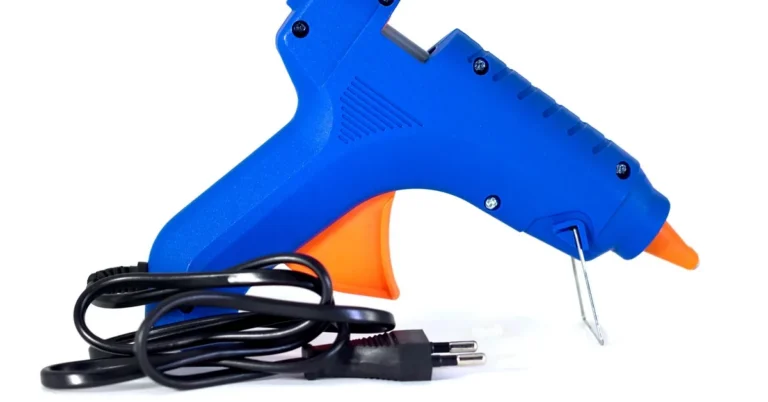
- Adhesive: PVA wood glue for wood-to-wood contact, polyurethane adhesive for mixed-material bonding, or construction adhesive when a stronger wall bond is acceptable.
- Prep and cleanup: Dust cloth, mild cleaner, painter’s tape, caulk or paintable filler, and a putty knife for careful future removal.
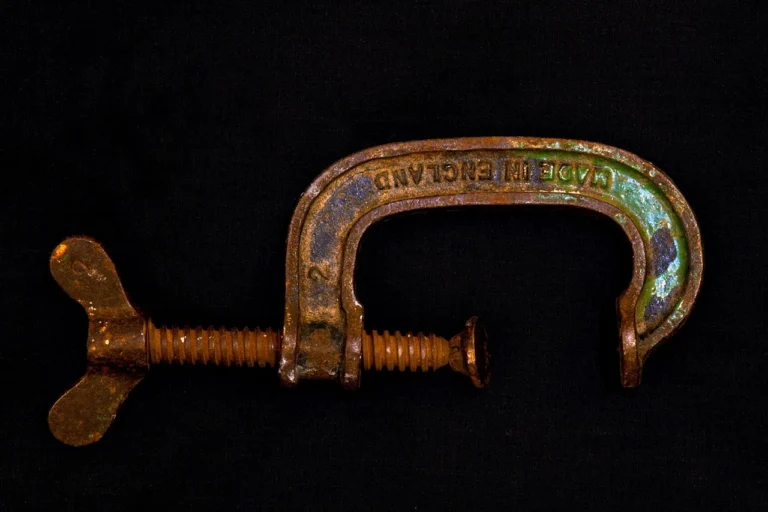
- Holding methods: Clamps where practical, painter’s tape, small props, or micro-brads if a few tiny holes are acceptable.
- Trim: Lightweight wood trim, ideally short lengths that can be supported while the adhesive cures.
- Test piece: A small offcut for checking paint adhesion and cure behavior on the wall finish.
How do you decide if glue-only is safe?
Glue-only is generally safest for very light wood trim on sound, clean drywall with a finish that seems to pass a spot test. If the strip is tall, springy, or likely to be removed later, add a low-damage hold so the bond is not asked to do all the work while it cures.
Check the trim first
Thin decorative strips behave better than wide casing or tall molding. Narrow pieces put less pull on the wall, so the adhesive is less likely to peel the finish during cure or later removal.
Check the wall next
Painted drywall is not all the same. Dust, glossy paint, old filler, and hollow spots all weaken adhesion, and the drywall paper face can tear if a strong bond is ripped off later.
Decide how clean removal must be
If the trim may come off for painting, repair, or layout changes, plan for the least aggressive hold that still keeps full contact during cure. That usually means tape, props, or a few micro-brads instead of heavy adhesive alone.
Decision checklist: trim, wall, and removal priority
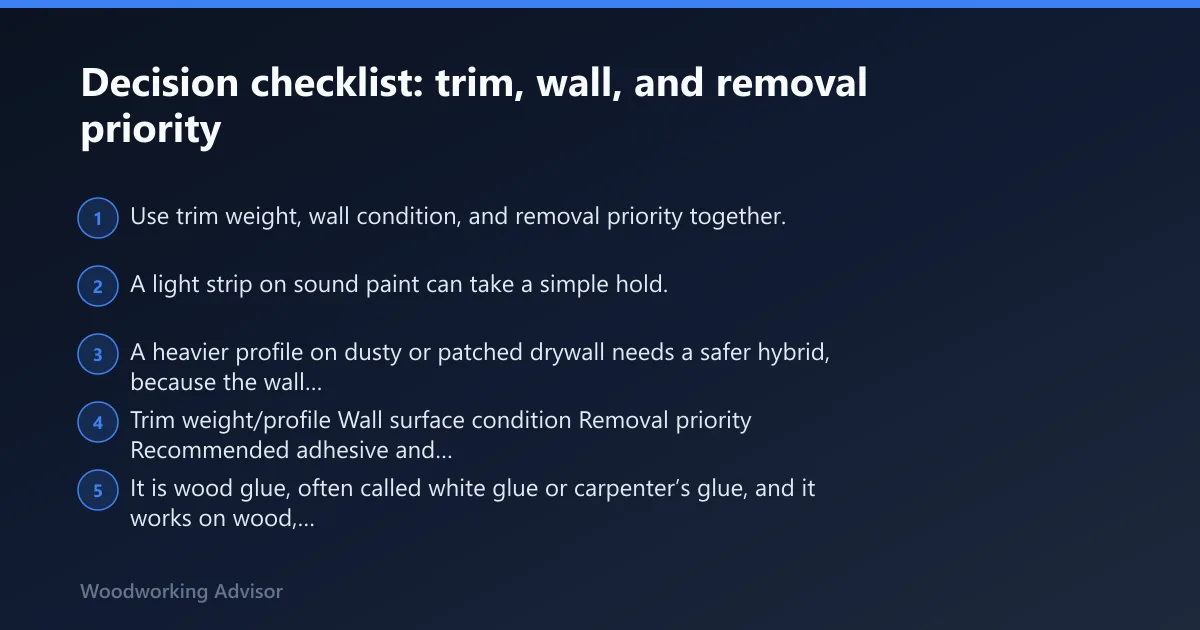
Use trim weight, wall condition, and removal priority together. A light strip on sound paint can take a simple hold. A heavier profile on dusty or patched drywall needs a safer hybrid, because the wall finish is usually weaker than the trim itself.
| Trim weight/profile | Wall surface condition | Removal priority | Recommended adhesive and hold | Damage-risk score |
|---|---|---|---|---|
| Very light decorative strip | Sound painted drywall, dust-free, passes spot test | Low | Small beads of polyurethane adhesive; painter’s tape or short props | 2/10 |
| Light casing or short molding run | Painted drywall with minor sheen, clean but not perfect | Medium | Construction adhesive used sparingly; tape plus a few micro-brads if holes are acceptable | 5/10 |
| Wide or tall trim | Dusty paint, old filler, or soft paper face | High | Hybrid install with micro-brads and light adhesive; props until set | 8/10 |
| Any profile with future removal likely | Any finish that showed lifting in a test spot | High | Do not rely on glue-only; use the smallest mechanical hold that still aligns the piece | 9/10 |
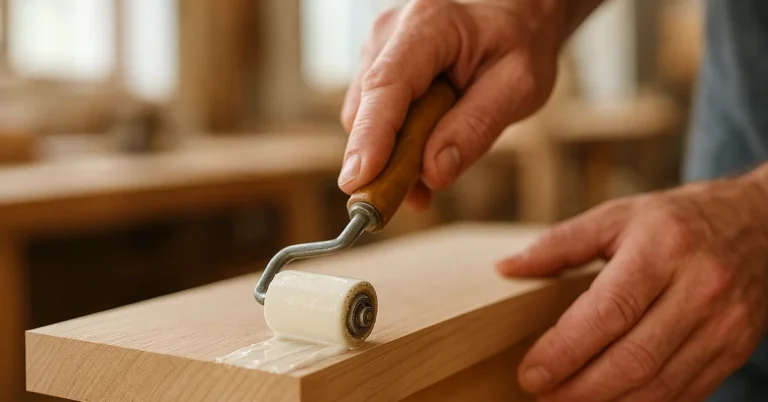
PVA wood glue belongs in the trim-to-trim joint, not as the main drywall bond. It is wood glue, often called white glue or carpenter’s glue, and it works on wood, paper, and other porous materials. It will not bond metal, glass, or plastic, and it usually needs clamps for full holding power.
Polyurethane adhesive can bond wood, stone, metal, plastic, and other materials. It needs some moisture to cure, can expand as it dries, and may foam out of the joint if overapplied. Construction adhesive is used for securing subfloors to joists and wall panels to studs, so it is strong, but often too aggressive when clean removal matters. (familyhandyman.com)
How do you glue wood trim to drywall without damaging paint or paper?
Use a light, tested adhesive bead, support the trim while it cures, and avoid forcing the piece off later. The drywall paper face can tear if the bond is stronger than the finish, so the safer plan is clean prep, a small test area, and a removal strategy before the first bead goes on.
1. Clean the wall and trim
Wipe dust from the painted drywall and the back of the wood trim with a damp cloth and mild cleaner. Let both surfaces dry fully. Dust cuts adhesion fast, especially on glossy paint or old filler.
Press a small tape patch or a tiny adhesive dab in an out-of-sight area, then remove it after curing. If paint lifts, stop and switch to a low-damage hybrid method.
3. Apply the adhesive sparingly
Run a thin bead, spaced so it wets the contact area without piling up. Thick beads squeeze out at the edges, and polyurethane can foam out of the joint if it is packed on.
4. Set and align the trim
Press the trim into place before the adhesive skins over. Check the line along the wall and ceiling edge, because once the hold starts, sliding the piece can break the bond.
5. Hold it until the cure is complete
Use painter’s tape for light pieces, props for longer runs, or micro-brads when a few tiny holes are acceptable. PVA wood glue needs clamping or another hold method for full strength.
6. Fill and touch up
Once the bond sets, fill small gaps with caulk or paintable filler, then wipe the edges clean. That hides slight wall irregularities and stops the trim from looking stuck on instead of fitted.
What adhesive should I use for wood trim on drywall?
Pick the adhesive by what is touching what. PVA wood glue is best for wood-to-wood joints inside the trim assembly, polyurethane adhesive can handle mixed materials, and construction adhesive is the strongest option when wall bonding matters more than easy removal later.
PVA wood glue
PVA is the best choice when the trim can be clamped to another wood surface during cure. It is weak as a direct drywall adhesive because the bond depends on the paint or paper facing the board, not on a true porous wood joint.
Polyurethane adhesive
Use polyurethane when the trim and wall finish are both sound and you need one adhesive that bonds mixed materials. It needs moisture to cure and can foam out, so a thin bead is safer than a heavy one.
Construction adhesive
Choose construction adhesive only when a stronger wall bond is acceptable and removal is not a priority. It is made for building work, but that same grip can make future drywall repair much harder.
How do you hold trim in place while glue cures?
Use the lightest hold that keeps the trim fully seated until the adhesive sets. Tape works well for short, light pieces. Props are better for long runs. Micro-brads help when alignment matters more than leaving the wall completely untouched.
Painter’s tape
Painter’s tape is often the first choice for thin trim on clean paint. It spreads holding force gently and leaves no holes, but it is not enough for heavy or springy molding.
Temporary props or blocks
Props help when gravity wants to slide the trim down the wall. A scrap block cut to length can hold the bottom edge while the adhesive cures, which is useful on longer horizontal pieces.
Micro-brads
Micro-brads are the tradeoff for a more secure hold. A few tiny holes are easier to patch than a failed bond and a torn drywall paper face.
How do you remove glued trim later without tearing drywall?
Start with the paint line, not the trim edge. Score the finish first, then work slowly with thin leverage so the drywall paper face is not asked to peel in one strip. If the trim was bonded aggressively, expect patching.
Score the perimeter
Run a sharp knife along both edges of the trim where it meets paint or filler. That cut breaks the finish film and lowers the chance of lifting a wide sheet of paint or paper.
Work from the smallest opening
Use a thin putty knife or flexible blade to begin separation. Move a little at a time and stop if the paper starts to lift.
Plan for patching
If the paper face tears, seal and patch the damaged area before repainting. That is the normal repair path when a strong adhesive was used on a finish that should not have been asked to release cleanly.
If that didn’t work: move up the ladder only after the finish test fails. First, switch from glue-only to tape plus props. Second, add micro-brads on the least visible edge. Third, choose construction adhesive only when the trim is staying put for good.
Common mistakes
Most failures come from treating drywall like solid wood. The wall finish is the weak part, not the trim. That changes how much adhesive, hold pressure, and removal risk the job can tolerate.
- Using too much adhesive: Heavy beads cause squeeze-out and can foam or grab too hard, especially with polyurethane.
- Skipping dust removal: Dusty painted drywall holds poorly and may fail at the paint layer instead of the glue line.
- Trusting glue alone on long pieces: Trim may slide before cure unless it gets tape, props, or a few tiny brads.
- Ignoring removal risk: If future removal matters, aggressive construction adhesive can turn a simple trim change into drywall repair.
- Failing to test the finish: Weak paint, old filler, or a soft paper face can tear even when the adhesive itself is fine.
Prevention
Keep a small offcut and test the same adhesive on the same wall finish before committing to the full run. That one check usually tells whether glue-only is safe or whether the job needs a hybrid hold.
Frequently asked questions
Do I need nails or can I use glue only for trim?
Glue-only works for very light trim on sound paint, but it is risky on taller profiles or weak finishes. If the trim wants to slide or the wall may need a clean future removal, use a hybrid with tape, props, or tiny brads.
Will wood glue stick to drywall?
It can stick to the paper face in some cases, but that is not a reliable direct-bond plan for trim. PVA wood glue is made for porous materials like wood and paper, and it usually needs clamps for full holding power.
What is the best adhesive for lightweight trim on painted drywall?
For lightweight trim on sound painted drywall, use a small amount of polyurethane adhesive and support it with tape or props. If the paint is weak, dusty, or glossy, do a spot test first and switch to a hybrid hold if the finish lifts.
Sponsored / affiliate links. As an Amazon Associate I earn from qualifying purchases. I may earn additional commission from eligible campaigns.