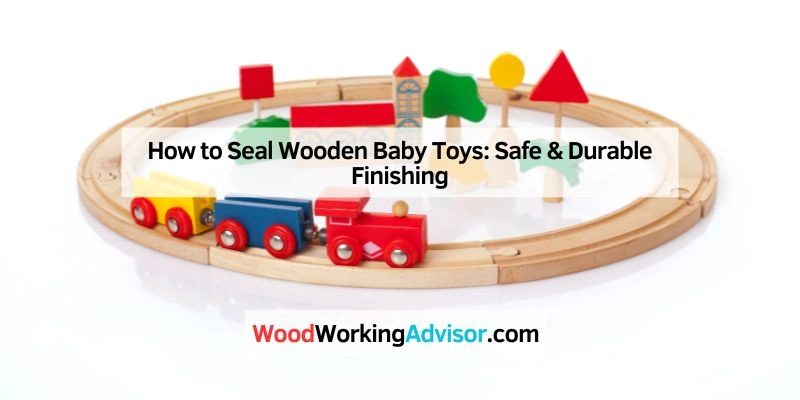
How to Seal Wooden Baby Toys Safely (Mineral Oil vs. Coconut Oil)
To seal wooden baby toys, use a food-safe finish like beeswax or mineral oil. Apply the finish with a clean cloth and allow it to dry completely.
Wooden baby toys offer a natural, safe alternative to plastic. Ensuring they are properly sealed protects them from moisture and wear, making them last longer. A non-toxic finish enhances the toy’s beauty while keeping it safe for little ones. Choosing the right sealant is crucial, as babies often chew on their toys.
Parents should prioritize food-safe options to ensure safety. Regular maintenance, including reapplication of the finish, helps retain the toy’s condition. By following these simple steps, parents can keep their wooden toys looking great and safe for playtime.
Introduction To Sealing Wooden Baby Toys
Best Food-Safe Finish Pick
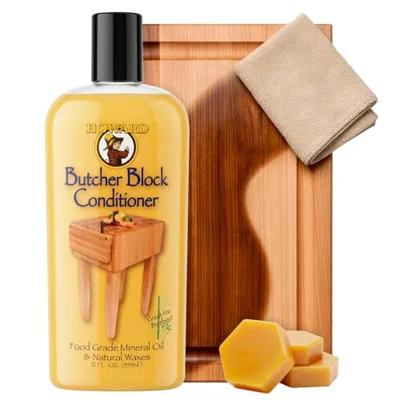
Howard Products Butcher Block Conditioner (Food Grade Mineral Oil + Beeswax)
A pre-blended food-grade mineral oil and beeswax conditioner — skips the double-boiler DIY step and never goes rancid.
- Best for: parents who want a ready-made, no-mix finish
- Why we picked it: food-grade mineral oil base stays stable and won’t spoil like coconut oil can
- Main drawback: needs reapplication every few months with frequent play
Or build your own DIY finish
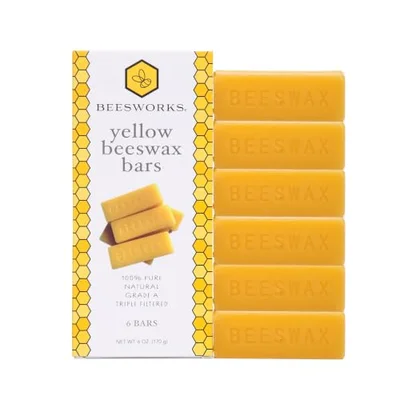 Option 1 Beesworks 100% Pure Beeswax Bars
|
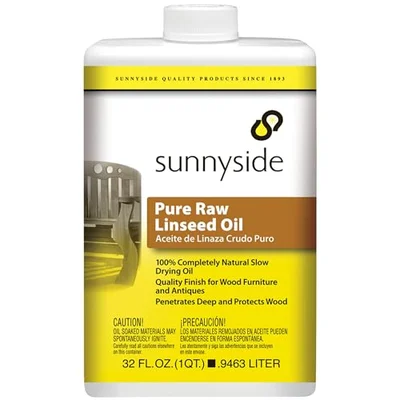 Option 2 Sunnyside Pure RAW Linseed Oil
|
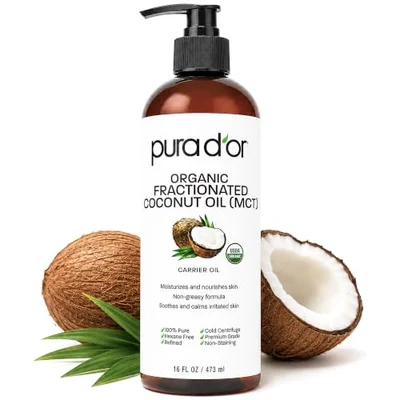 Option 3 PURA D’OR Fractionated Coconut Oil (MCT)
|
As an Amazon Associate we earn from qualifying purchases.
Sealing wooden baby toys is crucial for safety and durability. Non-toxic finishes protect the wood and keep it safe for children. Sealed toys resist moisture and dirt, making them easier to clean. This helps maintain their appearance and extends their lifespan.
Parents can have peace of mind knowing their child’s toys are safe. Sealing also enhances the natural beauty of the wood. Finished toys look more vibrant and appealing. This adds value and makes them more enjoyable for kids to play with.
| Benefit | Description |
|---|---|
| Safety | Non-toxic finishes ensure toys are safe for children. |
| Durability | Sealed toys last longer and resist wear and tear. |
| Easy Cleaning | Sealed surfaces repel dirt and moisture. |
| Aesthetic Appeal | Sealing enhances the wood’s natural beauty. |
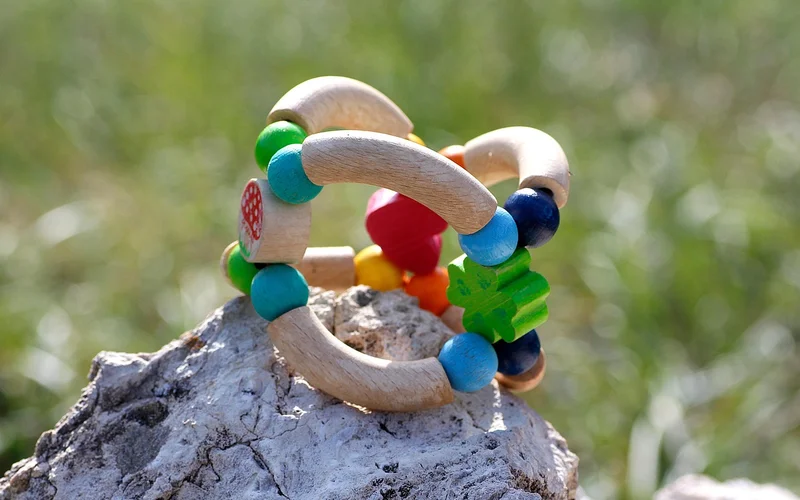
Types Of Wood Used In Baby Toys
Wooden baby toys often use different types of wood. Each type has its own benefits and drawbacks.
| Type of Wood | Pros | Cons |
|---|---|---|
| Maple | Durable and strong | Can be expensive |
| Birch | Lightweight and smooth | Less durable than maple |
| Pine | Affordable and easy to find | Soft and may dent easily |
| Beech | Very sturdy and resistant | Can be heavy for small hands |
Choosing the right wood is important for safety and play. Always consider the pros and cons before buying wooden toys.
Choosing Non-toxic Sealants
Choosing the right sealant for wooden baby toys is very important. Safe sealants should be non-toxic, water-based, and food-safe. Always check for certifications like ASTM or EN71. This ensures the product meets safety standards.
| Sealant Name | Features |
|---|---|
| Beeswax | Natural, food-safe, and easy to apply with a cloth. |
| Raw Linseed Oil | Food-safe once fully cured (allow several days). Never use boiled linseed oil — it contains metallic drying agents that are not food-safe and should not touch anything a child mouths. |
| Shellac (dewaxed, food-grade) | Used commercially as a food glaze; safe once the alcohol solvent fully evaporates. Check the label for a food-grade/dewaxed flake source. |
| Pure Tung Oil (100%) | Traditional non-toxic finish once fully cured. Avoid “tung oil finish” blends, which often contain solvents and metallic driers not meant for toys. |
Why Regular Coconut Oil Isn’t Recommended For Wooden Toys
Regular (unrefined or refined but non-fractionated) coconut oil is solid at room temperature and, unlike mineral oil, it is a real food product that goes rancid over time when applied to wood and food-contact surfaces — the same reason cutting board manufacturers warn against using it on butcher blocks. On a toy that gets handled and mouthed for months, a rancid finish is both unpleasant and unsanitary. Fractionated (MCT) coconut oil has the fatty acids that spoil removed during processing, stays liquid, and does not go rancid the same way — making it a safe substitute where a coconut-oil finish is preferred.
Data point: Cutting-board and butcher-block care guides (e.g., Virginia Boys Kitchens) consistently flag regular coconut oil as unsuitable for long-term wood care because it spoils, while food-grade mineral oil and fractionated coconut oil do not — the same logic applies to a wooden toy a baby handles daily.
Preparing Wooden Toys For Sealing
Start by thoroughly cleaning the wooden toys. Use a damp cloth to remove dust and dirt. Make sure to dry the toys completely.
Next, sand the surfaces of the toys. Use fine-grit sandpaper for a smooth finish. Focus on edges and corners where rough spots may be present.
After sanding, inspect the toys for splinters and cracks. If you find any, gently sand the areas again. This will ensure the toys are safe for use.
Check all surfaces carefully. Pay attention to hidden areas that might need extra care. A well-prepared toy is key to a successful sealing process.
Application Techniques For Sealants
Choosing between brushing and spraying for sealant application affects the finish. Brushing allows for better control, especially on small areas. It gives a thicker coat, which can be great for protection.
On the other hand, spraying covers large areas quickly. It gives a smooth finish and works well on complex shapes. Be careful not to overspray, as it can lead to uneven coverage.
To ensure even coverage, start from one end and move steadily. Keep the brush or sprayer at a consistent angle. Apply thin layers rather than one thick coat. Allow each layer to dry completely before adding another.
Drying And Curing Process
For the best results, keep wooden toys in a warm, dry place. Ideal humidity is around 40-60%. Avoid direct sunlight, as it can cause warping. A well-ventilated area helps the drying process.
To tell if the toy is fully cured, check for firmness. The surface should feel smooth and dry. Press gently; it should not feel sticky. You can also check for any foul odors that indicate moisture. If it smells fresh, it’s likely cured.
Safety Checks Post-sealing
After sealing wooden baby toys, safety checks are essential. Inspect the surface for any signs of chipping or wear. Use a damp cloth to wipe the toys. Check for any rough edges that may pose a risk. If you find any damage, it is time to reapply the sealant.
Reapplication depends on usage. For toys that see frequent play, check every few months. For less used toys, an annual check may be enough. Always ensure toys are safe for children. Regular checks keep the toys in good condition and safe to use.
Maintenance And Care Of Sealed Toys
Clean wooden baby toys with a soft, damp cloth. Avoid soaking them in water. Use mild soap if needed, and rinse well. Always dry toys immediately to prevent damage.
Store toys in a cool, dry place. Keep them away from direct sunlight. Use a breathable bag or box to protect them. Avoid plastic containers that trap moisture.
| Tip | Description |
|---|---|
| Regular Cleaning | Wipe toys after each use to keep them clean. |
| Inspect Regularly | Check for any damage or wear and tear. |
| Avoid Excess Water | Do not submerge toys; water can warp wood. |
| Safe Storage | Store in a dry area to prevent mold growth. |
DIY Natural Sealant Recipes
Making a homemade beeswax and oil finish is easy and fun. Start with 1 part beeswax and 4 parts oil. Use food-grade mineral oil or fractionated (MCT) coconut oil — both stay liquid and won’t turn rancid. Regular, unrefined coconut oil should be avoided on toys that get repeated handling and mouthing, since it can go rancid on wood over time. Melt the beeswax in a double boiler. Once melted, mix in the oil. Stir until well combined. Let it cool and store in a jar.
To create wood butter, use 1 part beeswax and 3 parts oil. This mixture nourishes the wood. Apply it with a soft cloth. Rub it in and let it soak. Wipe off any excess after a few hours. It makes the toys safe and beautiful!
Conclusion: Ensuring Longevity And Safety
Sealing wooden baby toys helps keep them safe and lasting. Follow these key steps:
- Choose a safe finish: Use non-toxic sealants designed for toys.
- Clean the surface: Remove dust and dirt before applying any finish.
- Apply the sealant: Use a brush or cloth to cover all areas.
- Let it dry: Allow sufficient time for the finish to set properly.
Proper finishing supports safe play. It protects against moisture and wear. Regular checks ensure toys remain in good condition. Always prioritize safety for your little ones.
Frequently Asked Questions
How Do I Seal Wooden Baby Toys Safely?
To seal wooden baby toys safely, use non-toxic finishes. Look for options like beeswax or food-grade mineral oil. These finishes protect the wood and are safe for babies. Always ensure the finish is fully cured before giving the toy to a child.
Regular maintenance helps keep toys in good condition.
What Is The Best Finish For Wooden Toys?
The best finishes for wooden toys include beeswax, food-grade mineral oil, fractionated (MCT) coconut oil, and pure (100%) tung oil once fully cured. Avoid regular unrefined coconut oil, which can turn rancid on wood, and avoid boiled linseed oil, which contains metallic driers. Avoid synthetic or toxic finishes, as they can be harmful.
Always test on a small area first.
Can I Use Paint On Wooden Baby Toys?
Using paint on wooden baby toys is possible, but caution is essential. Opt for non-toxic, water-based paints that are specifically labeled as safe for children. Ensure the paint is fully dry and cured before use. Remember to apply a sealant afterward for added protection and durability.
How Often Should I Reapply The Sealant?
Reapply the sealant on wooden baby toys every 6-12 months. Factors like usage, wear, and exposure to moisture can affect this timeline. Regular inspections help determine if a fresh coat is needed. Maintaining the sealant ensures the toys remain safe and durable for your child’s play.
Conclusion
Sealing wooden baby toys is essential for safety and longevity. A good seal protects the wood and enhances its appearance. Choose non-toxic finishes for peace of mind. Regular maintenance ensures your toys stay vibrant and safe for play. With the right care, these cherished items can last for years to come.
Sponsored / affiliate links. As an Amazon Associate I earn from qualifying purchases. I may earn additional commission from eligible campaigns.
 Virginia Boys Kitchens Coconut Cutting Board Oil - NO Mineral Oil - Food Safe Wood Seasoning for Kitchen Countertops, Cutting Boards, and Butcher Blocks - Made in USA
 Materialix Food Grade Mineral Oil – 8.45 fl oz | Cutting Board, Butcher Block Oil & Wood Conditioner for Bamboo, Knives, Stainless Steel & More