Can You Glue Hardwood to Plywood? When It Works Best
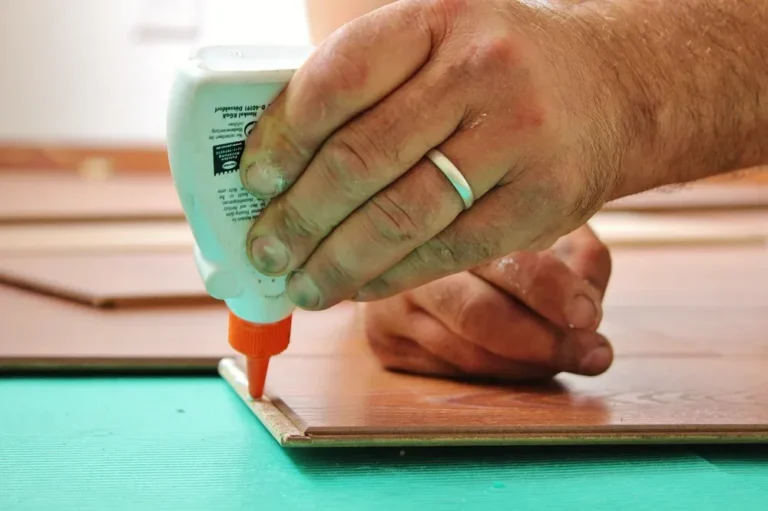
Yes—hardwood can be glued to plywood when the joint gives the glue long-grain or broad face contact; edge-butt end grain needs help, and anything carrying load should get reinforcement or epoxy once the glue line is mostly end grain or under strong peel stress. Bad joint geometry lets trim pop off, face frames creep, and shop-built parts fail right at the glue line. This guide shows which hardwood-to-plywood joints hold, which ones fail, and the point where glue alone stops being enough.
Can you glue hardwood to plywood?

Yes, in the right joint shapes. Hardwood glued to a plywood face can hold well. Hardwood glued to a plywood edge can also hold if the strip has broad contact and the edge is sound. The bond fails most often when the joint is narrow, the edge is weak, or the load tries to peel the strip away.
When a glued bond is a good choice
Flat, clean face-to-face contact is the easiest win. Face frames on cabinet sides, applied hardwood edging on a plywood shelf, and trim strips on a panel face usually give the glue enough area to work with. A tight fit matters more than the label on the bottle.
Glue also works when the hardwood is thin enough that seasonal movement stays small. A wide solid hardwood strip glued across a plywood face is a different story; the strip moves across grain while the panel is restrained. That can send stress into the glue line over time.
When the joint shape makes glue alone a bad bet
Glue alone is a poor choice when the joint behaves like an edge butt joint, a narrow end-grain contact, or a peel-loaded strip. Those joints do not give the adhesive much long-grain area to bite into. They also fail fast if the parts are out of plane or the edge is ragged.
Once the hardwood piece is carrying impact, stress, or repeated opening and closing, add reinforcement. A glued-on hardwood nosing at a counter edge is a different case from a decorative trim strip on a cabinet side.
According to Why Plywood Splits When You Dowel Into It — cheap plywood face veneers can be as thin as 1/32".
Why plywood edges behave differently from solid wood
Plywood is a stack of thin wood veneers glued together with alternating grain directions. That construction makes the sheet stable, but the edge is not the same as solid wood. The edge exposes multiple alternating layers, typically three to seven, so the glue line often meets layered grain and glue lines instead of continuous long grain.
Alternating veneer layers and weak planes
At the edge, plywood behaves a lot like end grain. Glue can soak in unevenly, and the bond line may cross more than one glue plane. The edge also presents thin layers that can split or tear before the adhesive itself lets go. Cheap plywood face veneers can be as thin as 1/32″, which leaves less material to resist splitting forces.
Better cabinet-grade plywood uses face veneers of 1/16″ or thicker. That extra thickness helps near the face, where thin veneers are particularly vulnerable because they are often thinner than core layers.
Why face veneer and core quality change the outcome
The core matters too. A clean, dense core gives the edge more support when clamps pull the hardwood tight. A soft, void-prone core can crush or crumble, which weakens the bond line even if the glue is strong. Better plywood grades usually do better, but they do not turn a weak edge into solid lumber.
Interior grade plywood uses phenolic or urea-formaldehyde adhesives, while marine-grade plywood uses waterproof phenolic glue. Those glue systems help the sheet survive service, but they do not erase the basic edge weakness at a fresh cut.
Which hardwood-to-plywood joints hold, and which fail?
Face-gluing and broad edge-banding joints usually hold best. Narrow frame-to-panel joints are less forgiving. Joints that depend on a thin line of glue near a plywood edge are the ones most likely to split, delaminate, or end up glue-starved.
Face-to-face bonds
Hardwood glued to the face of plywood is often the safest case. The glue line sits on a broad, stable surface, and the plywood face veneer gives the adhesive a better grip than the raw edge does. Trim strips, face frames, and applied bands belong here.
Edge-banding and applied strips
Edge-banding can work well when the strip is wide enough to give real glue area and the edge is clean. Thin hardwood edge strips on shelving and cabinet parts are common examples. The risk rises when the strip is narrow, the plywood is cheap, or the edge has been sanded ragged and fuzzy.
Frame-to-panel joints and narrow contact areas
Frame parts glued to a plywood edge or face need more care. A narrow stile glued to a thin panel edge is asking the adhesive to resist peel, not just shear. That is where glue choice, clamp pressure, and edge quality start to matter much more than the species of hardwood.
Joints that need reinforcement instead of glue alone
Use reinforcement when the hardwood strip is structural, the edge is brittle, or the joint can be levered open in service. Biscuits help with alignment, but they do not add much edge strength. Dowels and screws add holding power, yet they can also split the plywood if placed too close to the edge or face.
What kind of wood glue works best on hardwood to plywood?
PVA wood glue is often a good first choice for tight-fitting joints. Polyurethane glue can help when the fit is slightly irregular. Epoxy is the better answer for damaged, weak, or uneven plywood edges. None of them can rescue poor geometry or a joint that has almost no real contact area.
PVA wood glue on tight-fitting joints
PVA wood glue is the common woodworking adhesive, and it works best when the parts close tightly under pressure. It is not a gap filler. On a well-made hardwood-to-plywood joint with broad contact, PVA usually gives the cleanest, most predictable bond.
Polyurethane glue for minor irregularities
Polyurethane glue can foam as it cures. That expansion can fill minor irregularities, but it can also push parts out of alignment and leave messy squeeze-out. It is useful when the fit is close but not perfect. It is not a cure for a weak plywood edge or a badly cut strip.
Epoxy for weak, damaged, or uneven edges
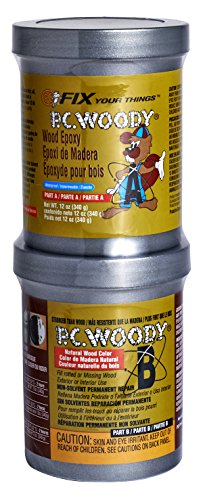
Epoxy can fill gaps better than PVA or polyurethane, though it usually costs more. It is a better call when the plywood edge is chipped, crushed, or uneven, or when the bond line has to bridge damaged fibers. It still needs sane joint geometry. Epoxy is not magic.
Why glue type cannot fix bad geometry
If the joint is mostly end grain, the edge is thin and fragile, or the glue line will be loaded in peel, the adhesive choice becomes secondary. You can pick the best glue and still lose the joint if the shape gives it no chance.
Do you need clamps, and how much pressure is enough?
Yes. Clamps are needed to close the joint, keep the parts aligned, and hold contact while the glue cures. Enough pressure means the parts come together fully without crushing the edge or squeezing out so much adhesive that the joint turns glue-starved.
Clamp pressure that closes the joint without starving it
Good clamp pressure brings the parts into firm contact and produces a small, even bead of squeeze-out. Heavy pressure is not better if it bows the strip or drives all the adhesive out of the line. A starved joint can look neat and fail early.
Keeping parts aligned while the glue sets
Thin hardwood trim loves to slide on a wet glue line. Use clamps that hold alignment, not just pressure. Cauls, stop blocks, or a dry fit setup help keep the strip from creeping while the bond sets.
What squeeze-out tells you about fit
A small amount of squeeze-out is often a good sign. None usually means the fit may be too dry or too loose. A heavy flood of squeeze-out often means too much glue or too much pressure. The goal is a continuous bond line, not a mess on the bench.
When should you use dowels, screws, biscuits, or no fasteners at all?
Use fasteners when the joint needs alignment help or extra resistance to peel, but treat plywood edges carefully. Dowels and screws can strengthen a good setup, yet they can also split plywood, open veneer layers, or make a weak edge worse. Glue alone is enough only when the joint is broad, tight, and lightly loaded.
Dowel hole size and edge distance in plywood
Dowel joints in plywood edge work best when the hole stays well away from the edge and face veneer. Drilling into the edge of plywood means drilling into the end grain of multiple thin layers, and the bit crosses glue lines with different cutting behavior. No bit geometry completely solves that cross-grain cutting problem.
Why dowels can split edges or cause delamination
Thin veneers have less material to resist splitting forces. A dowel hole that is too near the face or edge can start a split, and that split can run along a veneer layer. In cheap plywood, the risk is higher because the face veneers are thinner and the core quality is often worse.
Where screws help and where they make things worse
Screws help when they pull a hardwood strip tight against a plywood face and the screw path stays well supported. They make things worse when they crowd the edge, force a split, or crush a weak face veneer. Pilot holes and sane spacing matter more than brute force.
When glue alone is enough
Glue alone may be enough when the joint is broad, the fit is tight, the clamps keep alignment, and the load is mostly shear. That describes many face-frame, edge-banding, and trim jobs. It does not describe a weak edge joint that will be pried on or hit hard.
Decision table: joint type, plywood grade, edge distance, and reinforcement
Use this table before cutting the final parts. It separates the joints that usually hold from the ones that need reinforcement or a different adhesive. When in doubt, test the same plywood and hardwood offcut first.
| Joint type | Plywood grade / veneer thickness | Edge distance | Reinforcement method | Go / no-go | Likely failure mode |
|---|---|---|---|---|---|
| Hardwood strip on plywood face | Cabinet-grade, face veneer 1/16″ or thicker | Well away from the edge | Glue only, with clamps | Go | Glue-starved joint if over-clamped |
| Hardwood strip on plywood face | Cheap sheet, face veneer as thin as 1/32″ | Near the face edge | Glue plus careful clamping; test first | Caution | Split or face-veneer tear-out |
| Applied hardwood edge-banding | Cabinet-grade plywood | Full edge contact, no voids | PVA for tight fit, epoxy for damaged edge | Go | Delamination or glue-starved joint |
| Narrow hardwood strip on raw plywood edge | Cheap sheet, thin face veneer | Very near edge | Epoxy if edge is chipped; otherwise avoid | No-go unless repaired | Split or delamination |
| Face frame rail to plywood panel edge | Cabinet-grade or better | Set back from exposed edge | Glue plus pins, biscuits, or brads for alignment | Go with reinforcement | Glue-starved joint or creep |
| Dowel-reinforced hardwood-to-plywood edge joint | Any grade, but better sheet preferred | Near edge or near face veneer | Use only with generous edge setback and careful drilling | Caution to no-go | Split or delamination |
| Screw-fastened hardwood strip to plywood | Cabinet-grade plywood | Well inside the edge | Glue plus pilot holes and controlled drive | Go | Split if screw is too close to edge |
| Structural strip carrying peel or stress | Any grade | Any | Epoxy plus mechanical reinforcement | No-go for glue only | Peel failure or glue-starved joint |
Frequently asked questions
Can you glue hardwood to plywood directly?
Yes, if the joint gives you broad, tight contact and the load stays mostly in shear. Hardwood glued to a plywood face is usually the easiest case. Hardwood glued to a raw plywood edge is less forgiving, especially near thin veneers, weak cores, or a face that can split.
Do you need clamps when gluing hardwood to plywood?
Yes. Clamps close the joint, keep the parts aligned, and hold pressure while the adhesive cures. The goal is firm contact without crushing the edge or starving the line of glue. A small, even squeeze-out bead is better than a dry-looking joint or a flooded mess.
When does hardwood-to-plywood glue fail or split the plywood?
Failure shows up when the bond is loaded in peel, the edge is too thin, the glue line is starved, or dowels and screws are placed too close to the edge. Cheap plywood with thin face veneers is more likely to split, and delamination is more likely when the edge is already damaged.
Is plywood edge grain strong enough for a glued hardwood joint?
Sometimes, but not by itself in every case. Plywood edges expose alternating layers, typically three to seven, and those layers behave more like end grain than solid long grain. A glued hardwood strip can hold there, but the edge needs to be sound, the fit tight, and the load modest.
How close can a dowel or fastener be to a plywood edge before it splits?
Close enough to look neat is often too close in plywood. Thin veneers have little resistance to splitting, and drilling across glue lines is unpredictable. Keep fasteners back from the edge, avoid crowding the face veneer, and treat any near-edge dowel hole as a split risk until proven otherwise on scrap.
Does plywood type or veneer thickness change whether the joint will hold?
Yes. Cabinet-grade plywood with face veneers of 1/16″ or thicker usually gives a better bonding and drilling surface than cheap sheet goods with veneers as thin as 1/32″. Better cores and thicker faces reduce split risk, but they do not make a weak edge behave like solid hardwood.
Sponsored / affiliate links. As an Amazon Associate I earn from qualifying purchases. I may earn additional commission from eligible campaigns.