Titebond III Ultimate Wood Glue Review: Is It Worth It?
Titebond III is worth buying when glue-ups need water resistance, longer open time, or occasional wash-down cleanup; for dry indoor furniture, a standard PVA is usually the smarter buy. Skip it and you risk paying extra for performance you never use, plus messier habits if you expect the glue to fix poor clamping or bad joinery. This review covers furniture, outdoor projects, repairs, cleanup behavior, clamp time, and when a cheaper PVA makes more sense.
Verdict



Based on the spec sheet, owner feedback, and range experience from similar PVAs, Titebond III is a workflow-first glue, not a sales pitch about raw strength. The higher price is easiest to justify on chairs, outdoor furniture, cutting boards, and repairs where moisture exposure or slower assembly matters. For cabinet carcasses, shop jigs, and most dry indoor joints, Titebond Original or Titebond II Premium is often the better value.
Pros and cons
- Pros: bonds structural joints with confidence; water cleanup while still wet; sands cleanly after cure; useful 30-minute clamp time; better fit for outdoor and moisture-prone work.
- Cons: higher price than standard white glue; nozzle clogging risk if the cap is neglected; longer workflow than faster-setting alternatives; often overkill for dry indoor furniture.
According to TITEBOND lepidla na dřevo – Různé druhy a objemy — The retailer classifies Titebond III Ultimate as D4.
Specs at a glance
| Item | Titebond III Ultimate Wood Glue | Workflow meaning |
|---|---|---|
| Clamp time | 30-minute clamp time | Gives more assembly breathing room, but slows turnover |
| Cleanup | Cleans up with water while it is still wet | Fast wipe-down matters before squeeze-out skins over |
| Water resistance | D4 classification listed by retailer | Best suited to wet-area and outdoor use cases |
| Bond character | Strong initial tack and adhesion | Helps parts stay put during clamp-up |
| Sanding | Sandable and does not clog sanding media | Finish prep is easier after cure |
| Price position | Higher than standard white glues | Worth paying only when the extra performance gets used |
| Failure mode | Nozzle can clog if not cleaned promptly | Cap discipline matters more than with cheaper glues |
Who it is for
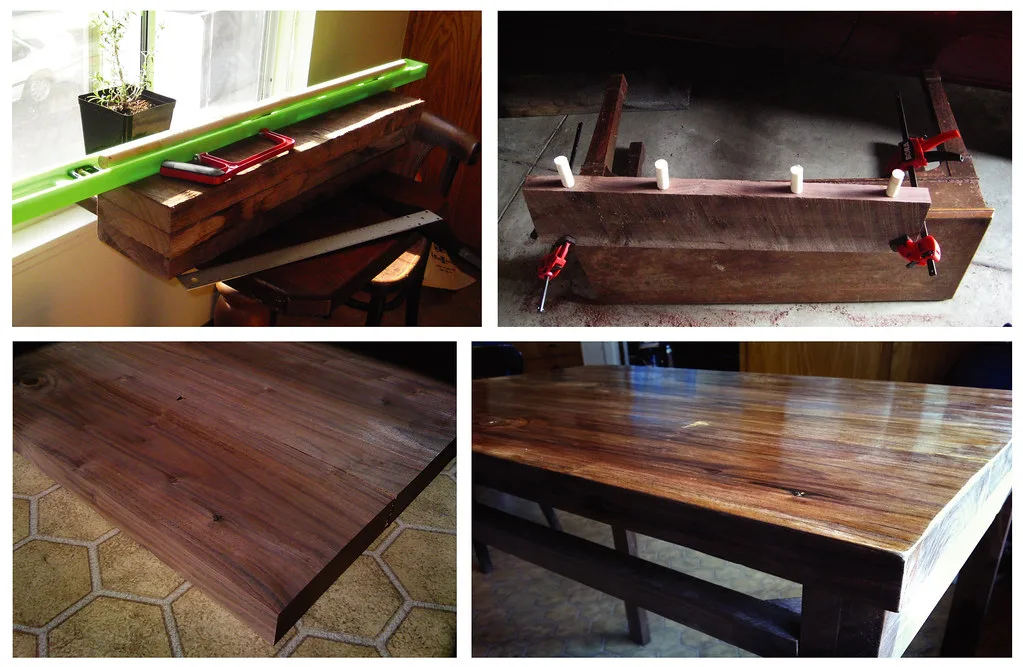
Titebond III is best for woodworkers who need a water-resistant glue and can live with a slower assembly rhythm. It suits furniture builders, outdoor project builders, and repair work where clamp time, moisture exposure, or cleanup flexibility matters more than the absolute lowest cost per bottle.
It is less attractive for dry indoor cases where Titebond Original already gives a strong initial tack and quicker handling. It also makes less sense when the joint design is weak, because a better glue does not rescue poor fit or bad clamping pressure.
Pros and cons in use
- Best at: outdoor furniture, cutting boards, butcher-block style work, chairs, and repairs that may see splash or steam.
- Less ideal for: quick cabinet work, low-stress indoor joints, and production jobs where every extra minute of clamp time costs money.
What works
Titebond III works well as a structural PVA with real moisture resistance. It is often praised for strong bond strength, and that matters because a glue line should support the joint without becoming the weak link. The retailer also lists it as water-cleanable, strong in initial tack, and sandable without clogging sanding media.
Strong bond for structural joints
For furniture and repair work, the value is in repeatable behavior. Titebond III gives enough initial grab to keep parts from skating around, and its bond is described as strong enough that it often outlasts the wood itself. That is the right failure point for a wood joint.
Water cleanup while still wet
Water cleanup is the most practical reason many shops keep it on the bench. Squeeze-out is easy to manage if wiped promptly. Wait too long, and any PVA gets annoying. This one is no exception, so the workflow still depends on cleanup discipline.
Smooth sanding after cure
After cure, the glue is described as sandable and as not clogging sanding media. That matters on tabletops, chair parts, and face frames where even a small smear can telegraph through a finish. Better sanding behavior saves time at prep, and it reduces the chance of glossy glue spots under stain.
Useful clamp window
The 30-minute clamp time gives breathing room on larger assemblies. That helps when you are spreading glue over multiple parts, checking square, and tightening clamps in stages. It is slower than fast-tack glues, but the extra open working window can prevent rushed mistakes.
What does not
The main drawback is that Titebond III is easy to overbuy. Many indoor furniture jobs do not need its moisture resistance, so the extra cost becomes dead weight. It also asks for better bottle care than some users expect, because the nozzle can clog if it is not cleaned promptly.
Nozzle clogging and storage habits
Nozzle clogging is not a rare theory; it is a normal failure mode when the cap and tip are neglected. That means a quick wipe after use, a clean rim, and reasonable storage. If a shop already struggles with glue bottle maintenance, this formula will punish that habit sooner than basic white glue.
Clamp time versus workflow speed
Thirty minutes in the clamps is manageable for furniture, but it slows down batch work. If the goal is to assemble many small indoor parts quickly, Titebond Original often feels better because it has the stronger initial tack and faster setup behavior that many bench workflows reward.
Higher price than standard white glue
Honestro describes Titebond III as priced higher than standard white glues. That is fair, and it changes the buying decision. If the joint lives indoors, stays dry, and never needs wash-down cleanup, a cheaper PVA usually does the same job with less waste.
Project-fit decision table: where Titebond III is worth it
This table is the practical filter. If moisture exposure is real, if clamp time is not a problem, and if cleanup discipline is part of the routine, Titebond III earns its place. If the project is dry, fast, and low-risk, it is often overkill.
| Project | Moisture exposure | Clamp time tolerance | Sanding risk | Cleanup difficulty | Titebond III? |
|---|---|---|---|---|---|
| Indoor bookcase | Low | Low tolerance for slower workflow | Moderate | Low | Overkill; Titebond Original is usually smarter |
| Dining chair | Low to moderate | Moderate | Moderate | Moderate | Worth it if the chair may see spills or seasonal humidity swings |
| Outdoor bench | High | Moderate to high | Moderate | Moderate | Necessary enough to justify the price |
| Cutting board | Frequent wash exposure | Moderate | High if squeeze-out is missed | High | Strong choice, especially if cleanup is disciplined |
| Veneer work | Low | Low | High | High | Often overkill; a better specialty adhesive may fit better |
| Shop jig | Low | Low | Low | Low | Usually overkill unless the jig lives in a wet area |
| Bathroom repair | Moderate to high | Moderate | Moderate | Moderate | Good fit if the wood is sound |
How does it compare with other glues?
Titebond III sits above standard PVAs when moisture resistance matters, but it is not automatically the best choice for every job. Compared with Titebond II Premium, Titebond III buys more water resistance and a more cautious fit for wetter environments. Compared with Titebond Original, it gives more working time and better moisture confidence, but at the cost of speed and price.
Titebond II Premium versus Titebond III
Titebond II Premium is the lower-cost comparison point for exterior work. The retailer lists it as D3 and water-resistant, which is enough for many outdoor wooden structures and furniture jobs. If the project sees weather but not hard wet abuse, Titebond II Premium can be the sensible middle ground.
Titebond Original versus Titebond III
Titebond Original is the benchmark standard for wood gluing, and it still earns that reputation because it has a strong initial tack and faster clamp/setup behavior. For dry indoor work, that often makes it the better shop glue. Titebond III wins only when moisture resistance or longer working time matters more than speed.
Liquid hide glue as a repair and creep-resistant option
Liquid hide glue has a place in traditional joinery and repair work, especially where creep resistance matters. It is not the general-purpose answer for outdoor projects, but it can be the right call for period furniture, reversible repairs, and situations where compatibility with older work matters more than water resistance.
Where polyurethane or epoxy make more sense
Polyurethane or epoxy make more sense when gaps are larger, surfaces are less than perfect, or the joint needs a different kind of moisture and chemical resistance. Those products are slower or messier to manage, but they belong in the conversation when PVA is being asked to do a job it was never meant to do.
Is Titebond III worth the higher price?
Titebond III is worth the higher price when the glue line will actually face moisture, repeated wipe-downs, or a more relaxed assembly pace. It is not worth paying for on every bench job. For a dry cabinet or bookshelf, the premium usually buys insurance you will never cash in.
The best way to think about cost is per assembly, not per bottle. If one bottle covers a few outdoor chairs or a cutting board that will be washed repeatedly, the premium is easy to defend. If it only bonds dry shop fixtures, the cheaper glue wins on value.
Should you buy it
Buy Titebond III if you build furniture that may see spills, outdoor pieces, cutting boards, or repairs where water resistance matters and clamp timing needs a little slack. Skip it if most of your work is dry indoor joinery and you already use Titebond Original or Titebond II Premium well.
It is a strong glue, but the real decision is workflow fit. If the slower clamp time, nozzle care, and higher price match the job, it is a smart buy. If not, a simpler PVA is the better shop decision.
Frequently asked questions
titebond iii ultimate wood glue vs gorilla wood glue user reviews
User reviews usually split along workflow, not just strength. Titebond III tends to win on proven PVA behavior, water cleanup, and sanding. Gorilla wood glue often gets attention for waterproof positioning and a shorter working window. If clamp speed matters, Gorilla may suit some users better; if sanding and cleanup matter, Titebond III often feels easier.
How strong is Titebond III compared with other wood glues?
Titebond III is widely treated as a top-tier wood glue, and the bond is often described as strong enough that it can outlast the wood itself. Compared with standard white glues, it offers stronger moisture confidence. Compared with epoxies, it is less gap-filling but far friendlier for normal furniture joinery.
Is Titebond III really waterproof for outdoor projects?
It is best treated as water-resistant, not as a cure-all for bad outdoor design. For outdoor furniture and wet-area repairs, it is a strong choice when joints fit well and finish protection is part of the build. For constantly soaked or poorly protected assemblies, epoxy or other specialty systems may be a better fit.
How long is the clamp time for Titebond III?
Titebond III offers a 30-minute clamp time. That is a practical middle ground: long enough to assemble carefully, short enough for normal shop work. It is slower than some fast-setting alternatives, so batch production and small parts work may feel less efficient than with Titebond Original.
Does Titebond III sand cleanly after drying?
Yes. The retailer says it is sandable and does not clog sanding media, which is the part that matters in finish prep. That does not mean squeeze-out can be ignored. Clean it while wet, because any cured glue line left on the surface will still take time to remove.
What are the main complaints people have about Titebond III?
The main complaints are practical, not dramatic: higher price, nozzle clogging if the cap is neglected, and a clamp time that is slower than some users want. It is also easy to overbuy for dry indoor work, where the extra water resistance does not add much value.
Sponsored / affiliate links. As an Amazon Associate I earn from qualifying purchases. I may earn additional commission from eligible campaigns.