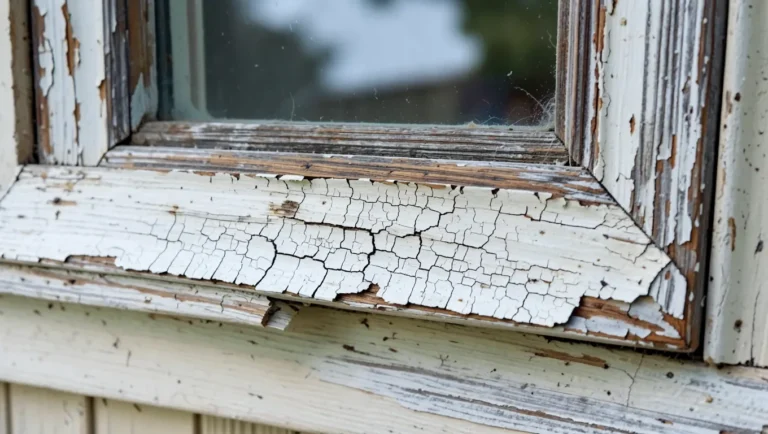
How to Strip Paint from Wood Front Door: Easy Steps
To strip paint from a wood front door, apply a citrus-based gel stripper, scrape it off with a plastic or carbide scraper, then neutralize with mineral spirits before sanding — unless the paint predates 1978, in which case test for lead first.
Skipping the neutralizing step leaves residue that can wreck a new stain or topcoat within weeks. This guide covers stripper selection, safe scraping, neutralizing, sanding, and refinishing for a weather-ready door.
Introduction To Paint Stripping
Best Paint Stripper Pick
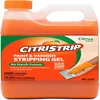
Citristrip Paint & Varnish Stripping Gel – $18.77
A low-fume citrus gel that clings to a vertical door instead of running down the panel — matches this guide’s advice to pick a stripper with low fumes for a door you can’t lay flat.
- Best for: Stripping a door without removing it from its hinges
- Why we picked it: No harsh fumes, strips multiple paint layers in one pass
- Main drawback: Needs a full dwell time before scraping on thick old paint
Compare more paint-stripping options
 Option 1 Sunnyside Ready-Strip Advanced – $46.98
|
 Option 2 Bahco Carbide Scraper – $26.89
|
 Option 3 3M Fine Grit Sandpaper – $4.99
|
As an Amazon Associate we earn from qualifying purchases.
Removing paint from a wood front door can breathe new life into it. This process reveals the beautiful natural grain of the wood. Old paint can make doors look dull and unattractive. Stripping the paint allows for a fresh finish. It can also improve the door’s durability and weather resistance.
Safety is very important during this process. If your home was built before 1978, test the paint for lead with an EPA-recognized test kit before sanding or scraping — dry-sanding lead paint creates hazardous dust; see our lead-safe guide to removing paint from wood for containment steps. Always wear protective gear like gloves and goggles. Ensure the area is well-ventilated to avoid inhaling harmful fumes. Keep all tools and chemicals out of reach of children and pets. Follow instructions on paint strippers carefully for a safe experience.
Materials And Tools Needed
Stripping paint from a wood front door requires specific materials. Gather the following essential supplies:
- Chemical paint stripper: Choose a safe and effective product.
- Scraper: Use a plastic or metal scraper for removal.
- Sandpaper: Fine-grit sandpaper helps smooth the surface.
- Paintbrush: Apply the stripper evenly with a brush.
- Protective gear: Wear gloves, goggles, and a mask for safety.
- Drop cloth: Protect the surrounding area from mess.
Picking the right chemical paint stripper is crucial. Look for a product with low fumes. Ensure it is suitable for wood surfaces. Always read the instructions carefully before use.
Preparing The Work Area
Start by removing furniture and covering the floor with a drop cloth. Use plastic sheets to protect walls and nearby objects. Tape edges to keep everything secure.
Open windows and doors to create good airflow. This helps reduce fumes from paint strippers. Use a fan to improve ventilation if needed. Always wear a mask to protect your lungs from harmful chemicals.
Initial Cleaning
Start by removing any dirt and debris from the door. Use a soft brush or cloth to clean the surface. Pay attention to corners where dirt hides.
Next, wash the door surface with warm soapy water. A mild detergent works best for this. Use a sponge or rag to scrub gently. Rinse with clean water and dry with a towel.
Make sure the door is completely dry before moving to the next step. This ensures the paint remover works effectively.
Applying The Paint Stripper
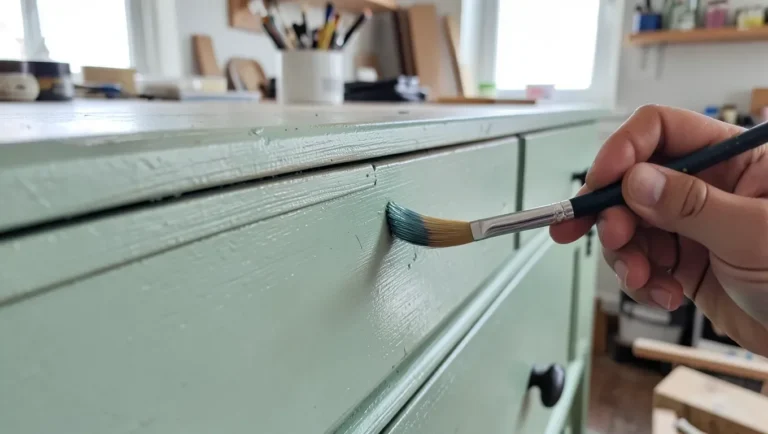
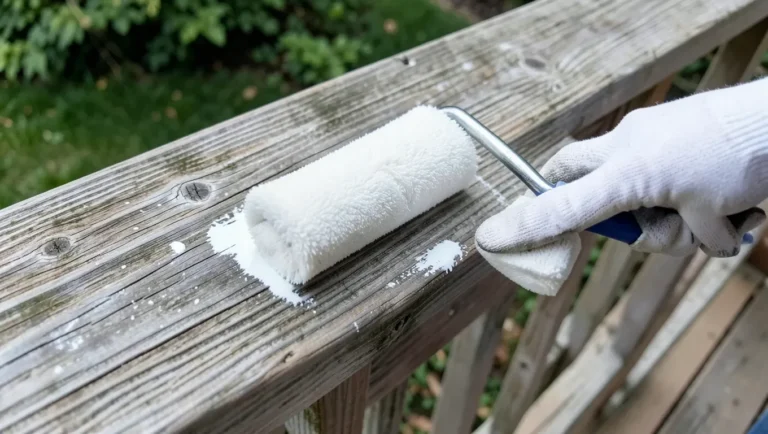
Start by choosing a safe paint stripper. Ensure it is non-toxic and effective. Wear gloves and a mask for protection. Apply the stripper with a brush or roller. Use even strokes for a smooth layer.
Wait for the recommended time as per the product instructions. Check the paint with a scraper. If it peels easily, it’s ready. For stubborn areas, apply more stripper.
After stripping, clean the surface with water or a cleaning solution. Dry the wood completely before any further treatment.
For better results, work in a well-ventilated area. Always follow the manufacturer’s instructions closely. This ensures safety and efficiency during the process.
Removing The Paint
For the best results in removing paint, use a metal scraper. Choose a scraper with a sharp edge. Apply gentle pressure to avoid damaging the wood. Work in small sections for better control.
Stubborn paint patches can be tricky. Try using a heat gun to soften the paint. Hold it a few inches away from the surface. As the paint warms, use the scraper to lift it off.
Another option is using a chemical stripper. Apply it with a brush and let it sit. After a few minutes, scrape off the softened paint. Always wear gloves and a mask for safety.
Working on a different surface instead of a door? Solvents react differently depending on what is underneath — see our guide to removing paint from a wood floor without damaging the finish if that is the job at hand.
Neutralizing The Chemical Stripper
Neutralizing agents are vital after using a chemical stripper. They help stop the stripping process. This ensures the wood is safe for further work. Without neutralizers, damage may occur.
To apply a neutralizer safely, wear gloves and goggles. Make sure to work in a well-ventilated area. Use a clean cloth or brush to apply the neutralizer evenly. Follow the manufacturer’s instructions for the best results.
| Step | Action |
|---|---|
| 1 | Wear gloves and goggles. |
| 2 | Ensure good ventilation. |
| 3 | Apply neutralizer with a cloth or brush. |
| 4 | Follow product instructions. |
Sanding And Finishing
For a smooth finish, start with fine-grit sandpaper. Sand in the direction of the wood grain. This helps remove any bumps or imperfections.
Use a sander for larger areas. A handheld sander works well. For corners, use sandpaper by hand.
After sanding, clean the door. Wipe off dust with a damp cloth. Let it dry completely before applying any finish.
Choosing the right sealant or varnish is important. Look for products that are weather-resistant. They protect wood from moisture and sunlight.
Select a matte, satin, or glossy finish based on your style. Test a small area first. This ensures the finish looks good on your door.
If old stain — not just paint — is still visible after stripping, see our wood stain remover guide for which stripping approach actually pulls stain out of the grain.
Maintenance Tips
To keep your wood door’s beauty, regular cleaning is important. Use a soft cloth and mild soap to wipe the surface. Avoid harsh chemicals that can damage the finish.
Check for scratches or chips. For minor damage, use a matching wood stain or touch-up pen. This helps maintain the door’s appearance.
Consider applying a protective finish every few years. This adds a layer of protection against moisture and sunlight.
Keep the door free from dirt and grime. Regular maintenance extends the life of your wood door.
Frequently Asked Questions
How Can I Safely Strip Paint From Wood?
To safely strip paint from wood, use a chemical paint stripper or heat gun. Always work in a well-ventilated area. Wear gloves and goggles for protection. Follow the product instructions carefully. Test a small area first to ensure the method is effective without damaging the wood.
What Tools Do I Need To Strip Paint?
Essential tools for stripping paint include a paint stripper, scraper, and sandpaper. A wire brush can help remove stubborn paint. Additionally, use protective gear like gloves and goggles. A drop cloth will protect your surroundings. Having these tools ensures an efficient and safe stripping process.
How Long Does Paint Stripping Take?
The time it takes to strip paint varies by method. Chemical strippers typically require 15 to 30 minutes to work. Heat guns can strip paint quickly but may need careful handling. Factors like paint thickness and wood type also influence the duration.
Always monitor the process for best results.
Can I Reuse The Wood After Stripping?
Yes, you can reuse wood after stripping paint. Once stripped, sand the surface to remove any remnants. This prepares the wood for refinishing or painting. Ensure all paint and stripper residues are cleaned off. Properly treated wood can look stunning and last for years.
Conclusion
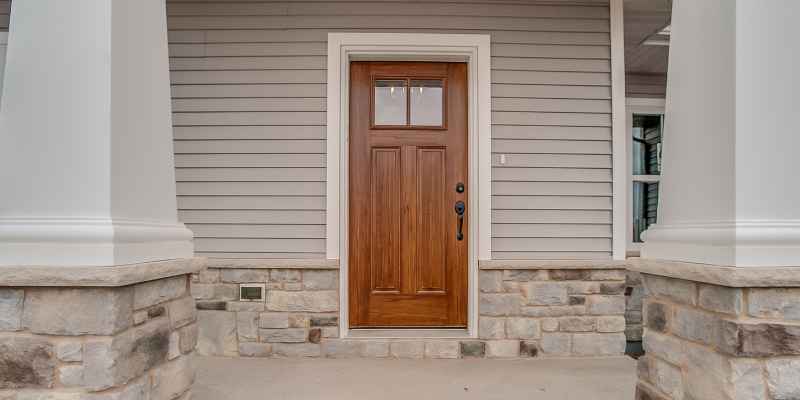
Stripping paint from your wood front door can rejuvenate its appearance. By following the right steps, you ensure a successful project. Remember to use safe materials and techniques. This will protect both your door and the environment. Enjoy your beautifully restored door and the satisfaction of a job well done!
If your front door is metal rather than wood, stripping usually isn’t necessary — painting directly over the existing finish typically works, and the process is different enough that it’s worth its own guide: see how to paint a metal front door without removing it.
Sponsored / affiliate links. As an Amazon Associate I earn from qualifying purchases. I may earn additional commission from eligible campaigns.
 DWIL Water Based Wood Stain - Multiple Finishes, Fast Drying, Indoor and Outdoor Furniture, Wood Paneling, Cabinets and More, Low Odor & Non-Toxic (8.5oz Teak)
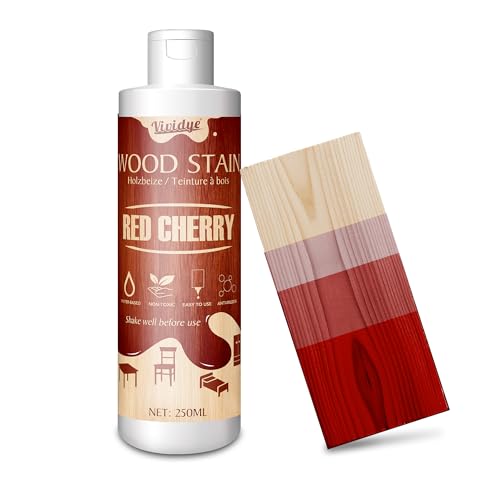 Wood Stain, 8.5oz/250ml Water Based Wood Stain for Indoor and Outdoor Furniture, Cabinet, Door, Trim and More - Fast Drying, Low Odor&Non-Toxic, Easy to Apply, Multiple Finishes (Red Cherry)