How to Thin Varnish: Right Ratio for Oil vs. Water-Based
Thin oil-based varnish only as far as the maker allows: Minwax says do not thin Helmsman Spar Urethane, Interlux asks for a 10% sealer coat, and Epifanes and TotalBoat call for 50% on the first coat. Water-based varnish takes water only. Over-thinning leaves each coat too weak to protect. This guide covers the ratios from real maker sheets, what to thin with, and solvent safety.
Quick Answer
There is no universal ratio. Check the can: some varnishes say do not thin, some allow 5 to 10%, and marine varnishes may call for up to 50% on the first coat only. Thin water-based varnish with water, a little at a time. Never mix mineral spirits into a water-based formula.
Oil-Based Vs Water-Based Varnish: What Thins Each
Best Oil-Based Varnish Thinner Pick
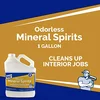 |
KLEAN-STRIP Odorless Mineral Spirits, 1-Gallon, $21.98 A single-ingredient mineral spirits for oil-based varnish, the kind of thinner the maker data sheets below call for when they allow thinning at all.
|
As an Amazon Associate we earn from qualifying purchases.
Oil-based varnishes are durable and water-resistant. They dry slowly and are thinned with mineral spirits or the maker’s own brushing thinner. They suit outdoor and marine projects. Our mineral spirits vs paint thinner comparison explains which solvent is which, and this safety data sheet breakdown of mineral spirits, paint thinner and lacquer thinner shows why the name on the can is a poor guide.
Water-based varnishes dry quickly, have low odor and clean up with soap and water. They are thinned with water only, never mineral spirits, because the two solvent bases do not mix. They suit indoor furniture where fast recoating matters.
Choosing between them depends on the project: a harder, more durable film for high-traffic or outdoor pieces usually means oil-based, while a quick indoor refinish is usually easier with water-based. See our full wood finishing guide if you are still deciding between varnish and other finishes.
Tools And Materials Needed
Gather everything before you start thinning. A clean mixing container, the correct solvent for your varnish type, and a stir stick are the minimum. Use the wood varnish calculator first if you are not sure how much finished (thinned) volume your project needs.
List Of Essential Supplies
- Varnish: oil-based or water-based, matched to your project.
- Thinner: the maker’s named thinner or mineral spirits for oil-based; plain water for water-based.
- Measuring cups: graduated cups make an accurate ratio repeatable.
- Stir sticks: for mixing thoroughly without introducing air bubbles.
- Brushes: a quality natural or synthetic bristle brush suited to the varnish type.
Safety Equipment For Varnishing
- Gloves: solvent-resistant gloves protect your hands from solvent contact.
- Respirator: a respirator rated for organic vapors, not a dust mask, when using mineral spirits.
- Goggles: protect your eyes from splashes.
- Ventilation: open windows or run a fan so vapor does not build up in a closed room.
Preparation For Thinning
Start with a clean workspace and good lighting. Wipe down surfaces to remove dust that could end up in your mixed varnish. Keep your container, thinner and stir stick within reach so you are not searching for supplies mid-mix.
Put on gloves, a respirator and safety glasses before opening the thinner, then open a window or run a fan. Do not shake the varnish can; Interlux and Pettit both say to stir gently, because shaking works air bubbles into the film.
Thinning Techniques
Follow these steps to thin varnish without guessing at the ratio:
- Check the label: Look on the can or data sheet for a thinning instruction. If it says do not thin, stop here and brush it as supplied.
- Measure the varnish: Pour the amount of varnish you need into a clean container first.
- Add thinner gradually: Add the maker’s named thinner a little at a time, up to the percentage on the label, for example 10% for an Interlux sealer coat.
- Stir gently: Stir slowly until uniform. Do not shake, which puts air bubbles in the finish.
- Test on scrap wood: Brush the mixture onto scrap first to confirm flow and consistency before you apply it to your project.
What Maker Data Sheets Say About Thinning Ratios
Most online advice gives one number for every varnish. The maker sheets disagree with each other by a factor of five or more, and one says to skip thinning entirely. Here is what each publishes:
| Varnish | What the maker says | Named thinner |
|---|---|---|
| Minwax Helmsman Spar Urethane | Do not thin; apply thin coats | None |
| Pettit Captain’s Varnish 1015 | Not normally required; 5 to 10% by volume on warm days; up to 20% when spraying | 120 Brushing Thinner; 121 Spraying Thinner |
| Interlux Schooner Varnish | Sealer coat on bare wood reduced 10% | Brushing Liquid 333; Special Thinner 216 for spray |
| TotalBoat Gleam Spar Varnish | Up to 50% on the first coat (Lust variant: 100%) | See the TotalBoat thinning guide |
| Epifanes Clear Varnish | First coat 50%, second 25%, third 15%, then 0 to 5% | Epifanes mineral spirit thinner |
The Epifanes schedule and how it compares with Helmsman on recoat and sanding are laid out in our guide to applying varnish to wood, so we will not repeat that comparison here.
Common mistakes:
- Thinning a varnish whose label says do not thin, which weakens the film.
- Using too much thinner, which reduces film thickness and protection per coat.
- Not stirring gently and long enough, or shaking the can, which leaves an uneven mix and bubbles.
- Skipping the scrap-wood test and finding out on the real project.
- Mixing mineral spirits into a water-based varnish; the two will not combine.
Why Thin The First Coat? The Sealer-Coat Explained
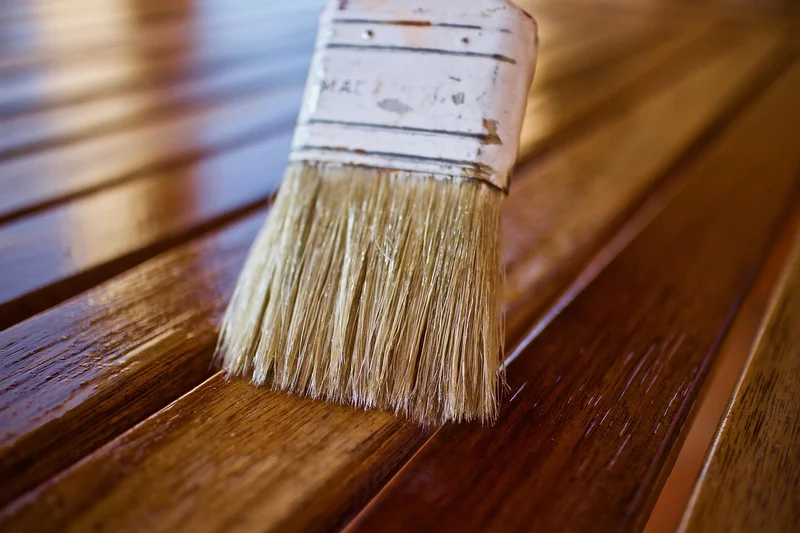
A sealer coat is the first coat of varnish, thinned more than later coats so it soaks into open wood grain rather than building film. It is typically followed by several build coats applied at or near full strength.
📊 The same step, three different answers: Interlux reduces the Schooner sealer coat 10%, TotalBoat thins Gleam up to 50% on the first coat, and its faster Lust variant a full 100%. Source: TotalBoat thinning guide
Not everyone agrees the sealer coat improves bonding. In a Popular Woodworking article on thinning oil and varnish, finishing author Bob Flexner argues there is no need to thin the first coat to get a better bond, because slow-drying oil and varnish have plenty of time to penetrate on their own.
In practice, thinning the first coat will not hurt if your label calls for it, and the 50% figure is a marine-varnish convention rather than a rule. If the label gives a different number or says do not thin, the label wins. Adhesion problems usually come down to surface prep, not thinning ratio.
Solvent Safety When Thinning Varnish
The thinner is usually the most hazardous thing on the bench. A few points that come straight from the labels and data sheets:
- Vapor: the Minwax label for Helmsman says to use it only with adequate ventilation, opening windows and doors for fresh air during application and drying. Solvent vapor builds up fast in a closed room.
- Respirator: published Klean-Strip safety data sheets call for a fitted NIOSH-approved respirator for organic solvent vapors where ventilation is inadequate, and state that a dust mask does not protect against vapors. Our mineral spirits safety data sheet comparison covers flash points and which “paint thinner” cans are actually acetone.
- Rags: the Minwax Helmsman label warns that rags and waste soaked with the product may spontaneously catch fire if improperly discarded, and says to place them in a sealed, water-filled metal container. Do not leave them balled up in a bucket or the trash.
- Leftovers: never pour thinner or thinned varnish down a drain; take it to a household hazardous waste site.
Application Tips For Thinned Varnish
Properly thinned varnish flows out with fewer brush marks and levels before it starts to set. For brush strokes, coat count and surface prep, our guide to applying varnish to wood covers the full process, and if you are finishing a tabletop, see how to finish a table top with polyurethane. This section only covers what changes once your varnish is thinned.
Spray equipment generally needs a lower viscosity to atomize. Pettit allows up to 20% of 121 Spraying Thinner by volume for Captain’s Varnish, and Interlux lists Special Thinner 216 for spraying Schooner, so use the maker’s spray thinner rather than brushing thinner.
Drying And Curing
Cold weather slows drying and high humidity can spoil the gloss, according to the Interlux sheet. Pettit lists an application range of 40 to 90°F and says not to apply on extremely humid days or in the late afternoon outdoors, when dew can settle on the wet film.
For timing, the Pettit sheet gives Captain’s Varnish at 70°F as set to touch in 2 to 4 hours, tack free in 5 to 7 hours and dry hard in 12 to 20 hours. Minwax says to allow 24 hours before normal use after the final coat of Helmsman. Always wait for the recoat window on your own label before sanding or adding another coat.
Troubleshooting Common Issues
Bubbles usually come from shaking the can instead of stirring gently, or from over-brushing. Let the coat dry, sand lightly with fine-grit sandpaper, then reapply in thin layers.
Blistering, wrinkling and sags happen when coats go on too heavy or too fast. Pettit warns that heavy films and building coats too quickly can trap solvent. Let the coat dry completely, sand the area, clean off dust, then apply a thinner, even coat.
Frequently Asked Questions
How do you thin varnish effectively?
Read the can first. Oil-based varnish is thinned with mineral spirits or the maker’s own brushing thinner, only up to the percentage the label allows, and water-based varnish is thinned with water in small amounts. Pour the varnish first, add thinner a little at a time, stir gently without shaking, and test on scrap wood before you brush the real piece.
What is the best thinner for varnish?
Use whatever the maker names. Interlux specifies Brushing Liquid 333 for brushing, Pettit specifies 120 Brushing Thinner, and Epifanes makes its own mineral spirit thinner. If the label names none, odorless mineral spirits is the standard choice for oil-based varnish. Water-based varnish takes water only.
Can you thin varnish with water?
Only water-based varnish. Add water in small amounts and stir until it flows evenly. Oil-based varnish does not mix with water, and mineral spirits does not mix with water-based varnish, so using the wrong one ruins the batch.
How much thinner should I add to varnish?
It depends on the maker. Pettit Captain’s Varnish allows 5 to 10% on warm days, Interlux Schooner calls for a 10% reduced sealer coat on bare wood, and TotalBoat Gleam allows up to 50% on the first coat. Minwax Helmsman Spar Urethane says do not thin. Follow your own label, not a generic percentage.
Do you need to thin the first coat of varnish?
Not always. Epifanes and TotalBoat call for a 50% first coat, Interlux asks for only 10%, and Minwax says do not thin at all. Finishing author Bob Flexner argues that thinning the first coat does not improve bonding and mostly means more coats to build the same film.
Can you thin Minwax Helmsman spar urethane?
No. The Minwax product page for Helmsman Spar Urethane says do not thin. Apply it in thin coats with a quality brush instead, and sand lightly between coats.
What happens if you add too much thinner to varnish?
Each coat leaves a thinner film, so you need more coats to reach the same protection. Pettit also warns against heavy films and building coats too quickly because solvent can get trapped, causing blistering or wrinkling. Add thinner in small increments and test on scrap wood.
Conclusion
Thinning varnish correctly means following the maker, not a generic ratio: no thinning for Helmsman, 5 to 10% for Captain’s on a warm day, a 10% sealer coat for Schooner, up to 50% on the first coat for TotalBoat Gleam and Epifanes, and water only for water-based formulas. Test on scrap wood, ventilate, and handle solvent rags safely.
Sponsored / affiliate links. As an Amazon Associate I earn from qualifying purchases. I may earn additional commission from eligible campaigns.