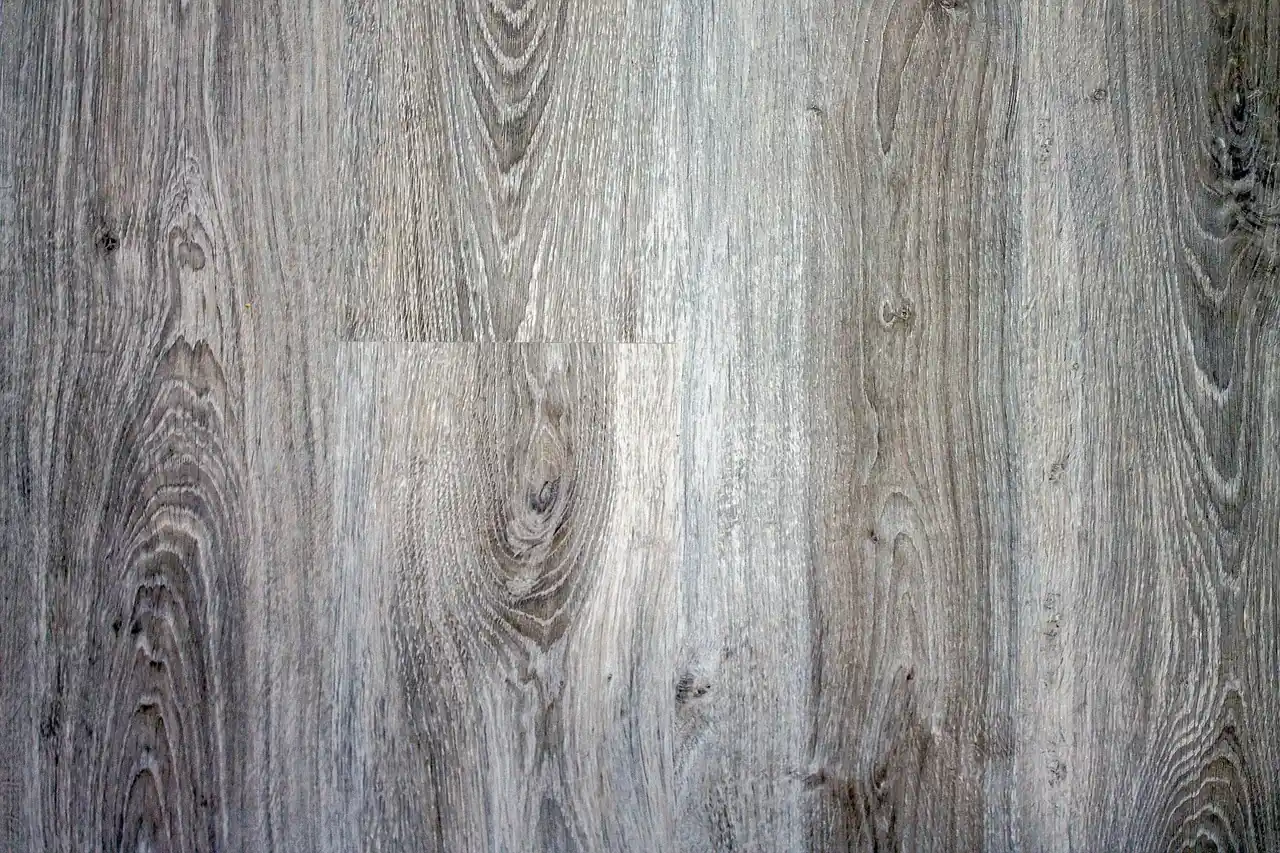
Wood Finish Laminate: What Works and What Ruins It
“Wood finish laminate” usually means one of two things: the built-in surface finish laminate already has, or whether you can add a wood finish on top of it. Those are different questions with different answers. Laminate’s finish is baked in at the factory as a printed layer under a resin wear coat, and standard wood finish — polyurethane, varnish, oil, or wax — will not bond to that wear coat afterward.
Quick answer: A laminate finish is the factory-sealed decorative surface on manufactured laminate — a printed layer under a melamine-resin wear coat, not something you brush on. It comes in matte, satin, gloss, and embossed-woodgrain textures. Standard wood finish (polyurethane, varnish, oil, wax) won’t bond to that wear layer; a dedicated laminate refinisher is the only safe fix.
What Is a Laminate Finish, Exactly?
A laminate finish is a manufactured surface built from layered kraft paper, a printed decorative sheet, and a clear resin wear layer — fused together under heat and pressure, not applied with a brush. The whole stack is the “finish”; there’s no bare wood underneath it to refinish.
High-pressure laminate (HPL) is built from six to eight sheets of kraft paper saturated with phenolic resin, topped with a printed decor sheet and a melamine-resin overlay that forms the wear layer. General-purpose HPL sheet runs roughly 0.048 inch (1.2mm) thick, while thinner postforming grades run closer to 0.028 inch (0.7mm) so they can bend around curved countertop edges. Laminate flooring uses a related process — direct-pressure laminate (DPL) — fused straight onto a high-density fiberboard (HDF) core instead of a separate substrate.
According to Formica’s own product guide to wood-look laminate, the printed decor layer is what actually creates the woodgrain look, and the texture pressed into the surface on top of it is what determines whether that look reads as convincing or obviously printed.
What Types of Laminate Finish Are There?
Laminate finish comes in five common surface textures: matte, satin, high-gloss, textured (embossed-in-register), and smooth woodgrain print. Each changes how visible scratches, fingerprints, and the repeating print pattern are, independent of the color or wood species printed underneath.
| Finish type | Surface look | Where it’s used | Durability note |
|---|---|---|---|
| Matte / low-sheen | Soft, non-reflective | Cabinets, high-traffic flooring | Hides fingerprints and light scratches best |
| Satin | Between matte and gloss | Countertops, furniture panels | Balanced — moderate scratch visibility |
| High-gloss | Mirror-like reflection | Accent cabinet doors, modern fronts | Shows scratches and fingerprints fastest |
| Textured / embossed-in-register | Physical texture aligned to the printed grain | Premium wood-look flooring and doors | Least visible repeat pattern, most realistic |
| Smooth woodgrain print | Flat surface, printed grain only | Budget flooring, laminate shelving | Repeat pattern visible up close, lowest cost |
Textured, embossed-in-register laminate costs more than smooth woodgrain print because the embossing die has to track the exact printed pattern — a knot in the print has to line up with a matching dip in the texture. That alignment is what makes higher-end laminate believable from a few feet away, where cheaper smooth-print laminate reads as printed the moment you run a hand across it.
Can You Apply Wood Finish to Laminate?
No. Standard wood finish — polyurethane, varnish, oil, or wax — does not bond to laminate’s melamine-resin wear layer, because that layer is non-porous and already fully cured. Finish applied over it stays wet, beads up, or peels away in sheets within days.
Wood finish works by either soaking into open wood grain (oils) or chemically bonding to a sanded, slightly porous surface (film finishes). Laminate’s wear layer offers neither: there’s no grain to soak into, and sanding it doesn’t expose wood, it just abrades the resin. Try sanding a laminate countertop expecting bare wood underneath, and you’ll hit that melamine layer within a few passes — it turns a dull, chalky white instead of exposing any grain, because there’s no wood there to expose.
Manufacturers also treat this as a warranty issue, not just a cosmetic one. Sanding, staining, waxing, or top-coating laminate flooring with a traditional wood finish voids most manufacturer warranties, because it’s classified as an unapproved surface alteration rather than routine maintenance.
What Actually Protects or Refreshes a Laminate Finish?
A product formulated specifically as a laminate floor refinisher or laminate sealant is the only safe way to add protection, because it’s designed to sit on and grip a resin wear layer instead of soaking into wood. These are sold separately from wood finish, usually in the flooring-care aisle rather than the finishing aisle.
A laminate refinisher restores sheen and covers light surface scratches in a thin, water-based coat. It has a real limit, though: it cannot repair a chipped or delaminated edge. Once the wear layer physically separates from the core — usually from prolonged standing water at a seam — patching that plank or replacing it is the only fix; no refinisher rebuilds a missing layer.
Laminate vs. Veneer vs. Solid Wood: Which Finish Lasts Longest?
Solid wood‘s finish lasts longest because it can be sanded and refinished repeatedly; laminate’s finish lasts a fixed lifespan and then must be replaced, not renewed. Veneer sits in between — its thin real-wood layer allows one or two light refinishes before it wears through to the substrate.
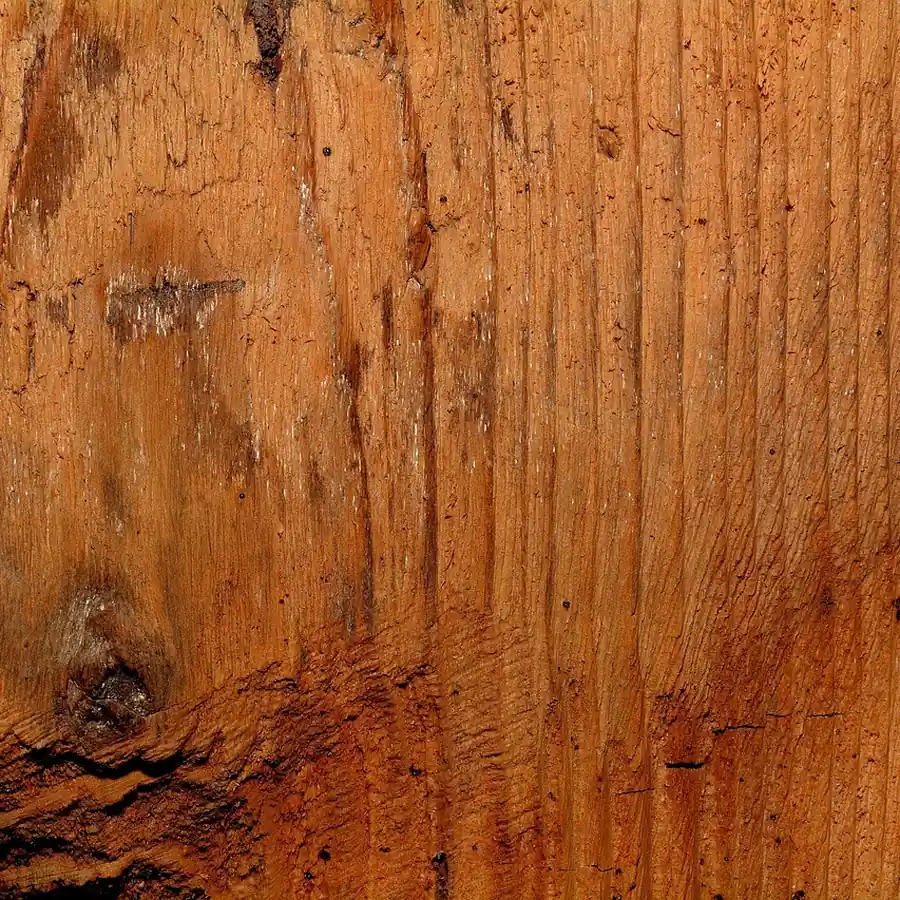
| Attribute | Laminate | Wood veneer | Solid wood |
|---|---|---|---|
| Surface material | Printed paper under resin | Thin slice of real wood (~1/40″–1/16″) over a substrate | Wood all the way through |
| Refinishable? | No — replace the panel | Yes, once or twice before wearing through | Yes, many times over its life |
| Standard wood finish compatible? | No | Yes | Yes |
| Moisture tolerance | Resists spills; standing water swells the core | Similar to solid wood, weak at seams | Swells/warps without a sealed finish |
| Typical cost tier | Lowest | Mid | Highest |
Is “Laminated Wood” the Same Thing as a Laminate Finish?
No, and this is where most confusion starts. “Laminate” (the countertop/flooring material) and “laminated wood” (solid wood glued into layers) are unrelated despite the shared word. Laminated wood is real wood from face to face; laminate is a printed surface with no wood in it at all.
Laminated wood is what you get gluing up several boards face-to-face — a butcher block, a glued panel for a tabletop, a bent lamination for a chair leg, or a structural glulam beam. Every layer is solid wood, just joined with adhesive instead of milled from one thick board. Because it’s wood the whole way through, it takes standard wood finish exactly like any single-board project: sand, then apply oil, varnish, or polyurethane as normal.
Manufactured laminate, by contrast, has no solid wood layer to sand into at any depth. That single-word overlap in the name is the entire source of the “can I finish laminate” confusion, and it’s worth remembering before you reach for a can of wood finish on either material.
How Do You Clean and Maintain a Laminate Finish?
Clean a laminate finish with a damp microfiber cloth and a pH-neutral cleaner made for laminate or hard flooring, then dry it — standing water is laminate’s main long-term threat, not everyday foot traffic. Avoid steam mops, wax-based furniture polish, and abrasive scouring pads on any laminate surface.
Steam mops force moisture into the seams between planks, which is exactly where laminate’s wear layer is most exposed to swelling. Wax and oil-based polishes build up a hazy film on laminate’s resin surface over time, because the surface has no pores to absorb them the way wood does.
Frequently Asked Questions
Can you stain laminate flooring or furniture?
No. Stain is a wood-penetrating product, and laminate’s resin wear layer has no grain for it to soak into. Stain applied to laminate sits on the surface, dries unevenly, and wipes or flakes off rather than coloring the material.
Is laminate a real wood finish?
No. Laminate is a printed image of wood grain sealed under resin, not a finish applied to real wood. It looks like a wood finish from a distance, but the material underneath the surface layer is kraft paper or fiberboard, not the wood species shown in the print.
Which laminate finish is most durable?
Matte and satin finishes hold up best day-to-day because they hide the fine scratches that accumulate with normal use. High-gloss laminate is not less physically durable, but every scratch and fingerprint shows immediately against its reflective surface, so it looks worn faster.
Can you sand laminate to refinish it?
Sanding laminate does not refinish it — it removes the printed pattern and exposes the dull core material underneath, permanently. There is no wood layer under the print to sand down to, so sanding is a repair method for nothing; replacement is the only real fix for damaged laminate.
Does a laminate finish fade in direct sunlight?
Yes. UV exposure gradually fades the printed decor layer and can yellow the melamine overlay, the same way sunlight fades printed fabric. Rotating rugs and using window coverings on sun-exposed laminate flooring slows this fading; nothing reverses it once it happens.
Can you seal a laminate countertop?
Only at the seams, not the surface. Laminate countertop seams and the underside edge near a sink cutout benefit from a bead of silicone caulk to block water intrusion; the flat resin surface itself is already sealed and needs no additional coating.
If you’re finishing real wood instead of laminate, our complete wood finishing guide covers prep, coat counts, and the seven traditional finish types step by step, and these wood finish examples show what each one actually looks like on a board before you commit to it. Installing laminate flooring for the first time is a separate project from finishing — see how to install laminate flooring for the subfloor-to-trim process. If your existing laminate floor has already warped, fixing a warped laminate floor covers the repair steps, and gluing new laminate over an old countertop answers the related resurfacing question for kitchens.
Sponsored / affiliate links. As an Amazon Associate I earn from qualifying purchases. I may earn additional commission from eligible campaigns.