Wood Finish for Sunglasses: What Actually Protects the Frame
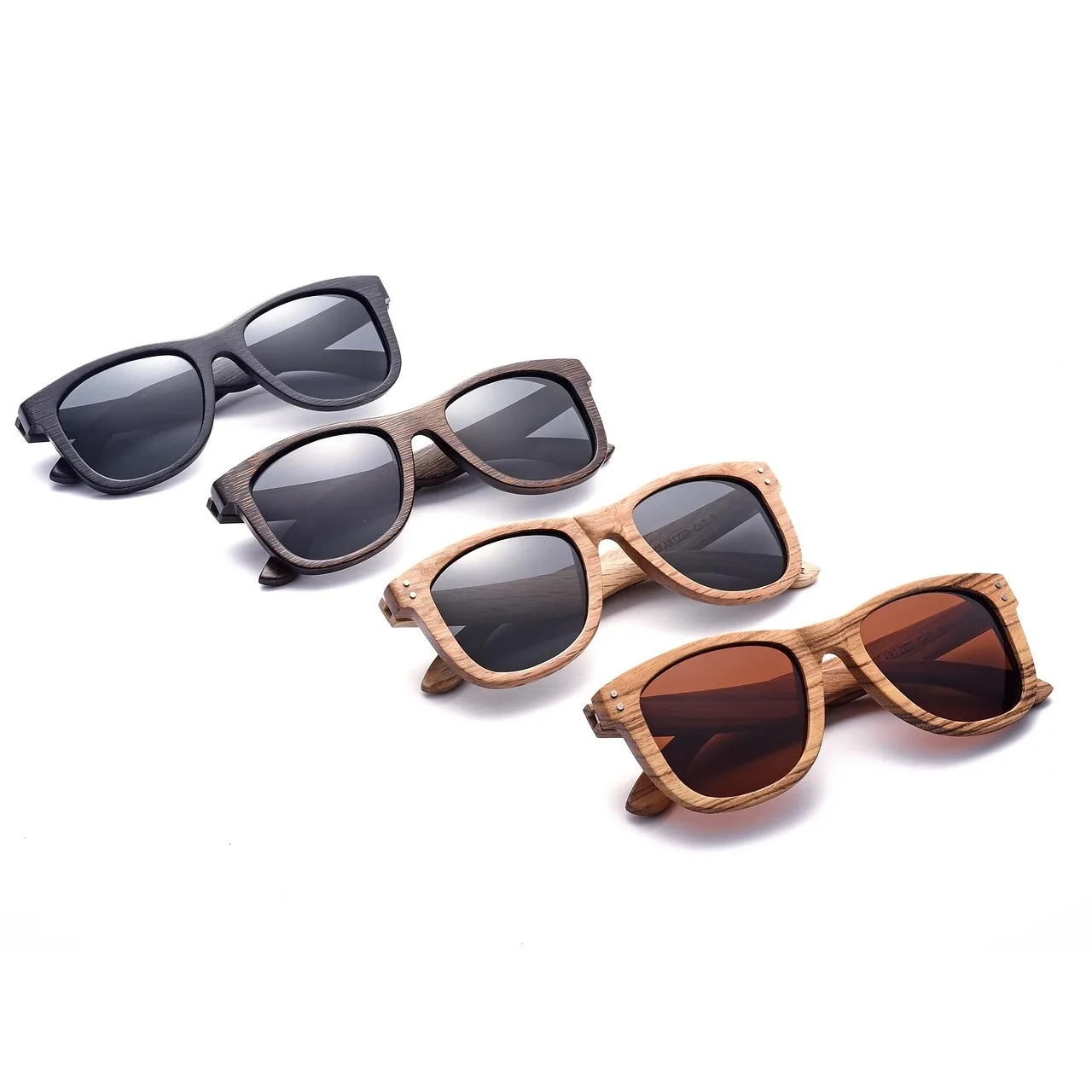
Most wood sunglasses are finished with a wipe-on penetrating oil — mineral, tung, or walnut — sealed under a beeswax topcoat, or with a UV-cured lacquer or epoxy resin coating on factory-made frames that need stronger water and sun resistance. Which one is right depends on the job: an oil finish suits a frame that gets handled and re-oiled every few months, while a UV-cured coating suits a pair that needs to survive years of sweat, sunscreen, and saltwater with no upkeep at all.
Wood sunglasses use one of four finishes: penetrating oil (mineral, tung, or walnut) with a wax topcoat, brushed shellac, a wipe-on film finish like polyurethane or spar varnish, or a factory-applied UV-cured lacquer or epoxy coating. Oil finishes look most natural but need re-oiling every 1–3 months; UV-cured coatings resist sweat, sun, and salt water longest with no maintenance at all.
What Finish Do Wood Sunglasses Actually Use?
Wood sunglasses ship with one of four finishes: a penetrating oil and wax blend, brushed shellac, a wipe-on film finish such as polyurethane or spar varnish, or a factory-applied UV-cured lacquer or epoxy coating — the last two dominate mass-produced pairs because they need no aftercare.
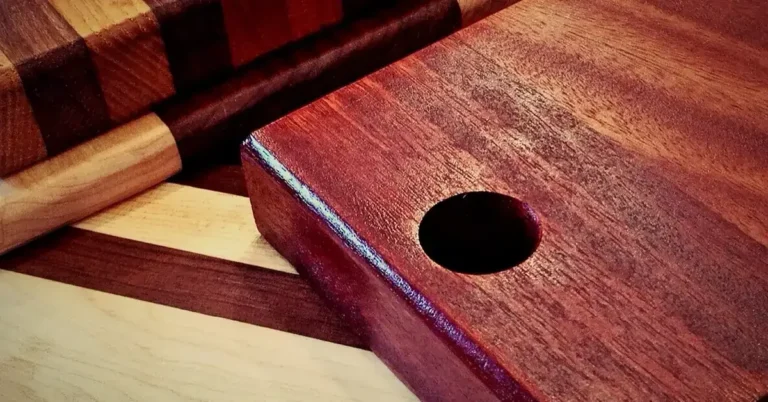
Mineral, tung, or walnut oil with a beeswax topcoat penetrates the open grain instead of sitting on top of it, so there is no film to crack or lift at the hinge. It gives the most natural, low-sheen look and is the easiest finish to repair by hand, but it needs re-oiling roughly every 1–3 months with daily wear — the same reapplication window the site’s own wood finishing guide gives for oil-finished cutting boards, since both are small, frequently-handled items with the same open-grain exposure.
Shellac, brushed or French-polished on, dries fast enough to recoat in about 30 minutes and gives a glossier look than oil. Its real weakness for eyewear specifically: shellac is an alcohol-based finish, and alcohol-based hand sanitizer or spray sunscreen will soften and cloud it on contact — a failure mode oil and film finishes don’t share.
Wipe-on polyurethane or marine spar varnish builds a thin protective film instead of soaking in. Spar formulas add UV inhibitors specifically for sun exposure, and either one needs a full cure — about 30 days for polyurethane, the same cure window as any other project — before the frame goes into daily sun and sweat.
UV-cured lacquer or epoxy resin is sprayed on and hardened in seconds under UV light or an oven cure, not brushed and air-dried. It is what most mass-market wood and bamboo sunglasses actually leave the factory wearing, because it shrugs off sweat, sunscreen, and saltwater with zero maintenance. The tradeoff: it cannot be sanded or spot-repaired at home the way oil, shellac, or wipe-on poly can — a scratched factory coating means replacing the frame, not refinishing it.
Which Wood Finish Works Best for Sunglasses?
A UV-cured factory coating or a spar-varnish wipe-on film gives the strongest protection against sweat, sun, and salt water; a penetrating oil finish gives the most natural feel and the easiest at-home repair. The right pick depends on whether the frame needs zero maintenance or an authentic hand-finished look.
| Finish type | Sweat/water resistance | UV resistance | Reapplication | Repairable at home |
|---|---|---|---|---|
| Mineral, tung, or walnut oil + wax | Moderate | Low–moderate | Every 1–3 months | Yes, easily |
| Shellac | Low (softens with alcohol) | Low | Every few months | Yes |
| Wipe-on polyurethane / spar varnish | High | High (spar grade) | Rarely — years | Yes, with light sanding |
| UV-cured lacquer or epoxy (factory) | Highest | Highest | Essentially never | No — factory process only |
Why Are Sweat and Sun the Real Test for a Wood Sunglasses Finish?
Sweat is harder on a wood finish than rain because it is mildly acidic (roughly pH 4.5–7) and carries dissolved salt and skin oils, while plain rainwater is close to pH-neutral and beads off a sealed surface clean. As sweat evaporates on a frame, the dissolved salt crystallizes inside the wood’s open pores instead of just running off, and skin oil left behind breaks down a wax topcoat faster than water alone ever would.
The nose bridge and temple contact points take the most repeated exposure on any pair of sunglasses, wood or otherwise, so a finish that looks fine on a display shelf can still fail first at exactly those two spots. UV adds a second, separate mechanism: sunlight breaks down lignin in the wood itself, not just the finish coating on top of it. US Forest Service research on wood photodegradation confirms this breakdown happens even beyond the UV band, which is why even a well-maintained wood frame gradually grays or darkens with years of daily outdoor wear.
Is a UV-Cured Lacquer or Epoxy Coating Better Than Oil for Wood Sunglasses?
For pure durability, yes — a UV-cured lacquer or epoxy coating resists sweat, sunscreen, and saltwater far longer than any oil finish and needs no reapplication. For repairability and a natural hand-finished look, no — oil wins, because it can be refreshed with a cloth and a few drops of oil in minutes, while a scratched or clouded factory coating cannot be spot-repaired at all.
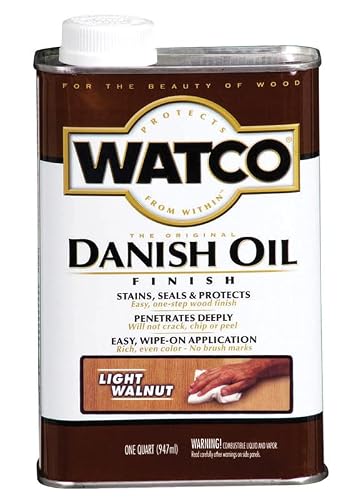
This is the same tradeoff between a penetrating oil and a film finish covered in Danish oil vs. polyurethane for furniture, just compressed onto a much smaller, more frequently-handled object. A UV-cured coating is effectively a factory-applied, harder-cured cousin of wipe-on polyurethane — more durable, less repairable, and not something a home woodworker can replicate without spray-booth UV or oven-curing equipment.
How Do You Finish a DIY Wood Sunglasses Frame?
Sand progressively through 220, 400, and 600 grit before applying any finish, then keep wet finish out of the hinge mortise and lens channel, apply two to three thin coats, and let film finishes cure fully before wearing the frame in daily sun and sweat.
- Sand with the grain through 220, then 400, then 600 grit, wiping away dust with a tack cloth between each grit.
- Mask or carefully avoid the hinge mortise and lens channel — wet finish that pools there gums up a spring hinge or fogs a polycarbonate lens.
- Apply the finish: wipe on two to three thin coats of oil, letting each soak 10–15 minutes before wiping off the excess, or brush/wipe two to three thin coats of polyurethane or spar varnish, hand-sanding lightly with 320-grit between coats.
- Let film finishes cure fully — about 30 days for polyurethane — before daily wear in sun and sweat; oil finishes are wearable once the surface stops feeling tacky, usually within 24 hours.
- Buff the final coat with 0000 steel wool or a soft cloth for an even sheen.
How Do You Maintain or Refinish Wood Sunglasses That Have Dried Out?
Clean wood sunglasses with a barely damp microfiber cloth and never submerge them; when the wood looks pale, dry, or feels rough, lightly hand-sand any raised grain with 400-grit, wipe it clean, and reapply one to two thin coats of the original finish type.
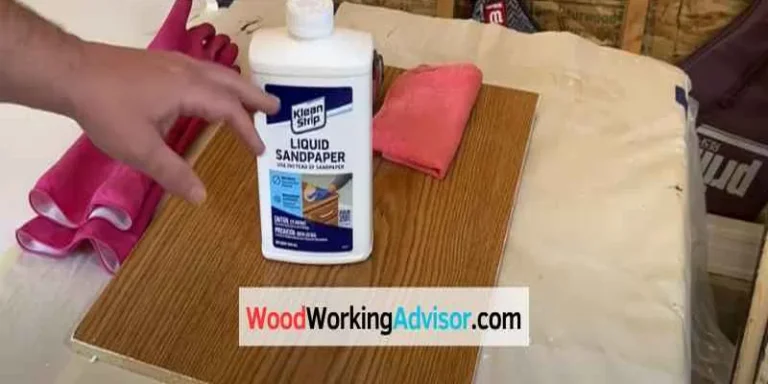
Matching the original finish type matters more than it seems. Oil soaks back into oil-finished wood without issue, but oil will not bond to a cured polyurethane or UV-lacquer film — the same incompatibility that keeps ordinary wood finish from bonding to a manufactured laminate surface. Putting oil over a film finish just beads up and wipes off, so a frame that shipped with a UV-cured or lacquer coating stays that way for its whole life; there is no at-home path to switch it to oil.
Will a Wood Sunglasses Finish Fade or Darken in the Sun?
Yes. UV exposure breaks down both the finish and the wood’s own lignin and tannins underneath it, so most wood species darken or gray somewhat after months of daily outdoor wear regardless of which finish is used. A UV-inhibited spar varnish or a UV-cured factory coating slows this noticeably, but neither stops it entirely — the same limit any clear finish has against direct sun exposure over years, not weeks.
Frequently Asked Questions
What finish do wood sunglasses use?
Most use a penetrating oil (mineral, tung, or walnut) with a beeswax topcoat for a natural look, or a factory-applied UV-cured lacquer or epoxy coating for zero-maintenance durability. Mass-produced pairs almost always use the UV-cured coating; handmade or artisan pairs more often use oil and wax.
Can you put mineral oil on wood sunglasses?
Yes, as long as the frame originally shipped with an oil finish rather than a film or UV-cured coating. Food-grade mineral oil is safe for skin contact and works well as a refresh — wipe on a few drops, let it sit a few minutes, then wipe off the excess.
Do wood sunglasses need to be sealed?
Yes. Bare, unfinished wood absorbs sweat and skin oil at the nose and temple contact points within days, which swells the grain and leads to cracking. Every wood sunglasses frame needs some sealant — oil, shellac, film finish, or a UV-cured coating — before regular wear.
Will sweat ruin a wood sunglasses finish?
It can, over time, because sweat is mildly acidic and leaves salt and skin oil behind as it evaporates. An oil finish needs re-oiling every 1–3 months to keep up with this; a UV-cured or spar-varnish finish resists it for years without attention.
How do you refinish wood sunglasses that feel dry or rough?
Lightly hand-sand any raised grain with 400-grit sandpaper, wipe away the dust, and reapply one to two thin coats of the same finish type the frame originally had. Oil restores an oil-finished frame in minutes; a film or UV-cured finish needs light sanding and a fresh coat of the same product.
Does a wood sunglasses finish fade in sunlight?
Yes. UV light breaks down lignin in the wood itself as well as the finish on top of it, so most wood frames gray or darken somewhat after months of daily sun exposure. UV-inhibited spar varnish and UV-cured factory coatings slow this but do not prevent it.
For finishing techniques on other small, tricky species, how to finish koa wood covers a similarly figured, splitting-prone hardwood, and these wood finish examples show what oil, shellac, lacquer, and polyurethane each look like side by side before you commit to one. For the full prep-to-cure process this guide builds on, see the site’s complete wood finishing guide.
Sponsored / affiliate links. As an Amazon Associate I earn from qualifying purchases. I may earn additional commission from eligible campaigns.