What Does Lacquer Mean as a Wood Finish?
Lacquer is a fast-drying, film-forming wood finish applied by spraying, that cures by solvent evaporation into a hard, glossy protective coating. What sets it apart from varnish or polyurethane isn’t just the spray application — a new coat of lacquer actually melts into the layer beneath it, so recoats blend into one continuous film instead of stacking as separate layers. This guide covers the types of lacquer, how it’s applied, how durable and safe it is, and exactly how it compares to varnish, polyurethane, and shellac.
Quick Answer
Lacquer is a fast-drying, sprayed wood finish that forms a hard, glossy film. It dries to the touch in minutes, self-blends between coats, and comes in nitrocellulose, acrylic, and catalyzed (conversion) types — each trading off cost, clarity, and durability differently.

What Are the Main Types of Lacquer?
Best No-Sprayer Lacquer Pick
Deft Satin Lacquer Aerosol Spray – $23.99
The rattle-can option this guide describes for small projects without spray equipment — nitrocellulose formula, self-blending between coats.
- Best for: Small projects, no spray gun needed
- Why we picked it: Aerosol convenience, satin sheen, self-blending recoats
- Main drawback: Nitrocellulose base will yellow over years
Three lacquer types cover nearly every use case, and they trade off cost, color stability, and durability differently.
What Is Nitrocellulose Lacquer?
Nitrocellulose is the traditional lacquer formula — cheaper than the alternatives, easy to spray and repair, but it yellows noticeably over years and is more flammable in liquid form than newer formulas.
What Is Acrylic (CAB) Lacquer?
Acrylic lacquer stays crystal-clear and doesn’t yellow with age, and it’s more flexible than nitrocellulose, which resists cracking on wood that expands and contracts — it costs more, which is the trade for that color stability.
What Is Catalyzed (Conversion) Lacquer?
Catalyzed lacquers add a hardener — pre-catalyzed formulas have it mixed in at the factory, post-catalyzed and conversion varnish require mixing it in before spraying. The added hardener produces a harder, more chemical-resistant film than standard nitrocellulose or acrylic, which is why cabinet and furniture manufacturers favor it for high-use surfaces.
How Is Lacquer Applied?
An HVLP spray gun is the standard professional method, giving the even, thin coats lacquer needs to self-level and self-blend properly. Aerosol/rattle-can lacquer works for small projects without spray equipment. Brushing lacquer exists as a slower-drying, brush-friendly formula for anyone without a sprayer — all three share lacquer’s core trait of not needing sanding between coats, since each new coat melts into the one before it.
Compare more lacquer application options
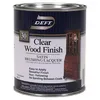 Option 1 Deft Brushing Lacquer, Quart – $32.18
| 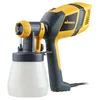 Option 2 Wagner HVLP Handheld Sprayer – $72.98
| 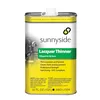 Option 3 Sunnyside Lacquer Thinner, 1 Quart – $22.23
|
As an Amazon Associate we earn from qualifying purchases.
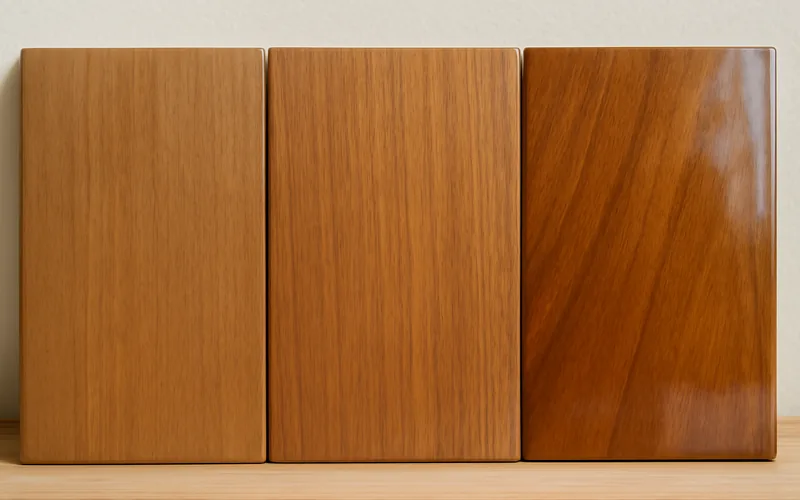
What Sheen Levels Does Lacquer Come In?
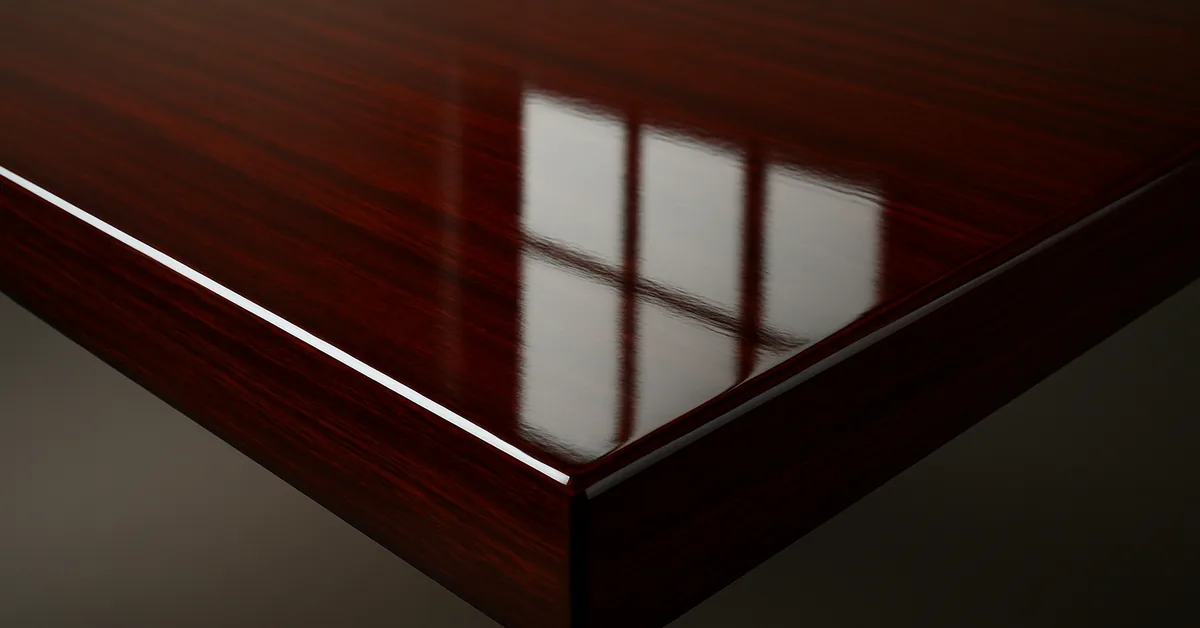
Lacquer spans matte, satin, semi-gloss, and full gloss — a wider practical sheen range than most other film finishes, which is part of why it’s a default choice for factory and cabinet-shop finishing where a specific, consistent sheen matters.
How Long Does Lacquer Take to Dry?
Lacquer is surface-dry to the touch in roughly 3–5 minutes per coat, which is why multiple coats can go on in a single session without waiting hours between them. Full cure timing depends on the type: standard nitrocellulose or pre-catalyzed lacquer takes 3–4 weeks to fully harden, while conversion lacquer reaches around 85% of full cure in about 2 days thanks to the catalyzed chemical reaction rather than pure solvent evaporation.
Is Lacquer Durable? How Does It Hold Up?
Lacquer resists water, mild acids, and household chemicals well once cured, but its film is thinner than a typical polyurethane coat, so it scratches more easily in everyday use. Catalyzed lacquer closes most of that durability gap, which is the main reason it’s specified for kitchen cabinets and other high-touch surfaces instead of standard nitrocellulose.
Is Lacquer Toxic? What About VOCs?
Lacquer thinner — the solvent used both to thin lacquer and clean equipment — contains volatile organic compounds including toluene, and spraying lacquer indoors without ventilation or a respirator is a real inhalation hazard, not just an odor issue. States and regions with strict air-quality rules — California Air Resources Board (CARB) limits and SCAQMD in the South Coast area — restrict standard high-VOC lacquer sales; low-VOC and waterborne lacquer formulas exist specifically to meet those limits and are worth seeking out if you’re in a regulated area or simply want lower solvent exposure.
How Does Lacquer Compare to Varnish, Polyurethane, and Shellac?
| Finish | Application | Dry time | Durability | Repairability | Yellowing |
|---|---|---|---|---|---|
| Lacquer | Sprayed (gun, aerosol, or brush formula) | 3–5 min/coat, self-blending | Good, better catalyzed | Excellent — new coat melts into old | Nitrocellulose yellows, acrylic doesn’t |
| Varnish | Brushed or sprayed | Hours per coat | Very good, UV-resistant options | Fair — needs scuff-sanding between coats | Some ambering over time |
| Polyurethane | Brushed, wiped, or sprayed | Hours per coat | Excellent, thickest film | Fair — needs scuff-sanding, poor recoat blending | Oil-based ambers, water-based doesn’t |
| Shellac | Brushed or sprayed | Minutes per coat | Fair — weak vs. alcohol and heat | Excellent — dissolves and re-blends easily | Amber tones common (clear/dewaxed options exist) |
See every finish type side by side, including how each looks in person, in our wood finish examples guide. And if the oil-based label on the shelf has you second-guessing lacquer specifically, see our breakdown of why lacquer is actually solvent-based, not oil-based.
How Can You Tell If Furniture Has a Lacquer Finish?
Apply denatured alcohol or lacquer thinner to a hidden spot: lacquer softens and lifts, while a cured polyurethane or varnish finish beads the solvent without reacting. This test takes under a minute and tells you what you’re working with before you strip or repair a piece. See our full solvent test guide for identifying wood finishes for the complete sequential test covering all finish types.
Is lacquer the same as varnish?
No — lacquer is sprayed and dries by solvent evaporation in minutes, self-blending between coats. Varnish is typically brushed, dries by oxidation over hours, and needs scuff-sanding between coats since new coats don’t melt into old ones the way lacquer does.
Does lacquer yellow over time?
Nitrocellulose lacquer yellows noticeably over years of exposure. Acrylic (CAB) lacquer stays clear and doesn’t yellow, at a higher cost than nitrocellulose.
Can lacquer be repaired?
Yes, easily — a new coat of lacquer melts into the existing film, so scratches and worn spots blend in without the scuff-sanding a repair on varnish or polyurethane requires.
Is lacquer better than polyurethane for furniture?
Neither is universally better — lacquer dries faster and repairs more easily, while polyurethane builds a thicker, more scratch-resistant film in fewer coats. Cabinet and furniture shops often choose catalyzed lacquer for speed and repairability; polyurethane is the more common choice for floors and heavy-wear surfaces. If you are trying to combine the two — say, adding a lacquer topcoat over an existing polyurethane finish — see our guide on whether lacquer can go over polyurethane safely.
Lacquer’s defining trait is speed and self-blending, not just gloss — that’s what makes it the standard in cabinet shops and the harder finish to repair mid-project without understanding it first. For the full picture on choosing and applying any wood finish, see our wood finishing guide.
Sponsored / affiliate links. As an Amazon Associate I earn from qualifying purchases. I may earn additional commission from eligible campaigns.