Best Wood Glue for Ash (2026): based on specs and reviews
For most ash joinery, use a high-quality aliphatic resin PVA. Choose epoxy for gaps, end grain, or repairs, and pick a longer-open-time glue for large assemblies.
This guide is part of our Ash lumber overview: workability, grain, and value series.
Pick the wrong glue, and ash’s open pores and hard grain can leave starved joints, visible squeeze-out, or a bond that fails before the finish does.
This guide matches glue type to ash project type, open time, gap tolerance, and finish visibility so you can choose the right adhesive for the joint.
Quick comparison: best wood glue for ash
| Product | Badge | Best for | Price | ||
|---|---|---|---|---|---|
 |
Titebond III Ultimate Wood Glue, 16-Ounces #1414Titebond | Our pick | Titebond III Ultimate · 16-Ounces · Non-toxic | $7.95
Price as of 10 Oct 2026
|
View |
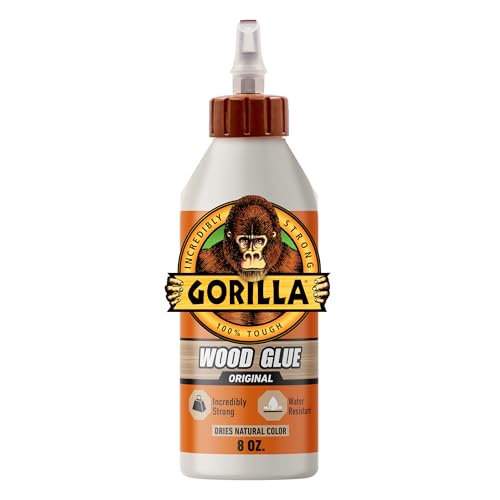 |
Gorilla Wood Glue, Fast Clamp, Water Resistant PVA, 8 ozGORILLA | Budget pick | Gorilla Fast Clamp · 8 oz · Water-Resistant | $4.37
Price as of 10 Oct 2026
|
View |
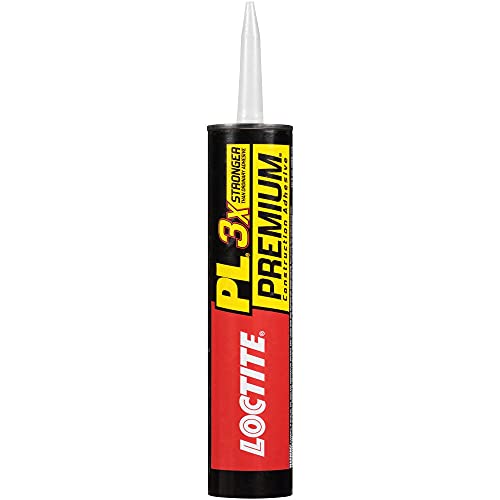 |
Loctite PL Premium Polyurethane Construction Adhesive, 10Loctite | Also great | Loctite PL Premium · 10 fl oz · Polyurethane | $6.48
Price as of 10 Oct 2026
|
View |
 |
Elmer’s E7010 Carpenter’s Wood Glue, Interior, 8 Ounces ,Elmer’s | Pair with it | Elmer’s Carpenter’s · 8 Ounces · Interior | $8.65
Price as of 10 Oct 2026
|
View |
 |
Gorilla Ultimate Waterproof Wood Glue, Natural Color, 8 ozGORILLA | Upgrade pick | Gorilla Ultimate Waterproof · 8 oz · Natural | $5.97
Price as of 10 Oct 2026
|
View |
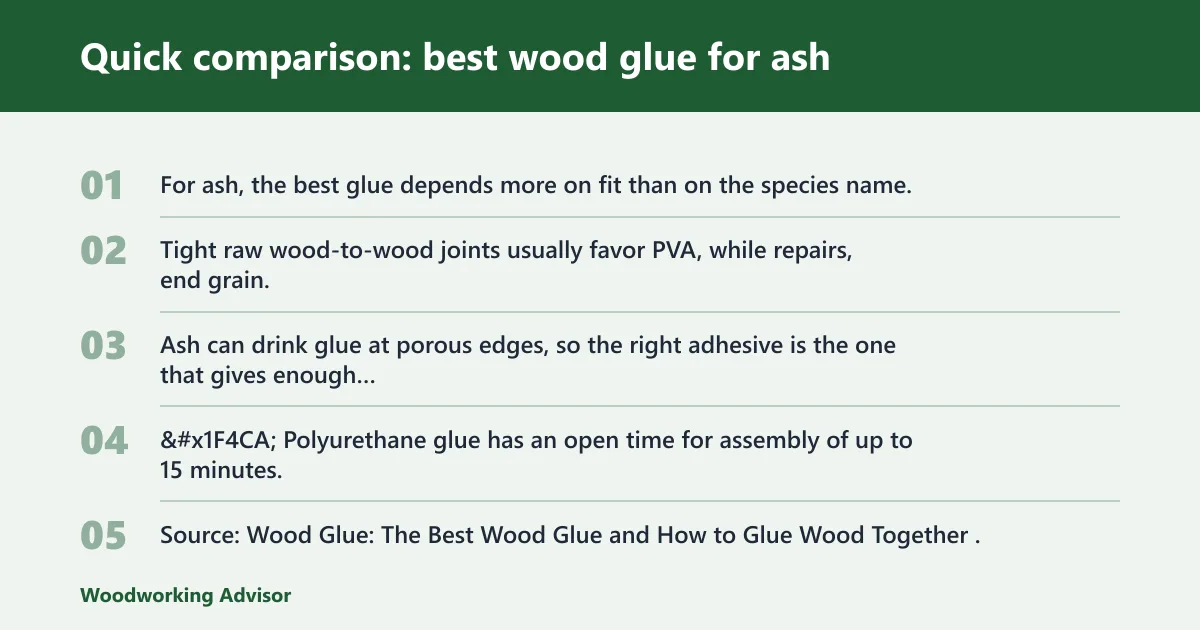
For ash, the best glue depends more on fit than on the species name. Tight raw wood-to-wood joints usually favor PVA, while repairs, end grain, and outdoor exposure push you toward hide glue, epoxy, or polyurethane.
Open grain matters. Ash can drink glue at porous edges, so the right adhesive is the one that gives enough working time and enough film thickness without leaving a weak, starved bond.
📊 Polyurethane glue has an open time for assembly of up to 15 minutes. Source: Wood Glue: The Best Wood Glue and How to Glue Wood Together.
How we chose the best glues for ash
We compared the glue types ash woodworkers reach for most often and matched them to joint fit, open time, cleanup, finish visibility, and exposure level. The goal was practical fit for real ash projects, not a brand race.
- Joint type: edge-gluing, face frames, chair repairs, end grain, and outdoor builds need different adhesives.
- Open time: complex ash assemblies need enough working time before clamp pressure starts.
- Gap tolerance: tight joints and loose joints do not need the same glue chemistry.
- Exposure: interior use, outdoor exposure, and continuous submersion are not the same thing.
- Finish behavior: clear-finished ash shows squeeze-out and glue stains faster than painted work.
Ash glue selection matrix
| Ash project | Recommended glue type | Clamp window | Main risk | When to avoid it |
|---|---|---|---|---|
| Edge-gluing boards | PVA wood glue | 30 minutes to 1 hour for clamp pressure, then 24 hours before heavy stress | Glue starvation on thirsty edges if spread too thin | Loose-fitting joints, heavy gaps, or parts that need waterproofing |
| Face-frame joints | PVA wood glue, or liquid hide glue if reversibility matters | About 30 minutes to 1 hour for clamps | Visible squeeze-out on clear-finished ash | Outdoor exposure or joints that will see constant moisture |
| Chair repairs | Liquid hide glue for repair work, epoxy for loose or broken sockets | Hide glue: up to 30 minutes open time; epoxy varies by formula | Short working time in cramped assemblies | Use PVA only when the repair is tight and not likely to need future disassembly |
| End-grain repairs | Epoxy | Varies by system; mix just before use | End grain can absorb adhesive and weaken the bond if you use standard PVA alone | When the repair is tight, flat, and reversible repair work is more important than fill |
| Outdoor builds | Yellow exterior PVA or polyurethane, with epoxy for difficult joints | PVA: about 30 minutes to 1 hour; polyurethane: at least 45 minutes clamping | Moisture exposure and movement | Continuous submersion or joints that must remain reversible |
PVA wood glue: best for general ash joinery
PVA is the best starting point for most raw ash wood-to-wood joinery. It is the common carpenter’s glue type, it penetrates wood fibers well, and it works especially well when the joint fits tightly and the parts close cleanly.
This is the right choice for edge-glued panels, simple casework, and many furniture joints. Most wood glue is a type of polyvinyl acetate, and that matters because ash does not need a special adhesive just because it has open grain.
The drawback is fit sensitivity. If the joint is loose, porous, or end grain-heavy, PVA can be starved. For ash that will be stained or clear coated, wipe off squeeze-out before it skins over, because dried glue lines can resist finish.
White and yellow interior PVA
White and yellow interior glue is the most common workhorse wood glue. It is a solid choice for indoor ash furniture and trim, but it is not for outdoor use. Keep it for dry rooms, cabinets, and general assembly where moisture exposure stays low.
Yellow exterior PVA
Yellow exterior glue is labeled water resistant or exterior, and that makes it the better PVA choice for outdoor ash projects that see rain or damp air. It is not for continuous submersion, so a deck repair or bench joint is a better fit than a part that stays underwater.
Liquid hide glue: best for ash furniture repair
Liquid hide glue is a repair-friendly choice for ash furniture because it gives you more assembly time and lets future disassembly stay possible. It is often recommended for furniture repair, and its open time can reach up to 30 minutes, which helps in awkward chair work.
That longer working window matters when you are reglueing a loose rung, fitting a stubborn mortise, or dealing with parts that need careful alignment. The tradeoff is that it cures more slowly than fast PVA, so the joint needs patience before heavy loading.
A common first-timer mistake is using a quick-setting glue on a repair that needs repositioning. On ash chairs, that can leave a crooked leg or a squeezed-out repair line that becomes obvious under clear finish.
Epoxy: best for gaps and end grain on ash
Epoxy is the best choice when the ash joint has gaps, damaged fibers, or exposed end grain that would leave a weak bond with ordinary wood glue. It is recommended when you need to fill gaps in wood and want great strength, and it is waterproof.
Use it for cracked end-grain repairs, broken corners, and loose joints that cannot be brought back to a tight fit. Epoxy comes in two parts that must be mixed just before using, so you need to plan the batch size and move quickly once mixed.
The drawback is cleanup and finish work. Epoxy can be messier than PVA, and on clear-finished ash, cured squeeze-out often takes more effort to remove. It is not the default for a tight ash joint; it is the fix for a bad fit.
Polyurethane glue: best for outdoor ash projects
Polyurethane glue is the pick when complete waterproofing matters. It can bond wood, metal, and some plastics, so it fits mixed-material outdoor repairs and weather-exposed ash parts better than interior PVA.
Its open time is short, so layout should be ready before the bottle opens. For clamp pressure, a practical minimum is around 45 minutes, and full cure can take several hours depending on the formula and conditions.
The drawback is that the short open time punishes slow assembly. It is not the first choice for complex ash joinery unless waterproofing outweighs convenience. Expansion and cleanup also make squeeze-out harder to manage than with standard PVA.
Yellow exterior PVA: best for water-resistant outdoor ash projects
Yellow exterior PVA is a strong middle ground for outdoor ash work that needs water resistance without moving all the way to polyurethane. It is waterproof-rated for indoor and outdoor use on many labels, and it offers an extended working window for assembly.
That extra time helps on garden furniture, porch pieces, and larger ash parts that take longer to clamp. It also sands and paints more cleanly than many moisture-curing adhesives, which helps when the surface will be coated.
The drawback is scope. Exterior PVA is not the answer for continuous submersion, and it is not the best fix for large gaps or end grain. Use it when the joint fits well and the exposure is weather, not immersion.
Which one should you buy?

For most raw ash joinery, start with PVA wood glue. It is the best fit for tight, clean wood-to-wood joints, and it covers the bulk of ash furniture, casework, and panel work without forcing you into a more specialized adhesive.
If the project is a repair, choose liquid hide glue. If the joint has gaps or exposed end grain, choose epoxy. If the part lives outdoors, choose yellow exterior PVA for ordinary weather exposure or polyurethane when complete waterproofing matters more than working time.
Start with the joint, not the bottle
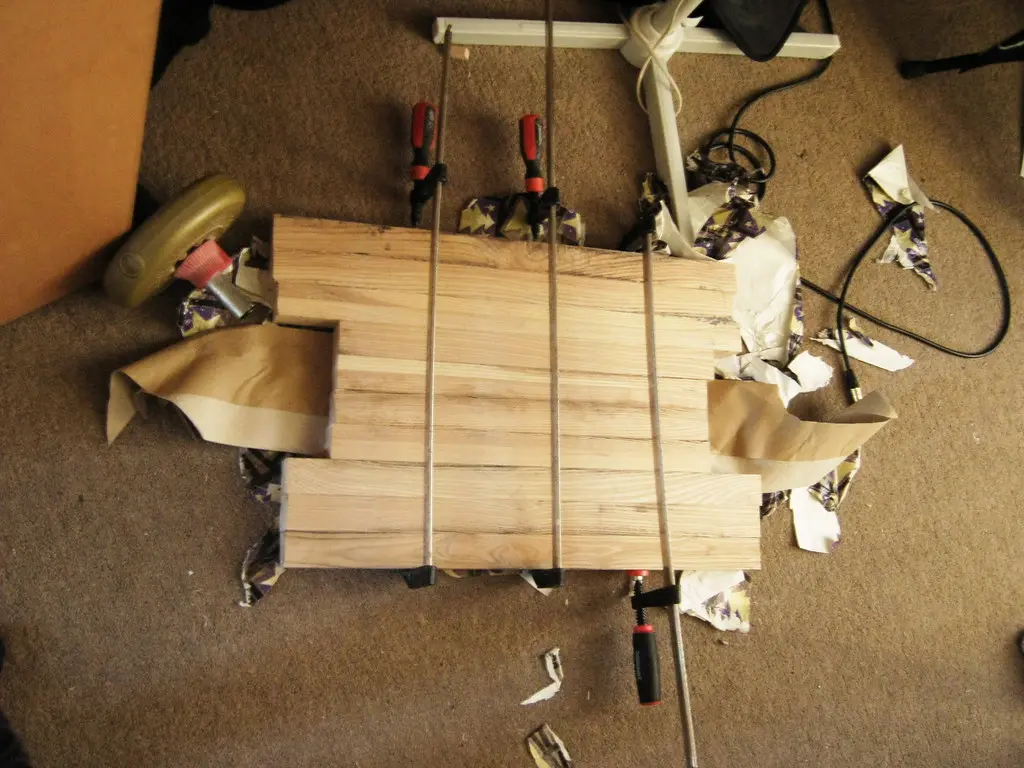
Say your ash tabletop has eight edge-joined boards with tight seams and a clear finish planned. PVA is the right starting point because the fit is good and the squeeze-out can be cleaned before it marks the surface. If the same top had open seams, epoxy would fit better.
Suppose you are repairing a loose ash chair rung in a living room set. Liquid hide glue gives more open time for alignment and future repairability. If the socket is broken out and the fit is poor, epoxy is the safer fix.
Match glue to exposure
Interior ash work can use white or yellow interior glue, but do not carry that choice outdoors. Water resistant and waterproof are not the same thing, and outdoor exposure is not the same as continuous submersion. Choose the adhesive for the worst condition the joint will face.
For a painted porch planter or bench, exterior PVA is often enough if the joint fits tightly. For a mixed-material outdoor assembly with metal fasteners or porous end grain, polyurethane or epoxy may be the better call.
Frequently asked questions
What is the best wood glue for ash wood?
For most ash wood joinery, a high-quality PVA wood glue is the best choice. It works well on tight raw wood-to-wood joints, it is easy to use, and it is the most common workhorse option. Move to epoxy only when you need gap filling, end-grain strength, or repair work.
Is PVA glue good for ash?
Yes. PVA glue is a strong match for ash when the joint fits tightly and the surfaces are clean. Most wood glue is PVA-based, and it penetrates wood fibers well on ordinary joinery. It is less forgiving when the ash is porous, loose, or heavily end grain.
Should I use epoxy on ash wood?
Use epoxy on ash when you need to fill gaps, repair broken fibers, or bond end grain that would not hold well with standard wood glue. It is waterproof and strong, but it is not the default choice for tight ash joinery. Save it for difficult fits and repairs.
What glue works best for ash wood furniture repairs?
Liquid hide glue is often the best choice for ash furniture repairs because it gives up to 30 minutes of open time and stays repair-friendly. It is a good fit for chairs, loose joints, and parts that may need future disassembly. Use epoxy if the repair has gaps or damage.
Can I use polyurethane glue on ash wood?
Yes, especially for outdoor ash projects or joints that need complete waterproofing. Polyurethane glue can bond wood, metal, and some plastics, and its open time is up to 15 minutes. The tradeoff is shorter working time, so it is less forgiving on complex assemblies.
How long does wood glue take to dry on ash?
Clamp time depends on the glue and the stress on the joint. A common rule is 30 minutes to 1 hour for unstressed joints and 24 hours for stressed joints. Polyurethane usually needs at least 45 minutes of clamping, and full cure can take longer.
Do I need special glue for open-grain ash wood?
No special ash-only glue is needed, but open grain changes how the bond behaves. Ash’s porous edges can absorb adhesive and cause glue starvation, especially on end grain. A tight-fitting PVA joint usually works, while epoxy is better when the fit is rough or the joint is damaged.
What glue fills gaps in ash wood joints?
Epoxy is the best option for filling gaps in ash joints. It is mixed from two parts just before use, it is waterproof, and it has the strength needed for repairs and loose-fit work. PVA and interior carpenter’s glue are better for tight joints, not gaps.
How strong is wood glue on ash?
On a tight ash joint, quality PVA glue can make a bond that is stronger than the wood itself in normal service. That strength depends on fit, clamping, and clean surfaces. If the joint is loose, end-grain-heavy, or poorly clamped, the adhesive choice matters much more.
Sponsored / affiliate links. As an Amazon Associate I earn from qualifying purchases. I may earn additional commission from eligible campaigns.