What Is the Best Finish for Pine Wood? (Clear, Stain, Outdoor)
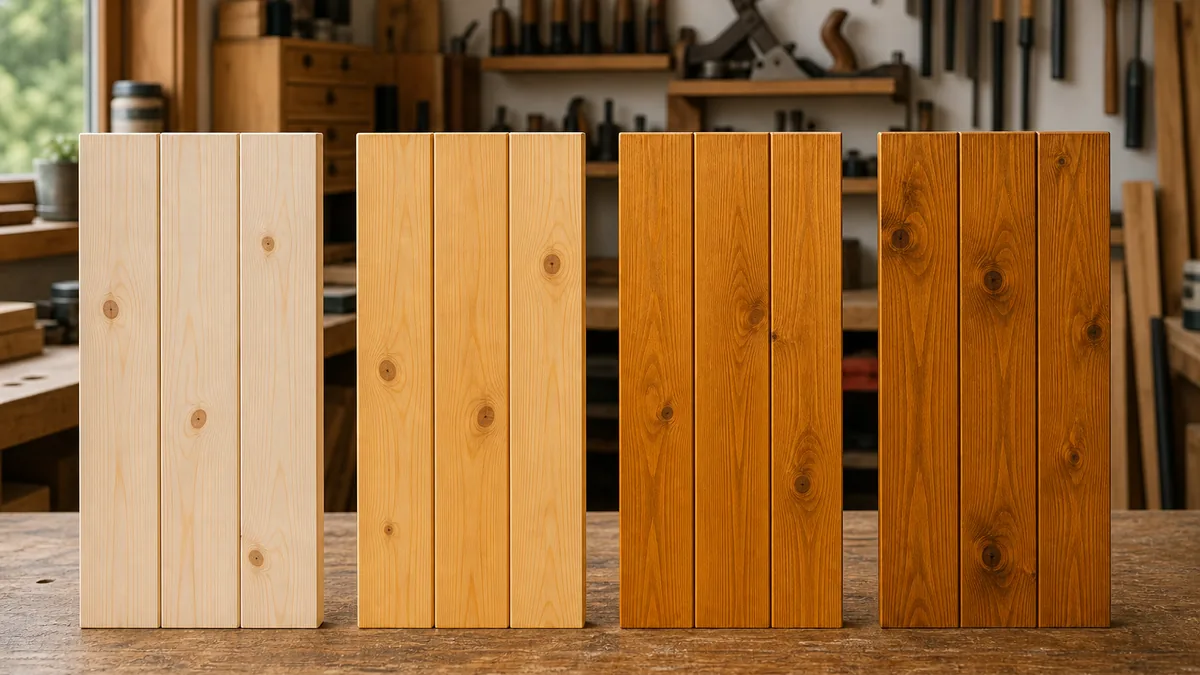
Water-based polyurethane is the best finish for pine wood if you want it to stay light and natural. Oil-based polyurethane or gel stain suits a warmer, amber look. If you plan to add color, pine also needs a pre-stain conditioner or a gel stain first, because its soft, uneven grain soaks up regular stain in patches and blotches.
That blotching is what ruins most pine projects, and a pricey can of stain will not save you from it. Below you get the right finish for each job (furniture, tabletops, floors, cabinets, knotty pine and outdoor boards), a corrected look at three common finishing myths, and the prep sequence that keeps color even. If you are still deciding whether to color pine at all, dye vs stain covers the difference.
Disclosure: This post may contain affiliate links. As an Amazon Associate we earn from qualifying purchases.
The best finish for pine wood is water-based polyurethane for a clear, light, natural look; oil-based polyurethane for a warmer amber tone; gel stain plus a clear topcoat for color; and exterior stain or spar urethane for outdoor pine. Use pre-stain conditioner before staining pine to reduce blotching.
Best Finish for Pine Wood: Fast Decision Table
Best Pine Blotch-Control Pick
 |
Varathane Premium Wood Conditioner Goes on bare pine before stain or gel stain to even out absorption and cut down on blotching.
|
As an Amazon Associate we earn from qualifying purchases.
| Pine Project | Best Finish | Why It Works | Avoid If |
|---|---|---|---|
| Natural indoor pine furniture | Water-based polyurethane | Keeps pine lighter and adds a clear protective film | You want a deep amber tone |
| Rustic or warm pine furniture | Oil-based polyurethane | Adds warmth and a traditional amber color | You want pine to stay pale or whitewashed |
| Stained pine | Pre-stain conditioner plus stain, or gel stain | Helps reduce blotchy, uneven color | You want a raw clear finish with no color |
| Pine tabletop or desk | Polyurethane or varnish | Gives more surface protection against daily use | The surface is used as a cutting board |
| Pine shelves or trim | Water-based polyurethane, shellac, or lacquer | Creates a clean protective finish for indoor woodwork | You need heavy outdoor protection |
| Outdoor pine | Exterior stain, exterior sealer, or spar urethane | Better suited for moisture and sun exposure | The product says indoor use only |
| Painted pine | Primer plus paint, or clear coat over cured paint if needed | Paint hides knots and soft grain better than stain | You want the wood grain to show |
| Knotty pine walls or paneling | Shellac, water-based poly, or oil-based poly | Can seal knots and protect the surface | You dislike ambering or knot color change |
Why Pine Needs a Different Finish Strategy
Pine is a softwood with uneven density, visible growth rings, knots, and porous earlywood. Our guide to pine wood texture explains why it looks and feels that way before you even pick a finish. For the full range of stains, oils, sealers, and cure times across all wood species, see our complete wood finishing guide. Pine can look beautiful under a clear finish but frustrating under dark stain for exactly that reason. One board may absorb color heavily while another area stays light, creating blotchy patches.
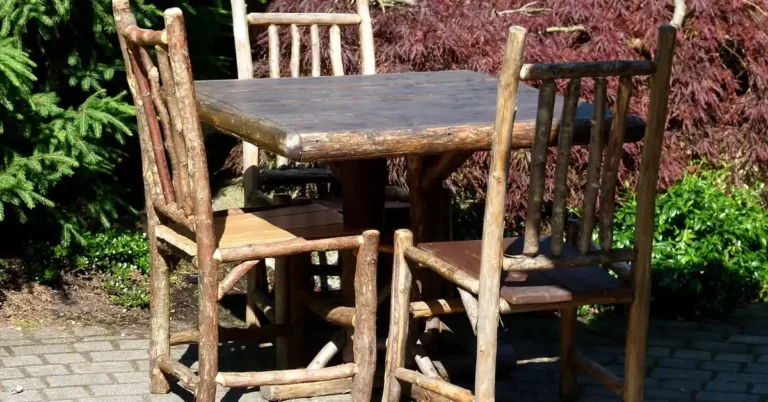
The best pine finish strategy depends on your goal. If you want pine to stay light, avoid dark oil and use a clear water-based finish. If you want a rustic warm look, oil-based polyurethane or amber-toned finish can work well. See our full rustic table finish breakdown if you’re finishing a table specifically. If you want stain color, use pre-stain conditioner, gel stain, or careful testing before staining the entire project; shellac for pine is another option worth considering.
Before finishing pine, ask these questions:
- Is the pine indoors or outdoors?
- Do you want a clear natural look or a stained color?
- Do you want pine to stay pale or become warmer and amber?
- Will the surface get daily wear, water, sunlight, or food contact?
- Are there knots, sap pockets, or uneven grain that need sealing?
- Will you use a topcoat after stain?
Water-Based Polyurethane: Best Clear Finish for Light Pine
Water-based polyurethane is usually the best choice if you want pine to stay light, clean, and natural-looking. It dries clearer than many oil-based finishes and adds a protective film over the wood.
This is a good finish for indoor pine furniture, shelves, bookcases, trim, doors, cabinets, and desks where you want protection without a strong yellow tone. It is also useful when the pine has a pale Scandinavian, farmhouse, or modern look that you do not want to darken too much.
Use water-based polyurethane on pine when:
- You want pine to stay light or natural
- The project is indoors
- You need a clear protective topcoat
- You want lower odor and faster drying than many oil-based finishes
Avoid water-based polyurethane when:
- You want a deep amber tone
- The project is exposed outdoors and the product is not exterior-rated
- You want an oil-rich rustic look
Oil-Based Polyurethane: Best for Warm Amber Pine
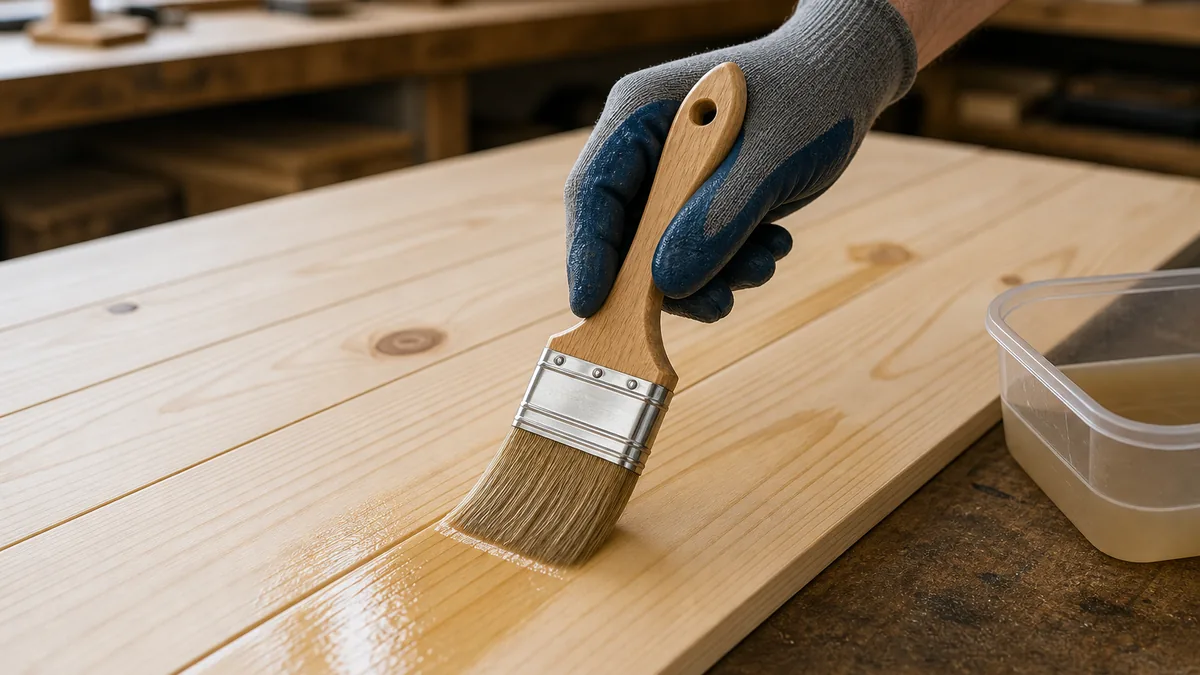
Oil-based polyurethane is a good finish for pine when you want a warmer, richer, more traditional appearance. It tends to add amber color, which can make pine look deeper and more rustic.
This can be attractive on farmhouse tables, rustic shelves, knotty pine, trim, and older pine furniture. The downside is that oil-based finishes can make pine look more yellow or orange over time, especially on pale boards.
Use oil-based polyurethane on pine when:
- You want a warm amber finish
- The project has a rustic or traditional style
- You want a durable indoor film finish
- You do not mind longer dry time and stronger odor
Avoid oil-based polyurethane when:
- You want pine to stay pale or whitewashed
- You dislike yellowing or ambering
- You need a quick low-odor finish
Gel Stain: Best When You Want to Stain Pine
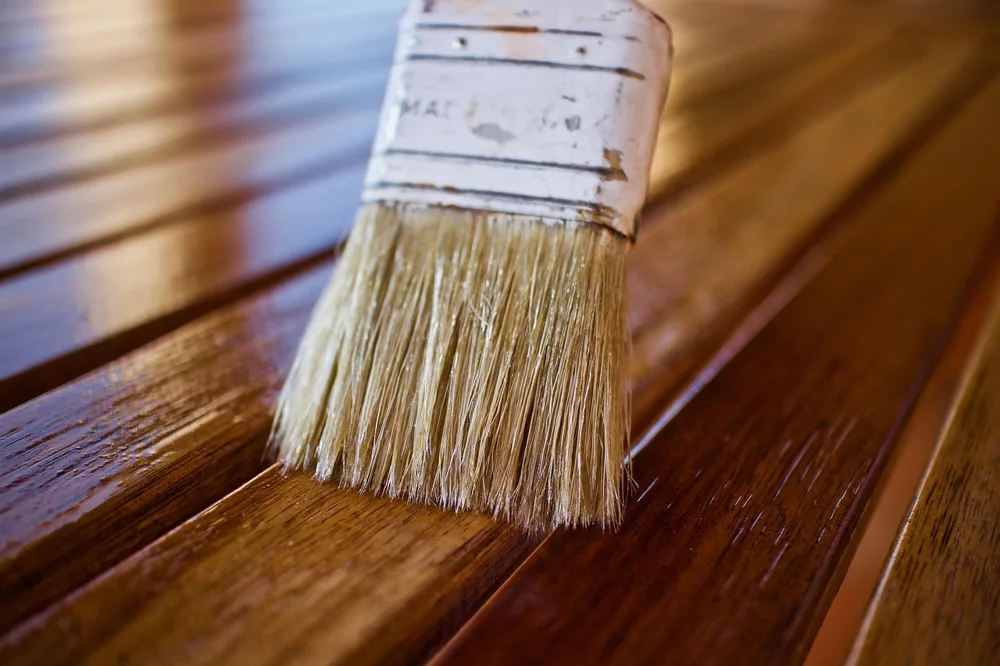
Gel stain is often the best stain option for pine because it is thicker and easier to control than thin penetrating stain. Pine can absorb regular stain unevenly, which causes blotching. Gel stain sits more on the surface, so it can help create a more even color.
Gel stain is especially useful on pine cabinets, doors, trim, shelves, and vertical surfaces. It does not solve every problem, so you should still test it first. But for many DIY projects, gel stain is easier to control on pine than dark penetrating stain. If you are still deciding whether to stain at all, see does pine stain well for the tradeoffs, and wood stain colors on pine for how the colors really turn out.
Use gel stain on pine when:
- You want a darker stained color
- The pine is blotch-prone
- You are staining vertical surfaces
- You want better color control
Avoid gel stain when:
- You want a deeply penetrating stain effect
- You prefer a very light natural finish
- You do not plan to test the color first
Pre-Stain Conditioner: Best Prep Step Before Staining Pine
Pre-stain conditioner is not the final finish, but it is one of the most important products when staining pine. It helps reduce uneven absorption so the stain does not turn blotchy or patchy.
Conditioner is most useful before applying regular penetrating stain. It can make the final color lighter, so always test the full process: conditioner, stain, and topcoat. Do not judge the color from stain alone.
Use pre-stain conditioner when:
- You are using regular stain on pine
- You want to reduce blotching
- The pine has uneven grain or soft areas
- You are applying medium or dark stain colors
For more stain selection help, read our guide on what is the best wood stain, or follow the full step-by-step process in how to stain pine wood like a pro.
Shellac: Best for Knot Sealing and Warm Classic Pine
Shellac is useful on pine when you need to seal knots, sap, or problem areas before another finish. It can also be used as a classic finish on interior pine, especially when you want a warm tone and fast drying.
Dewaxed shellac is often used as a sealer coat because many finishes can go over it. Regular shellac can be less water-resistant than polyurethane, so it may not be the best choice for a kitchen table, bathroom shelf, or wet-use surface.
Use shellac on pine when:
- You need to seal knots before painting or finishing
- You want a fast-drying interior sealer
- You want a warm traditional look
- You are using dewaxed shellac as a barrier coat
Lacquer: Best for Smooth Furniture-Style Pine Finishes
Lacquer can create a smooth, professional-looking finish on pine furniture and cabinets. It dries quickly and can be built in multiple coats, making it useful for shop finishing and sprayed finishes.
However, lacquer usually requires better ventilation and more application control than simple brush-on polyurethane. It is not usually the easiest finish for beginners unless they are comfortable spraying or working with fast-drying finishes.
Wax and Oil: Best for Low-Sheen Natural Pine
Wax and oil finishes can make pine look soft, natural, and low-sheen. They are good when you do not want a plastic-looking film finish. However, they usually offer less surface protection than polyurethane or varnish.
Use wax or oil on decorative pine, low-wear shelves, rustic pieces, or projects where touch and appearance matter more than heavy protection. For tabletops, desks, or furniture that sees water and daily use, a more protective topcoat may be better.
Best Finish for Pine Tabletop
The best finish for a pine tabletop is usually polyurethane or varnish because pine is soft and tabletops need surface protection. Water-based polyurethane is better if you want the pine to stay light. Oil-based polyurethane is better if you want a warm amber tone.
If you stain the tabletop first, let the stain dry fully and then apply a compatible clear topcoat. Do not rely on stain alone for a pine table that will see cups, plates, books, laptops, or daily use.
Best Finish for Pine Floors
Pine floors need a durable floor-rated finish, not just a light furniture finish. Pine is softer than many hardwood flooring species, so it dents and scratches more easily. A good finish can help, but it cannot make pine as hard as oak or maple.
Use a floor-rated polyurethane or finish system designed for floors. Test color carefully because pine floors can stain unevenly. For a lighter modern look, water-based floor finish is often preferred. For an older warm farmhouse look, oil-based finish may fit better.
Best Finish for Outdoor Pine
The best finish for outdoor pine is an exterior-rated stain, sealer, or spar urethane. Indoor polyurethane, wax, or simple furniture oil is not the right choice for rain, sunlight, and temperature changes.
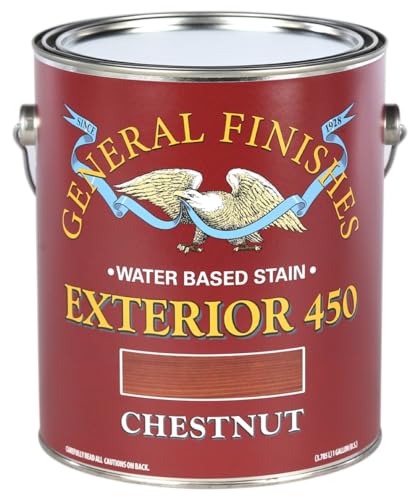
If the pine is pressure-treated, wait until it is dry enough to accept finish. Not sure whether your outdoor pine is treated? Learn how to tell if wood is pressure treated by its stamp and color first. Use a water test: sprinkle a few drops of water on the surface. If water beads up, the wood may not be ready. If it absorbs, it may be ready for stain or sealer.
For outdoor protection topics, read our guides on what is the best deck stain and treated wood for ground contact.
Best Finish for Knotty Pine
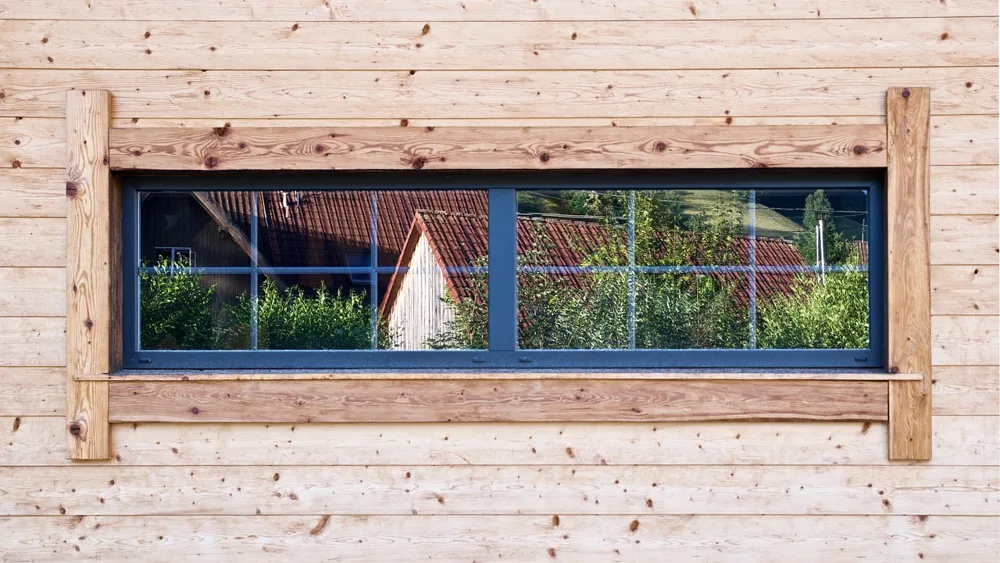
The best finish for knotty pine depends on whether you want to highlight or reduce the knotty look. If you want to show the knots, use a clear water-based or oil-based topcoat. If you want warmth, oil-based polyurethane or shellac can make knotty pine richer. If you want less color change, use water-based polyurethane.
Knots can sometimes bleed through paint or finish, so a sealing coat may be needed. Shellac-based knot sealer or dewaxed shellac can help isolate knots before painting or topcoating.
Best Finish for Pine Cabinets and Trim
For pine cabinets and trim, water-based polyurethane is a good clear finish if you want a light, clean look. Oil-based polyurethane is a good choice if you want amber warmth. Gel stain is useful if you want to change the color before topcoating.
Because cabinets and trim have edges, profiles, and vertical surfaces, avoid over-applying finish. Thin coats usually look better and reduce drips, runs, and sticky spots.
How to Prepare Pine Before Finishing
Pine finish quality depends heavily on preparation. Uneven sanding, glue residue, dents, and dust can all show after finish is applied.
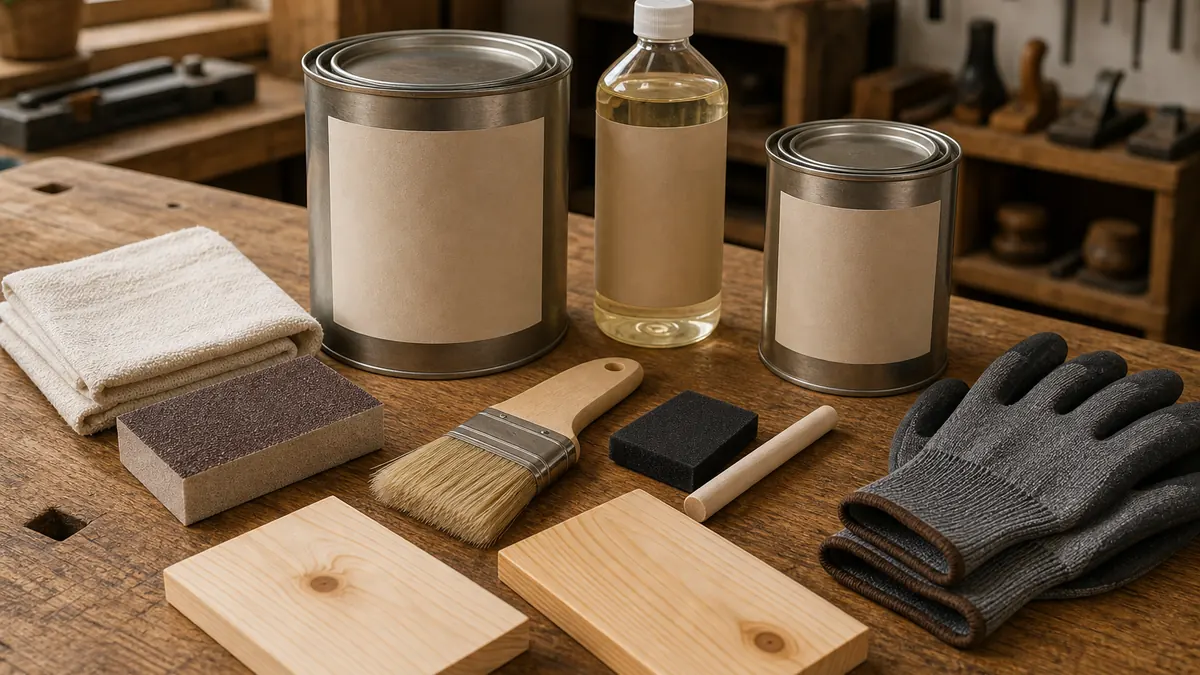
- Fill dents, cracks, or nail holes if needed.
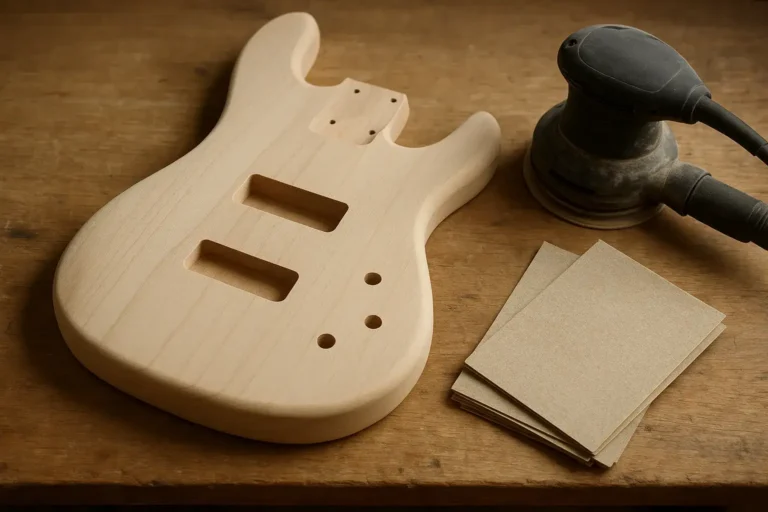
- Sand pine evenly with the right grit for the finish system.
- Remove dust with vacuum, tack cloth, or a clean lint-free rag.
- Seal knots if the project needs knot control.
- Use pre-stain conditioner if applying penetrating stain.
- Test the finish on scrap pine or a hidden area.
- Apply thin, even coats.
- Sand lightly between film-forming coats if the product instructions recommend it.
- Let the final coat cure before heavy use.
Dry Time and Recoat Times by Finish Type
Recoat windows vary a lot between finish types. The gap matters if you are trying to finish a pine project over a weekend instead of a week. Treat these as typical ranges and always check the can, because humidity and cold push every time longer.
| Finish Type | Typical Dry or Recoat Time | Notes |
|---|---|---|
| Water-based polyurethane | About 2 hours between coats | Minwax lists 2 hours dry and recoat for its Water Based Oil-Modified Polyurethane; scuff sand with 220 grit between coats |
| Oil-based polyurethane | Several hours for fast-drying formulas, up to a day for standard ones | Stronger odor; longer cure before heavy use |
| Pre-stain conditioner | Stain within 30 minutes to 2 hours | General Finishes: never let it dry overnight before staining |
| Gel stain | Plan on overnight or longer before a topcoat | Wiped on and wiped off; thick coats take much longer to cure |
| Dewaxed shellac | Roughly 30 to 60 minutes between coats | Fastest recoat of the group; not water-resistant like polyurethane |
Rushing the wait between conditioner and stain, or between stain and topcoat, is one of the most common causes of blotchy or sticky pine.
Three Pine Finishing Myths That Cause Blotchy Results
Myth 1: gel stain means you can skip conditioner. Gel stain’s thick, pigment-heavy body does cut blotching, so it is more forgiving than a thin penetrating stain. On soft, blotch-prone woods like pine, though, General Finishes still recommends its pre-stain conditioner, which reduces blotching but does not remove it entirely. Treat gel stain as a second line of defense, not a replacement for conditioner on a dark color.
Myth 2: a longer wait after conditioner is safer. It is not. General Finishes tells users to let its conditioner dry at least 30 minutes but no more than 2 hours before staining, and never to let it dry overnight before stain goes on. Condition one panel at a time, and stain within the window on the can.
Myth 3: water-based polyurethane is one coat and done. Water-based finish tends to raise the grain on bare wood, so the first coat can dry rough. Minwax’s directions for its Water Based Oil-Modified Polyurethane call for a thin coat, a 2 hour dry, then a light sanding of the whole surface with 220 grit before the next coat. That scuff sand is what turns a fuzzy first coat into a smooth tabletop.
Common Pine Finishing Mistakes
Staining pine without testing
Pine can turn blotchy very quickly. Always test the stain, conditioner, and topcoat on scrap or a hidden area before finishing the whole project.
Skipping pre-stain conditioner
Conditioner is not required for every clear finish, but it is often helpful when staining pine with regular penetrating stain.
Using oil-based finish when you want pine to stay pale
Oil-based finishes often add amber color. Use water-based polyurethane if you want a clearer, lighter pine look.
Using indoor finish outdoors
Outdoor pine needs exterior-rated protection. Indoor polyurethane or wax is not enough for rain and sun exposure unless the product is specifically rated for exterior use.
Applying thick coats
Thick coats can cause runs, bubbles, sticky spots, and uneven drying. Thin coats usually give a smoother finish.
Ignoring knots
Knots can darken, bleed, or show strongly through paint and clear finishes. Seal knots when the project requires a cleaner finish.
Best Finish for Pine Wood: Final Recommendation
The best finish for most indoor pine wood is water-based polyurethane if you want a clear, light, natural look. Choose oil-based polyurethane if you want a warmer amber tone. Choose gel stain or pre-stain conditioner plus stain if you want to add color while reducing blotching. Choose exterior stain, exterior sealer, or spar urethane for outdoor pine.
The most important rule is to match the finish to the job. Pine is soft, blotch-prone, and easy to color unevenly, so test the full finishing process before applying it to the entire project. Sand evenly, seal knots when needed, use conditioner before staining, and choose a topcoat that matches the amount of wear and exposure the pine will face.
Not sure which sealer or barrier coat goes under your finish? See our guide on what to seal pine with for sealer choice by project, including fences and tongue and groove.
FAQs About the Best Finish for Pine Wood
What is the best clear finish for pine wood?
The best clear finish for pine wood is usually water-based polyurethane if you want a light natural look. Use oil-based polyurethane if you want a warmer amber tone.
What is the best finish for pine furniture?
The best finish for pine furniture is water-based polyurethane for a clear modern look, oil-based polyurethane for warmth, or gel stain plus a clear topcoat if you want color.
What is the best stain for pine wood?
The best stain for pine wood is often gel stain or a regular stain used after pre-stain conditioner. Pine absorbs stain unevenly, so conditioning and testing are important.
Should I use polyurethane on pine?
Yes, polyurethane is a good protective finish for many indoor pine projects. Water-based polyurethane keeps pine lighter, while oil-based polyurethane adds amber warmth.
How do you finish pine without it turning yellow?
Use a water-based polyurethane or water-based clear finish if you want pine to stay lighter. Avoid oil-based finishes if you do not want amber or yellow tones.
How do you stain pine without blotching?
Sand evenly, remove dust, use pre-stain conditioner, test the color, or use gel stain. These steps help reduce blotchy absorption on pine.
What is the best finish for outdoor pine?
The best finish for outdoor pine is an exterior-rated stain, sealer, or spar urethane. Indoor clear finishes are not enough for outdoor rain, sun, and temperature changes.
Is shellac good for pine?
Shellac can be good for interior pine, especially for sealing knots or creating a warm traditional look. It is not usually the best choice for wet or heavy-use surfaces.
Should pine be sealed before staining?
Pine often benefits from pre-stain conditioner before staining. This helps reduce uneven absorption and blotchy color.
Sponsored / affiliate links. As an Amazon Associate I earn from qualifying purchases. I may earn additional commission from eligible campaigns.