Does Polyurethane Make Wood Waterproof? The Real Answer
Polyurethane offers excellent water resistance, but it does not make wood completely waterproof. It forms a protective barrier that slows water absorption, preventing immediate damage. However, prolonged exposure or deep saturation can still lead to issues like swelling or rot, especially in untreated wood. True waterproofing requires additional specialized treatments or different materials.
What Polyurethane Does for Wood
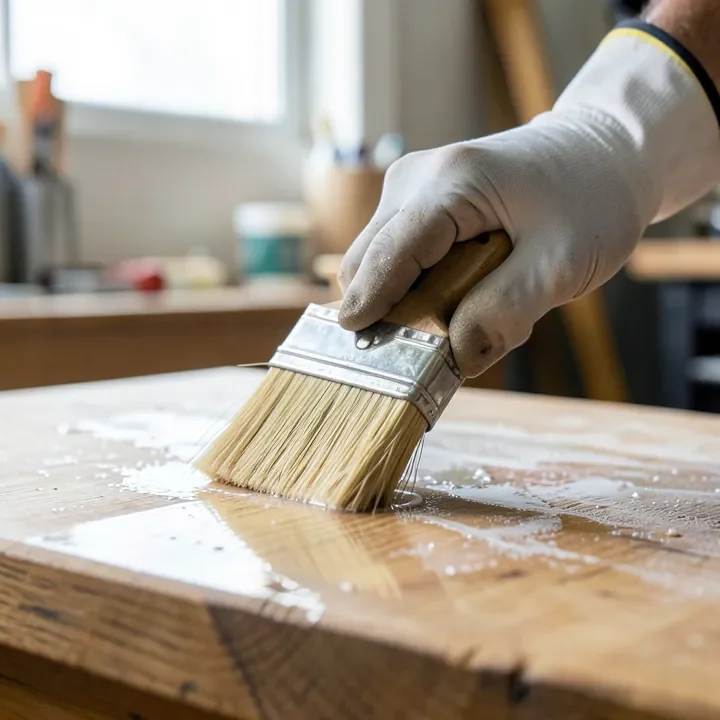
Polyurethane is a type of plastic coating. It’s made from polymers. When you brush it onto wood, it dries and hardens.
This creates a tough, clear layer. Think of it like a plastic wrap for your wood. This layer sits on top of the wood’s surface.
It acts as a barrier. This barrier has a big job. It’s mainly there to protect the wood from everyday wear and tear.
It also shields it from spills and moisture. That’s why people reach for it so often. It seems like a solid defense.
Many woodworkers and DIYers rely on it. They trust it to keep their creations looking good for years.
There are different kinds of polyurethane. Oil-based and water-based are the most common. Oil-based ones tend to be tougher.
They also give wood a warmer, amber tone. Water-based ones dry clear. They are also easier to clean up.
But they might not be as durable as oil-based ones. Both types, however, aim to do the same thing for your wood. They want to give it a protective coat.
This coat is essential for most wood items. Especially those that will see some use. This includes things like kitchen counters, tables, and even floors.
They all face a risk from liquids.
The hardness of the dried polyurethane film is key. It’s what gives the protection. It resists scratches.
It also resists chips. This is a big plus for furniture. It’s also good for things like cabinets.
The main point is that it forms a surface that liquids have to get through. This takes time. It’s not like the wood is just sitting there exposed.
The polyurethane layer is the first line of defense. It’s a physical barrier. This barrier is what people think of when they hear “waterproof.” But the reality is a bit more nuanced than that.
How Polyurethane Resists Water
When you spill water on a table finished with polyurethane, a few things happen. The water beads up. It sits on the surface of the finish.
It doesn’t immediately soak into the wood. This is a good thing. It gives you time to wipe it away.
This beading action is a sign of good water resistance. The polyurethane surface is smooth and non-porous. Water molecules have a hard time sticking to it or penetrating it quickly.
It’s like water on a well-waxed car. It just rolls off.
The strength of this resistance depends on several factors. The type of polyurethane matters. Thicker coats offer more protection than thin ones.
The number of coats applied also plays a big role. More coats mean a thicker, more complete barrier. The quality of the polyurethane itself is important too.
High-quality finishes are formulated for better durability and resistance. Even the way the polyurethane is applied can affect its performance. Smooth, even coats with no gaps are best.
Any missed spots are weak points.
However, this resistance is not absolute. Think of it as a shield, not a solid wall. If water sits on the surface for a long time, it can start to find ways in.
It might seep into tiny cracks or imperfections in the finish. It can also work its way around the edges where the finish meets the wood. Or if the wood itself has pores that the finish didn’t fully seal.
This is where the line between water-resistant and waterproof gets blurry. For most household spills, it works great. But it’s not designed for submersion.
Why Polyurethane Isn’t Truly Waterproof
The term “waterproof” means completely preventing water from passing through. Polyurethane doesn’t achieve this level of protection. It slows down water.
It resists it. But it doesn’t stop it entirely, especially under certain conditions. Wood itself is a natural material.
It’s porous. It breathes. It can absorb moisture.
Polyurethane seals the surface, but the wood underneath can still be affected by humidity. If water gets past the finish, the wood can swell. It can even rot over time.
Consider a wooden cutting board. If you leave it soaking in the sink, even if it has a good polyurethane finish, it will eventually absorb water. The finish might prevent immediate damage.
But the wood will still swell. This can cause it to warp or crack. The finish might even start to peel or break down under prolonged wetness.
This is because wood’s natural properties are still at play. Polyurethane adds a layer, but it doesn’t change the wood’s fundamental nature.
Another point is temperature. Extreme heat can sometimes cause finishes to expand. This can create tiny gaps.
Water could then get through. Freezing temperatures can also affect the integrity of the finish. While less common for indoor furniture, these factors show that the protection isn’t forever or for all situations.
True waterproofing often involves materials that are inherently non-porous. Or treatments that force water out and keep it out, like certain resins or sealants used in boat building.
Polyurethane vs. True Waterproofing
What Polyurethane Does:
- Creates a protective barrier
- Resists spills and light moisture
- Slows down water absorption
- Helps prevent immediate staining
- Increases durability of wood surface
What True Waterproofing Means:
- Completely prevents water penetration
- Protects against prolonged submersion
- Maintains wood integrity under extreme wetness
- Often involves materials that don’t absorb water
- Requires specialized coatings or construction
Real-World Scenarios and Polyurethane’s Limits
Let’s think about a kitchen table. It gets daily use. Coffee spills, water rings from glasses, maybe a dropped spoonful of soup.
For these common incidents, a well-finished polyurethane table does a fantastic job. You wipe up the mess quickly. The table is fine.
The finish has done its job. It prevented the liquid from soaking into the wood and leaving a stain or a warp mark. Most homeowners are happy with this level of protection.
It’s practical for everyday life.
Now, imagine that same table left uncovered during a major flood or a burst pipe. The water level rises and stays there for hours. This is where polyurethane starts to fail.
The wood will inevitably absorb moisture. The finish itself can start to bubble or peel. Once water gets under the finish, it can cause rot.
It can also lead to mold and mildew growth within the wood. The damage can be severe. It goes beyond a simple spill.
This is a scenario where “water-resistant” is not enough.
Outdoor furniture is another common area where people use polyurethane. A porch chair or a deck railing might get rained on. Polyurethane can help protect it from the elements.
But it’s not a foolproof solution for outdoor use. Rainwater can collect in crevices. It can seep into any small cracks.
Over time, this constant exposure to moisture and UV rays from the sun will break down the polyurethane. It will start to chalk or flake off. The wood underneath will then be exposed and vulnerable.
I remember a friend who tried to use polyurethane on an outdoor planter box. They wanted it to look nice and last long. They applied several coats.
For the first few months, it looked great. Then the summer rains started. The planter sat outside, getting soaked.
Eventually, the finish began to look dull. Water started to pool at the bottom. The wood at the base of the planter got very wet.
It started to soften. The polyurethane just couldn’t keep up with that constant saturation. They ended up having to replace the wood and use a different sealant specifically designed for outdoor, ground-contact use.
Quick Scan: Polyurethane Protection Levels
| Situation | Polyurethane Performance | Likely Outcome |
|---|---|---|
| Kitchen counter spill (quick wipe) | Excellent | Wood protected, no damage |
| Drink rings on a table (hours) | Good | May leave a faint mark, but wood likely okay |
| Outdoor furniture in light rain | Fair | Offers some protection, but needs maintenance |
| Wooden boat hull in water | Poor | Will not prevent water absorption or rot |
| Submerged object for days | Very Poor | Wood will absorb water, finish may fail |
When Polyurethane Is Your Best Bet (And When It Isn’t)
So, when is polyurethane the right choice? It’s excellent for most indoor wooden items. Think furniture like coffee tables, dining tables, end tables, and cabinets.
It’s also great for wood paneling, doors, and trim inside your house. For these applications, its water resistance is more than enough. It provides durability against spills, splashes, and general moisture that is part of daily living.
It also offers protection from scratches and scuffs, making your wood items look newer for longer.
Its ease of use is another big plus. Most people can apply polyurethane successfully with a little practice. The cleanup is usually simple, especially with water-based formulas.
The variety of sheens, from matte to high gloss, lets you achieve different looks. This flexibility makes it a go-to for many projects. The key is matching the finish to the expected environment.
For things that won’t be directly exposed to heavy water for long periods, polyurethane is a solid, reliable choice.
However, polyurethane is NOT the best choice for items that will be constantly wet or submerged. This includes things like:
- Outdoor furniture that stays outside year-round.
- Boat hulls or decks.
- Wooden elements in bathrooms or saunas that get very steamy.
- Items that will sit in puddles or standing water.
- Projects where total immersion in water is a possibility.
In these cases, you need specialized sealants or treatments. These are designed to handle much harsher conditions. They might involve epoxies, marine-grade varnishes, or pressure treatments for wood.
These materials offer a much higher level of water barrier. They are built for environments where polyurethane would quickly fail.
Contrast: Polyurethane vs. Marine Varnish
Polyurethane
- Best For: Indoor furniture, cabinets, trim.
- Water Protection: Water-resistant (slows absorption).
- Durability: Good against wear and light spills.
- UV Resistance: Moderate (can degrade in direct sun).
- Application: Relatively easy for DIYers.
- Use Case: Everyday indoor use.
Marine Varnish
- Best For: Boats, outdoor furniture exposed to harsh weather, high-traffic outdoor areas.
- Water Protection: Highly water-repellent and protective.
- Durability: Excellent against water, UV rays, and harsh elements.
- UV Resistance: Excellent, contains UV inhibitors.
- Application: Can be more involved, often requires specific prep.
- Use Case: Extreme conditions, prolonged exposure to water and sun.
Factors Affecting Polyurethane’s Water Resistance
You might be wondering what else influences how well polyurethane protects wood. It’s not just about the finish itself. Several other things come into play.
The type of wood is a big one. Some woods are naturally more dense and less porous. This means water has a harder time getting in, even if the finish isn’t perfect.
Oak, for example, is quite dense. Pine, on the other hand, is much softer and more porous.
The condition of the wood before finishing matters. If the wood is already damaged, dried out, or has cracks, the polyurethane might not seal those areas completely. Small gaps can be entry points for water.
Also, if the wood has a lot of natural oils or resins, it might affect how well the polyurethane adheres. Proper surface preparation is crucial. Sanding the wood smooth creates an even surface.
This helps the polyurethane lay down evenly and form a continuous film.
The application process itself is a major factor. Applying polyurethane in thin, even coats is important. Multiple thin coats are better than one thick coat.
This ensures a uniform thickness and coverage. You want to avoid drips, runs, or holidays (missed spots). Each of these can be a weak point where water can eventually penetrate.
Letting each coat dry fully before applying the next is also key. This allows the finish to cure properly and build its protective strength.
Finally, environmental conditions during application and curing matter. Applying polyurethane in a humid or very cold environment can affect its ability to form a strong, protective film. The finish needs to cure correctly to reach its maximum hardness and resistance.
If the curing process is rushed or happens under poor conditions, the finish might not perform as well as it should. This is why reading and following the manufacturer’s instructions is always a good idea. They provide guidance for the best results.
Key Elements for Polyurethane Performance
1. Wood Type: Denser woods (like oak) are naturally more resistant.
2. Surface Prep: Smooth, clean wood ensures better adhesion.
3. Application Quality: Even coats, no gaps, no drips.
4. Number of Coats: More coats build a thicker barrier.
5. Curing Conditions: Proper temperature and humidity are vital.
6. Wood Condition: Avoid finishing damaged or cracked wood.
What This Means For Your Projects
For most of your indoor furniture and decor projects, polyurethane offers excellent protection. It’s a good balance of durability, ease of use, and affordability. You can be confident that your dining table can handle a spilled drink or your desk can withstand a damp cloth.
The key is to apply it correctly. Make sure you put on enough coats. Allow it to cure fully.
This will give you the best water resistance possible from polyurethane.
However, it’s vital to be realistic about its capabilities. If you’re building something that will live outdoors, or be in constant contact with water, polyurethane is likely not the best final finish. You’ll need to look into specialized products.
These are made for those tougher environments. Ignoring this can lead to disappointment. Your project might get damaged sooner than you expect.
It’s always better to choose the right tool for the job from the start.
Think about the intended use of your wood item. Will it be in a dry, climate-controlled room? Or will it face the elements?
This question is the most important one. It will guide you to the right finishing product. For instance, a wooden toy for a child is different from a deck chair.
Both need protection, but the type of protection needed varies greatly. Understanding polyurethane’s limits helps you avoid costly mistakes and ensures your projects last.
Simple Checks and When to Worry
How can you tell if your polyurethane finish is still doing its job? One of the easiest checks is the water bead test. Sprinkle a few drops of water on the surface.
If the water beads up nicely, the finish is likely intact and performing well. If the water spreads out into a thin film or soaks in quickly, it’s a sign that the finish might be worn, damaged, or simply not present in that spot.
Another sign is visible wear. Look for scratches, chips, or dull areas. If the finish looks chalky, especially on outdoor items, it’s breaking down.
You might also notice the wood itself starting to look lighter or darker in certain areas where moisture has penetrated. For indoor items, watch for white rings or cloudy spots. These often indicate moisture trapped beneath the finish.
This is a sign that the water resistance has been compromised.
When should you worry? You should worry if you see significant damage to the finish. This includes deep scratches that go through the polyurethane.
Or if the finish is peeling or flaking off. Also, if you notice the wood itself starting to discolor or swell. Any signs of rot or mold are serious concerns.
For outdoor items, if you see the finish consistently failing to protect against rain or dew, it’s time to reapply or switch to a more robust finish. Don’t wait for the wood to be severely damaged.
Quick Tips for Better Water Resistance
If you’re using polyurethane and want to maximize its water resistance, here are a few tips:
- Choose the Right Type: For maximum durability, consider a high-quality oil-based polyurethane for indoor projects.
- Apply Multiple Coats: Aim for at least 3-4 coats for most furniture. For tabletops or areas with heavy use, 5-6 coats can be beneficial.
- Follow Drying Times: Allow each coat to dry completely before applying the next. Check the product instructions for specific times.
- Sand Lightly Between Coats: A light sanding with very fine-grit sandpaper (like 220 or 320 grit) between coats can help improve adhesion and create a smoother surface.
- Seal All Sides: For items like tabletops or cabinet doors, seal all six sides. This helps prevent the wood from absorbing moisture from any direction and reduces the risk of warping.
- Pay Attention to Edges: Ensure the edges and corners are well-coated. These are often areas where moisture can start to penetrate.
- Consider a Top Coat for High-Use Areas: For kitchen counters or dining tables, a high-performance top coat or a specialized furniture finish might offer even better protection than standard polyurethane.
- Regular Maintenance: Even the best finish benefits from care. Wipe up spills quickly. Avoid harsh cleaners. Reapply a maintenance coat if the finish starts to show wear.
Frequently Asked Questions
Does polyurethane protect against humidity?
Polyurethane helps to reduce the rate at which wood absorbs moisture from humid air. It acts as a barrier. However, it doesn’t completely block humidity.
Wood can still absorb some moisture over time, which can lead to minor expansion and contraction. For very high humidity environments, more specialized seals might be needed.
Can I use polyurethane on cutting boards?
It’s generally not recommended to use standard polyurethane on food-contact surfaces like cutting boards. While some food-safe finishes exist, polyurethane is not typically designed for this. The concern is that the finish could chip or wear away, and it’s not meant to be ingested.
Special food-grade mineral oil or beeswax finishes are better choices for cutting boards.
How long does polyurethane protection last?
The lifespan of polyurethane protection varies greatly. For indoor furniture with normal use, a good finish can last many years. For outdoor items, or surfaces that see heavy wear, it might need reapplication every 1-3 years.
Factors like UV exposure, temperature changes, and physical abrasion all shorten its life.
What is the difference between polyurethane and varnish?
Both polyurethane and varnish are protective finishes for wood. Polyurethane is a type of synthetic polymer that forms a very hard and durable plastic-like film. Varnish is a broader term and traditionally refers to a mixture of resins, solvents, and drying oils.
Marine varnish, for example, is a type of varnish specifically formulated for extreme outdoor conditions and UV resistance, offering a higher level of protection than most standard polyurethanes.
Can polyurethane prevent water stains?
Yes, a good coat of polyurethane can prevent most common water stains from forming on wood. The finish creates a barrier that prevents water from directly contacting the wood surface. This is why it’s effective at preventing those white rings from glasses or mugs.
However, if the finish is compromised or the water sits for too long, stains can still occur.
Is a water-based or oil-based polyurethane better for water resistance?
Generally, oil-based polyurethanes tend to offer slightly better water resistance and durability than water-based polyurethanes. They also create a thicker, more robust film. However, modern water-based polyurethanes have improved significantly and offer good protection for most indoor applications, with the added benefits of faster drying times and easier cleanup.
Final Thoughts
So, to circle back to our original question: does polyurethane make wood waterproof? The answer is a clear no. It makes wood water-resistant, and often very well-resistant for everyday use.
It’s a fantastic protective finish for many indoor projects. It shields your wood from spills and moisture. But it’s not a shield against constant soaking or harsh outdoor elements.
Understanding this difference is key to choosing the right finish. It helps you protect your woodworking projects effectively and keeps them looking great for years to come.
},
},
},
},
},
} ] }