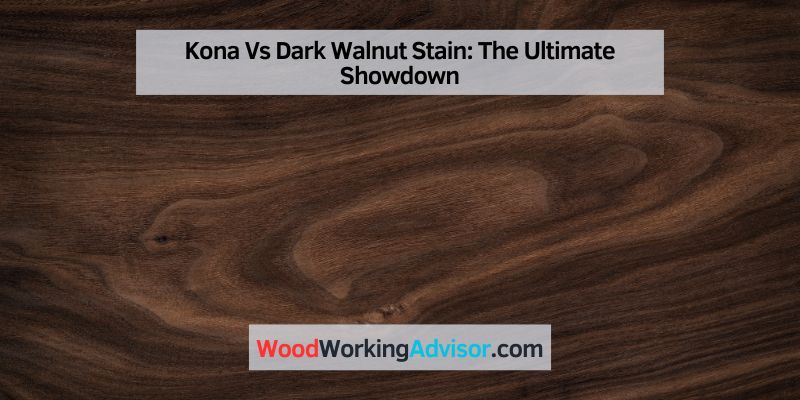
Kona vs Dark Walnut Stain: Which One Should You Use?
Kona is a Varathane color — a warm, reddish-brown oil stain that dries to the touch in 1 hour and covers up to 275 sq. ft. per quart in one coat. Dark Walnut is a Minwax color — a cooler, deep brown that typically needs about 2–3 hours to recoat and covers roughly 500–600 sq. ft. per gallon. Recoat too early on the wrong product’s schedule and you’ll get a blotchy, uneven finish. This guide compares undertone, wood-species fit, coverage, and real per-can pricing for both.
[Insert Affiliate Disclosure reusable block here]
What “Kona” and “Dark Walnut” Actually Mean
Best Kona & Dark Walnut Stain Pick
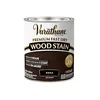
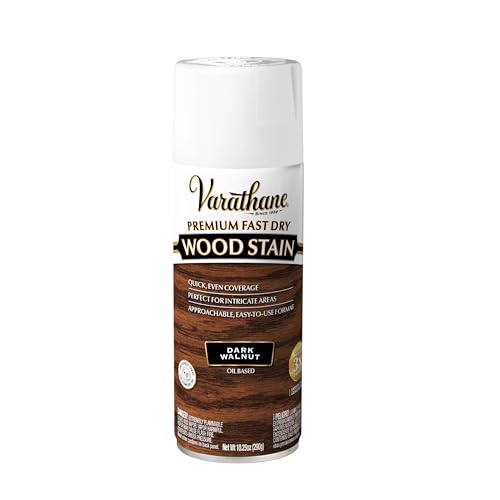
Varathane Premium Fast Dry Kona Wood Stain (Quart)
The exact “Kona” color this article compares — warm reddish-brown, one coat, dry to the touch in 1 hour.
- Best for: same-day staining projects on oak, maple, or pine
- Why we picked it: fastest legitimate dry time in this comparison, no pre-stain step required by the label
- Main drawback: warm undertone can clash with cool gray decor
Compare more Kona and Dark Walnut stain options
 Option 1 Minwax Dark Walnut Oil-Based Wood Stain
|
 Option 2 Lint-Free Stain Applicator Sponges (2-Pack)
|
 Option 3 Varathane Pre-Stain Wood Conditioner
|
As an Amazon Associate we earn from qualifying purchases.
Most comparisons treat “Kona” and “Dark Walnut” as if they’re two generic shades anyone can mix. They’re not — they’re specific color names that belong to two different manufacturers, and that difference is exactly why shoppers get confused hunting for one at the wrong store.
Kona is a color in the Varathane Premium Fast Dry Wood Stain lineup — an oil-based, one-coat formula built for speed. Dark Walnut (color 2716) is a color in the Minwax Wood Finish lineup, the brand’s long-running oil-based interior stain line. If you walk into a store looking for “Minwax Kona” or “Varathane Dark Walnut,” you’ll find a different product with a similar name instead — Varathane does sell its own “Dark Walnut” shade, and it looks noticeably different from Minwax’s version because the pigment blend isn’t the same.
That brand distinction also explains most of the application differences searchers run into: Kona’s fast-dry oil formula behaves differently on the wood than Minwax’s standard-dry formula, even though both are technically “oil-based stains.” For the full range of wood stain colors and how to choose between them, see our stain hub.
Kona vs Dark Walnut: Side-by-Side Comparison
These figures come directly from each product’s own manufacturer listing — not estimates — so you can plan coats and dry time before you buy.
| Spec | Kona (Varathane) | Dark Walnut (Minwax) |
|---|---|---|
| Undertone | Warm, reddish-brown | Cooler, deep brown |
| Base | Oil-based, nano-pigment | Oil-based, semi-transparent |
| Coats needed | 1 coat, full color | 1 coat, full color |
| Dry / recoat time | Dries to touch in 1 hour | Recoat in 2–3 hours |
| Coverage | Up to 275 sq. ft. per quart | 500–600 sq. ft. per gallon (~125–150 sq. ft./qt) |
| Typical street price | ~$14.87/quart | ~$22.32/half pint |
| Best for | Same-day projects, warm-toned rooms | Traditional/classic wood tones, cooler palettes |
One myth worth correcting: several comparison articles claim Dark Walnut “needs 2 coats and 8 hours to cure.” Minwax’s own product page lists 1 recommended coat and a 2–3 hour recoat window — the 8-hour figure floating around online is closer to a full-cure time for a topcoat, not the base color coat. If you only need color (no topcoat yet), you’re back to sanding or applying finish the same day with either product.
Which Stain Should You Buy?
If your room leans warm (oak trim, terracotta tile, brass fixtures), Kona’s reddish undertone will read as intentional instead of clashing. If you’re matching cooler grays or want a more traditional look, Dark Walnut blends in better. Either way, an oil-based stain on a blotch-prone wood (pine, birch, maple) still benefits from a pre-stain conditioner — skip that step and you’ll see the same patchiness on either product.
Kona Stain in Detail
Kona is a deep, warm reddish-brown oil stain in Varathane’s Premium Fast Dry line. It’s built to lay down full color in a single coat and dry to the touch in about an hour, which is why it shows up so often in weekend-refinish projects and rental-flip jobs where the wood needs to be sandable or top-coatable the same day.
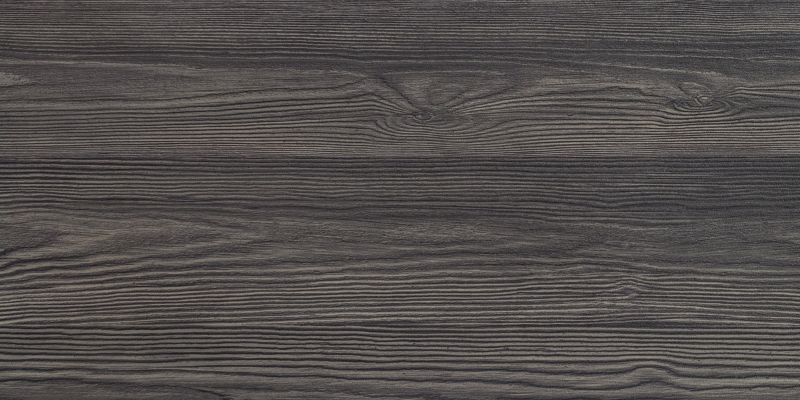
- Undertone: warm, reddish-brown — closer to a deep coffee color than a true black-brown
- Wood grain: the nano-pigment formula sits close to the surface, so grain stays visible on oak, maple, and pine
- Prep needed: the label doesn’t require a pre-stain conditioner, but blotch-prone softwoods (pine, birch) still look better with one
- Where it struggles: can obscure fine carving detail on ornate trim because of how dark and saturated one coat gets
Dark Walnut Stain in Detail
Dark Walnut (Minwax color 2716) is a cooler, deep brown from Minwax’s Wood Finish line — the same product family that’s been the default “dark brown” stain in most hardware stores for decades. It leans less red than Kona, which is why designers reach for it when they want a stain that won’t fight with gray or neutral color schemes.
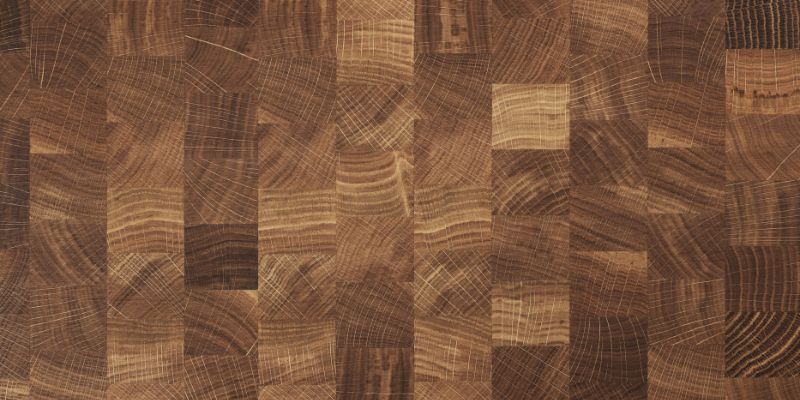
- Undertone: cooler, deep brown — reads closer to traditional walnut wood tone than Kona does
- Wood grain: preserves grain and carved detail better than very dark, opaque stains like Ebony
- Prep needed: like any oil stain, benefits from a pre-stain conditioner on pine, birch, cherry, and maple
- Where it struggles: on very light woods it can look muddy without a lighter base coat or conditioner first
Best Wood Types for Kona vs Dark Walnut
Neither stain is limited to one species, but the undertone interacts differently with what’s already in the wood.
Oak and maple take both stains well because their grain is open enough to absorb color evenly. Kona’s warmth plays up oak’s natural amber cast; Dark Walnut mutes it toward a cooler brown instead.
Pine, birch, and other soft, tight-grained woods are the ones that get blotchy with either product — this is a property of oil-based stain on soft wood generally, not something unique to Kona or Dark Walnut. See our guide on why wood stain colors on pine never match the can for the mechanism. A pre-stain conditioner (see the product box above) closes that gap on both.
Actual walnut wood is where the naming gets confusing fastest. If you’re staining real walnut lumber, you often don’t need Dark Walnut stain at all — walnut is already dark. Our walnut vs. dark brown comparison covers when to skip stain entirely and just seal the wood.
If you’re deciding between either of these and a third, even darker option, our Dark Walnut vs. Espresso comparison breaks down where the near-black stains fit in.
Common Mistakes When Applying Kona or Dark Walnut
- Recoating Dark Walnut on Kona’s schedule: Kona is dry to the touch in about an hour, but Minwax’s own guidance is a 2–3 hour recoat window for Wood Finish stains. Recoat too soon and the second coat lifts the first instead of deepening it.
- Skipping a scrap-wood test: both stains read differently depending on the wood’s existing tannins and moisture content. A 2-minute test on an offcut prevents a redo on the actual project.
- Applying oil stain over an existing water-based finish: neither Kona nor Dark Walnut will penetrate a sealed or previously finished surface — strip or sand back to bare wood first. See how to fix blotchy wood stain if this has already happened.
- No pre-stain conditioner on pine or birch: both products will blotch on soft, tight-grained wood without one — this isn’t a defect in either stain, it’s how oil stain behaves on that wood type.
- Wiping with a dry rag too soon: excess stain left to sit past the manufacturer’s window dries tacky and uneven, especially with Kona’s faster set time. Wipe excess within the product’s stated working time, not “whenever it looks dry enough” — see how to fix uneven stain on hardwood floors if this already happened.
- Staining in cold or humid conditions: both are oil-based and cure slower than the can states below about 65°F. See our guide on staining wood in cold weather for the actual cutoff.
Frequently Asked Questions
What color is Kona wood stain?
Kona is a warm, reddish-brown oil stain from Varathane’s Premium Fast Dry line. It’s darker and more saturated than a typical medium brown but leans warmer than near-black stains like Ebony or Espresso.
Is Kona the same stain as Minwax Dark Walnut?
No. Kona is a Varathane color; Dark Walnut (2716) is a Minwax color. They’re different pigment formulas from different manufacturers, so a can labeled one name won’t match the other even though both are described as “dark brown.”
Does Dark Walnut stain need a pre-stain wood conditioner?
On oak, maple, and other open-grain hardwoods, usually not. On pine, birch, and other tight-grained softwoods, yes — without one, Dark Walnut (and Kona) can absorb unevenly and blotch.
Which dries faster, Kona or Dark Walnut?
Kona, by a wide margin. Kona is dry to the touch in about 1 hour per the product label, while Minwax’s own guidance for Wood Finish stains like Dark Walnut is a 2 to 3 hour recoat window.
Can you mix Kona and Dark Walnut stain together?
Yes, since both are oil-based stains, but always test the blend on scrap wood first — different manufacturers use different pigment bases, so results can vary even within the same oil-based category.
Is Dark Walnut stain warm or cool?
Cool, relative to Kona. Dark Walnut still has some brown warmth, but its undertone reads cooler and more neutral than Kona’s reddish cast, which is why it blends more easily with gray or neutral rooms.
Conclusion
Kona and Dark Walnut solve two different problems, not the same problem in two colors. Kona is the pick when you want a warm, same-day finish and don’t mind a reddish cast. Dark Walnut is the pick when you want a cooler, more traditional brown that blends into a wider range of existing decor — and you’re willing to give it a slightly longer recoat window. Test both on your actual wood species before committing; undertone shifts more on real lumber than any color chip can show.
Sponsored / affiliate links. As an Amazon Associate I earn from qualifying purchases. I may earn additional commission from eligible campaigns.