Varathane Wood Stain Color Chart (75 Colors, 4 Product Lines)
Varathane stain colors span four core lines (Premium Wood Stain, 27 colors; Premium Fast Dry, 34; Water-Based, 9; One Step Stain and Poly, 5) plus gel stains, but the same color name dries and covers differently in each. Pick the line by dry time and coverage before you pick a shade. This chart lists every color by line, compares real specs, and sorts Varathane’s 155 official color blends by family.
Quick Answer
Fast Dry (34 colors) recoats in 1 hour and covers up to 275 sq ft per quart. Premium Wood Stain (27 colors) recoats in 2 hours at 125 to 150 sq ft. Water-Based (9 colors) covers about 100 sq ft. Any pair on Varathane’s blend chart mixes 1 to 1 into a custom shade, no conditioner needed.
Varathane Wood Stain Color Chart by Product Line
Best Fast-Dry Stain Pick | |
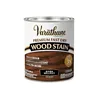 |
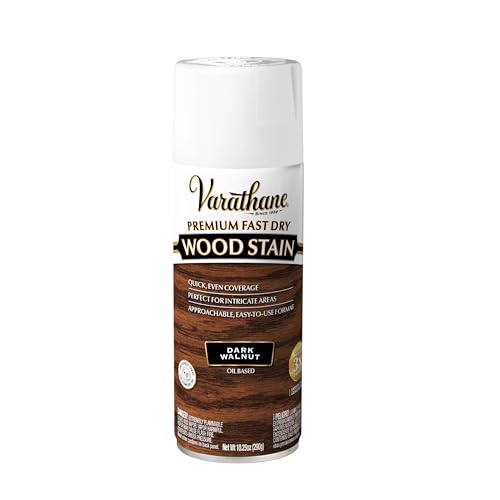
Varathane Premium Fast Dry Wood Stain, Dark Walnut (Quart), $15.97 Dark Walnut is a Fast Dry color and sits in 19 of the 155 official Color Blends pairs charted below, so one quart works straight or as a blend base.
|
As an Amazon Associate we earn from qualifying purchases.
Varathane’s color names repeat across product lines (Dark Walnut, for example, appears in all four core lines), but the formula changes the dry time, coverage, and how long you can leave stain on before wiping. Browse the full wood finishing guide if you are still deciding between stain types altogether.
Premium Wood Stain (27 Colors – Oil-Based, Satin)
Varathane’s original oil-based line uses a soya-oil base, per its Rust-Oleum product page. The data sheet (VAR-03) lists a 1 to 2 hour touch time, a 2 hour recoat and 125 to 150 sq ft per quart, with a 5 to 10 minute wait before wiping. Colors group loosely by name: grays and near-neutrals (Classic Black, Smoke Gray, Gray Stone, Natural), light golden tones (Summer Oak, Golden Pecan, Colonial Maple, Ipswich Pine, Spring Oak, Golden Oak), warm browns (Provincial, Golden Mahogany, Light Walnut, Chestnut, Gunstock, Early American, American Walnut), reds (Red Oak, Red Mahogany, Red Chestnut, Cabernet, Light Cherry, Traditional Cherry, Black Cherry), and dark tones (Dark Walnut, Espresso).
| Color Name | Color Name | Color Name |
|---|---|---|
| Classic Black | Smoke Gray | Gray Stone |
| Natural | Summer Oak | Golden Pecan |
| Colonial Maple | Traditional Pecan | Ipswich Pine |
| Spring Oak | Golden Oak | Provincial |
| Golden Mahogany | Light Walnut | Light Cherry |
| Chestnut | Traditional Cherry | Red Oak |
| Red Mahogany | Red Chestnut | Cabernet |
| American Walnut | Gunstock | Early American |
| Dark Walnut | Black Cherry | Espresso |
Premium Fast Dry Wood Stain (34 Colors – 1-Hour Dry, One Coat)
Still oil-based, but built with nano pigments to reach full color in one coat and recoat in 1 hour. Varathane’s data sheet (VAR-09) rates practical coverage at 225 to 275 sq ft per quart, so 275 is the best case, not the average. Fast Dry is also the line most Color Blends pairs use (see below), and it has the widest range of the four, including blues (Midnight Blue, Bleached Blue, Vintage Aqua, Vintage Denim, Worn Navy) and grays (Carbon Gray, Fogstone, Weathered Gray, Briarsmoke) that the standard Premium line lacks.
| Color Name | Color Name | Color Name |
|---|---|---|
| Cognac | Jet Black | Midnight Blue |
| Sandstone | Antique White | Sunbleached |
| Bleached Blue | Vintage Aqua | Spring Oak |
| Ipswich Pine | Traditional Pecan | Light Walnut |
| Traditional Cherry | Golden Mahogany | Cedarwood |
| Western Oak | Roanoke | Olive Brown |
| Briarsmoke | Golden Oak | Gunstock |
| Early American | Dark Walnut | Fogstone |
| Vintage Denim | Rustic Sage | Worn Navy |
| Carbon Gray | Kona | Cabernet |
| Black Cherry | Weathered Gray | Ebony |
| Barn Red |
Water-Based Wood Stain (9 Colors – 2-Hour Dry, Low VOC)
Varathane’s low-odor option for indoor projects. Its data sheet (VAR-89) lists a 90 minute touch time, a 2 hour recoat, a VOC level under 250 g/L and coverage of up to 100 sq ft per quart, so plan on buying more of it for the same surface. Apply it with a lint-free cloth, not a bristle or foam brush, and pre-treat with Varathane’s water-based conditioner. The product page lists nine colors including a Clear Tint-Base; the 2026 data sheet also names Classic Gray, Golden Oak and Gunstock, so confirm the shade on the can.
| Color Name | Color Name | Color Name |
|---|---|---|
| Dark Walnut | Ebony | Smoke Gray |
| Dark Bourbon | Espresso | White Oak |
| Ipswich Pine | Cognac | Clear Tint-Base |
One Step Stain and Polyurethane (5 Colors – Oil-Based)
This oil-based line combines stain and topcoat in one product, cutting a two-step job down to one, at the cost of the color-depth control you get from staining and top-coating separately. Only five colors are offered. For more control over sheen and protection, our Minwax polyurethane vs. Varathane comparison covers separate topcoats. Varathane also sells a water-based One Step for indoor use only, in 14 colors: Kona, Ebony, Dark Walnut, Carbon Gray, Early American, Cognac, Gunstock, Provincial, Weathered Gray, Black Cherry, Ipswich Pine, Golden Oak, Golden Pecan and Red Mahogany.
| Color Name | Color Name | Color Name |
|---|---|---|
| Traditional Cherry | Early American | Cabernet |
| Red Mahogany | Dark Walnut |
Varathane Gel Stain Colors (10 Oil-Based Colors)
Premium Gel Stain is thick enough not to drip or run, which is why Varathane pitches it for vertical surfaces: doors, window trim, furniture and veneer. It can also give fiberglass or composite doors a wood look, and covers up to 250 sq ft per quart. The data sheet (VAR-07) lists a 1 hour touch time, a 2 hour recoat and an 8 hour wait before topcoating, and says gel stain is not for floors, decks or siding. The 10 colors are Ipswich Pine, Briarsmoke, Dark Walnut, Red Mahogany, Cabernet, Weathered Gray, Kona, Black, Provincial and Golden Pecan. Our gel stain vs. oil stain guide covers when gel beats a wiping stain.
Total Control Gel Stain Colors (8 Water-Based Colors)
Total Control is the water-based gel: low odor, soap-and-water cleanup, and dry on wood in 1 hour, covering up to 250 sq ft per quart. Varathane lists it for interior and exterior projects but not floors, decks or siding. Colors are Dark Walnut, American Walnut, Ipswich Pine, Black, Ebony, Kona, Smoke Gray and Classic Gray.
Less Mess and Spray Stain Colors (Small-Project Formats)
Less Mess is a water-based stain in a 4 oz bottle with a sponge tip, sold in six colors: Dark Walnut, Ebony, Espresso, Smoke Gray, Gray and Golden Oak. Fast Dry Wood Stain Spray comes in eight: Antique White, Dark Walnut, American Walnut, Cognac, Ebony, Weathered Gray, Carbon Gray and Jet Black. One spray can covers about 40 sq ft and touch-dries in an hour, so it suits spindles and lattice rather than tabletops.
Varathane Stain Specs Compared: Dry Time, Coverage and Wipe-Off Window
Color name is the least useful way to choose between lines. These figures come from Varathane’s own data sheets and product pages, read for this update. Coverage is Varathane’s practical figure at the stated film thickness, and your wood will vary.
| Line | Base | Wipe off after | Touch / recoat | Wait before topcoat | Coverage per quart |
|---|---|---|---|---|---|
| Premium Wood Stain | Oil | 5-10 min | 1-2 h / 2 h | 8 h (oil topcoat), 24 h (water-based) | 125-150 sq ft |
| Premium Fast Dry | Oil | 2-3 min | 1 h / 1 h | Within 1 h | 225-275 sq ft |
| Water-Based Wood Stain | Water | 2-3 min | 90 min / 2 h | 3 h | Up to 100 sq ft |
| Premium Gel Stain | Oil | 2-5 min | 1 h / 2 h | 8 h minimum | 200-250 sq ft |
The gap that surprises most buyers is coverage. Water-Based at 100 sq ft means a 250 sq ft job needs about three quarts, where Fast Dry at its 275 sq ft best case needs one. The VOC gap is just as wide: the water-based data sheet lists under 250 g/L, while Fast Dry lists 500 to 550 g/L. If you are weighing the two bases in general, see our oil-based vs. water-based stain comparison.
Which Varathane Stain Product Should You Buy?
For furniture or trim you can finish in a weekend, Premium Fast Dry is usually the easiest choice: one coat, a 1 hour recoat, and polyurethane can go on within an hour. For a large tabletop where you want to control color depth by how long the stain sits, Premium Wood Stain gives you a longer 5 to 10 minute window, at the price of an 8 hour wait before an oil-based topcoat. Choose Water-Based when low odor genuinely matters, and budget for its lower coverage. Pick a gel for vertical surfaces and doors, and One Step when the job is small and you would rather skip a separate topcoat step. If you are deciding between brands rather than between Varathane lines, see our Minwax vs. Varathane stain comparison.
Why the Same Stain Color Looks Different on Pine, Oak, and Maple
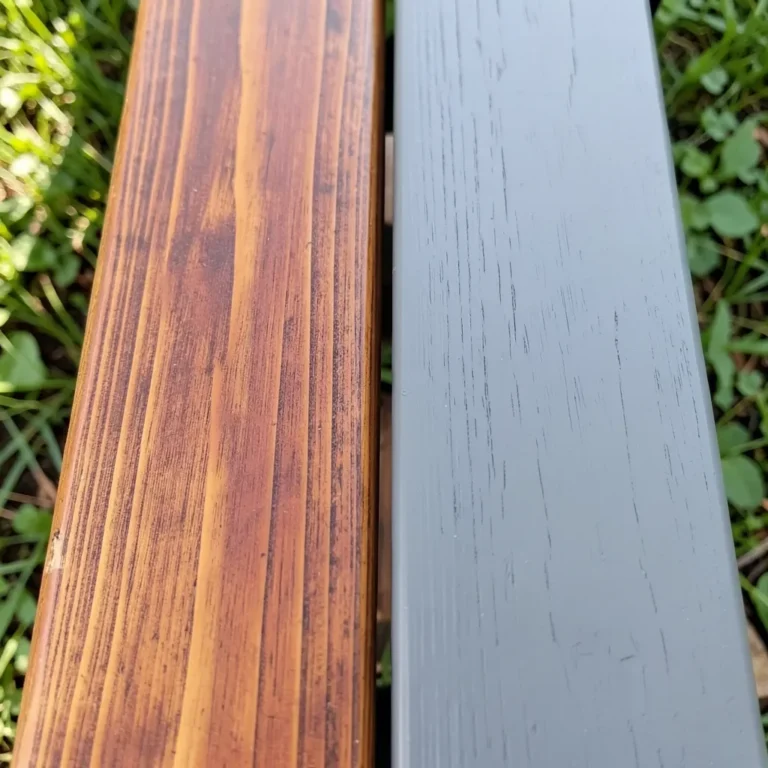
Wood porosity is how much a wood species absorbs liquid stain into its cell structure, and it is why the same can of Dark Walnut looks different from one project to the next. Oak has large, open pores that take up stain quickly and deeply, so it reads darker and richer than the same color on a tight-grained wood. Maple and birch are dense and resist absorption, so color often looks lighter and can appear patchy. Pine has soft and hard grain bands in the same board, which absorb unevenly and are the main cause of blotching.
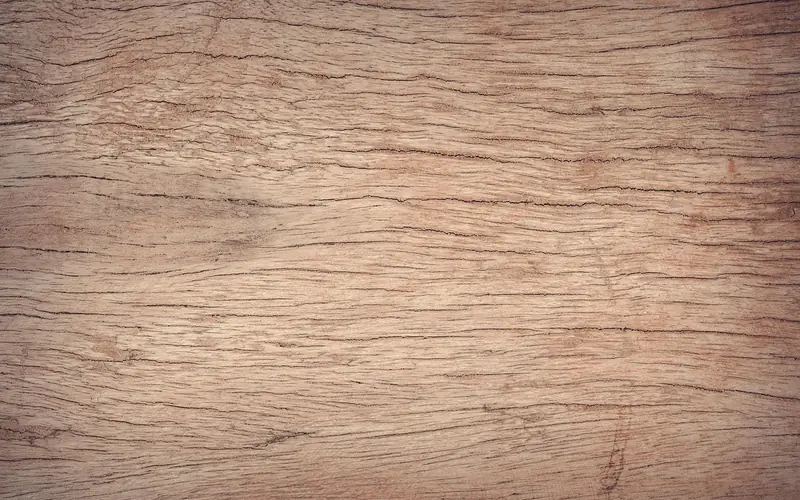
Because absorption rate, not the can label, decides the final look, always test the exact stain on a scrap of the same wood species and cut (face grain versus end grain) before committing to the whole project.
Preventing Blotching: Pre-Stain Conditioner on Pine and Oak
Blotching happens when wood absorbs stain unevenly, leaving dark splotches next to lighter areas on the same board. Pine is the most blotch-prone common species; oak can blotch too, though less severely, mainly around knots and grain transitions. Varathane’s own data sheets are specific about this, so follow them rather than a generic rule of thumb:
- Premium Wood Stain and Gel Stain: Varathane says soft woods such as pine, fir and maple require a wood conditioner before staining.
- Water-Based Wood Stain: pre-treat with Varathane’s water-based conditioner, then lightly sand raised grain with 220 grit before testing color.
- Fast Dry: Varathane markets it as needing no wood conditioner, but that claim does not remove pine’s uneven grain, so test a scrap first.
- For a lighter color, wipe the stain off right away; for a deeper color, let it penetrate longer before wiping or add a second coat.
Sanding also lowers blotching risk before conditioner or stain touches the wood. Our guide on sanding wood for staining covers the grit progression, and the DIY wood conditioner recipes help if you want an alternative to the store-bought product.
Varathane Color Blends: Mixing Two Colors Into One
Varathane’s official Color Blends chart lets you combine two stain colors at a 1 to 1 ratio to create a shade that does not exist as a standalone can. Varathane says a blend reaches the target color in one coat, dries in 1 hour, covers 275 sq ft per quart and needs no pre-stain conditioner. We counted the chart on Rust-Oleum’s page: it lists 155 distinct pairs, and each one carries an official color family tag.
| Family tag | Pairs on the chart | Example pairs |
|---|---|---|
| Reds | 52 | Antique White + Cabernet; Golden Oak + Cabernet; Spring Oak + Golden Mahogany |
| Browns | 40 | Dark Walnut + Kona; Briarsmoke + Dark Walnut; Ipswich Pine + Gunstock |
| Grays | 39 | Carbon Gray + Kona; Briarsmoke + Ebony; Antique White + Dark Walnut |
| Purples | 23 | Antique White + Black Cherry; Black Cherry + Dark Walnut; Cabernet + Kona |
Two details are easy to miss. The family tag is Varathane’s own, and it is not always what the color names suggest: Antique White + Black Cherry is tagged Purples, not red or brown. And seven colors sit in 20 pairs each (Black Cherry, Cabernet, Ipswich Pine, Light Walnut, Briarsmoke, Carbon Gray and Spring Oak), so they are the safest bases to buy if you plan to experiment. The chart also names Summer Oak, which is a Premium Wood Stain color rather than a Fast Dry one, so a few blends cross lines. Mix a small test batch and try it on scrap before you commit a full quart.
📊 Varathane’s Color Blends chart lists 155 two-color pairs (52 Reds, 40 Browns, 39 Grays, 23 Purples, 1 untagged); each blend dries in 1 hour and covers 275 sq ft per quart. Source: Rust-Oleum, Varathane Color Blends
Can You Use Varathane Stain Outdoors?
Mostly no for the core lines. Varathane’s Fast Dry data sheet recommends it for interior projects and not for exterior floors, decks or siding, and the One Step water-based and Classic Water-Based lines are indoor only. The exceptions are gel stains: Premium Gel Stain can be used outside with an appropriate topcoat, and Total Control is listed for interior and exterior use, though neither is for decks or siding. For the topcoat, Varathane’s Triple Thick Spar Urethane is a clear finish aimed at railings, patio furniture and house trim. Retail listings also show a tinted Kona water-based exterior spar urethane stain, but it is not on Varathane’s current stain catalog pages, so verify the shade and product name on the can.
Where to Preview Varathane Stain Colors Before You Buy
Screen colors and store lighting both distort how a stain will look on your wood, so confirm a color before buying a full can. Rust-Oleum runs an official Varathane Wood Stain Color Visualizer that previews colors on different wood tones and room settings. Even then, test the actual stain on scrap of your project’s species. If you are choosing between brands, we also chart the Minwax stain colors, the Sherwin-Williams stain chart and a Benjamin Moore stain color guide.
Frequently Asked Questions
How many colors does Varathane wood stain come in?
Varathane’s four core interior lines list 75 colors: 27 in Premium Wood Stain, 34 in Premium Fast Dry, 9 in Water-Based and 5 in One Step Stain and Poly. Gel stains add 10 oil-based and 8 water-based colors, and the water-based One Step line has 14. Names like Dark Walnut repeat across lines, but dry time and coverage change by line.
What is the difference between Varathane Premium Wood Stain and Fast Dry Wood Stain?
Both are oil-based. Premium Wood Stain dries to the touch in 1 to 2 hours, recoats in 2 hours and covers 125 to 150 sq ft per quart, per Varathane’s data sheet. Fast Dry touches and recoats in 1 hour, reaches full color in one coat and covers 225 to 275 sq ft per quart.
Can I mix two Varathane stain colors together?
Yes. Varathane’s Color Blends chart lists 155 pairs you mix at a 1 to 1 ratio, such as Dark Walnut plus Kona or Carbon Gray plus Kona. Varathane says a blend reaches the target color in one coat, dries in one hour, covers 275 sq ft per quart and needs no wood conditioner.
Do I need a pre-stain conditioner for pine or oak before staining?
On pine, yes: Varathane’s data sheets for Premium Wood Stain and Gel Stain say soft woods such as pine, fir and maple require a wood conditioner, and the water-based line calls for a water-based conditioner. Varathane markets Fast Dry as needing no conditioner, but test pine on scrap first. Oak usually does not need it.
Will the same Varathane stain color look different on pine versus oak?
Yes. Oak’s large open pores absorb stain deeply, producing a richer, darker look than the same color on a tighter-grained wood. Pine’s mixed grain density absorbs unevenly, which is why the same can of stain can look darker in some spots and lighter in others on a single pine board.
Where can I preview Varathane stain colors before buying?
Rust-Oleum’s official Varathane Wood Stain Color Visualizer lets you preview colors on sample wood and room scenes before you buy. Still test the actual stain on scrap of your project’s wood species afterward, since screen and store lighting do not reflect how a color will look on your specific board.
Which Varathane stain colors come in gel?
Varathane’s oil-based Premium Gel Stain comes in 10 colors: Ipswich Pine, Briarsmoke, Dark Walnut, Red Mahogany, Cabernet, Weathered Gray, Kona, Black, Provincial and Golden Pecan. The water-based Total Control Gel Stain has 8: Dark Walnut, American Walnut, Ipswich Pine, Black, Ebony, Kona, Smoke Gray and Classic Gray.
Whichever Varathane line you pick, match the dry time and coverage to your project first, condition blotch-prone wood before you stain, and test on scrap before committing a full can to the piece.
Sponsored / affiliate links. As an Amazon Associate I earn from qualifying purchases. I may earn additional commission from eligible campaigns.