Laminate Vs Vinyl Vs Hardwood Flooring: Ultimate Guide to Choose Right
Choosing the right flooring for your home can feel overwhelming. You want something that looks great, lasts long, and fits your budget.
But with so many options like laminate, vinyl, and hardwood, how do you know which one is best for you? This guide will help you understand the key differences between these popular flooring types. By the end, you’ll feel confident making a choice that suits your style, needs, and lifestyle perfectly.
Keep reading to discover which flooring option matches your home and your life.
Types Of Flooring Materials
Choosing the right flooring material affects your home’s look and comfort. Each type offers unique benefits and styles. Understanding the basics helps you decide which suits your space best.
Laminate Flooring Basics
Laminate flooring mimics wood or stone but costs less. It has a photographic layer under a clear protective coating. This makes it scratch-resistant and easy to clean. Laminate is simple to install with click-lock planks. It works well in living rooms and bedrooms. Avoid using it in wet areas, as water can damage the core.
Vinyl Flooring Features
Vinyl flooring is highly water-resistant and durable. It comes in sheets, tiles, or planks. Vinyl can imitate wood, stone, or ceramic patterns. It offers a soft feel underfoot and reduces noise. This flooring suits kitchens, bathrooms, and basements. Vinyl is low maintenance and easy to install over many surfaces.
Hardwood Flooring Characteristics
Hardwood flooring adds warmth and natural beauty to any room. It is made from solid wood or engineered layers. Hardwood can be sanded and refinished multiple times. It lasts for decades with proper care. This flooring works best in dry, indoor spaces. Hardwood is more expensive and may scratch or dent easily.
Durability And Lifespan
Choosing the right flooring means thinking about how long it will last. Durability and lifespan are key factors. Floors face daily use, spills, and heavy foot traffic. Some materials handle these challenges better than others. Understanding how laminate, vinyl, and hardwood stand up to wear helps make a smart choice.
Resistance To Wear And Tear
Laminate flooring has a tough top layer that resists scratches and fading. It holds up well in busy areas. Vinyl also offers good wear resistance. It can handle heavy traffic without showing damage. Hardwood floors can wear over time. They may need refinishing to look new again. Regular care extends hardwood’s life.
Water And Moisture Handling
Vinyl is highly water-resistant. It works well in kitchens and bathrooms. Laminate is less water-friendly. Water can cause it to swell and warp. Hardwood is the least water-resistant. Moisture may cause warping or staining. Proper sealing and quick cleanup help protect hardwood floors.
Scratch And Dent Resistance
Vinyl resists scratches and dents better than hardwood. It is softer but more flexible. Laminate also resists scratches well due to its hard surface. Hardwood is prone to dents and scratches from heavy objects. Refinishing can fix surface damage. Careful use helps maintain its beauty.
Appearance And Style
Appearance and style play a big role in choosing flooring. The look of your floor sets the tone for your whole room. Different materials offer unique styles and textures. Understanding these can help pick the best floor for your space.
Visual Appeal And Texture
Hardwood floors have a natural, rich look with unique grain patterns. They feel warm and smooth underfoot. Laminate flooring mimics wood but has a more uniform texture. Vinyl floors can vary widely, from smooth to textured surfaces that imitate wood or stone.
Hardwood offers an authentic feel that adds character. Laminate and vinyl provide consistent looks with less maintenance. Each material creates a different visual and tactile experience.
Color And Design Options
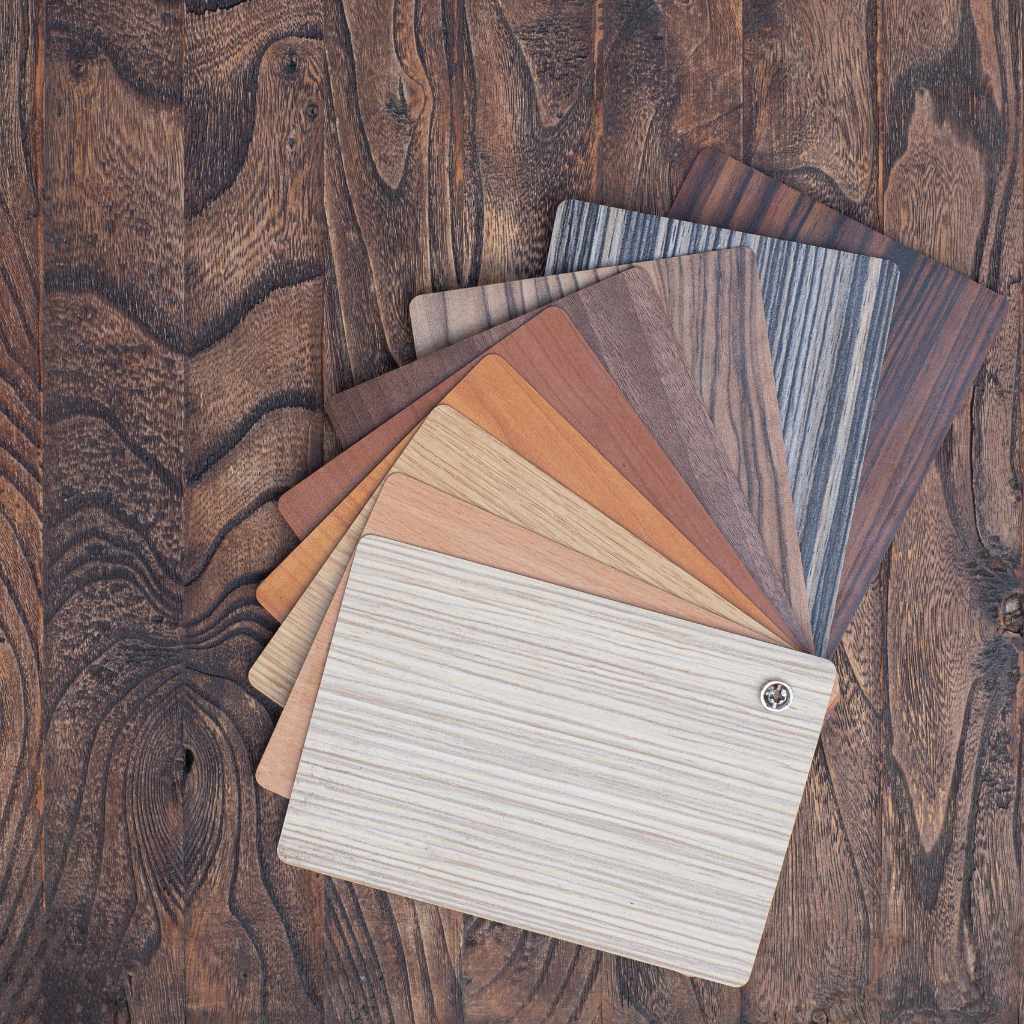
Hardwood comes in natural shades like oak, maple, and walnut. Stains can change its color but keep a classic style. Laminate offers many colors and patterns, from light gray to dark brown. Vinyl has the widest range, including bold colors and intricate designs.
Laminate and vinyl allow more freedom for creative styles. Hardwood keeps a timeless, elegant appeal. Choosing color affects the mood and space feel of your room.
Matching Home Decor
Hardwood floors fit well with traditional and rustic decor. Their natural look blends with wood furniture and warm tones. Laminate works with modern, casual, or transitional styles. Its clean look suits many room themes.
Vinyl’s variety makes it easy to match any decor style. It suits both simple and bold interiors. Flooring should complement your furniture and wall colors for harmony.
Installation Process
The installation process for laminate, vinyl, and hardwood flooring varies significantly. Each type requires different preparation, tools, and skills. Understanding these differences helps choose the right flooring for your project and skill level.
Ease Of Installation
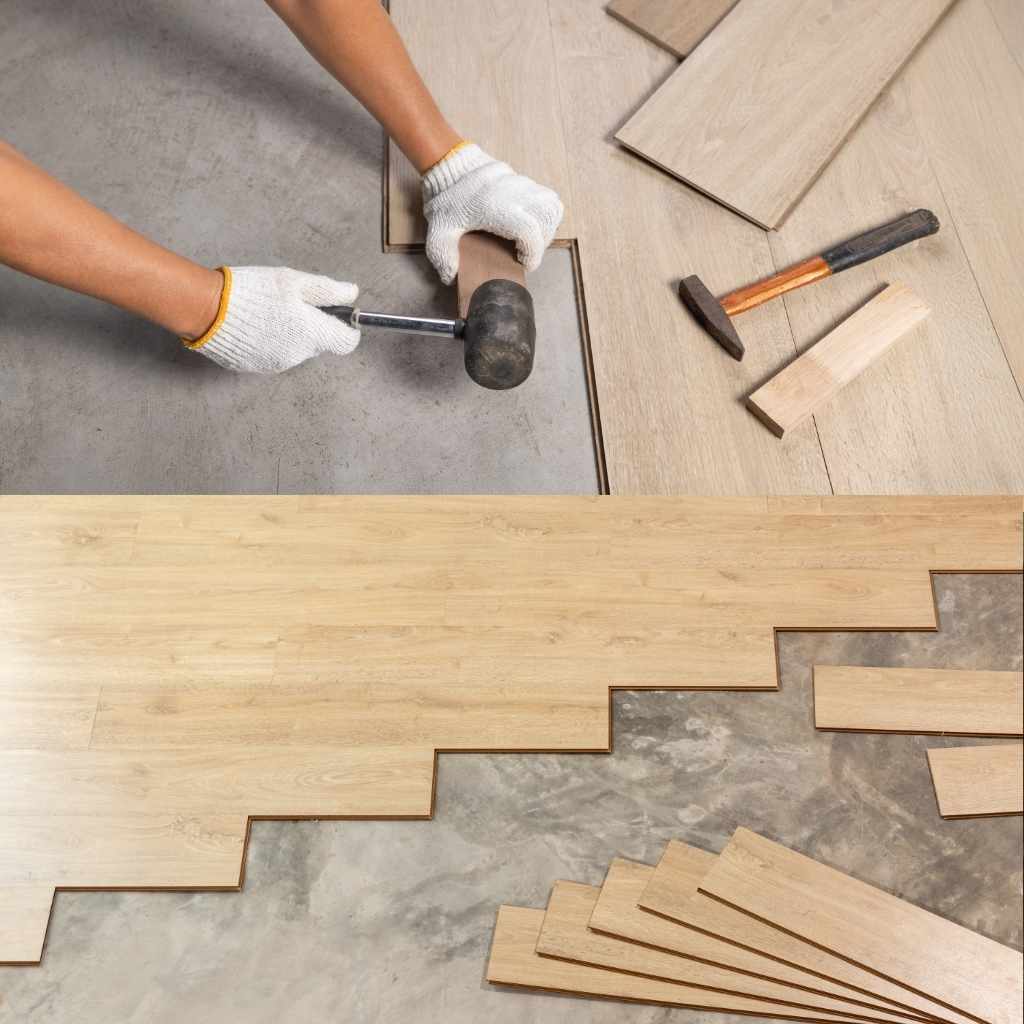
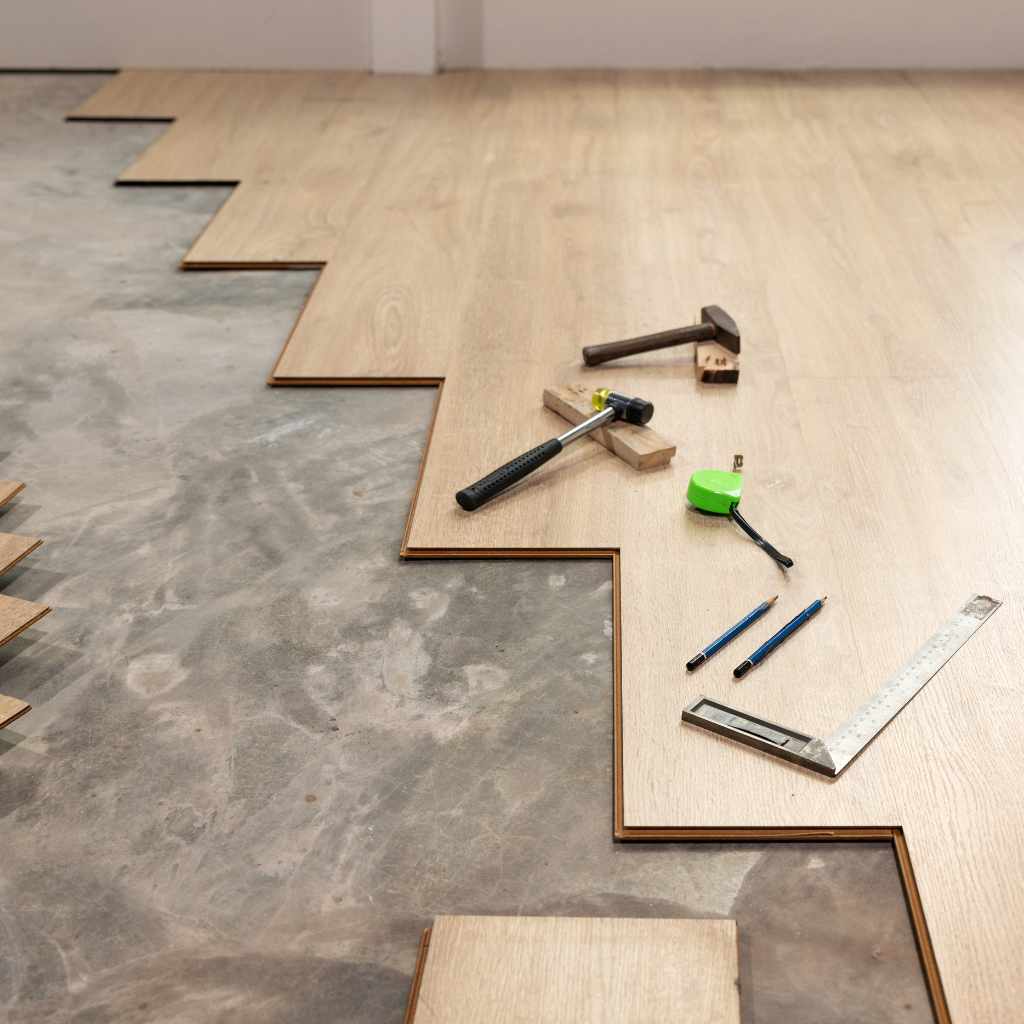
Laminate flooring is the easiest to install. It often uses a click-and-lock system that fits pieces together without glue.
Vinyl flooring comes in sheets, tiles, or planks. Some types use adhesive, while others click together like laminate.
Hardwood flooring is the hardest to install. It usually requires nailing or gluing, which can be tricky for beginners.
Required Tools And Skills
Laminate needs basic tools: a saw, measuring tape, and spacers. No special skills are needed.
Vinyl installation may require a utility knife, adhesive, or roller. Some skill helps for smooth results.
Hardwood installation needs advanced tools like a nail gun or flooring nailer. Skills in measuring and cutting precisely are important.
Installation Time
Laminate floors can be installed in a day or two, depending on room size.
Vinyl floors take a few hours to a day, depending on the type and area.
Hardwood flooring installation takes longer, often several days, due to careful fitting and finishing.
Maintenance And Cleaning
Maintaining and cleaning floors affects their look and lifespan. Laminate, vinyl, and hardwood each need different care. Knowing the best methods helps keep floors fresh and strong.
Routine Cleaning Tips
Laminate floors clean well with a dry mop or vacuum. Avoid wet mops to stop water damage. Vinyl floors can handle damp mops and gentle cleaners. Hardwood needs soft brooms and dry or slightly damp mops. Use cleaners made for wood to keep shine. Sweep or vacuum often to remove dirt and grit.
Stain And Damage Repair
Laminate resists stains but can chip if hit hard. Use a repair kit for small scratches. Vinyl handles stains easily with mild soap and water. For deep cuts, replace damaged planks. Hardwood scratches can be sanded and refinished. Dark stains may need professional help. Act fast to prevent stains from setting.
Long-term Upkeep
Laminate floors last best with no standing water. Avoid harsh cleaners to keep the finish strong. Vinyl needs less maintenance but avoid sharp objects. Use protective pads under furniture. Hardwood requires periodic refinishing to restore beauty. Keep humidity stable to prevent warping. Proper care extends the floor’s life and beauty.
Cost Comparison
Choosing flooring means thinking about cost. Each type has different price points. The initial cost, installation, and upkeep all affect the budget. Understanding these costs helps pick the best floor for your home.
Initial Purchase Price
Laminate flooring is usually the cheapest option upfront. It offers a wood-like look without the high price. Vinyl is a bit more expensive but still affordable. Hardwood flooring costs the most because it uses real wood. Prices vary by quality and style for all three types.
Installation Expenses
Laminate and vinyl have lower installation costs. They are often DIY-friendly, saving money on labor. Hardwood needs professional installation, which adds to the cost. Hardwood installation can be complex and time-consuming. Subfloor preparation may also increase expenses for all floors.
Maintenance And Replacement Costs
Laminate requires little maintenance but can’t be refinished. Damaged laminate must be replaced entirely. Vinyl is easy to clean and resists water well. It also cannot be refinished but lasts longer than laminate. Hardwood needs regular care and can be sanded and refinished. This extends its life but adds periodic costs.
Environmental Impact
Choosing the right flooring affects the environment in many ways. Different materials have different impacts on natural resources and waste. Understanding these impacts helps make smarter choices for homes and the planet.
Sustainability Factors
Hardwood flooring comes from trees. Sustainable forests help reduce harm to nature. Look for certifications like FSC to ensure responsible wood harvesting.
Laminate uses wood fibers and resin. It often uses recycled materials. This reduces the need for new raw materials.
Vinyl is made from plastic. It relies on fossil fuels and produces more pollution. Its production uses more energy than wood or laminate.
Recyclability
Hardwood can be reused or recycled in many ways. Old wood can become furniture or mulch.
Laminate is harder to recycle. It combines materials that separate poorly. This limits recycling options.
Vinyl is difficult to recycle. Many recycling centers do not accept it. Vinyl often ends up in landfills.
Health And Safety Considerations
Hardwood is natural and safe. It does not release harmful chemicals into the air.
Laminate may contain adhesives and resins. Some types release small amounts of VOCs. Look for low-VOC options for better air quality.
Vinyl can release chemicals during use and disposal. These chemicals may affect indoor air quality. Choose vinyl with low emissions to reduce risks.
Best Uses For Each Flooring
Choosing the right flooring is important for each room. Laminate, vinyl, and hardwood floors all have their strengths. This section helps you understand the best uses for each type. It explains where each floor works best, how they handle traffic, and their fit for different climates.
Ideal Rooms And Spaces
Laminate flooring fits well in living rooms and bedrooms. It looks like wood but costs less. Vinyl works great in kitchens and bathrooms. It handles water and spills well. Hardwood is perfect for dining rooms and offices. It adds warmth and value to the home.
Suitability For High Traffic Areas
Vinyl flooring stands up best to heavy foot traffic. It resists scratches and stains easily. Laminate also handles busy spaces but can wear faster. Hardwood shows scratches more but can be refinished. It suits areas with moderate use.
Climate And Environmental Suitability
Vinyl resists moisture and humidity well. It works in basements and damp areas. Laminate can swell if wet, so avoid wet places. Hardwood changes with temperature and humidity. It needs stable conditions to avoid warping.
Common Myths And Misconceptions
Many people have wrong ideas about laminate, vinyl, and hardwood flooring. These myths can confuse buyers and affect their choices. Understanding the real facts helps make better decisions. This section clears up common myths and misunderstandings about these flooring types.
Durability Myths
Some think laminate and vinyl break easily. Actually, both can handle daily wear well. Laminate resists scratches and dents better than hardwood. Vinyl is water-resistant, making it good for kitchens and bathrooms. Hardwood lasts long but can scratch and dent more easily. Each type offers strong durability for different needs.
Cost Misunderstandings
Many believe hardwood is always the cheapest option. It is usually more expensive upfront. Laminate and vinyl cost less and are easier to install. Over time, hardwood might save money due to its long life. Laminate and vinyl may need replacement sooner. Cost depends on quality, installation, and maintenance.
Appearance And Quality Beliefs
People assume only hardwood looks natural and high quality. Laminate and vinyl now mimic wood and stone well. Some vinyl planks even have realistic textures. High-quality laminate and vinyl can look almost like real wood. Hardwood offers unique grain and warmth. Choosing depends on style preference and budget.
Making The Final Choice
Choosing the right flooring can feel tough. Each type—laminate, vinyl, and hardwood—has its strengths. Focus on what fits your lifestyle and space. Think about daily use, style, and care needs. This guide helps to narrow down your best option.
Assessing Personal Needs
Consider how you use your rooms. High traffic areas need tough floors. Kids and pets mean extra durability is key. Think about moisture too. Bathrooms and kitchens need water-resistant floors. Also, consider your style taste. Some prefer the natural look of wood. Others like the variety of colors in vinyl or laminate.
Budget Considerations
Set a clear budget first. Laminate usually costs less than hardwood. Vinyl can vary but is often affordable. Remember installation costs too. Hardwood may need experts to install. Laminate and vinyl can be DIY projects. This can save money. Think about repair costs later. Some floors are easier and cheaper to fix.
Long-term Benefits
Hardwood floors can add value to homes. They last long with proper care. Laminate and vinyl offer good wear for years. Vinyl is often waterproof, good for wet areas. Laminate resists scratches well. Think about maintenance too. Hardwood needs refinishing over time. Laminate and vinyl require less upkeep. Choose what fits your future plans.
Frequently Asked Questions
What Are The Durability Differences Between Laminate, Vinyl, And Hardwood?
Laminate is scratch-resistant but less water-resistant. Vinyl is highly water-resistant and durable. Hardwood offers natural durability but can scratch and dent more easily. Each suits different lifestyles and environments based on wear and moisture exposure.
Which Flooring Is Easiest To Install Among Laminate, Vinyl, Hardwood?
Vinyl and laminate are easier to install with click-lock systems. Hardwood usually requires professional installation and more preparation. DIY beginners often prefer laminate or vinyl for quick, hassle-free installation.
How Does Cost Compare Between Laminate, Vinyl, And Hardwood Flooring?
Laminate and vinyl are generally more affordable options. Hardwood is the most expensive due to natural wood and installation costs. Budget and style preferences usually determine the best flooring choice.
Which Flooring Type Is Best For Moisture-prone Areas?
Vinyl is the best choice for wet areas like bathrooms and kitchens. Laminate is moderately water-resistant but can swell with excess moisture. Hardwood is least suitable as water can damage and warp it.
Conclusion
Choosing the right floor depends on your needs and style. Laminate offers a budget-friendly, easy-to-install option. Vinyl stands out for water resistance and durability. Hardwood brings natural beauty and long-lasting value. Think about your home’s use and your budget. Each type has strengths for different spaces.
Take your time to decide what fits best. This way, you get a floor you will enjoy for years.