Mahogany Wood Review: Pros and Cons for Furniture Makers
Mahogany is a strong furniture choice, but true mahogany earns its premium mainly for visible joinery, fine casework, doors, and turned parts where stability, machining, and finish matter most. Buy the wrong stock and you risk movement, blotchy color, weak sourcing, or wood that machines and ages unlike the sample you approved. This guide compares true mahogany and common substitutes by species, then covers stability, machining, finishing, wear, sourcing, and when the extra cost pays off.
What mahogany means for furniture makers


For furniture work, “mahogany” is a buying category, not one wood. True mahogany comes from the Swietenia genus, including Swietenia mahagoni, S. macrophylla, and S. humilis. Those are the benchmark woods for furniture, cabinetry, and instruments; many other woods carry the mahogany name without sharing the same behavior. (Wood-database)
That matters at the bench. A panel, stile, table apron, or drawer front does not care about the label on the board rack. It cares about density, grain direction, movement, and how the surface accepts a clear finish.
Why the name also covers lookalike species
Retail and yard labels often use “mahogany” for species outside Swietenia. African mahogany is usually Khaya. Philippine or lauan mahogany comes from Shorea. Santos mahogany is Myroxylon balsamum. Each one can work in furniture, but each asks for different expectations on hardness, grain, and sourcing.
That is why a species-by-species decision is safer than buying by color alone. Two boards with the same reddish tone can machine, wear, and age in very different ways.
What furniture makers should expect from the material
True mahogany is valued for good workability, stable behavior when properly acclimated, and a clear finish that can look clean without heavy coloration. It starts as pale pinkish-brown or pale reddish-brown and deepens into a richer reddish-brown as it ages.
The tradeoff is cost and supply. The closer you stay to genuine Swietenia, the more likely you are to pay a premium and face limited availability.
Which mahogany species are worth buying?
The best choice depends on the part you are building. Honduran mahogany is the most common commercial true mahogany and a practical default for fine furniture. West Indian, or Cuban, mahogany is a historic furniture species, but it is extremely rare and expensive. African mahogany is a common substitute. Philippine mahogany is a lower-cost material for plywood and cheaper furniture, while Santos mahogany is denser and better suited to wear-heavy parts.
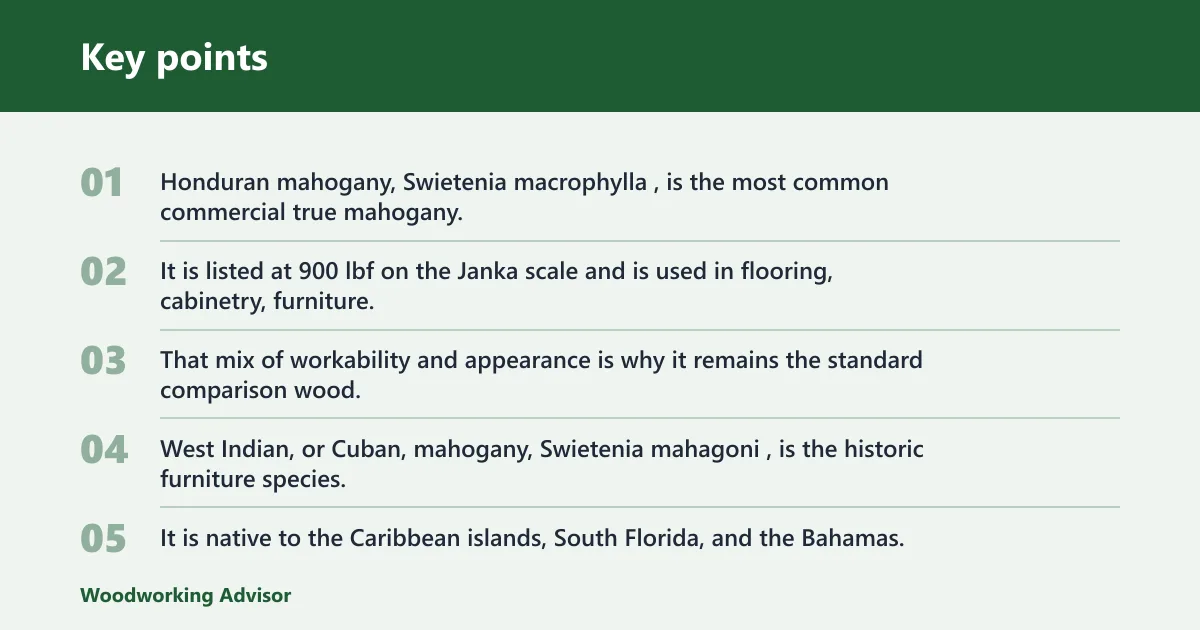
Honduran mahogany, Swietenia macrophylla, is the most common commercial true mahogany. It is listed at 900 lbf on the Janka scale and is used in flooring, cabinetry, furniture, instruments, turned items, and carving. That mix of workability and appearance is why it remains the standard comparison wood.
West Indian, or Cuban, mahogany, Swietenia mahagoni, is the historic furniture species. It is native to the Caribbean islands, South Florida, and the Bahamas. It is cited at about 930 lbf on the Janka scale.
African mahogany as a substitute
African mahogany is often marketed as mahogany, but it is not true mahogany. It commonly has more interlocked grain, and some species are slightly harder than Honduran mahogany. The published hardness range often cited is 830–1,070 lbf, which means species selection matters more than the broad trade name.
For furniture and interiors, African mahogany can be a sensible substitute when you want a similar visual read and good usability without paying true-mahogany pricing. The grain can be less predictable, so pay attention to tearout risk and grain direction during machining.
Philippine mahogany and Santos mahogany compared
Philippine, or lauan, mahogany is not authentic mahogany. It is lighter in weight and color and less durable than true mahogany. It is used in plywood, cheap furniture, and construction, so it makes sense for cost-driven work, not for premium casework that needs a refined surface and long service life.
Santos mahogany is not related to true mahogany. It is darker, from reddish-brown to purplish-brown, and harder and denser than genuine mahogany. That makes it useful for flooring and heavy-wear interior trim, but it is a different choice from true mahogany for fine furniture parts that need easier machining and a classic mahogany look.
Mahogany species decision matrix
Use this matrix as your first pass before buying stock. Hardness matters for dents and edges, but grain behavior, finish quality, and sourcing often decide whether a species fits the project.
| Species | Hardness | Stability and grain behavior | Finishing behavior | Cost tier | Best furniture applications |
|---|---|---|---|---|---|
| Honduran mahogany | 900 lbf | Generally stable when acclimated; straight to moderately interlocked grain | Accepts clear finishes smoothly; good for carving and planing | High | Cabinets, tables, doors, fine casework, turned parts |
| West Indian / Cuban mahogany | 930 lb f | Historic furniture stock; excellent for refined work when available | Classic finish response; prized for traditional furniture | Very high | Collector furniture, restoration, special cabinetry |
| African mahogany | 830–1,070 lbf | Often more interlocked grain; movement varies by species and drying | Good finish potential, but grain reversal can complicate prep | Moderate | Cabinet parts, interior trim, furniture where cost matters |
| Philippine / lauan mahogany | Lower than true mahogany for furniture use | Lighter, less durable, and less suited to demanding furniture service | Serviceable for paint or utility use, less ideal for premium clear finishes | Low | Plywood, cheap furniture, construction |
| Santos mahogany | Higher than genuine mahogany | Dense, wear-resistant, and better suited to hard-use surfaces | Can finish well, but density and color are a different design choice | Moderate to high | Flooring, heavy-wear trim, select tabletops |
How hard is mahogany wood?
Mahogany hardness is best read as dent resistance, not as a blanket durability score. Those figures are useful when you decide how a face frame, edge, or tabletop will hold up.
Using Janka hardness for furniture choices
The Janka scale gives a practical sense of how much force a wood takes before denting. For furniture, that matters most on edges, arms, aprons, and tabletops where daily contact leaves marks. It also helps you compare species that look similar in the rack but behave differently at the surface.
A softer board can still be a smart choice if the part is protected. A harder one can still disappoint if the grain is wild or the surface is hard to finish cleanly.
What 900 lbf and 930 lbf mean in practice
At around 900 lbf, Honduran mahogany is hard enough for most casework and many tabletops, but it is not immune to dents from dropped tools or sharp chair edges. At 930 lb f, West Indian mahogany is very close in practical use, so the larger buying issue is rarity, not a dramatic change in hardness.
If a project will see hard wear, Santos mahogany can be the better fit because it is harder and denser than genuine mahogany. If the project needs easier machining and a classic mahogany finish, true mahogany often makes more sense than chasing extra hardness.
Where softer or harder mahogany types fit better
Philippine mahogany is better suited to low-cost components, plywood, and noncritical furniture parts. African mahogany sits in the middle and can work well for cases, rails, and interior parts. Santos mahogany belongs on wear surfaces, not because it looks like true mahogany, but because it stands up better to denting and abrasion.
Will mahogany warp, crack, or fade?
Mahogany is generally stable when properly acclimated, but no wood is movement-proof. Poor moisture control can lead to warp, gaps, or checking, especially in wide panels and parts that are sealed unevenly. Color also changes with light exposure, so plan the finished piece for patina and possible fade patterns.
Moisture control and acclimation
Bring the stock into the shop environment before milling. That reduces the chance of surprises after assembly. True mahogany is resistant to rot, moisture, and termites, but resistance is not the same as immunity. A damp storage room, a rushed glue-up, or a one-side-finished panel can still create problems.
A common first-timer mistake is making a wide tabletop from lumber that has not finished acclimating. The top looks flat at assembly, then opens seams at the ends after it sits in a drier room. The fix is better stock conditioning, balanced finishing, and sane grain orientation.
Seasonal movement in panels, frames, and tops
Mahogany still moves across the grain with seasonal humidity shifts. Frames, stiles, rails, and well-designed panel doors handle that movement better than wide solid tops with poor allowances. When building tables or cabinets, leave room for expansion in panel layouts and fastening systems.
Say your client wants a 24-inch-wide solid mahogany desk top in a humid climate. If you ignore movement and seal only the top face, the underside can take on moisture differently and the top can cup. Balanced finishing and proper joinery reduce that risk.
Color change, patina, and sun exposure
Mahogany starts pale pinkish-brown or pale reddish-brown and matures into a deeper reddish-brown. That change is part of the appeal, but it can also create color mismatch between protected and exposed areas. Sunlight can push the color in uneven directions if a piece sits partly in direct light.
For matching doors, drawer fronts, and side panels, expect the tone to drift after finishing. If you want a uniform look, plan your layout so the most visible surfaces age at similar rates and avoid storing finished parts in mixed light.
Is mahogany easy to machine and finish?
Yes, especially true mahogany. It is known for good planing, carving, and finishing behavior, and it accepts clear finishes smoothly. The main caveat is that grain direction still matters, and lookalike species can be less forgiving if they have more interlocked grain or a less consistent surface.
Planing, routing, and carving behavior
Honduran mahogany is a dependable choice for planing and shaping, which is why it remains common in cabinetry and fine furniture. It can take crisp details without feeling brittle. African mahogany may need more attention around reversing grain, and that can change cutter choice and feed direction.
For turnings and carved ornament, true mahogany has a long record because it cuts cleanly and holds detail. That is one reason it keeps showing up in furniture parts that need both profile and polish.
Joint quality and glue-up considerations
Because mahogany machines well, joints can close cleanly if the stock is flat and the grain is read correctly. Still, loose-fitting joinery, crushed fibers, or uneven moisture content will show up later. Good glue-up starts with straight stock, accurate shoulders, and surfaces that are freshly prepared.
Interlocked grain in African mahogany can require extra care at tenons, miters, and routed edges. The wood can still work well, but the builder should expect more attention to tearout control than with cleaner-grained true mahogany.
Clear finishes, stain response, and surface prep
Mahogany usually looks best under clear finishes or restrained color systems. It does not need heavy stain to look finished. Surface prep matters because scratches, glue smears, and uneven sanding can show clearly once the finish warms the color and brings up the grain.
Dark stain on mahogany can bury the natural figure and make matching harder. If the goal is a deep classic tone, test your finish schedule on offcuts from the same board set, not on a different species or a stained sample from a catalog.
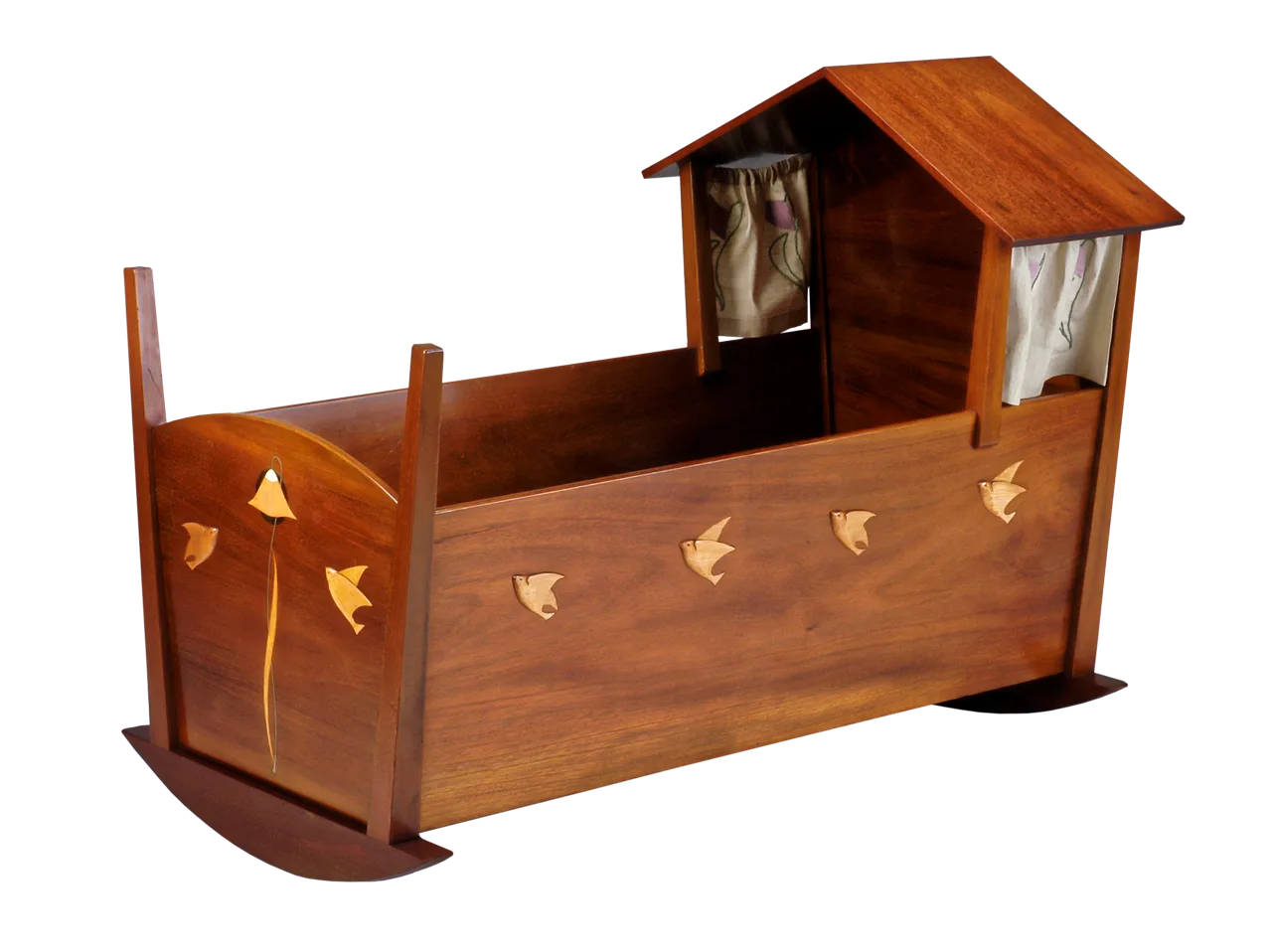
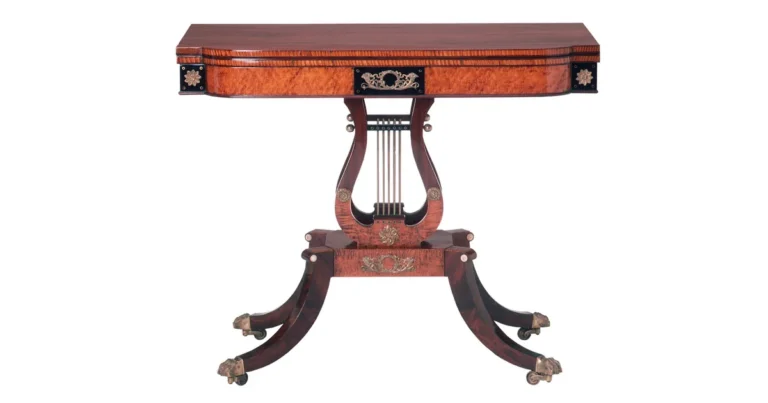
True mahogany is worth the premium when the part is visible, detailed, and expected to age well. True mahogany is often considered worth the premium for cabinets, tables, doors, fine casework, turned parts, and restoration work where finish quality, stability, and classic appearance are part of the value. For utility parts, the premium is often harder to justify.
Best project types for true mahogany
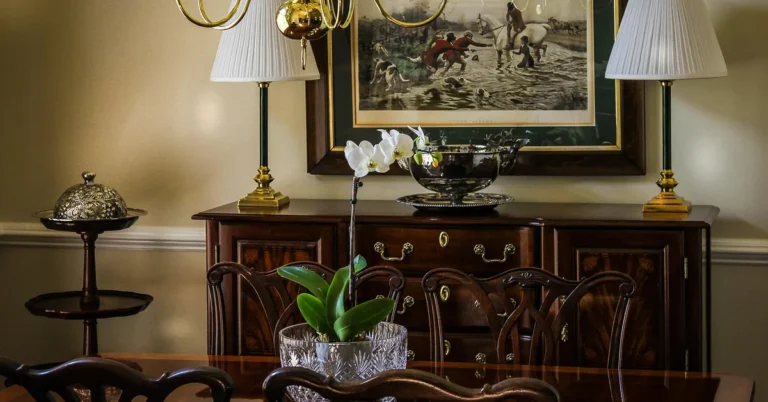
Use true mahogany when you want dependable machining, clean joinery, and a finish that reads refined without much disguise. It fits cabinet doors, table aprons, drawer fronts, side panels, and ornamental components where the color shift with age adds value rather than risk.
For musical instruments and finely detailed furniture, Honduran mahogany is especially practical because it combines workability with the familiar reddish-brown aging pattern. West Indian mahogany belongs in special cases where authenticity and historical match matter.
When a substitute makes better economic sense
Choose African mahogany when you need a similar look and decent furniture performance at a lower cost. Choose Santos mahogany when wear resistance is the priority and the darker, denser character fits the design. Choose Philippine mahogany only when the project is priced for utility, plywood, or low-cost components.
Mahogany is not the right answer for every project. If the piece needs higher dent resistance and you do not care about the classic mahogany look, oak, walnut, or teak may make better economic sense depending on the design and exposure.
Sourcing red flags and provenance checks
Do not buy by color swatch alone. Ask for the exact species name, not just “mahogany.” For true mahogany, look for Swietenia identification on the invoice, species-level documentation when available, and clear chain-of-custody records for imported stock. That is especially important because true mahogany supply is limited and the premium encourages vague labeling.
Red flags include a very low price for “true mahogany,” no species name, mixed boards with inconsistent color and texture, and claims that all mahogany substitutes perform the same. If the seller cannot tell you whether the lumber is Honduran, West Indian, African, Philippine, or Santos mahogany, you are buying a guess.
Frequently asked questions
Is mahogany good for furniture making?
Yes, especially true mahogany. It machines well, finishes cleanly, and stays stable when properly acclimated. Honduran mahogany is the most practical all-around choice for cabinets, tables, and fine casework, while other woods sold as mahogany may fit lower-cost or higher-wear roles better.
What are the pros and cons of mahogany wood for furniture?
The main pros are workability, stable performance, and a finish that reads clean and classic. The main cons are premium price, limited true-mahogany supply, and species confusion. Grain direction and moisture control still matter, and not every wood sold as mahogany behaves like true mahogany.
Which mahogany species is best for cabinets and tables?
Honduran mahogany is the safest general choice for cabinets and tables because it combines good hardness, stable behavior, and reliable finishing. West Indian mahogany is excellent but rare and costly. African mahogany can be a sound substitute when budget matters and the grain is checked carefully.
How hard is mahogany wood compared with other hardwoods?
That puts true mahogany in a useful middle range: hard enough for furniture, but not as dent-resistant as denser wear woods.
Does mahogany wood warp, crack, or fade over time?
It can, if moisture is poorly controlled or the finishing is uneven. True mahogany is stable when properly acclimated, but seasonal movement still happens. Color also deepens from pale pinkish-brown to richer reddish-brown, and sunlight can create uneven fading or patina across exposed surfaces.
How do I tell genuine mahogany from marketed substitutes?
Ask for the species name. Genuine mahogany comes from the Swietenia genus, including S. mahagoni, S. macrophylla, and S. humilis. African mahogany, Philippine mahogany, and Santos mahogany are different woods. If the seller cannot identify the species, treat the stock as a substitute until proven otherwise.
Sponsored / affiliate links. As an Amazon Associate I earn from qualifying purchases. I may earn additional commission from eligible campaigns.
 The Hardwood Edge Mahogany Hardwood Planks - 2-Pack Mahogany Wood for Unfinished Wood Crafts - 1/8’’ (3mm) 100% Pure Hardwood - Laser Engraving Blanks - Exotic Mahogany Planks for Crafts and Gifts
 The Hardwood Edge Mahogany Hardwood Planks - 4-Pack Mahogany Wood for Unfinished Wood Crafts - 1/8’’ (3mm) 100% Pure Hardwood - Laser Engraving Blanks - Exotic Mahogany Planks for Crafts and Gifts