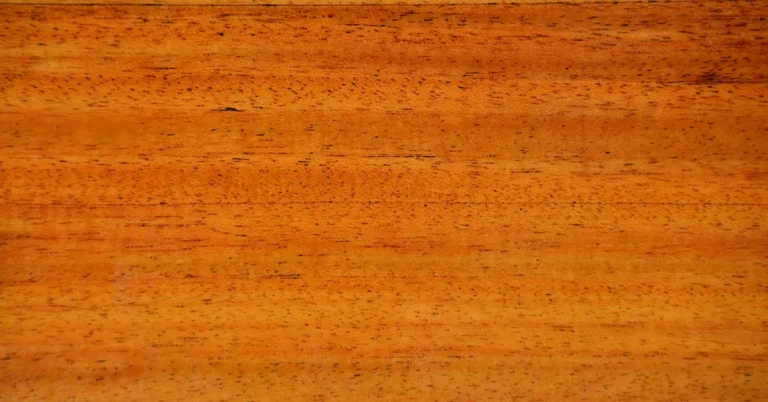
How Hard Is Mahogany Wood? Genuine vs. African Janka Ratings
Genuine mahogany’s Janka hardness rating is 800-900 lbf — noticeably softer than most people assume for a wood this expensive. That number puts it close to black walnut and well below red oak or hard maple. What actually varies is which “mahogany” you’re holding: genuine Honduran mahogany, African mahogany, and the completely unrelated wood sold as “Philippine mahogany” are three different species with three different hardness profiles, and only one of them is CITES-protected for a reason that matters if you’re buying lumber right now.
Below is the real breakdown: the verified Janka numbers for each type, why genuine mahogany is regulated, and what its moderate hardness actually means once you put a blade, a chisel, or a coat of finish to it.
Mahogany’s Janka Hardness Rating: The Real Numbers
Genuine mahogany (Swietenia macrophylla, also called Honduran mahogany) scores 800-900 lbf on the Janka hardness scale, depending on the growing region and how the board was tested. For context, that’s harder than pine (380-870 lbf depending on species) but softer than black walnut (1,010 lbf), red oak (1,290 lbf), and hard maple (1,450 lbf). Mahogany is often marketed as a “premium hardwood,” which leads people to assume it should out-hardness oak or maple — it doesn’t. Its reputation comes from workability, dimensional stability, and finish quality, not raw dent resistance.
Because mahogany sits in this moderate range, a sharp, appropriate blade matters more than it would on a softwood, especially where the grain runs interlocked and can tear out on a dull edge.
The Janka number itself comes from a standardized test: a steel ball 0.444 inches in diameter is pressed into a wood sample until it sinks to half its diameter, and the force required (in pounds-force) is the rating. It’s a real, repeatable measurement of dent and wear resistance, not a marketing figure, which is why the same genuine mahogany sample can land anywhere in the 800-900 lbf range depending on moisture content, growth region, and exactly where on the board the test was taken.
Best Blade for Mahogany & Moderate-Density Hardwoods
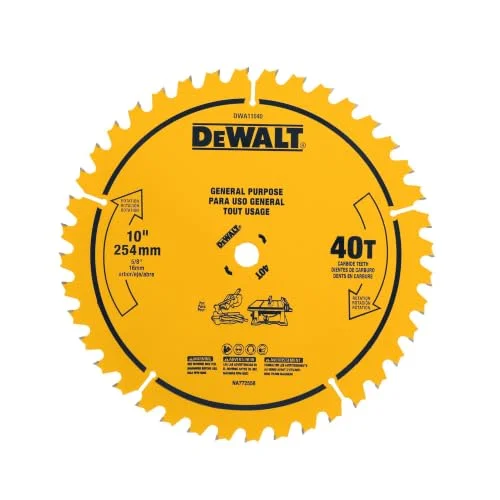 |
DEWALT DWA11040 10″ 40-Tooth Carbide Blade – $22.97 A 40-tooth carbide blade like this is sharp enough to cut mahogany’s interlocked grain cleanly without the tear-out a worn or too-coarse blade causes.
|
Genuine Mahogany vs. African Mahogany: Same Name, Different Tree
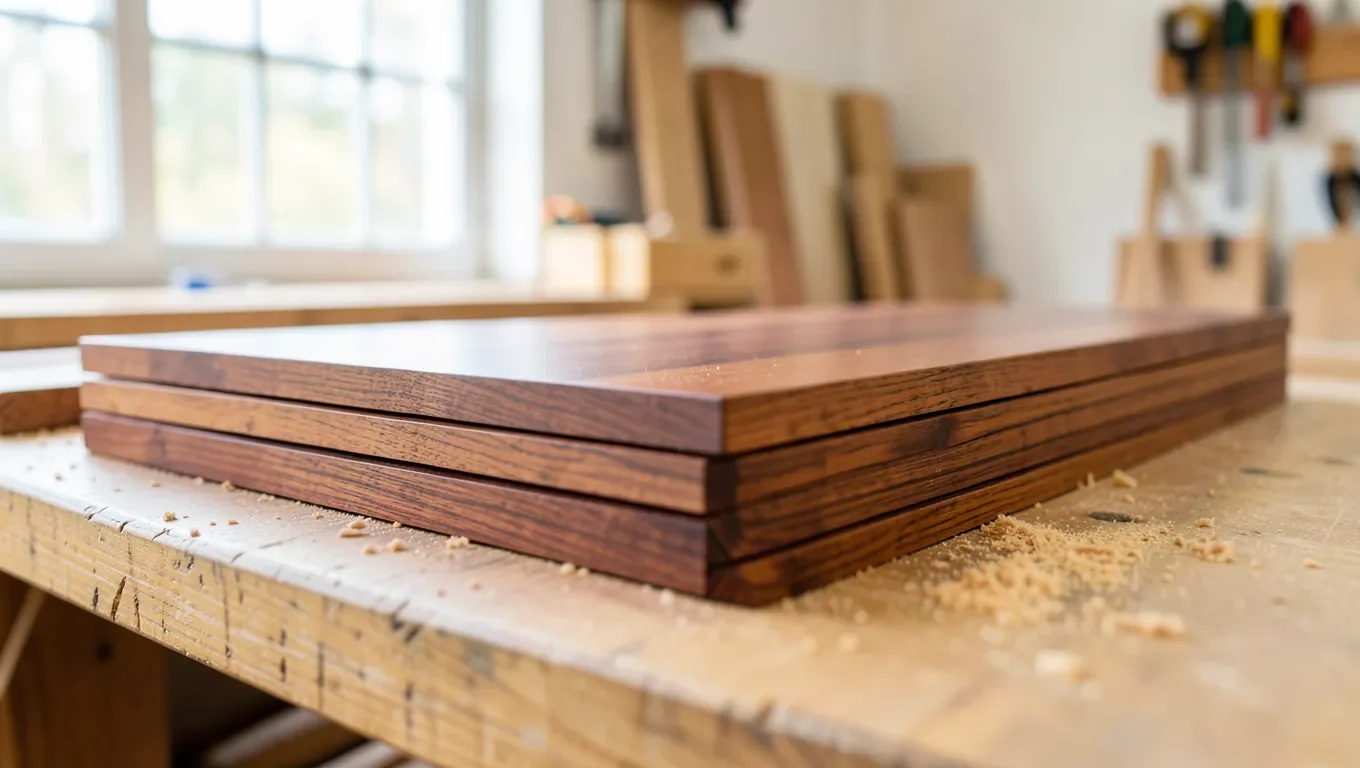
This is the part most pages skip. “Genuine mahogany” and “African mahogany” aren’t two grades of the same wood — they’re different genera entirely. Genuine (also called Honduran) mahogany comes from Swietenia macrophylla, in the family Meliaceae. African mahogany is harvested from Khaya species — a related but distinct genus from West and Central Africa, sold as the more available, usually cheaper substitute once the original Cuban and Pacific Swietenia species became commercially scarce.
Hardness doesn’t cleanly separate them. Genuine mahogany runs 800-900 lbf. African mahogany (Khaya ivorensis, the most commonly traded species) tests close behind at roughly 830-910 lbf in most references, though because “African mahogany” on a lumber invoice can mean any of several Khaya species mixed under one trade name, individual boards have tested anywhere from around 800 lbf up to over 1,000 lbf. Genuine mahogany tends to have a tighter, straighter interlocked grain and machines slightly more predictably; African mahogany often shows a coarser, more open, sometimes more figured grain. Neither is “the hard one” — the real differences are grain consistency, color depth, and price, not a dramatic hardness gap.
Visually, genuine mahogany tends to darken to a deeper reddish-brown with age and UV exposure, and its grain is more likely to show the tight “ribbon” chatoyance that makes quartersawn boards shimmer under raking light. African mahogany often stays a slightly lighter pinkish-brown longer and shows a bolder, more irregular figure, which some buyers actually prefer for statement furniture pieces. Price is usually the clearest tell: genuine Honduran mahogany typically costs noticeably more per board foot than African mahogany, reflecting its more limited legal supply under CITES.
Why Genuine Mahogany Is CITES-Restricted (and Why That Matters When You Buy)
All three true Swietenia mahogany species — Honduran, Cuban, and Pacific — have been listed under CITES Appendix II since 2003, following roughly two centuries of overharvesting for furniture and shipbuilding that pushed wild populations into steep decline. Appendix II doesn’t ban the trade; it means legal international shipments need export permits and documentation showing the wood was harvested and traded legally. In practice, nearly all “genuine mahogany” sold today is Swietenia macrophylla (Honduran), since the Cuban and Pacific species are now too scarce to harvest commercially at any real volume.
Khaya species (African mahogany) are also CITES Appendix II-listed as a genus, so the same permit requirement applies there too. If you’re buying either type, ask the supplier for the species name and, ideally, FSC or PEFC chain-of-custody certification rather than trusting a generic “mahogany” label — our guide to buying genuine vs. African mahogany covers reputable sourcing in more detail.
One More Wrinkle: “Philippine Mahogany” Isn’t Mahogany at All
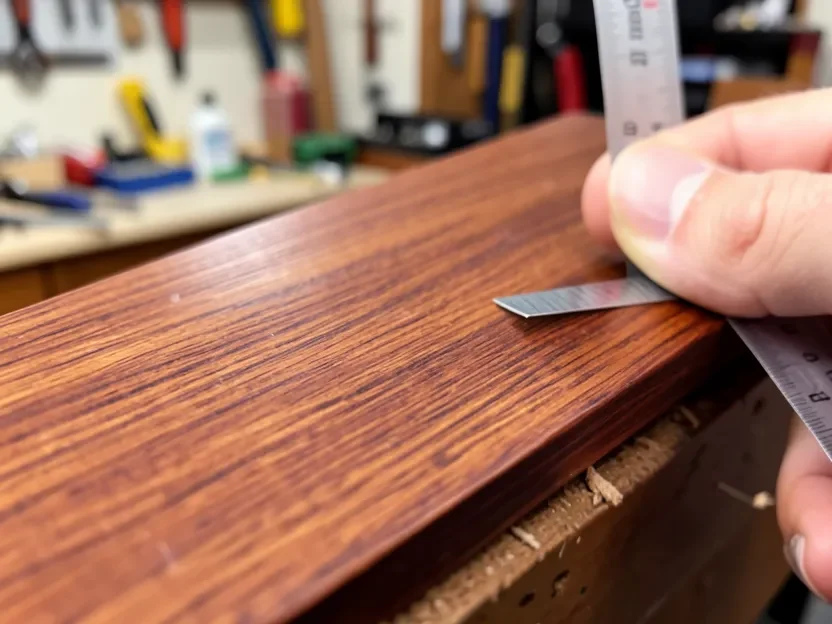
A genuine myth worth correcting: wood sold in North America as “Philippine mahogany” isn’t related to true mahogany botanically. It’s a group of species in the genus Shorea, family Dipterocarpaceae — also sold as lauan, meranti, or seraya. Lumber importers popularized the “Philippine mahogany” name decades ago because it was a familiar term for buyers, not because the wood is a Swietenia or Khaya relative. Its hardness and working properties differ from true mahogany, and it isn’t covered by the same CITES protections. If a listing says “Philippine mahogany,” you’re buying lauan/meranti, not genuine or African mahogany — useful to know before comparing prices or hardness specs side by side.
How Mahogany’s Hardness Compares to Other Common Woods
| Wood | Janka Hardness (lbf) |
|---|---|
| Cedar | ~350 |
| Pine (varies by species) | 380-870 |
| Genuine mahogany | 800-900 |
| African mahogany | ~830-1,000+ (varies by species) |
| Black walnut | 1,010 |
| Teak | 1,000-1,155 |
| Red oak | 1,290 |
| Hard maple | 1,450 |
See our full wood hardness scale for how these ratings are measured and where dozens of other species land, or our mahogany properties guide for density, grain, and finishing details beyond hardness alone.
What Moderate Hardness Means in Practice
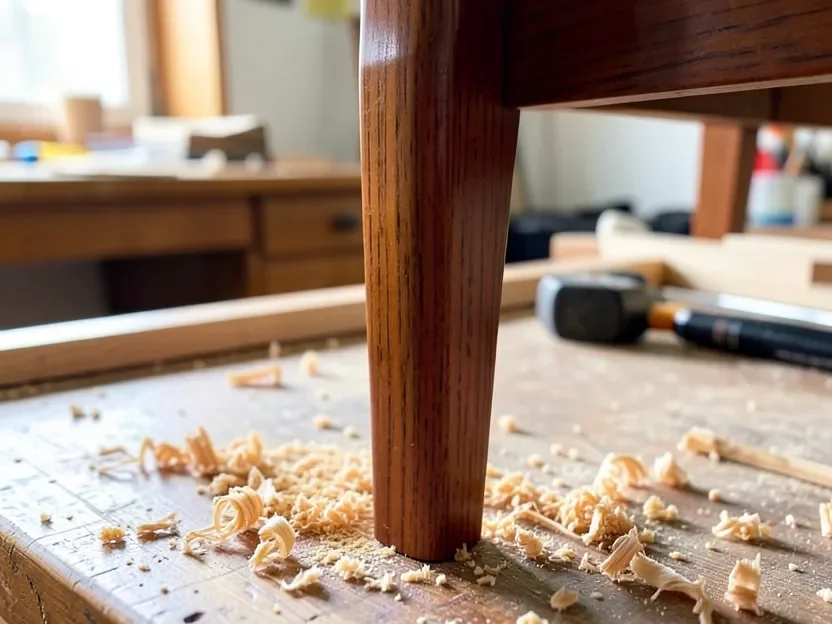
Mahogany’s 800-900 lbf rating puts it in a useful middle ground. It’s hard enough to resist everyday dents and scratches noticeably better than pine or cedar, but soft enough to hand-plane, carve, and rout without fighting the wood the way you would with oak or maple. It holds screws and nails securely without the pre-drilling nearly every joint on a harder species requires, which is part of why it’s a longtime favorite for detailed furniture joinery, musical instrument bodies, and boat interiors.
The interlocked, sometimes ribbon-figured grain is the real technical challenge, not the hardness number. That grain pattern is prone to tear-out on a dull or overly aggressive blade, which is why a clean, sharp carbide blade like the one above matters more here than it would on straight-grained softwood.
For flooring specifically, mahogany’s moderate hardness means it holds up to normal foot traffic but won’t match oak or maple in a high-traffic commercial setting — its real durability advantage outdoors and in humid conditions comes from natural oils and rot resistance, which is a separate property from Janka hardness. Our guide to mahogany’s rot resistance and outdoor durability covers that distinction if you’re planning an exterior project.
Frequently Asked Questions
Is Mahogany a Hard or Soft Wood?
Mahogany is a hardwood botanically, and it tests as moderately hard on the Janka scale at 800-900 lbf for the genuine species. It’s harder than pine or cedar but softer than oak, maple, or walnut — a middle-of-the-road hardness that favors workability over maximum dent resistance.
How Does Genuine Mahogany’s Janka Rating Compare to African Mahogany?
Genuine (Honduran) mahogany runs 800-900 lbf. African mahogany, from the related Khaya genus, tests close to that range in most references (roughly 830-910 lbf for the common Khaya ivorensis species), though individual boards vary more since multiple Khaya species are traded under the same name.
Why Is Genuine Mahogany CITES-Restricted?
All three true Swietenia mahogany species have been listed under CITES Appendix II since 2003 after roughly 200 years of overharvesting reduced wild populations significantly. The listing requires legal export permits and documentation rather than banning trade outright, and African mahogany (Khaya) carries the same genus-wide listing.
Is “Philippine Mahogany” Actually Mahogany?
No. “Philippine mahogany” is a trade name for Shorea species (also sold as lauan or meranti), a completely different family from true mahogany’s Swietenia and Khaya genera. It’s not covered by the same CITES protections and has different hardness and working properties.
Conclusion
Genuine mahogany’s real Janka number is 800-900 lbf — solidly moderate, not the hardest premium hardwood people often assume. What sets genuine mahogany apart from African mahogany and the unrelated “Philippine mahogany” isn’t a dramatic hardness gap; it’s species, grain consistency, and for the true Swietenia species, real CITES sourcing rules worth checking before you buy. If you’re choosing mahogany for a project, its moderate hardness means easier hand-tool work and finishing, paired with a sharp blade to handle that interlocked grain cleanly.
Sponsored / affiliate links. As an Amazon Associate I earn from qualifying purchases. I may earn additional commission from eligible campaigns.
 The Hardwood Edge Mahogany Hardwood Planks - 2-Pack Mahogany Wood for Unfinished Wood Crafts - 1/8’’ (3mm) 100% Pure Hardwood - Laser Engraving Blanks - Exotic Mahogany Planks for Crafts and Gifts
 The Hardwood Edge Mahogany Hardwood Planks - 4-Pack Mahogany Wood for Unfinished Wood Crafts - 1/8’’ (3mm) 100% Pure Hardwood - Laser Engraving Blanks - Exotic Mahogany Planks for Crafts and Gifts