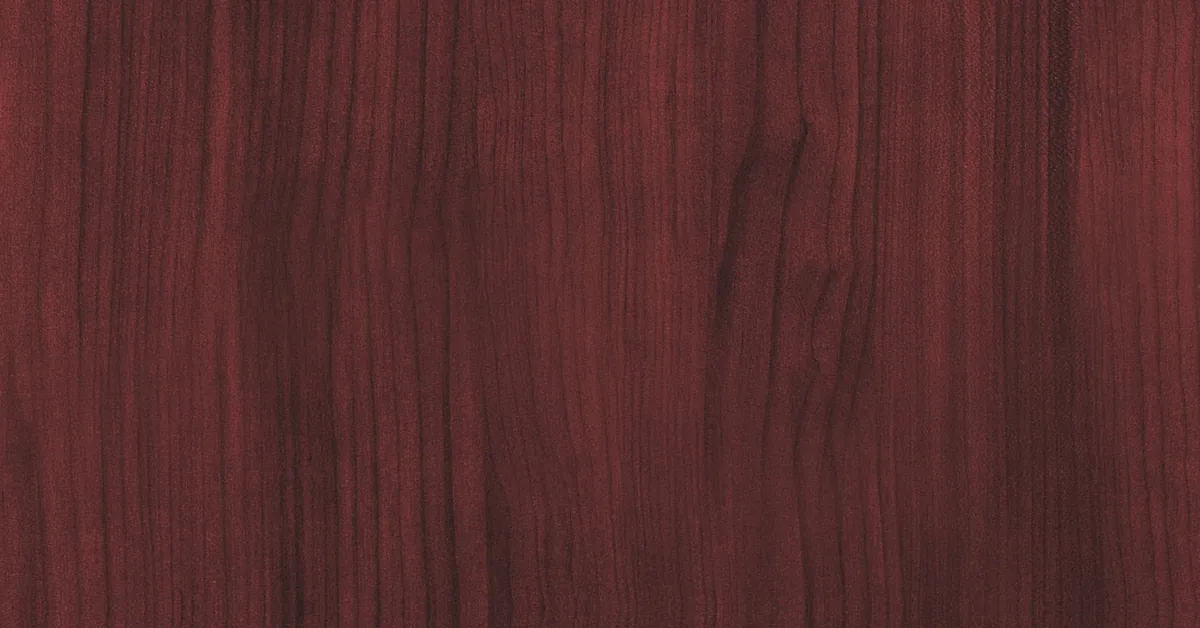
How to Finish Mahogany for Outdoor Use: Door, Deck, Table
The right way to finish mahogany for outdoor use depends on where the wood sits: build a clear spar varnish film on doors, trim and furniture, and use a lightly pigmented penetrating oil on decks. Both start with the same sanding and cleaning. The part most guides skip is how short-lived clear varnish is in direct sun, so this page puts the maintenance clock next to each system, using the USDA Forest Products Laboratory (FPL) data.
Pick the Finish by Exposure, Not by Brand
Best Spar Varnish Pick
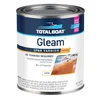 |
TotalBoat Gleam Marine Spar Varnish, Satin, 1 Quart ($49.99) A brush-on urethane spar varnish for the door, trim and furniture system described below, where a clear film is the finish you want.
|
As an Amazon Associate we earn from qualifying purchases.
Outdoor finishes split into two families. Film-forming finishes such as spar varnish build a layer on top of the wood. Penetrating finishes such as oils and water-repellent products soak in and leave no film. The family you want follows from how the piece is used.
| Surface | Exposure | Starting system | Maintenance rhythm |
|---|---|---|---|
| Door under a porch or on a north wall | Protected from direct sun | Clear spar varnish, at least 3 coats | Check yearly; recoat before the surface crazes |
| Door facing direct sun | Full UV and rain | Spar varnish over a lightly tinted base, or switch to a pigmented finish | FPL: refinish roughly every 1 to 2 years |
| Deck or other horizontal surface | Standing water and foot traffic | Lightly pigmented penetrating oil (no film to peel) | Reapply when the surface stops shedding water |
| Outdoor chairs and tables | Sun when in use | Spar varnish, plus an opaque cover when not in use | FPL: a cover helps varnish last years |
The rhythm column is our reading of the FPL guidance, not a lab result from this site. Your sun angle, climate and number of coats move it up or down.
What the Forest Products Laboratory Says About Outdoor Varnish
Here is the correction to a common claim. Spar varnish is sold as the exterior mahogany finish, and it is the best-looking one, but it is not a set-and-forget finish. The USDA Forest Products Laboratory Wood Handbook, Chapter 16 states that varnish lacks exterior permanence unless protected from direct sunlight, and that varnishes in direct sunlight generally require refinishing every 1 to 2 years. It calls varnish a high-maintenance finish that is not generally used on the exterior of structures.
The reason is the wood underneath, not just the film. Clear varnish usually fails by a combination of cracking and UV degradation of the wood at the wood-varnish interface. The FPL gives a quick test: look at the back of a peeled chip of varnish, and if wood fiber is stuck to it, the surface under the film broke down. Two practical fixes follow from that.
- Add pigment under the film. The FPL says staining the wood with an oil-based semitransparent stain before applying varnish improves its service life, because the pigments reduce photodegradation of the wood and keep the varnish bonded.
- Refinish early. With pigmented varnish, damage starts as surface crazing, and the FPL says refinishing before crazing turns into cracks restores the appearance.
Coats matter too. The FPL measured how well finishes slow water vapor moving through the film (moisture-excluding effectiveness, MEE) on ponderosa pine. This is not mahogany and it is a vapor test, not a water-repellency test, but it shows the pattern for oil-modified urethane varnish.
| Coats of urethane varnish | MEE after 1 day | After 7 days | After 14 days |
|---|---|---|---|
| 1 | 55% | 10% | 2% |
| 2 | 83% | 43% | 23% |
| 3 | 90% | 64% | 44% |
| 4 | 91% | 68% | 51% |
| 6 | 93% | 76% | 62% |
| For comparison: 3 coats of water repellent | 78% | 27% | 11% |
Two takeaways. Going from one coat to three more than quadruples the 7-day figure (10% to 64%), which is why a single coat of varnish is not a finish. And past four coats the gains are small, so put the extra effort into prep and early recoating instead. Makers agree on building up coats: Epifanes states that high-UV climates call for a minimum of 6 build-up coats of its clear varnish.
Prep Steps That Apply to Every System
- Check the species and fasteners. Honduran mahogany is rated moderately to very durable by the Wood Database, with a Janka hardness of 900 lbf, while African mahogany (Khaya) is rated moderately durable and may stain and react with iron-based fasteners in damp conditions. Use stainless or coated fasteners outdoors.
- Clean off old finish and gray. Strip failed film completely. If the wood has weathered gray, a wood brightener can lift it before sanding. Let the wood dry fully; never finish over damp wood.
- Sand with the grain. Work through 80 or 120 grit to 220 grit for a clear finish. Sanding across the grain leaves scratches that clear finishes magnify.
- Wipe off dust with a tack cloth or a rag lightly dampened with mineral spirits, then let it flash off.
- Decide on grain filler. Mahogany has open pores. Fill them only if you want a glass-smooth gloss on a door or table; on decks, skip it.
Moving boards from a lumberyard? The properties of the species are covered separately in our mahogany wood properties guide, and our mahogany uses page shows where it is commonly installed.
The Spar Varnish System for Doors, Trim and Furniture
This is the film-finish route. Spar varnish stays flexible so it can move with seasonal swelling, which standard interior polyurethane does not do as well. Use a product labeled for exterior or marine use.
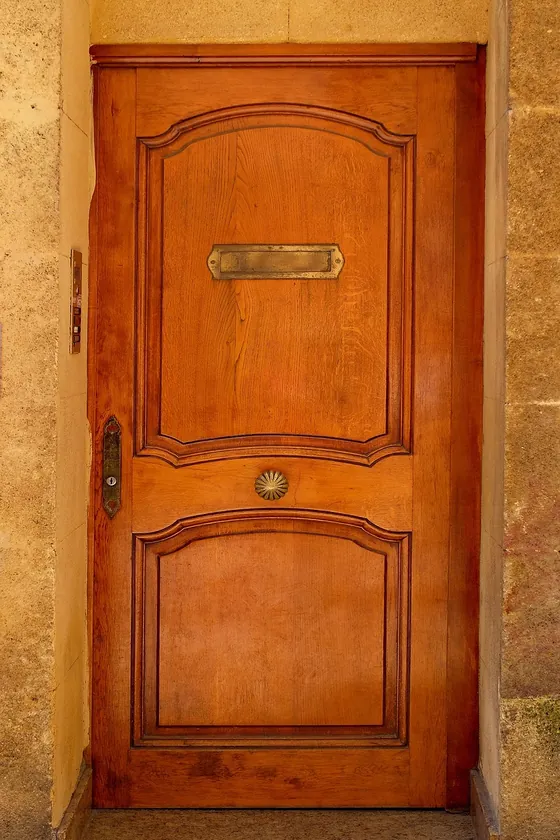
- Apply a first coat thinned slightly if the maker allows it. TotalBoat lists thinning 5 to 10 percent for brush or roller application.
- Let each coat cure for the time on the can. TotalBoat gives a 1 hour recoat at 72F and says up to 3 coats can go on in one day, with an application range of 45 to 105F.
- Scuff-sand lightly between coats once the finish is dry enough to sand, and wipe off the dust.
- Build at least 3 coats (the FPL minimum, even in protected spots). For a full gloss build, the same maker calls for 4 to 6 coats of gloss; Epifanes calls for at least 6 in high UV.
- On doors, finish all six faces, including the top and bottom edges, because unfinished end grain is where moisture gets in.
Coverage on that maker’s listing is 360 to 400 square feet per gallon, per coat, so a 3×7 foot door with both faces (about 42 square feet) needs roughly 170 square feet of coverage for four coats, which is close to half a gallon before waste.
The Oil and Stain System for Decks
Horizontal wood holds standing water, so a peeling film is the last thing you want underfoot. The FPL notes that lightly pigmented penetrating finishes perform well on decks, and that oil-based semitransparent stains are porous and do not form a film, so they do not blister or peel even in the presence of excessive water. They erode instead, which makes the next coat easy.

- Brush it on. The FPL advises brushing oil-based semitransparent penetrating stains rather than spraying or rolling, to work the finish in and reduce lap marks.
- Beat lap marks. Stain two or three boards at a time and keep a wet edge, working each board end to end.
- Wipe off excess. Oil that sits on the surface instead of soaking in stays tacky. Wipe it after the manufacturer’s soak time.
- Handle rags safely. Rags soaked in drying oils such as linseed or tung can self-heat and ignite. Spread them flat outdoors to dry, or store them in water in a sealed metal container.
Brand and color comparisons are in our best mahogany finishes comparison. If you are choosing between two oil-based stains, our Cabot vs Australian Timber Oil comparison and the tung oil vs Danish oil guide go deeper. Recoating on a deck is covered in when to apply a second coat of stain on a deck.
Recoat Schedule and Signs the Finish Is Failing
Calendar dates are a starting point only. Inspect twice a year and act on what you see.
- Varnish: look for dull patches, fine crazing or a chalky look. Per the FPL, recoat at the crazing stage. After cracks and peeling start, you are scraping and sanding back to bare wood.
- Penetrating oil: sprinkle water on the surface. If it soaks in instead of beading, the wood is ready for another coat after cleaning.
- Gray patches or black spots: water has reached the wood. Clean, brighten and let it dry before coating again.
For the rest of the finishing lineup, our exterior finish for wood guide and the guide to weatherproofing wood cover other species and products. For a different finish at the other end of the color spectrum, see how to finish black walnut, and if a stain is slow to cure in damp weather, read how to dry wood stain faster.
Frequently Asked Questions
How do you finish mahogany for outdoor use?
Sand to 220-grit, wipe off the dust, and pick the system by exposure. For doors, trim and furniture, build a clear spar varnish film (at least 3 coats, 4 to 6 for a full gloss build). For decks and other horizontal surfaces, brush on a lightly pigmented penetrating oil instead, because it wears away rather than peeling.
What is the best outdoor finish for mahogany?
There is no single best. Spar varnish gives the richest look on doors and furniture but is high maintenance, and the USDA Forest Products Laboratory says varnish in direct sun generally needs refinishing every 1 to 2 years. A tinted penetrating oil or semitransparent stain is the lower-maintenance choice for decks.
How long does an outdoor mahogany finish last?
It depends on sun. The Forest Products Laboratory puts clear varnish in direct sunlight at refinishing every 1 to 2 years, with longer life in protected spots like a door under a porch. A penetrating oil does not peel, but it thins out as it weathers, so reapply when water stops beading on the surface.
Can you use teak oil on mahogany?
Yes, it is safe to apply. Teak oil is a name for a wiping-oil blend, not oil from teak trees. Used alone outdoors it offers modest protection and is best treated as a regularly renewed finish, so reapply it on a schedule rather than waiting for the wood to turn gray.
Do you need to seal mahogany before varnish?
Not with a separate product in most cases. Mahogany has open pores, so the first varnish coat soaks in and later coats build the film. Many makers allow thinning the first coat slightly (TotalBoat lists 5 to 10 percent for brushing), which helps it penetrate. Always follow the can for your product.
Sponsored / affiliate links. As an Amazon Associate I earn from qualifying purchases. I may earn additional commission from eligible campaigns.
 #1 Deck Premium Advanced Solid Color Outdoor Wood Stain and Sealer in One – Water Based Sealant for Wood Decks, Fences, & Siding - 1 Gal - Made in USA - Simply White
 #1 Deck Premium Advanced Solid Color Outdoor Wood Stain and Sealer in One – Water Based Sealant for Wood Decks, Fences, & Siding - 1 Gal - Made in USA - Gray