Masonry Skill Saw Blade: Master Precision Cutting Techniques
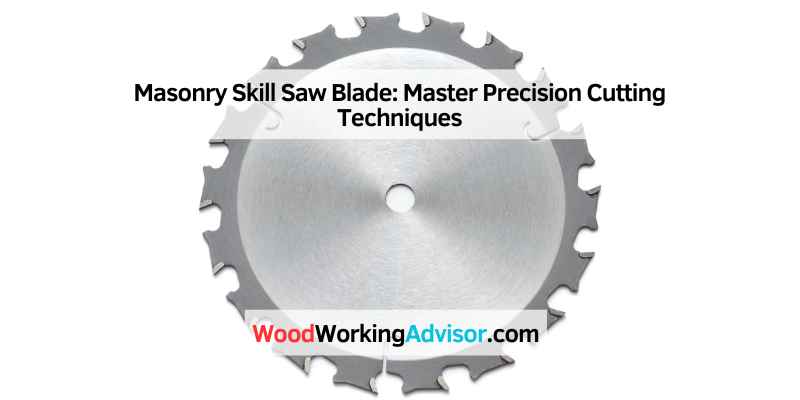
A masonry skill saw blade is specifically designed for cutting through tough materials like concrete, brick, and stone. These blades feature diamond segments that enhance durability and cutting efficiency.
Masonry work requires precise tools to achieve clean cuts and professional finishes. A masonry skill saw blade stands out as an essential tool for both professionals and DIY enthusiasts. Unlike standard blades, masonry blades are engineered to withstand the rigors of hard materials.
They are ideal for various applications, from cutting bricks for a new patio to slicing through concrete blocks for a foundation. Selecting the right blade ensures faster cuts and a longer lifespan. Understanding the features and specifications of masonry blades will help you choose the best option for your projects.
Introduction To Masonry Skill Saw Blades
Masonry skill saw blades are essential tools for masonry work. They help cut through tough materials easily. Different types of blades are made for various materials. Choosing the right blade is crucial for the best results.
Common types of masonry skill saw blades include:
| Blade Type | Material |
|---|---|
| Diamond Blade | Concrete and Brick |
| Carbide Blade | Wood and Soft Metals |
| Turbo Blade | Granite and Stone |
Using the correct blade can improve cutting speed and quality. Proper blade maintenance extends its life and performance. Always wear safety gear while using saw blades for protection.
Selecting The Right Blade
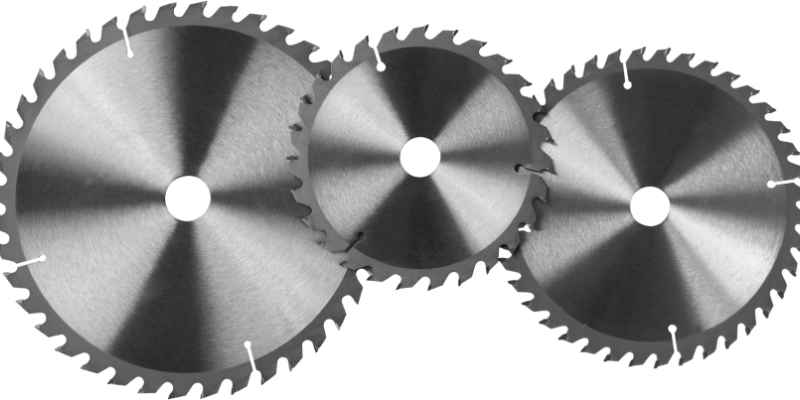
Selecting the right masonry skill saw blade is crucial. The blade material affects its performance. Options include diamond, carbide, and high-speed steel. Diamond blades are best for hard materials. Carbide blades work well for softer masonry. Durability is key to long-lasting performance.
Understanding blade dimensions is important for effective cutting. Look for the diameter of the blade. Common sizes range from 4 inches to 14 inches. The thickness of the blade also matters. Thicker blades can handle tougher jobs. Choose a blade that matches your saw specifications.
Preparing For Precision Cutting
Prepare your workspace for safety and efficiency. Keep it clean and organized. Make sure tools are within reach.
Wear proper safety gear. Use goggles to protect your eyes. Gloves will help keep your hands safe. Hearing protection is also important.
Check your masonry skill saw blade before use. Ensure it is sharp and free of damage. A dull blade can cause accidents.
Ensure the area is well-lit. Good lighting helps you see what you are doing. This reduces the chance of mistakes.
Always have a first aid kit nearby. Accidents can happen, so be prepared. Knowing how to use the kit is also essential.
Cutting Techniques
Straight cuts are the most common technique used with a masonry skill saw blade. To achieve these cuts, ensure the blade is sharp and properly aligned. Use a straight edge as a guide for precision. Always wear safety gear to protect your eyes and ears.
For curved and corner cuts, a different approach is needed. Use a narrower blade that can maneuver easily. Make small, gradual cuts to maintain control. Take your time to avoid mistakes and ensure smooth edges. Practice on scrap material if you’re unsure.
Advanced Cutting Methods
Plunge cuts are essential for creating openings in masonry. This method allows for a clean and precise cut. Use a high-quality masonry skill saw blade for better results.
Stack cutting technique is great for making multiple cuts at once. This method saves time and improves efficiency. Always ensure the saw blade is sharp for optimal performance.
Remember to wear safety gear when cutting. Safety glasses and gloves protect against debris. Proper techniques lead to safer and more effective cutting.
Maintenance Tips
To maintain your masonry skill saw blade, regular cleaning is essential. Use a soft brush to remove dust. A mild detergent can help with stubborn dirt. Rinse the blade and dry it properly to avoid rust.
Sharpening the blade keeps it effective. Use a sharpening tool specifically designed for masonry blades. Regularly check the blade’s sharpness to ensure it cuts well.
Proper storage extends the blade’s life. Store the blade in a dry place. Avoid stacking other tools on top to prevent damage.
Troubleshooting Common Issues
Blade wobbling is a common issue that affects cutting quality. Check the blade for damage. Tighten the blade to ensure it is secure. A loose blade can cause unsafe vibrations.
Cleaning the arbor and blade can also help. Remove any debris or dust buildup. This will improve the blade’s stability during use.
Overheating occurs when the blade is used too aggressively. Reduce the cutting speed to prevent this problem. Allow the blade to cool down during long cuts.
Using the right blade for the material is crucial. Ensure that the blade matches the masonry type. Proper lubrication can also reduce heat buildup.
Case Studies
Many successful projects used the Masonry Skill Saw Blade. These projects showed great results. For example, a team completed a large commercial building quickly. They used the blade for cutting bricks and concrete. This saved time and money.
Lessons learned from failures are important too. Some teams faced issues with blade wear. This caused delays in their projects. Proper maintenance of the blade is essential. Always check for sharpness and damage before starting work.
Another lesson is the need for proper training. Teams that did not train struggled with cutting. Skilled workers achieved better results. Investing in training sessions makes a big difference.
Future Of Masonry Cutting
The future of masonry cutting relies heavily on innovations in blade technology. New materials are being developed for blades. These materials make cutting more efficient and durable.
Advanced designs allow for faster and cleaner cuts. Blades now feature special coatings to reduce friction. This helps in saving energy during use.
Trends in masonry construction are also changing the demand for blades. More projects require precise cuts for various materials. The need for versatile blades is increasing.
Overall, embracing these innovations will lead to better performance in masonry work.
Frequently Asked Questions
What Is A Masonry Skill Saw Blade?
A masonry skill saw blade is specifically designed for cutting hard materials like brick, stone, and concrete. These blades are made with diamond or carbide tips, which provide durability and precision. Using the right blade ensures clean cuts and prolongs the life of your saw.
How Do I Choose A Masonry Blade?
Choosing the right masonry blade depends on several factors. Consider the material you will cut, the blade diameter, and the tooth count. A higher tooth count offers smoother cuts, while a lower count is better for faster, rough cuts. Always match the blade to your specific project needs.
Can I Use A Masonry Blade On Wood?
No, masonry blades are not suitable for cutting wood. They are designed for hard materials and can cause damage to softer woods. Using the wrong blade may also pose safety risks. Always select the appropriate blade for the material you intend to cut.
How Long Does A Masonry Blade Last?
The lifespan of a masonry blade varies based on usage and material. Generally, a quality masonry blade can last for several projects. Proper care and maintenance can extend its life. Always check for wear and replace the blade when it shows signs of damage.
Conclusion
Choosing the right masonry skill saw blade is essential for achieving precise cuts. It enhances your efficiency and overall project quality. Consider factors like blade material and design for optimal results. Investing in a quality blade can save time and improve safety.
Make informed choices to elevate your masonry projects today.