Moisture in My Garage: Where It Comes From
To find moisture in a garage, start with the symptom. A wet floor usually means bulk water intrusion or drainage. Condensation on cold metal points to humid air. Rust plus a musty odor points to chronic dampness. One symptom can have more than one source. Ignore it, and you risk warped wood, rusty tools, stained slab, and mold. Use the symptom to trace the likely moisture pathway before you buy a dehumidifier, caulk, or sealant.
Why your garage gets damp

Garage moisture usually comes from four pathways: condensation on cold surfaces, vapor moving through the slab, leaks or runoff from outside, and water carried in on vehicles, boots, or stored items. The same garage can have more than one pathway at once, so symptom-first diagnosis matters more than guessing.
Condensation and dew point
Condensation happens when warm, humid air reaches a colder surface and cools to its dew point. That is why floors, doors, walls, and windows sweat after a temperature swing. A cold concrete slab, a steel garage door, or a metal tool chest can turn into a condenser the moment damp air lands on it.
Relative humidity matters because it sets the stage for rust and surface condensation. A hygrometer lets you measure it. Aim below about 60% RH in a garage, and for a shop with bare steel, about 55% RH or lower is a better target. Rust risk rises once RH passes about 60%.
Slab vapor and capillary action
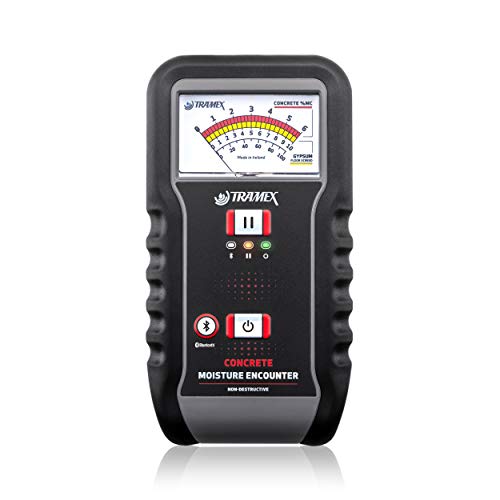
Concrete can wick groundwater by capillary action and also pass moisture as vapor. That means a slab can feel damp even when no puddle is present on top. If moisture is moving through the concrete, you may see dark patches, efflorescence, or a plastic sheet that fogs underneath.
Capillary rise is different from a leak. A slab can draw moisture from below, while a leaking roof or poor grading adds water from above. The fix changes with the source, so do not treat every damp slab the same way.
Leaks, runoff, and wet vehicles
Rain, snow, slush, and a wet car can all raise garage humidity fast. Meltwater from wheel wells, boots, or a dripping vehicle may collect near the door and keep the air damp for hours. In some garages, the floor is dry until the first storm, then the problem appears immediately.
Garage door weatherstripping helps here. A bottom sweep and perimeter seals reduce humid air infiltration and help limit wind-driven water entry. Gutters, grading away from the slab, and crack sealing can also cut water entry, but none of those fixes solves every moisture source.
Garage moisture diagnosis table
| Symptom | Likely source | 24-hour test | First fix |
|---|---|---|---|
| Wet floor near the door after rain | Wind-driven water, poor door sealing, or grading toward the slab | Close the door on a dry day, then inspect after the next rain | Add weatherstripping, clean gutters, and improve drainage away from the opening |
| Damp corners at the slab edge | Slab vapor or vapor trapped at cold perimeter concrete | Tape a 2 ft x 2 ft plastic sheet to the floor for 24 to 48 hours | Confirm slab moisture, then consider a penetrating sealer and drainage correction |
| Rust on tools but no visible puddles | High RH and repeated condensation cycles | Place a hygrometer near the tools for a full day | Lower RH below 60%, or below 55% for bare steel storage |
| Condensation on car windows inside the garage | Humid air meeting cold glass | Note whether it appears after sunset or a cold front | Reduce indoor humidity and dry the vehicle before parking |
| Musty odor | Chronic dampness in cardboard, drywall, or framing | Move stored paper items out for one day and check whether the odor drops | Dry the space, remove damp items, and fix the source before sealing surfaces |
| Wet drywall bottom | Bulk water entry, splashback, or slab moisture wicking into framing | Check whether the damp strip grows after rain or after snow melt | Repair exterior water entry and keep drywall off the floor |
| White powder on concrete | Efflorescence from moisture moving through concrete | Wipe a small area dry, then inspect for fresh white residue the next day | Treat it as a moisture clue, not a finish problem alone |
| Puddles after rain | Roof runoff, door entry, or grading that slopes toward the garage | Watch where water flows during the next storm | Fix gutters, downspouts, door seals, and soil grade |
| Frost on metal | Very cold metal surfaces meeting humid air | Check whether frost forms during overnight temperature drops | Stabilize temperature and reduce humidity swings |
| Moisture under plastic sheet | Moisture passing through the slab | Leave the plastic test in place for 24 to 48 hours | Address slab vapor and drainage, not just surface dryness |
| Condensation on garage windows | Warm humid air and cold glass | Compare inside RH before and after a temperature drop | Use a humidistat, dry incoming water, and reduce temperature swings |
| Cardboard boxes feel soft or warped | Persistent elevated humidity | Move one box away from the wall for a day and compare | Raise storage and bring RH down with the right control method |
Is the moisture coming through the slab?
If moisture shows up at the floor, slab edge, or lower wall line, the slab may be the source. A plastic sheet test is the quickest first check. If the plastic collects moisture underneath after 24 to 48 hours, the slab is likely moving vapor upward rather than just getting wet from above.
How to use the plastic sheet test
- Pick a clean, bare area of slab.
- Tape down a clear plastic sheet with all edges sealed.
- Leave it for 24 to 48 hours.
- Check both sides of the plastic and the concrete below it.
- Look for fog, beads, darkening, or dampness under the sheet.
If the concrete stays dry around the edges but moisture appears under the plastic, the slab is a likely pathway. If the top side is wet but the underside is dry, the room air may be condensing on the sheet instead.
What efflorescence tells you
Efflorescence is a white powdery mineral deposit. It is a visible clue that moisture is moving through concrete and leaving salts behind. That does not prove the exact source by itself, but it strongly suggests a vapor or water pathway through the slab or masonry below it.
Silane/siloxane sealer can reduce slab absorption. It is a penetrating concrete sealer, not a substitute for drainage fixes. If water is being pushed toward the slab by grading or gutter problems, sealant alone will not solve the source.
When slab moisture points to drainage problems
Suppose a garage floor turns damp only after heavy rain and the plastic sheet test is clean during dry weather. That pattern points more toward runoff or groundwater pressure than indoor humidity. Regrading, gutter repair, and better downspout discharge belong ahead of coatings.
Why is my garage sweating when the weather changes?
Temperature swings make garages sweat because surfaces cool faster than the air around them. When a warm, damp front moves in, or when a cold slab follows a humid day, dew point gets crossed on floors, doors, walls, and windows. The result is condensation, even if no leak exists.
Temperature swings on floors, doors, and walls
A concrete slab can stay cold long after the outdoor air warms. A steel garage door can also swing from cold to warm quickly. That surface difference is why a garage may feel dry at noon and wet by evening.
A common mistake is to assume the dampness is coming only from outside air, when a leaky water heater or washing machine in the garage may be the real source. Weather changes are the trigger, but the real cause is humid air meeting a cold surface. Lower RH, warmer surfaces, or both are needed to stop the cycle.
Condensation on cars, tools, and windows
Why is there moisture in my car? Often because a wet vehicle brings snowmelt, rain, or slush into an enclosed space, then the garage air condenses on the cooler glass and metal. Even a few damp floor mats can raise humidity enough to fog windows and rust unpainted steel.
Picture a one-car garage with a cold concrete slab, a dripping hatchback, and tools stored on a low shelf. The floor gets wet near the tires, the windows fog, and a steel hand plane starts spotting. One source can feed three symptoms at once.
What relative humidity should a garage stay at?
Target below 60% RH in garages, and 55% or lower for shops with bare steel. A humidistat can hold garage humidity under 60%. That target helps limit rust risk, but it does not fix slab vapor, leaks, or water carried in by vehicles.
What fixes work first?
Start with the source that matches the symptom. If water enters from outside, fix doors, drainage, gutters, and grading. If the air is too damp, add controlled drying. If the slab is the source, manage vapor and drainage before buying a bigger machine.
Weatherstripping, sealing gaps, and drainage
Garage door weatherstripping is often the cheapest first step. A bottom sweep and side seals reduce humid air infiltration and help keep slush and wind-driven rain out. Sealing cracks in the slab edge or lower wall can help too, but only after you confirm that movement through the crack is part of the problem.
Drainage matters just as much as sealing. Gutters, downspout extensions, and regrading away from the slab reduce the amount of water that ever reaches the garage. Those fixes help all moisture pathways except simple indoor condensation from humid air.
Fans, humidistats, and dehumidifiers
Ventilation fans can help remove damp air in short bursts. 100 to 200 CFM for an exhaust fan, used with a timer or humidistat. That can work well after wet-car parking or a rain event, but ventilation alone may fail if the outside air is already damp.
A dehumidifier is the common indoor fix when the problem is persistent humidity rather than a direct leak. Typical garage sizing is 30 to 50 pints per day, and a one-car garage recommendation is also 30 to 50 pints per day. A standard two-car garage may need 50 pints. A continuous drain hose is preferred so the unit does not stop when the bucket fills.
When a desiccant unit beats a compressor unit
Should I use a dehumidifier in a cold garage? If the space stays below about 65°F, a compressor model may struggle. The Garage Log warns that standard dehumidifiers struggle below 65°F and recommends desiccant dehumidifiers for cold garages. A desiccant unit uses a moisture-absorbing wheel and heating element, so it works better in cooler spaces.
Use a compressor dehumidifier when the garage stays warmer and you want efficient water removal. Use a desiccant unit when the garage stays cold for long periods. Either way, set the humidistat to hold the target range instead of running blindly.
Cold-climate or mild-climate garage?
The climate tells you which control strategy deserves priority. Cold garages need a different answer than mild garages because compressor dehumidifiers lose performance as temperatures fall. Mild garages can often rely more on controlled ventilation and standard dehumidification, provided outside air is not already damp.
Cold garages below about 65°F
In cold garages, start by limiting water entry, then choose a desiccant dehumidifier if humidity stays high. A mini-split can also belong on the list as a long-term upgrade because it keeps temperatures steadier and can reduce condensation cycles. It does not stop slab vapor, but it can reduce surface sweating.
Mild garages with frequent air exchange
In milder spaces, a timed fan and a standard dehumidifier may be enough if the garage is not taking on water from outside. Keep the vents high and low for cross-ventilation only if the outdoor air is drier than the indoor air. If the outdoor air is already humid, opening more vents can make the problem worse.
Decision tree
- If the floor gets wet after rain, check drainage, gutters, and door seals first.
- If the floor is damp even in dry weather, run the plastic sheet test on the slab.
- If tools rust and windows sweat without visible water entry, measure RH and look for condensation.
- If the garage stays below about 65°F, favor desiccant dehumidification over a compressor unit.
- If humidity spikes only after parking a wet vehicle, focus on drying the vehicle and limiting infiltration.
Is a garage considered a wet location?
Sometimes, but not always. A garage is often treated as a damp or wet-prone area because water can enter from vehicles, snow, rain, and slab moisture. For tools, finishes, and electrical decisions, what matters is the actual exposure pattern in that garage, not a generic label.
If the space routinely has standing water, repeated condensation, or damp concrete, treat it as a higher-risk environment for storage and electrical planning. If it stays dry except for brief vehicle meltwater, you may only need targeted moisture control at the door and slab edge.
Frequently asked questions
Why is there moisture in my car?
Moisture usually enters with rain, snow, slush, or wet floor mats, then condenses on cold glass and trim in the garage. If windows fog only after parking, the garage air is likely humid enough to cross dew point. Dry the vehicle first and check the garage RH.
Is a garage considered a wet location: a garage can function like?
A garage can function like a wet location when it regularly sees water from vehicles, storm runoff, or slab moisture. For tool storage and electrical planning, look at actual exposure. A dry garage with brief winter meltwater is very different from one with puddles, condensation, or damp walls.
What causes moisture in a garage floor
The most common causes are slab vapor, condensation on a cold slab, water carried in by vehicles, and runoff from outside. A floor that gets damp after rain points more toward drainage or door entry. A floor that stays damp in dry weather points more toward slab moisture or condensation.
How do I know if moisture is coming through my garage slab?
Use the plastic sheet test for 24 to 48 hours on a clean slab area. If moisture appears under the sealed plastic, the slab is likely moving vapor upward. Efflorescence is another clue. If the floor only gets wet after rain, look first at drainage, gutters, and door seals.
Should I use a dehumidifier in a cold garage?
Yes, but choose the right type. Standard compressor dehumidifiers struggle below about 65°F, so a desiccant dehumidifier is usually the better choice in cold garages. In milder garages, a 30 to 50 pint per day compressor unit with a continuous drain hose is often the simpler option.
Why does my garage sweat when the weather changes?
Weather changes shift the dew point relationship between air and surfaces. A warm, humid front can make cold slabs, doors, and windows sweat. A cold snap can do the same if indoor air is moist. The fix is steady humidity control, better insulation or temperature control, and less water brought inside.
What humidity should a garage stay at to prevent rust
Keep a garage below 60% RH to reduce rust risk, and aim for 55% or lower when bare steel tools are stored. A hygrometer is the simplest way to track it. If RH stays above that range, inspect for condensation, slab vapor, or repeated water entry before adding more equipment.
Sponsored / affiliate links. As an Amazon Associate I earn from qualifying purchases. I may earn additional commission from eligible campaigns.