Pergola Enclosure for Winter: Best Materials and Options
A pergola enclosure for winter works best when you match the system to exposure: use clear vinyl panels or polycarbonate in windy, snowy areas, and choose lighter roll-down sides or curtains only for mild weather and short-term use. Pick the wrong material or fastening, and you can trap snow load, tear fabric, or let wind rack the frame until repairs cost more than the enclosure. This guide compares enclosure types, explains snow and wind limits, and helps you choose materials, attachment methods, and a budget that fit your climate.
How to choose a winter enclosure


Start with exposure, not appearance. A sheltered backyard can often get by with side panels alone, while a windy or heavy-snow site needs a roof that sheds precipitation and side protection that does not flap loose. The longer you want the enclosure to stay up, the more it should move from fabric toward rigid panels or glazing.
Use the pergola as it is built, too. Costco describes pergolas as creating an “open-air retreat” with “filtered shade,” and says they can be made from aluminum, steel, or wood. That matters because the frame material and connections help determine whether a winter enclosure can be temporary, semi-permanent, or truly permanent.
Decide whether you need temporary, semi-permanent, or permanent coverage
Temporary systems suit mild winters, rental homes, or situations where you only need a few weeks of wind blocking. Semi-permanent systems fit a backyard that sees regular cold, rain, and occasional snow. Permanent systems belong to pergolas that are being converted into a more enclosed room, where drainage, ventilation, and structural load all need to be treated as permanent conditions.
Choose sides, a roof, or both
Sides cut wind and drifting snow. A roof handles the load from above. In a sheltered setting, sides may be enough to make the space usable. In a snowy or exposed setting, sides without a roof can still leave you with a cold, wet platform that collects water or snow on the open top.
A common first-timer mistake is to install curtains on all four sides and assume the space is winter-ready. If the top still catches snowmelt or sleet, the enclosure may stay cold, collect moisture, and put extra stress on the frame.
Pergola enclosure decision matrix
This table gives a fast way to match enclosure type to winter conditions. Low-budget options can work, but only in the right exposure range. Mid-range and premium systems buy better wind control, better snow handling, and longer service life.
| Enclosure type | Climate exposure | Installation difficulty | Light level | Wind resistance | Snow performance | Cost tier | Removability | Best use case |
|---|---|---|---|---|---|---|---|---|
| Clear vinyl curtain | Mild to moderate | Low | High | Moderate when anchored well | Fair on sides only | Low | High | Temporary side enclosure with light and wind blocking |
| Outdoor curtain | Sheltered, mild winter | Low | Low to medium | Low to moderate | Poor | Low | High | Privacy and basic wind reduction |
| Tarp or canvas | Short-term emergency use | Low | Low | Low if loose; fair if tightly secured | Poor to fair | Low | High | Budget stopgap during storms or construction gaps |
| Polycarbonate panels | Moderate to harsh | Medium | High | High | Good | Mid-range | Medium | Rigid side or roof panels where snow and wind matter |
| Acrylic panels | Moderate | Medium to high | High | High | Good if supported well | Mid-range to high | Medium | Translucent rigid enclosure where clarity matters |
| Glass sliding doors/windows | Harsh to four-season | High | High | High | High when engineered correctly | Premium | Low | Long-term enclosed room or winter garden conversion |
| Zip screens | Sheltered to moderate | Medium | Medium | Moderate | Poor to fair | Mid-range | Medium to high | Adjustable wind and privacy control |
| Louvered roof | Moderate to harsh | High | Adjustable | High | Good when closed and drained correctly | Premium | Low | Top enclosure with controlled light and ventilation |
Which side enclosure works best?
Side enclosures work best when the roof already sheds water, or when winter conditions are mild enough that wind and drift are the main problem. Clear vinyl curtains are the strongest low-cost temporary option for retaining light while blocking wind, rain, and snow. Curtains, screens, and tarps are less insulating than rigid panels, so they reduce exposure more than they trap heat.
Clear vinyl curtains
Clear vinyl curtains are often described as a low-cost temporary side enclosure for many pergolas. They allow light through, block wind, rain, and snow, and are usually easy to install with tracks, snaps, or hook-and-loop attachments. Their main failure modes are flapping in gusts, zipper wear, and stiffening in deep cold if the panel is repeatedly rolled and unrolled.
Suppose a 12-by-14-foot pergola sits behind a fence and only gets winter wind from one side. Clear vinyl on that side can make the space far more usable without turning the whole structure into a permanent room. In an exposed yard, the same panel may need stronger anchoring and tighter edge sealing.
Outdoor curtains
Outdoor curtains are a decorative side cover, useful for privacy and basic wind reduction. They mount with tracks or hooks and are simpler to move than rigid panels. They do less to hold heat than panels or vinyl, and they can flutter or collect moisture if they are left loose in wet, windy weather.
Zip screens and retractable screens
Zip screens and retractable screens make sense when you want wind and privacy control without fully closing off the pergola. They work best in sheltered or moderate exposure, where you want to adjust the space open or closed through the season. They are not a substitute for rigid panels in snow-prone sites, and zipper freeze-up can become a real winter nuisance.
Weatherproof tarps or canvas sheets
Weatherproof tarps or canvas sheets are the fast budget fix. They can close off a side or a roof opening for a short period, but they are the least durable option and the least attractive in the long run. They also sag, flap, and accumulate water or snow if the attachment points are weak or the pitch is too flat.
Which rigid panel option should you pick?
Rigid panels make sense when you want a winter enclosure that survives wind better than fabric and keeps its shape under snow. LIDA groups winter enclosure methods into low-budget, mid-range, and premium tiers. That is a useful way to think about it: rigid panels usually sit in the middle, while glass belongs at the premium end.
Polycarbonate panels
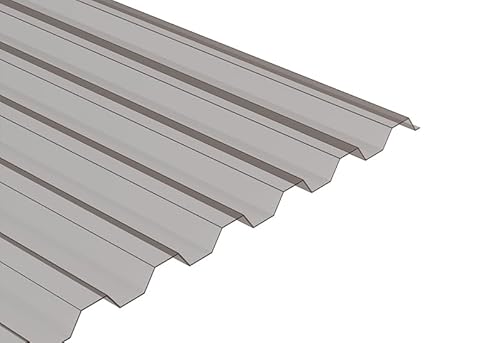
Polycarbonate panels are commonly described as a mid-range rigid enclosure option. They are lightweight, durable, and offer good light transmission. Compared with a plastic sheet, they usually handle wind and snow better. They are a strong choice when you want more protection than fabric without jumping to full glazing.
Acrylic panels
Acrylic panels offer a translucent rigid option with a sleek appearance and higher clarity than many plastics. They are useful when visibility matters, but they have lower impact resistance than polycarbonate. That makes support spacing and fastening quality important, especially in areas that can see hail, falling branches, or drifting snow.
Glass sliding doors and windows
Glass sliding doors and windows are often described as a premium long-term enclosure choice. LIDA lists them as premium, and they suit full four-season use when the structure is engineered for it. They provide ventilation and visibility, but they bring higher cost and installation complexity. They are not a casual weekend project.
Picture a pergola on a coastal lot where winter wind is constant and people want the space usable most days. Glass can make sense there if the frame, footing, and drainage are designed for it. On a light pergola frame, the same idea may push the project beyond what the structure should carry.
Do you need a roof for winter?
If you get snow, freezing rain, or heavy wet weather, a roof matters more than side treatment alone. Roofed systems help keep precipitation off the space and reduce the amount that lands against the side enclosure. Without a roof, even well-fastened sides can leave you with a cold, wet surface that is hard to keep comfortable.
Louvered roof systems
Louvered roof systems are a premium winterization option because they let you adjust light and ventilation while helping block precipitation when closed. They also pair well with side enclosures. TentPergola says winter garden systems can include thermally broken aluminum frames, and it recommends triple-glazed or argon-filled units for cold climates when the project moves into more enclosed territory.
Tarp or cover options
Covered pergolas appear in TimberTech’s temporary winter enclosure ideas, and that is the right place to keep them. A tarp or cover can work as a stopgap, but it should not be treated as a long-term roof in snow country. If water ponds or snow builds up, the cover can fail fast.
Drainage and snow load limits
Drainage and snow load considerations come before finish choices. The roof must shed snow or water, the structure must handle wind and snow, and the base connection must resist uplift. A flat or weakly pitched roof invites sagging, ponding, and stress at the fasteners. In winter, those are structural issues, not cosmetic ones.
Heating and comfort add-ons
Heaters and fire pits can make a winter enclosure more usable, but they do not solve air leakage or roof load. They work best after you have already reduced wind with sides or panels. Heat without wind control tends to disappear fast, especially in open-sided pergolas.
Heater or fire pit placement
Place heaters where the manufacturer’s clearance guidance can be followed exactly, and keep them away from curtains, vinyl, and tarps. A fire pit needs even more caution because open flame and low ceilings are a bad match for many pergola setups. Ventilation matters. So does a safe floor surface.
What heat can and cannot fix
Heat can make a cold enclosure comfortable for sitting or dining. It cannot correct a loose roof, a snow-sagging panel, or a drafty opening that turns the space into a wind tunnel. If the sides leak badly, the heat load rises and comfort drops.
When a pergola becomes a winter garden
A pergola becomes more like a winter garden when the enclosure stops being seasonal and starts acting like a room. That shift happens when you add rigid walls, a controlled roof, better sealing, and often a more durable frame. At that point, the project should be judged by structure, drainage, ventilation, and local code-adjacent rules, not just by outdoor furniture needs.
Signs you need a more permanent enclosure
Move toward a permanent enclosure if you want the space closed for long stretches, if you need reliable comfort in repeated snow, or if fabric and removable panels keep failing. Permanent glazing also makes sense when you need visibility, less weather interruption, and a structure that stays in place through the whole cold season.
What changes when you move past pergola use
The design questions change once the pergola is no longer just a pergola. You have to think about footings, snow shedding, ventilation, condensation control, and access. Clear vinyl and outdoor curtains are no longer the main decision. Frame design and load paths are.
Safety and code-adjacent considerations
Check local rules before sealing a pergola into a room-like space. Also check whether added weight, wind exposure, and snow accumulation exceed what the existing posts and beams were built for. If you add heat, glazing, or a roof system, the project may need a more formal review than a simple outdoor upgrade.
Frequently asked questions
What is the cheapest way to enclose a pergola for winter?
The cheapest path is usually clear vinyl curtains or weatherproof tarps used as a temporary side enclosure. Outdoor curtains can be inexpensive too, but they do less for insulation. Cheap only works if the attachment is secure, because loose fabric can flap, tear, and fail in wind long before winter ends.
Do clear vinyl curtains work for a winter pergola enclosure?
Clear vinyl curtains can work well as a low-cost temporary side enclosure. They allow light through and block wind, rain, and snow better than fabric curtains. They are a practical choice for mild to moderate winter exposure, but they still need solid anchoring and may struggle with repeated hard freezing and strong gusts.
Can a pergola be converted into a winter garden?
Yes, but the project usually stops being a simple pergola enclosure once it becomes a true winter garden. That means more permanent sides, a serious roof system, better thermal control, and structural planning. TentPergola’s cold-climate guidance points to thermally broken aluminum frames and high-performance glazing for that kind of conversion.
What enclosure materials hold up best in snow and wind?
For snow and wind, rigid materials usually perform better than fabric. Polycarbonate is often described as a strong mid-range choice because it is lightweight and durable. Acrylic can also work, but it is less impact resistant. Glass is strongest when engineered properly, though it costs more and requires more complex installation.
Do I need a roof, sides, or both to winterize a pergola?
For mild weather and light use, sides may be enough. For snow, freezing rain, or strong wind, a common rule of thumb is to have both side enclosure and a roof. Sides block drafts, while a roof handles the precipitation load above. Without a roof, even a well-closed pergola can stay wet, cold, and harder to keep safe.
Sponsored / affiliate links. As an Amazon Associate I earn from qualifying purchases. I may earn additional commission from eligible campaigns.