Acacia Wood Outdoor Furniture in Winter
Store acacia patio furniture under cover or indoors if winters are wet or freeze-thaw; if it stays outside, clean it, dry it, cover it, and skip oiling until spring unless the finish is bare. Left alone, water, mildew, cracked finish, and corroded hardware can shorten the set’s life and make spring repairs more expensive. This guide covers cleaning, covering, storing, oiling, and cushion care for winter.
Why acacia shrinks and cracks in freeze-thaw cycles
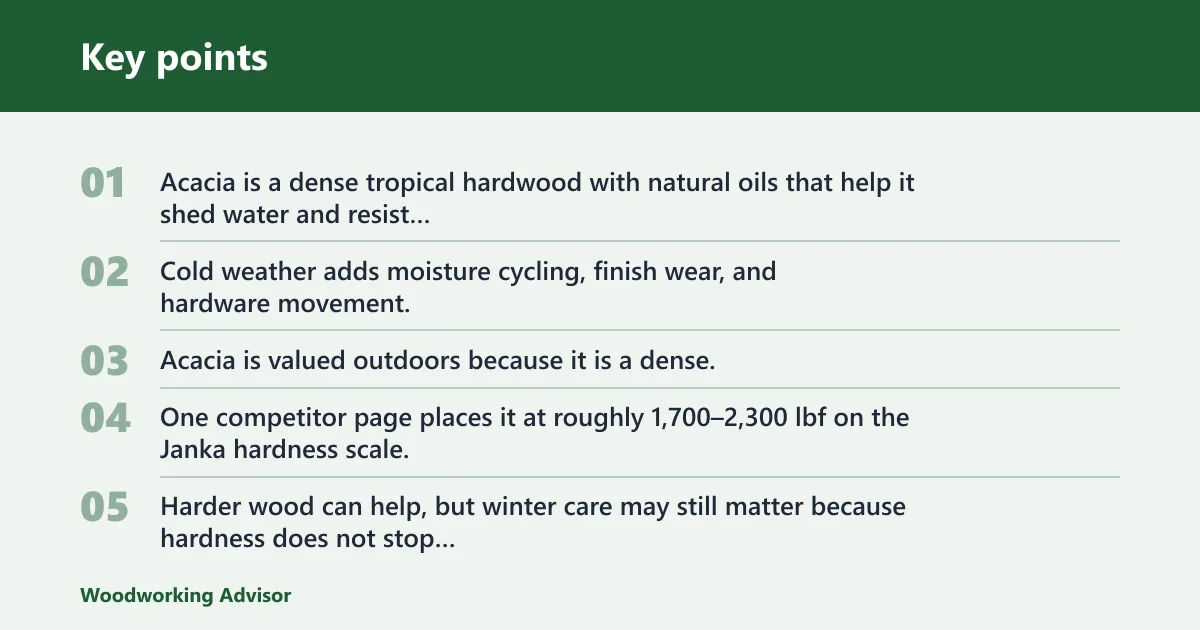


Acacia is a dense tropical hardwood with natural oils that help it shed water and resist rot and insects, which is why it is common for patio furniture. That still does not make it winter-proof. Cold weather adds moisture cycling, finish wear, and hardware movement, especially on pieces that sit outside through snow, melt, and repeated freeze-thaw.
Why acacia is used for patio furniture
Acacia is valued outdoors because it is a dense, durable hardwood with a high fiber density. One competitor page places it at roughly 1,700–2,300 lbf on the Janka hardness scale, compared with about 1,000–1,150 lbf for teak. Harder wood can help, but winter care may still matter because hardness does not stop moisture from working into joints and unfinished edges.
What winter changes for the wood
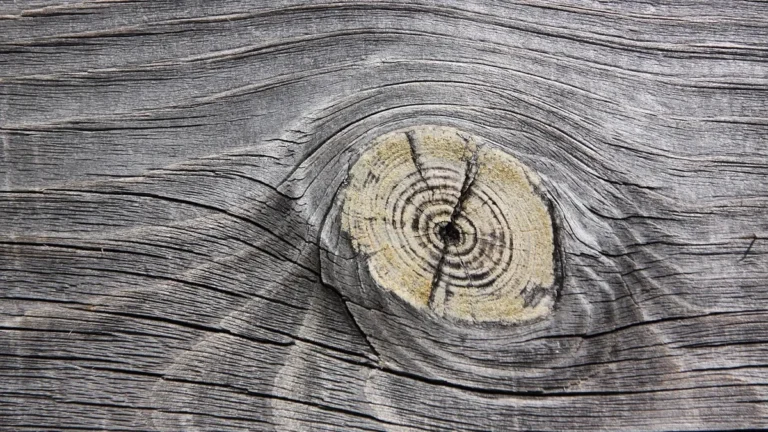
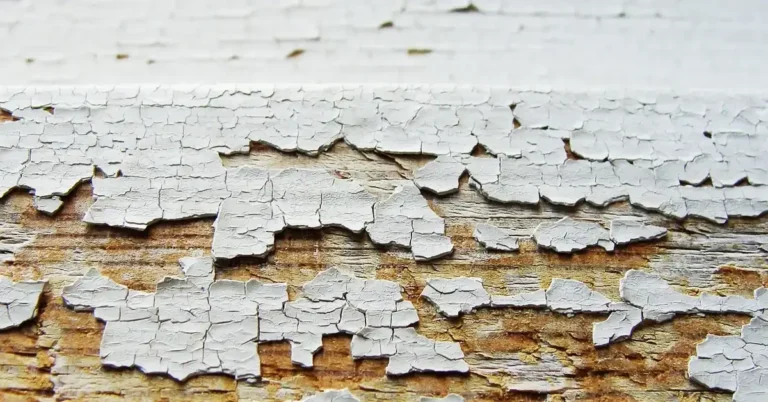
Winter damage usually starts at the surface. When wood gets wet, its fibers swell, then shrink again as it dries. That repeated change can lead to surface checking, finish fatigue, and, over time, cracking at weak points. Temperature swings can also contribute to warping, splitting, and structural damage when furniture is left exposed.
Is acacia wood good for outdoor furniture?
Yes, acacia is a good outdoor furniture wood when you are willing to maintain it. Its natural oils and dense structure give it water, rot, and insect resistance, but outdoor use still depends on care. If you want a low-maintenance set for harsh winters, acacia is better treated as a maintained material, not a leave-it-for-years material.
What durability means in real winter use
Durability here means the furniture can handle outdoor exposure better than many softer woods, not that it can ignore weather. The practical question is how much exposure the piece gets and whether you can clean, dry, and cover it. Livingetc describes acacia as dense and durable, but not as hardwearing as some other hardwoods, so the winter decision should be based on your climate and storage options.
What winter does to acacia furniture
Winter affects the wood, the finish, and the fasteners at the same time. That is why a seasonal plan works better than a single treatment. If you only oil the slats and ignore the hardware, for example, you may still end up with loose joints or a cover that traps moisture against the frame.
Moisture cycling and surface checking
When water sits on flat surfaces, it can seep into end grain, seams, and tiny finish breaks. As temperatures change, the wood expands and contracts. That movement is what creates checking, which is small surface splits that often begin where the finish is weak or where water lingers after rain or snow.
Finish fatigue and cracking risk
Exterior finishes wear faster in winter because UV, moisture, and cold all work together. A worn finish lets the surface dry unevenly, which can lead to dullness, small cracks, and more visible weathering. If the finish is already thin, winter can push cosmetic wear into a maintenance problem that needs sanding and re-coating in spring.
Hardware loosening after seasonal movement
Cold and moisture can change how wood and metal fit together. Screws may back out a little as the wood moves through the season, which can make chairs and tables feel less stable. Re-tightening hardware is not cosmetic care; it is part of keeping a seasonal piece structurally sound.
Acacia winter decision table
Use this table to decide whether to leave acacia furniture out, cover it, or store it. The right choice depends on exposure, not just the calendar. A covered patio with good airflow is very different from a fully exposed deck that takes direct snow and standing water.
| Winter exposure | Cleaning | Drying | Oiling or re-staining | Covering | Cushion removal | Hardware checks | Best recommendation |
|---|---|---|---|---|---|---|---|
| Covered patio | Clean before cold weather and after dusty spells | Dry fully before covering | Skip oiling until spring unless finish is bare; re-stain only if the surface is clearly worn | Use a breathable cover if air can move; use waterproof only if the cover is properly vented and not touching wet ground | Remove cushions and store them dry | Check screws and joints once before winter and again midseason | Cover |
| Fully exposed deck | Clean thoroughly before storage or covering | Dry completely, including undersides and joints | Do not rely on winter oiling; save treatment for spring unless the finish is failing | Cover only as a short-term backup; do not let the cover trap condensation | Remove cushions; do not leave fabric exposed | Check all visible hardware before the first freeze and after big weather swings | Store if possible |
| Indoor storage | Clean before moving inside | Dry completely before storage | Treat only if the finish needs repair; otherwise wait for spring | No cover needed indoors | Remove cushions and store separately in a dry space | Check and tighten hardware before storage | Store |
Covered patio: leave out or cover
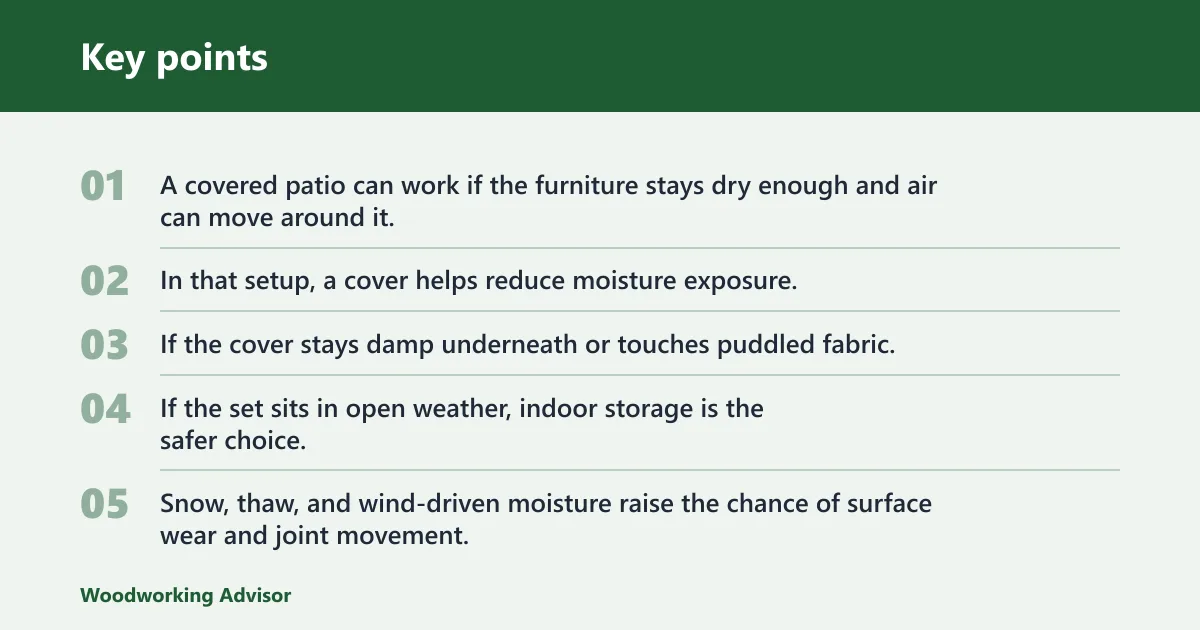
A covered patio can work if the furniture stays dry enough and air can move around it. In that setup, a cover helps reduce moisture exposure, but it should not trap condensation against the wood. If the cover stays damp underneath or touches puddled fabric, it can do more harm than good.
Fully exposed deck: store if possible
If the set sits in open weather, indoor storage is the safer choice. Snow, thaw, and wind-driven moisture raise the chance of surface wear and joint movement. If storage is not possible, cover the piece only after it is fully dry and clear standing water from the top surfaces as soon as conditions allow.
Indoor storage: prep before moving inside
Indoor storage is preferred, especially in a cool dry place. That setting protects the furniture from snow and standing water, which are the winter conditions most likely to speed damage. Before moving it inside, clean the wood, dry every surface, and inspect fasteners so you are not storing dirt and moisture with the set.
How should you protect acacia in winter?
Start with cleaning, then drying, then a cover or storage plan that matches the exposure. The most useful winter protection is simple: remove moisture, reduce direct weather contact, and keep the furniture stable. Cushions and hardware need separate attention because they fail for different reasons than the wood.
Clean and dry before cold weather
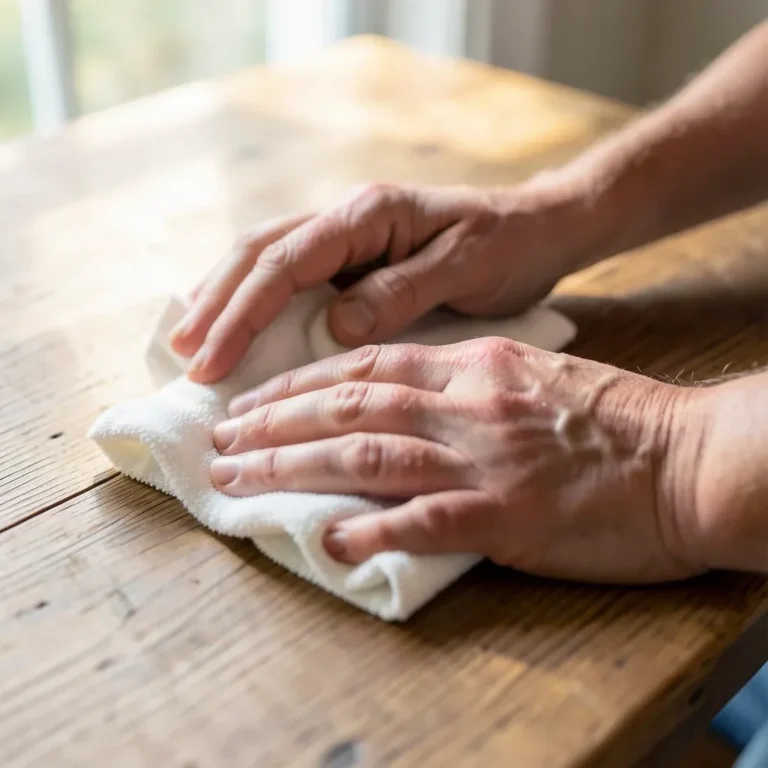
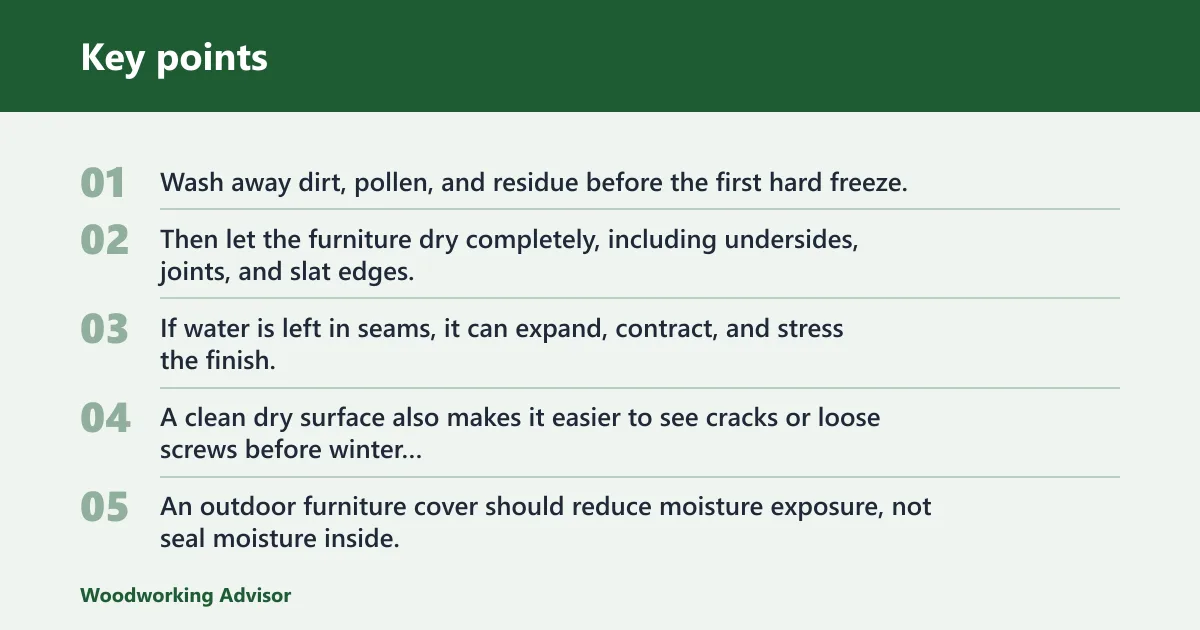
Wash away dirt, pollen, and residue before the first hard freeze. Then let the furniture dry completely, including undersides, joints, and slat edges. If water is left in seams, it can expand, contract, and stress the finish. A clean dry surface also makes it easier to see cracks or loose screws before winter starts.
Use covers without trapping condensation
An outdoor furniture cover should reduce moisture exposure, not seal moisture inside. Breathable covers make sense where air circulation is possible, while waterproof covers are useful for stored pieces that still stay outdoors. In both cases, the cover should not rest in standing water or sit tight enough to hold damp air against the wood.
Remove cushions and check frames
Cushions should come off before winter, even if the frame stays outside. Fabric, foam, and webbing absorb and hold moisture longer than the wood does. Mixed-material furniture needs the same treatment: a powder-coated frame may resist rust well, but the acacia slats, screws, and cushion material still need seasonal care.
Say your four-seat dining set sits on a covered patio. The wood looks fine in November, but one arm joint feels loose and the seat slats show dull finish wear. That set can stay out with a cover, but only after tightening the hardware, removing cushions, and letting the wood dry fully before the cover goes on.
Oiling or re-staining acacia before winter
Use finish care based on the condition of the surface, not the date alone. Exterior wood oil and wood stain each protect in different ways. Oil feeds the surface and is usually applied a few times a year, while stain or acrylic stain is used to build a more visible barrier and is often reapplied once or twice a year.
When exterior wood oil makes sense
Exterior wood oil is a penetrating oil, so it works best when the wood is dry and the finish still has some life left. Apply it thinly and wipe off excess so the surface does not stay sticky or blotchy. The common recommendation is oiling acacia 2–3 times a year, but winter is not the best time to add fresh oil if the furniture is going into active wet weather.
When wood stain or acrylic stain is the better choice
Wood stain or acrylic stain is a stronger choice when the finish has faded enough that the surface looks exposed. It can help prevent drying and cracking more effectively than a neglected oil layer. IKEA recommends re-staining outdoor acacia once or twice a year, which fits pieces that get strong sun or repeated wet-dry cycles.
How often to repeat each treatment
For most outdoor use, oiling 2–3 times a year and re-staining once or twice a year are the reference points given by the manufacturers and guides cited here. That schedule is not a winter rule by itself. If the set is stored indoors for the season, wait for spring rather than applying a fresh coat right before storage unless the finish is bare or damaged.
How long does acacia last outdoors?
With regular care, acacia can last a decade or more outdoors. Neglect shortens that window. The difference usually comes down to whether moisture is managed, the finish is kept in shape, and hardware is checked before small problems turn into structural ones.
Well-maintained pieces versus neglected pieces
A maintained set can often keep its shape and appearance for years because the finish and hardware are checked before problems spread. A neglected set often starts with cosmetic changes, then moves to checking, cracking, and loose joints. That is why winter care should focus on the failure level, not only on looks.
Cosmetic wear versus structural damage
Fading, slight color change, and a dull surface are cosmetic. Cracks that deepen, wobble at the joints, or screws that will not stay tight are structural concerns. It is reasonable to leave out a piece with minor weathering if it is protected well, but structural damage is a sign to store, repair, or replace parts before the next wet season.
A common first-timer mistake is leaving cushions on a table bench through the winter because the frame is covered. The cushion soaks up moisture, stays cold, and dries slowly in spring. The wood may survive, but the fabric and foam often fail first, and that trapped moisture can also stain the acacia below.
Frequently asked questions
How durable is acacia wood outdoor furniture?
Acacia outdoor furniture is durable enough for regular outdoor use, especially because it is dense and naturally resistant to water, rot, and insects. Durability still depends on care. In wet or freeze-thaw climates, the finish, hardware, and storage plan matter as much as the wood species itself.
Does acacia wood last outdoors?
Yes, acacia can last outdoors for many years, and one guide says a decade or more with regular care. The key is preventing repeated moisture exposure and keeping the finish intact. If you leave it exposed all winter without cleaning or covering, the lifespan usually drops.
How do you maintain acacia wood outdoor furniture?
Clean it before heavy weather, dry it completely, and inspect the finish and hardware at least seasonally. Use exterior wood oil 2–3 times a year if the surface needs feeding, or re-stain once or twice a year if the finish is failing. Remove cushions and keep the furniture out of standing water.
What should I do with acacia furniture in winter?
Move it indoors if you can. If it must stay outside, place it in the driest spot available, wipe off snow or standing water from flat surfaces, and use a cover that does not trap condensation. Remove cushions and tighten loose screws before the first freeze.
How does acacia wood hold up outside?
It holds up well when the exposure is controlled and the finish is maintained. Its natural oils help with water resistance, but winter still pushes moisture into joints and weak finish spots. The biggest risks are surface checking, finish fatigue, and loose hardware after repeated seasonal movement.
Sponsored / affiliate links. As an Amazon Associate I earn from qualifying purchases. I may earn additional commission from eligible campaigns.