Fence Repair Spur: How to Fix a Rotted Fence Post Without Replacing It
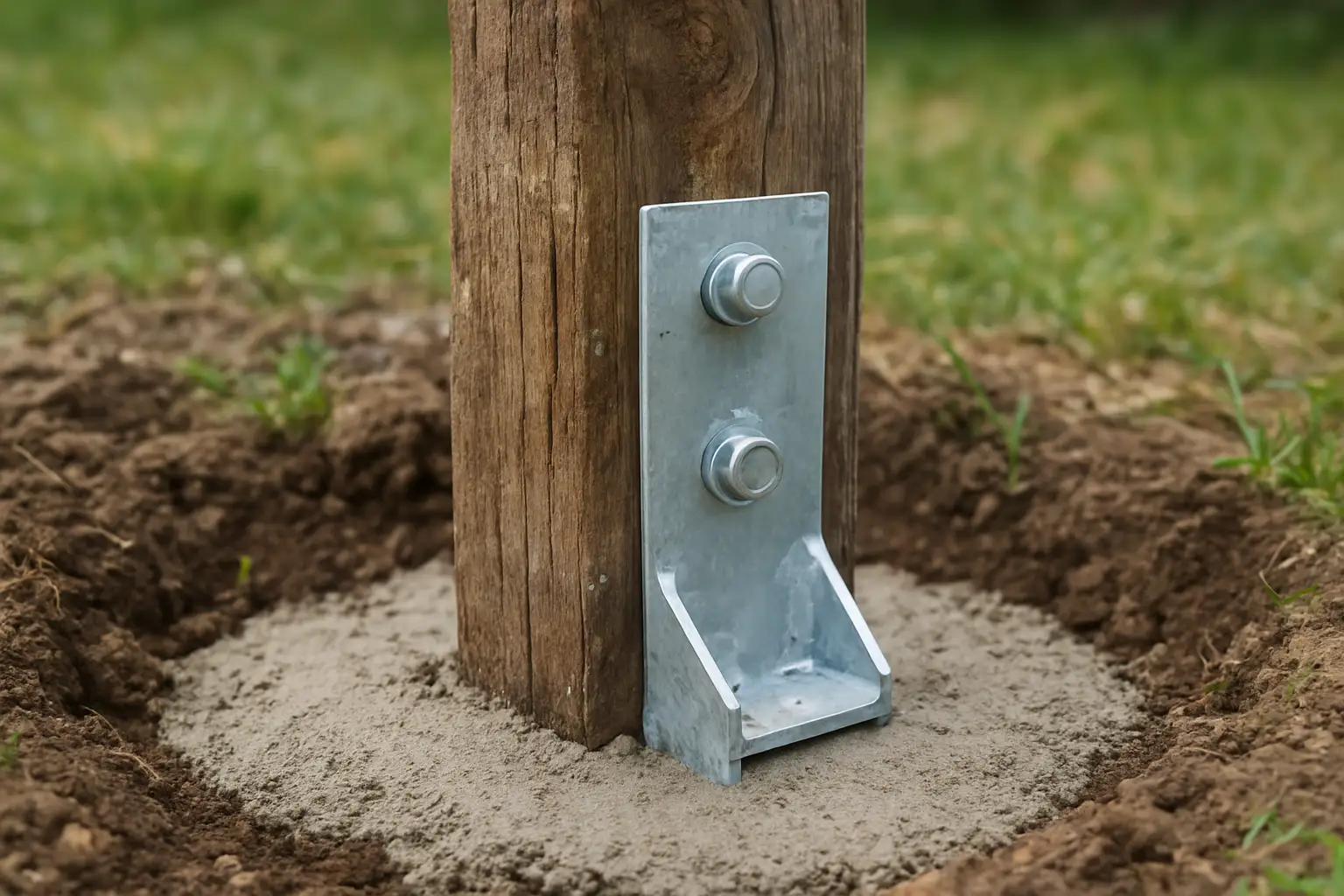
A fence repair spur is a galvanized steel or concrete bracket that bolts onto the sound wood of an existing fence post, replacing the rotted section at the base without pulling the post or breaking up its concrete footing. Materials run $20–$50 per post, and installation takes under an hour once the hole is dug. A repair spur only works when rot is confined to the bottom 6–12 inches and the wood above that line still feels solid — a post that’s soft or crumbling along its full length needs full replacement instead — see how long a cedar fence typically lasts and the other warning signs it’s time to replace rather than repair.
Quick Answer
A fence repair spur is a steel or concrete bracket bolted to a rotted wood fence post’s base, so you skip full replacement. Install it by exposing the rotted section, bracing the post plumb, bolting the spur to sound wood above the rot line, then backfilling with concrete or tamped soil.
Fence Repair Spur vs. Post Spike: What’s the Difference?
Best Known Brand Pick
Simpson Strong-Tie FPBM44E E-Z Mender Bracket (Pack of 6)
A 12-gauge steel bracket built specifically for 4×4 wood fence posts set in concrete or dirt, from the manufacturer most fence contractors already trust for structural connectors.
- Best for: standard 4×4 posts in concrete or dirt footings
- Why we picked it: named, code-recognized brand with published installation specs (11-in. minimum depth, SD Connector screws)
- Main drawback: now sold as a 6-pack (3 pairs), so a single-post repair leaves you with spare brackets for later
Compare more fence repair spur options
 No-Dig Option Sakerplus No-Dig Repair Kit (2-pack)
|
 Budget Pick LOUYENOUS Repair Stake Kit (2-pack)
|
 Heavy-Duty Pick Bloszen Thickened Repair Kit
|
As an Amazon Associate we earn from qualifying purchases.
A fence repair spur bolts to the sound wood above a rotted post’s base to reinforce an existing post. A post spike drives into the ground to anchor a brand-new post before backfilling. Spurs repair; spikes install new posts — the two products solve different problems and are not interchangeable.
A spike relies on soil compression around a smooth metal sleeve, which works only when driving a fresh post into firm, stone-free ground. A repair spur bolts directly to the existing post through several fastener holes, so it depends on the fastener connection and the remaining sound wood, not on soil friction alone. Using a spike to “fix” an already-rotted post skips this connection and typically fails within a season or two, because the rotted wood still bears the load above the spike collar.
Will a Repair Spur Work on Your Rotted Post?
A repair spur works when rot is confined to the bottom 6–12 inches of the post and the wood above that line still holds a screw without crumbling. Full replacement is the safer call once rot runs the post’s full buried length or the wood feels soft above the ground line too.
Test the post before buying a spur. Press an awl or a flat screwdriver tip into the wood every 2–3 inches, starting at the ground line and working upward. Sound wood resists the point and springs back; rotted wood lets the tip sink in an inch or more with light hand pressure. Mark the highest point where the wood still resists — that mark is where the spur’s top fastener hole needs to land, with at least 12 inches of solid wood above it for a secure connection.
Pressure-treated pine posts typically start showing base rot around 10–15 years in the ground, while cedar and redwood last longer above ground but still fail at the buried section first, since no wood species is immune to constant ground moisture. If you’re still deciding on a fence style or wood species before this problem ever comes up, our complete wood fence guide covers post depth, spacing, and species selection in full.
Concrete Spur or Metal Spur: Which Should You Choose?
Concrete repair spurs last 25–40 years but weigh over 40 lbs, usually need two people to set, and come in only a couple of fixed sizes. Metal repair spurs, like the Simpson Strong-Tie E-Z Mender, last 15+ years, weigh under 5 lbs, and one person installs one in under an hour with a cordless drill.
| Factor | Concrete Repair Spur | Metal Repair Spur |
|---|---|---|
| Rated lifespan | 25–40 years | 15+ years |
| Weight | 40–60 lbs | Under 5 lbs |
| Installer count | Two people | One person |
| Material cost per post | $25–$45 | $40–$50 (pair) |
| Digging required | 12–24 in. hole, concrete cure time | 11 in. minimum, no cure wait |
| Size options | 2 (3-in. and 4-in. posts) | Sized to standard 4×4 posts |
Choose a concrete spur when the post will stay in a wet, high-moisture spot and you want the repair to outlast a second metal bracket. Choose a metal spur for a faster, lighter, one-person repair on a standard residential fence — it’s the option most DIYers reach for first, and it’s the one competitor guides in this space most often skip covering in the same article as installation steps.
How to Install a Fence Repair Spur (7 Steps)
Installing a metal fence repair spur takes six tools and about 45–60 minutes per post, most of it spent digging. Follow these seven steps in order — skipping the bracing step is the single most common reason a repaired post ends up leaning again within a year.
- Unhook the fence rail or panel nearest the damaged post so you can work around its full base without cutting anything.
- Dig out the soil around the post’s rotted section, at least 12 inches deep and wide enough on one side to fit the spur flat against the wood.
- Brace the post plumb with two scrap-lumber stakes driven into the ground at right angles, and confirm it with a post level before fastening anything.
- Position the spur against the sound wood above the rot line (identified with the awl test above) and drive it at least 11 inches into the ground, per Simpson Strong-Tie’s published E-Z Mender installation guidance.
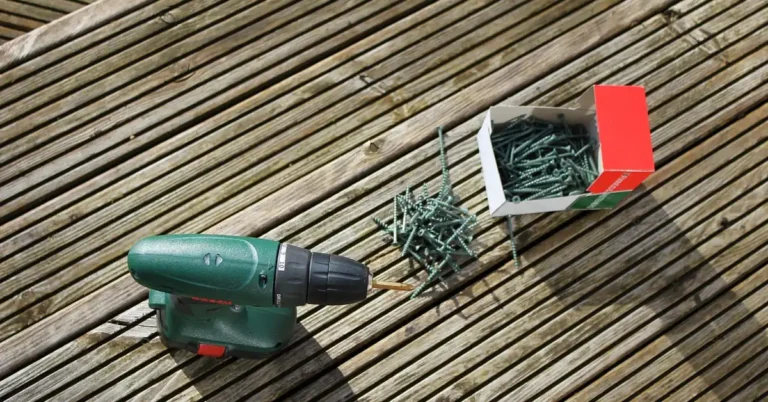
- Fasten the spur to the post with 2½-inch Strong-Drive SD Connector screws (or coach screws and plate washers for a concrete spur), filling every available hole in the bracket for a solid connection.
- Backfill the hole with tamped soil or quick-set post mix, sloping the fill away from the post so rainwater drains off instead of pooling at the base.
- Remove the temporary braces once the connection feels solid, then rehang the rail or panel you unhooked in step 1.
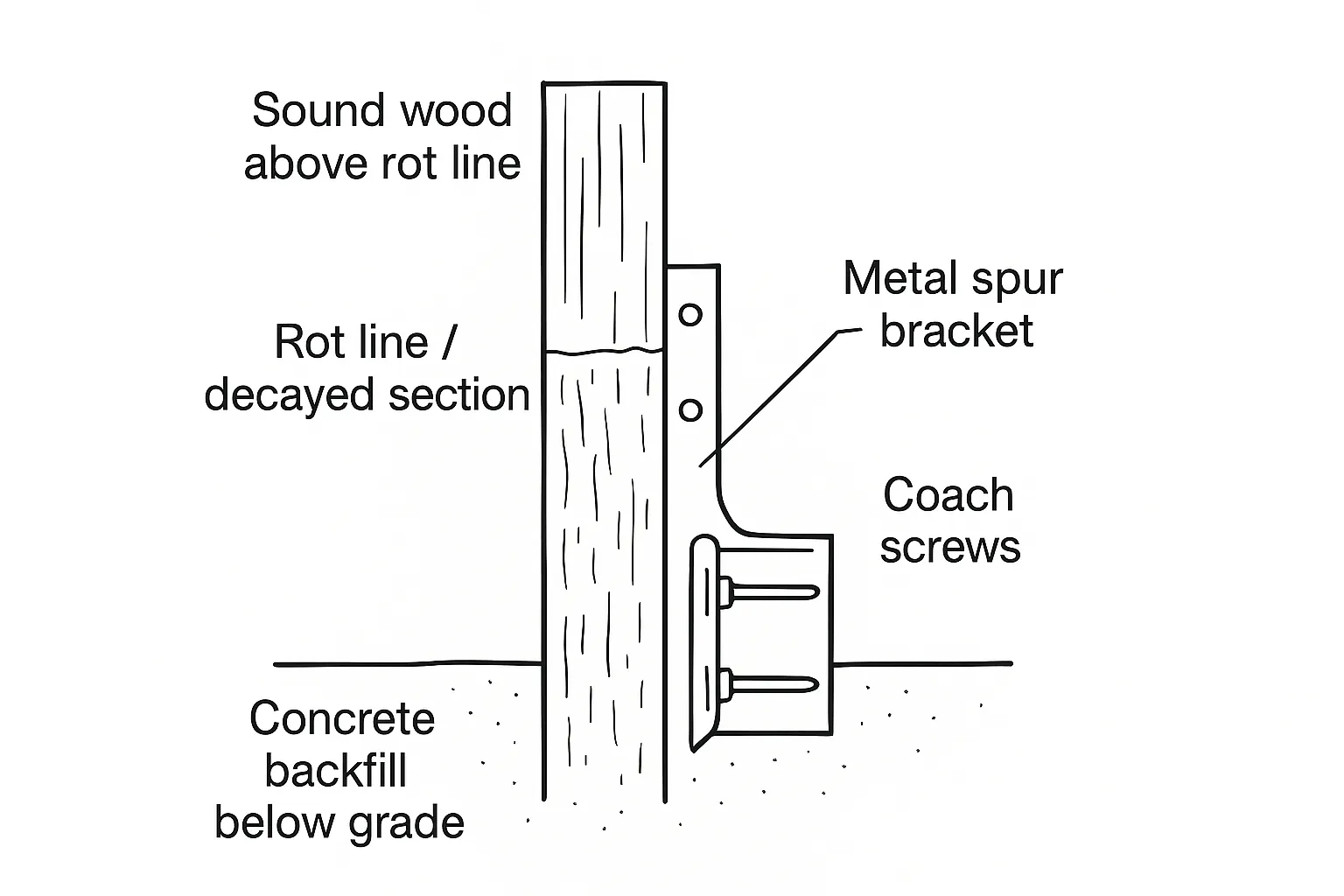
For a post rotted badly enough that it wobbles in more than one direction, mount a spur on both sides of the post instead of one — Simpson Strong-Tie’s own installation notes cover this two-spur approach for posts with more advanced base damage, and it roughly doubles the material cost but rarely changes the labor time, since both go in during the same dig.
Tools and Materials You’ll Need
- Metal or concrete fence repair spur (sized to your post — standard 4×4 for most residential fences)
- Cordless drill or impact driver
- 2½-inch exterior wood screws or M10 coach screws with plate washers
- Post level
- Shovel or post-hole digger
- Awl or flat screwdriver (rot depth test)
- Two scrap-lumber stakes for bracing
- Quick-set post mix (optional, for concrete backfill)
- Work gloves
How Long Does a Fence Repair Spur Last?
Concrete repair spurs last 25–40 years, matching the lifespan of the original footing. Metal repair spurs made from 12-gauge galvanized steel last 15 years or more. Either option outlives a rotted post left unrepaired, which can snap at the base within one to two more seasons of ground moisture.
How Much Does a Fence Repair Spur Cost?
A single metal repair spur bracket costs $20–$24 at hardware retailers — Home Depot lists the Simpson Strong-Tie E-Z Mender at $20.38 each as of 2026 — and most posts need one on each side for full support, putting materials at $40–$50 per post. Hiring a fencing contractor for the same repair costs $120–$400 per post, averaging around $270, according to aggregated 2026 U.S. contractor pricing. A DIY metal spur repair is the cheapest way to save a rotted post without a professional call-out.
Frequently Asked Questions
Can I install a fence repair spur myself?
Yes. Most homeowners install a metal repair spur in under an hour with a cordless drill, a shovel, and a post level. A second pair of hands makes bracing the post plumb easier, but it’s not strictly required for a single post.
Do I need to remove the whole fence to install a repair spur?
No. Only the damaged post’s own base needs digging out. Unhook the rail or panel closest to that one post, make the repair, then rehang it — the rest of the fence line stays fully assembled.
Can a repair spur fix a leaning fence post?
Yes, when the lean comes from base rot or a loosened footing rather than a snapped post. Bracing the post plumb before fastening the spur is what corrects the lean during installation.
How deep does a fence repair spur need to go?
At least 11 inches into the ground for a metal spur, per Simpson Strong-Tie’s published E-Z Mender installation guidance. Concrete spurs typically go deeper, 12–24 inches, to match the depth of the original post footing.
Will a repair spur work on a completely rotted post?
No. A post that’s soft or crumbling along its entire buried length has lost too much sound wood to anchor screws securely. That post needs full replacement, not a spur repair.
A rotted post base is rarely a reason to rebuild a whole fence line. Test the wood, match the spur type to your post’s condition, and you’ll have it solid again in an afternoon. For everything else about building and maintaining a wood fence — species selection, spacing, and finish — see our complete wood fence guide, or check whether painting or staining is the better next step once the post itself is sound again.
Sponsored / affiliate links. As an Amazon Associate I earn from qualifying purchases. I may earn additional commission from eligible campaigns.
 4.21" x 3.94"U Shape Fence Post Holder,1 Pack Concrete Post Base Anchor Bracket,Heavy Duty Wood Post Support for Deck Railing,Fence,Pergola,Mailbox,Ground Mount Pole Construction (1, 4.21" x 3.94")
 4.21" x 3.94U Shape Fence Post Holder,4 Pack Concrete Post Base Anchor Bracket,Heavy Duty Wood Post Support for Deck Railing,Fence,Pergola,Mailbox,Ground Mount Pole Construction (4, 4.21" x 3.94")