Pole Saw vs Hedge Trimmer: Which Tool to Choose?
It can be tricky knowing which garden tool to grab when you’re starting out. You’ve got branches that need trimming and bushes that need shaping, but what’s the best way to do it? Many beginners wonder about the Pole Saw vs Hedge Trimmer: Which Tool to Choose? dilemma.
Don’t worry, it’s a common question! We’ll break it down super simply, step by step, so you can get your garden looking great without any confusion. Let’s figure out the right tool for your job.
Understanding Pole Saws and Hedge Trimmers
This section will help you get a clear picture of what pole saws and hedge trimmers actually are. We’ll look at their main jobs and what makes them special. Knowing their basic functions is the first big step to picking the right one for your garden tasks.
We’ll explore what each tool is designed to do, so you can see how they fit into different garden projects.
What is a Pole Saw
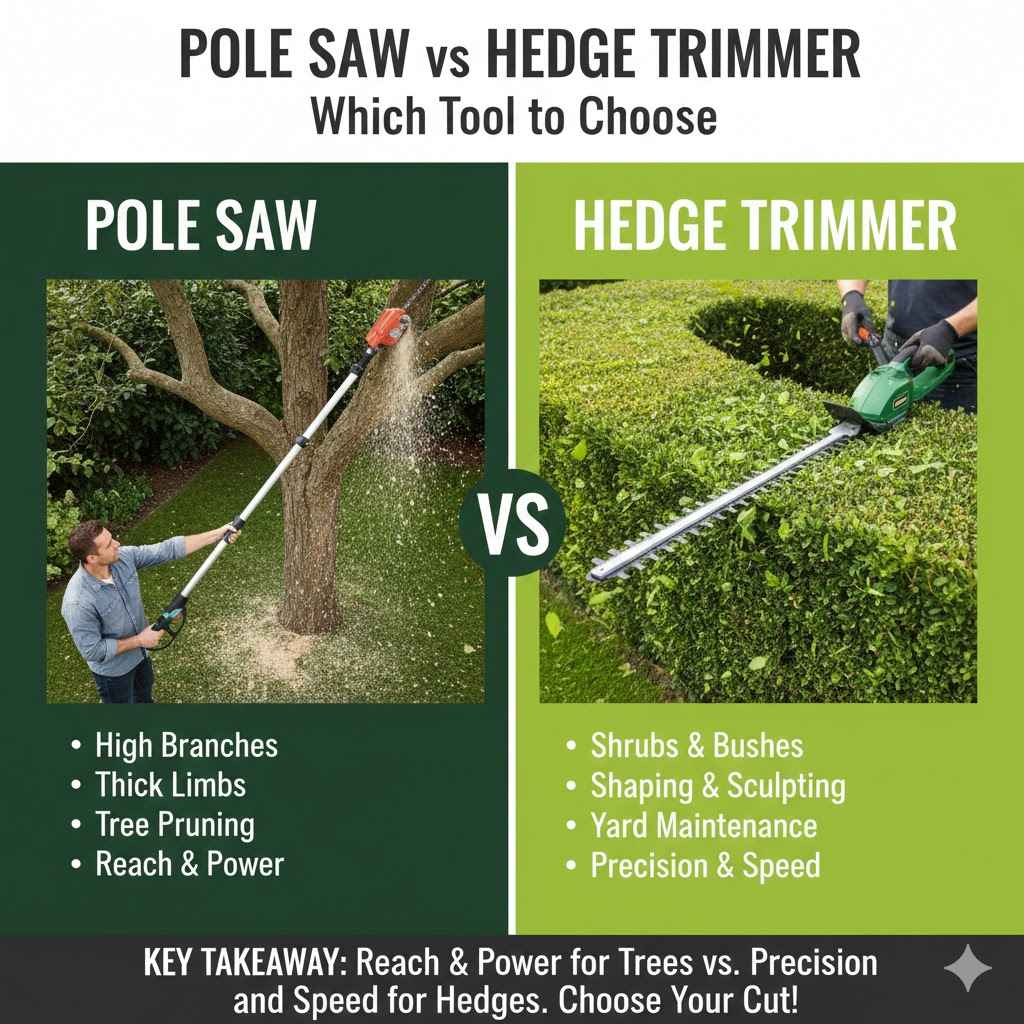
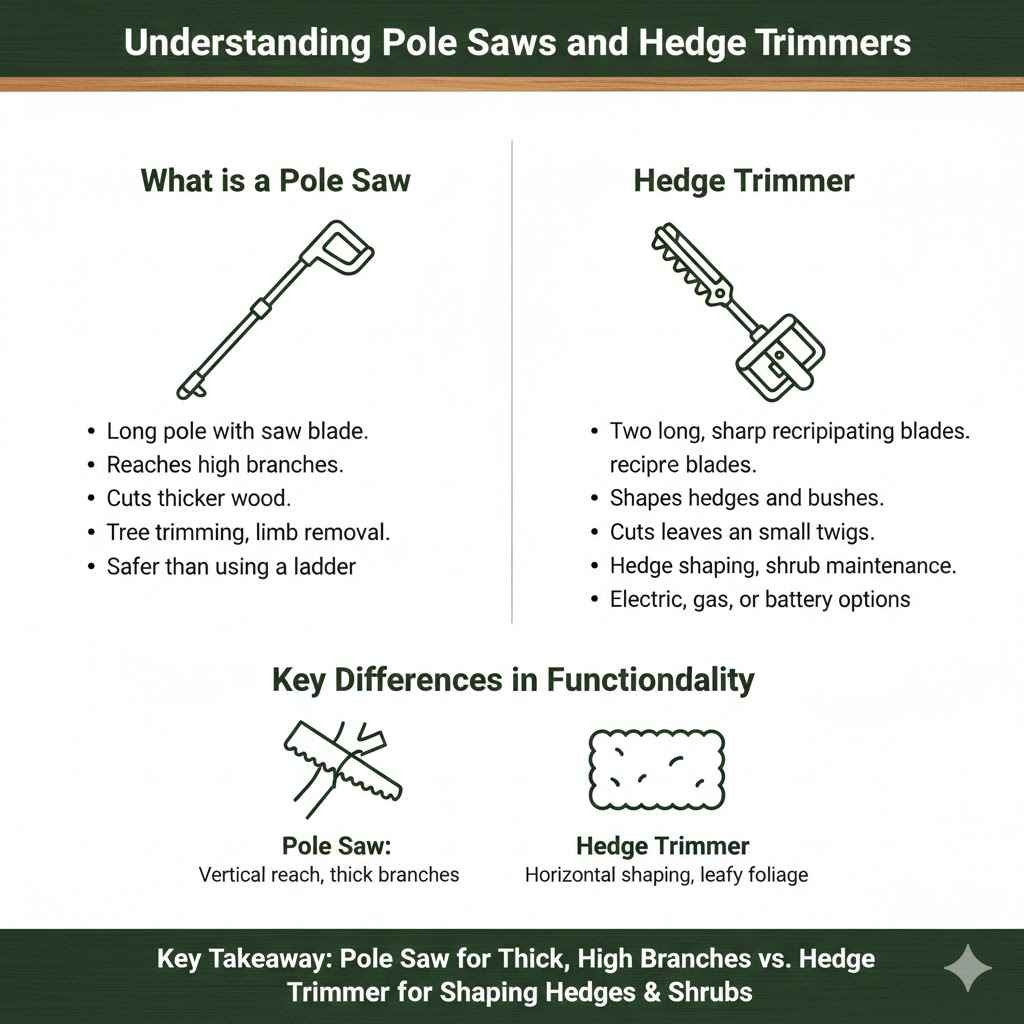
A pole saw is a long tool with a saw blade on the end of a pole. Its main purpose is to reach high branches on trees without needing a ladder. This makes it much safer and easier to trim trees that are out of reach.
Think of it as a saw on a stick, designed for jobs above your head.
The pole part can often be extended, letting you reach even higher. This is super useful for removing dead branches that might be a hazard or for shaping trees for better health and appearance. Because it’s a saw, it’s best for cutting thicker branches, like those you might find on mature trees.
What is a Hedge Trimmer
A hedge trimmer is a tool used for cutting and shaping hedges and bushes. It has two long, sharp blades that move back and forth, like scissors. This action is perfect for trimming the leaves and small twigs that make up hedges.
Hedge trimmers come in different sizes and power options, from electric to gas.
Their design makes them ideal for getting clean, straight cuts along the length of a hedge. They are not meant for cutting thick branches. Instead, they are built for the repetitive cutting action needed to maintain the shape of shrubs and hedges.
Their blades are designed to cut many small stems at once.
Key Differences in Functionality
The core difference between a pole saw and a hedge trimmer lies in their cutting action and intended use. A pole saw uses a single saw blade to cut through thicker wood, focusing on individual branches. A hedge trimmer uses reciprocating blades to shear through many small stems and leaves simultaneously, shaping foliage.
A pole saw is for vertical reach and cutting woody materials. A hedge trimmer is for horizontal or shaping cuts on leafy plants. Using a pole saw on a hedge would be slow and messy, while trying to cut a tree branch with a hedge trimmer would likely damage the trimmer and be ineffective.
When to Use a Pole Saw
You’ll want to grab a pole saw when you have trees with branches that are too high to reach safely. It’s the go-to tool for pruning trees from the ground, making it a safer alternative to ladders for many tasks. This tool is designed to tackle woody materials, making tree maintenance much more accessible.
Pole saws are excellent for removing deadwood that could fall and cause damage. They also help in shaping trees for better sunlight penetration or aesthetics. Imagine needing to trim an overhanging branch that’s getting in the way, or clearing out dead limbs before they become a problem.
A pole saw makes these jobs manageable.
Trimming Overhanging Branches
If a tree branch is hanging over your house, driveway, or a walkway, it can be a safety concern. A pole saw lets you trim these branches without climbing. The extended reach means you can position the saw blade precisely where you need it.
This is crucial for preventing damage from falling limbs during storms.
For example, a homeowner might notice a large oak branch growing over their garage. Instead of hiring an expensive arborist or risking a fall from a ladder, they can use a pole saw to cut the branch back. This saves money and is a much safer DIY approach for moderate jobs.
Removing Deadwood
Dead branches on trees are not only unsightly but can also break off and cause damage or injury. A pole saw is perfect for safely cutting away this deadwood. You can spot the dead branches, which often look brittle and may lack leaves, and then extend the pole saw to make a clean cut.
A common scenario involves a maple tree with several dead limbs that are clearly visible in the winter. These limbs are more likely to snap in high winds. Using a pole saw, the homeowner can systematically remove these dead branches, improving the tree’s health and reducing potential hazards.
Shaping Tall Trees
Even if you don’t need to remove branches for safety, you might want to shape a tall tree for better appearance or to allow more sunlight to reach your garden. A pole saw allows for precise cutting at a distance, helping you maintain the desired shape of the tree’s canopy.
Consider a fruit tree that has grown too tall to prune effectively by hand. A pole saw can be used to thin out the canopy or remove crossing branches. This allows for better air circulation and sunlight, which can lead to more fruit production and healthier growth.
Pole Saw Considerations
When using a pole saw, it’s important to consider the weight and balance. Some models can be heavy, especially when extended. Always stand with a firm footing and be aware of your surroundings, as branches can fall in unpredictable directions.
The cutting power of a pole saw is best suited for branches up to a few inches thick.
The type of cutting head is also a factor. Some pole saws have a chainsaw-like chain, while others have a more traditional saw blade. The chain-driven ones are more powerful but require more maintenance.
For lighter jobs, a simple blade might suffice. It is important to wear safety glasses and gloves when operating any power tool.
When to Use a Hedge Trimmer
A hedge trimmer is your best friend when it comes to maintaining the neatness of your hedges and bushes. If you have shrubs that need their shape controlled or a garden border that requires crisp lines, this is the tool you need. It’s designed for fast, efficient cutting of leafy growth.
Think about the manicured look of hedges in parks or well-kept gardens. That’s the result of regular use of hedge trimmers. They excel at trimming many small stems and leaves at once, giving a smooth, even finish to your plants.
This tool is all about shaping and tidying.
Maintaining Hedges and Shrubs
Hedges often need regular trimming to keep them from getting overgrown and unruly. Hedge trimmers provide the perfect cutting action for this. Whether you’re keeping a formal hedge in line or just tidying up the edges of your bushes, a hedge trimmer does the job quickly and effectively.
A common garden task is trimming a boxwood hedge that lines a walkway. If left untrimmed, it can become too wide and encroach on the path. Using a hedge trimmer allows the gardener to create a clean, straight edge along the hedge, ensuring the path remains clear and the hedge looks tidy.
Creating Formal Garden Shapes
For gardens with formal landscaping, maintaining precise shapes is key. Hedge trimmers are essential for sculpting bushes into geometric forms, like spheres, cubes, or even more intricate designs. The long blades allow for smooth, consistent cuts across the surfaces of the plants.
A gardener might want to create topiary shapes from evergreen shrubs. They would use a hedge trimmer to establish the basic form, then perhaps switch to smaller shears for more detailed work. The hedge trimmer provides the bulk of the shaping, ensuring uniformity across the plant.
Shearing Garden Borders
Hedges and shrubs often form borders around gardens or flower beds. Keeping these borders neat with a hedge trimmer makes the entire garden look more organized and attractive. It’s about creating clear divisions and clean lines that define different areas of your landscape.
Imagine a low hedge acting as a border for a perennial flower bed. To keep the flowers from being overtaken and to maintain a clean look, the border hedge needs regular trimming. A hedge trimmer allows for quick passes along the edge to keep it sharp and defined.
Hedge Trimmer Types and Power
Hedge trimmers come in various power sources. Electric corded models are lightweight and good for smaller gardens. Battery-powered models offer freedom of movement without fumes or cords, ideal for medium-sized yards.
Gas-powered trimmers are the most powerful, suited for large hedges or very dense growth, but they are heavier and require more maintenance.
The length of the blades also varies. Shorter blades are easier to maneuver for intricate shaping, while longer blades cover more ground quickly for large hedges. When choosing, consider the size of your garden and the type of plants you’ll be trimming.
Pole Saw vs Hedge Trimmer: Which Tool to Choose?
Now let’s directly address the main question: Pole Saw vs Hedge Trimmer: Which Tool to Choose?. The answer really depends on the specific task you need to accomplish in your garden. These tools are designed for very different jobs, and using the wrong one can be inefficient and even damaging.
Think about what you’re trying to cut. Are you dealing with thick, woody branches high up in a tree? Or are you shaping leafy bushes and hedges?
Your answer to this will guide you to the right tool. We’ll explore some direct comparisons to make the choice even clearer.
Cutting Thick Branches vs. Shearing Leaves
The fundamental difference is what they cut best. A pole saw is like a tree-cutting saw on a pole. It has a chain or a sturdy blade designed to bite into wood and sever branches.
Its strength is in cutting thicker, individual pieces of wood.
A hedge trimmer, on the other hand, is built for speed and quantity of smaller cuts. Its blades move like a reciprocating saw, but they’re designed to shear through hundreds of small stems and leaves at once. They are not meant to handle branches thicker than a pencil.
Reach and Maneuverability
Reach is a major deciding factor. If your target is out of normal arm’s reach, especially upwards, a pole saw is your answer. The pole extension is its defining feature, allowing you to work safely from the ground on elevated branches.
Hedge trimmers are generally used at arm’s length. While some have adjustable handles, they don’t offer the extreme vertical reach of a pole saw. They are designed for more direct access to the plants you are shaping, focusing on horizontal and side-to-side movements.
Tool Comparison Table
Here’s a simple table to quickly see the main differences when deciding between a pole saw and a hedge trimmer.
| Feature | Pole Saw | Hedge Trimmer |
|---|---|---|
| Primary Use | Cutting tree branches | Shaping hedges and shrubs |
| Cutting Mechanism | Saw blade or chain | Reciprocating blades |
| Best For | Thick wood, high branches | Leafy growth, small stems |
| Reach | Extended pole for height | Arm’s length |
| Safety Concern | Falling branches, tool weight | Blade exposure, vibration |
When One Tool Simply Won’t Do
It’s important to recognize that these tools are not interchangeable. Trying to trim a dense hedge with a pole saw would be like using a sledgehammer to swat a fly – it’s the wrong tool for the job. You’d likely damage the hedge and not get a clean cut.
Conversely, attempting to cut a 2-inch tree branch with a hedge trimmer could break the trimmer’s blades or motor. The trimmer’s mechanism isn’t designed for that kind of resistance. So, for effective and safe yard work, choose the tool that matches the material and the location.
Advanced Considerations and Safety
Once you know the basic jobs for each tool, it’s good to think about more advanced aspects like power sources, weight, and most importantly, safety. Using power tools requires care, and understanding these points will help you work smarter and safer.
Safety features vary between tools and brands. Always read the manual for your specific tool. Proper maintenance also plays a big role in how well your tools work and how safe they are.
Let’s look at what else you should keep in mind.
Power Sources and Their Impact
The power source affects the tool’s performance, weight, and how you use it. Electric pole saws and hedge trimmers are often lighter and quieter, but you’re limited by the cord’s length. Battery-powered models offer more freedom but have a limited run time and need charging.
Gas-powered versions are the most powerful and have unlimited run time but are heavier, noisier, and produce emissions.
For a large property with dense hedges, a gas hedge trimmer might be best. For pruning high branches in a backyard, a battery-powered pole saw could be ideal. Battery technology is improving, offering more power and longer life for cordless tools.
Weight, Balance, and Ergonomics
The weight and balance of a tool are critical for comfort and control, especially during extended use. Pole saws, with their long poles, can become heavy and awkward when fully extended. Good ergonomic design, like padded handles and balanced weight distribution, can significantly reduce fatigue.
Hedge trimmers can also vary in weight, especially gas models. Longer blade hedge trimmers tend to be heavier. A tool that feels comfortable in your hands and is easy to control will make your gardening tasks less of a chore and help prevent strain injuries.
Always try to lift and maneuver the tool before you buy if possible.
Essential Safety Precautions
Safety is paramount when using any power tool. Always wear protective gear: safety glasses are a must to protect your eyes from debris, and sturdy gloves can improve your grip and protect your hands. For pole saws, consider a helmet, especially when cutting larger branches overhead.
Ensure the area around you is clear of people and obstacles. For pole saws, be aware of where branches will fall. For hedge trimmers, keep your hands and body away from the moving blades at all times.
Never use power tools in wet conditions unless they are specifically rated for it.
Maintenance for Longevity and Safety
Proper maintenance ensures your tools work efficiently and safely for years. For pole saws with chains, keep the chain sharp and properly tensioned. For all pole saws, check the extension mechanism to ensure it locks securely.
Keep the saw blade clean and free from sap.
Hedge trimmers need their blades kept sharp and lubricated. After each use, wipe down the blades to remove plant debris. For gas models, follow the manufacturer’s recommendations for fuel mix and regular engine checks.
Electric and battery models should be stored in a dry place.
Choosing the Right Tool for Your Garden
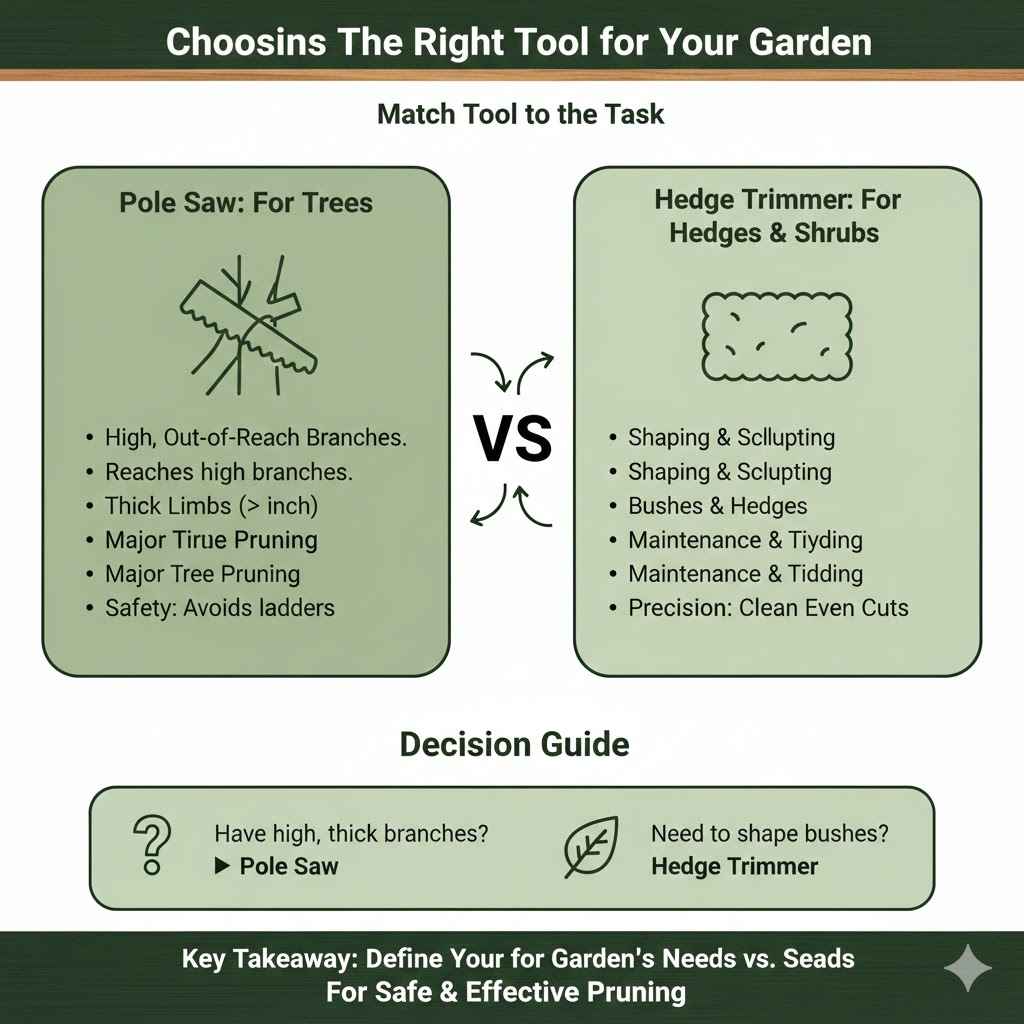
By now, you should have a much clearer idea about the Pole Saw vs Hedge Trimmer: Which Tool to Choose? question. It all comes down to identifying the specific jobs you need to do. If you have high branches to cut, a pole saw is your only safe and effective option.
If you need to shape hedges and bushes, a hedge trimmer is the tool designed for that task.
Think about your garden’s needs. Do you have mature trees with low-hanging or dead branches? Or is your focus on creating neat, manicured borders and shrubs?
Making this distinction will lead you to the right choice and make your gardening efforts much more successful and enjoyable.
Frequently Asked Questions
Question: Can I use a hedge trimmer to cut small tree branches?
Answer: While a hedge trimmer can cut very small, thin twigs, it is not designed for cutting branches. Attempting to cut branches thicker than a pencil can damage the trimmer’s blades and motor, and it will be an inefficient process. For tree branches, a pole saw is the appropriate tool.
Question: Is a pole saw safe to use without a ladder?
Answer: Yes, the primary safety benefit of a pole saw is that it allows you to trim high branches while standing safely on the ground, eliminating the need for a ladder. This significantly reduces the risk of falls.
Question: How often should I sharpen the blades of my hedge trimmer?
Answer: It’s a good idea to sharpen your hedge trimmer blades at least once a year, or more often if you use them frequently or notice them tearing leaves rather than making clean cuts. Sharp blades make the job easier and result in healthier plants.
Question: Can a pole saw cut through wood that is too thick for a hedge trimmer?
Answer: Absolutely. Pole saws are designed to cut through woody branches, with their cutting capacity depending on the specific model. Hedge trimmers are designed to shear leaves and small stems, not to cut through solid wood.
Question: Which tool is better for general garden tidying?
Answer: For general tidying that involves shaping bushes and trimming hedges, a hedge trimmer is the better choice. If your tidying involves removing overhanging tree branches, then a pole saw is necessary.
Summary
When deciding between a pole saw and a hedge trimmer, focus on the job at hand. Pole saws tackle high branches, while hedge trimmers shape bushes. Choose wisely for safer, more effective yard work.
Get the right tool, and your garden will thank you.