Woodworking Saws for Beginners: Which to Buy First (2026)
A 7-1/4 inch circular saw is the best first saw for most beginners: it makes rip cuts, crosscuts and plywood breakdowns for roughly $120, unless your projects are mostly small angled trim, where a miter saw comes first. Buying the wrong saw first wastes money or invites kickback. This guide matches woodworking saws to the cut you need, gives a buy-in-order path with budgets, and lists the safety rules for each saw.
The Best First Saw for Most Beginners
|
Best First Power Saw 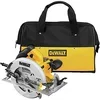 |
DEWALT DWE575SB 7-1/4 Inch Corded Circular Saw, 15 Amp: $122.99 A light 8.8 lb corded saw with an electric brake and a 2-9/16 inch depth of cut, enough to cut 2x lumber and full sheets of plywood in one pass.
|
As an Amazon Associate we earn from qualifying purchases. Price and availability checked at time of writing and may change.
Why start there? Most beginner projects begin with breaking down lumber and sheet goods into rough pieces, and a circular saw does that faster and cheaper than any stationary saw. It is also easier to learn safely than a table saw. If you want a full ranking across price points, see our best circular saw picks, and for the wider tool picture see our woodworking tools and saws guide.
Match the Saw to the Cut You Need
Most beginner confusion comes from asking which saw is best instead of which cut you are making. The table below maps the cuts you will actually make to the saw that does them well, and the limit that catches people out.
| Cut you need | Best beginner saw | Where it falls short |
|---|---|---|
| Cut boards to length (crosscut) | Miter saw for accuracy; circular saw for speed and size | A miter saw is tied to a bench; a circular saw needs a square or guide for a straight line |
| Cut a plywood sheet down to size | Circular saw with a guide rail or straightedge | Splinters the top face unless the good side faces down and the blade is sharp |
| Rip a board along its length | Circular saw with a rip guide; table saw once you have skills | Freehand ripping with any saw is where most kickback happens |
| Cut curves and cutouts | Jigsaw | The blade wanders and bends in stock thicker than about 1-1/2 inches |
| Repeat identical angled cuts (frames, trim) | Miter saw | Limited to the width the blade can reach, about 5-1/2 inches of board width on a basic 10 inch model |
| Intricate scrollwork and fretwork | Scroll saw | Slow, and not a general purpose saw |
If you are torn between the top two, our comparison of the jigsaw versus circular saw covers the cut-by-cut differences in more depth.
The Beginner Power Saws Explained
Circular Saw: The Straight-Cut Workhorse
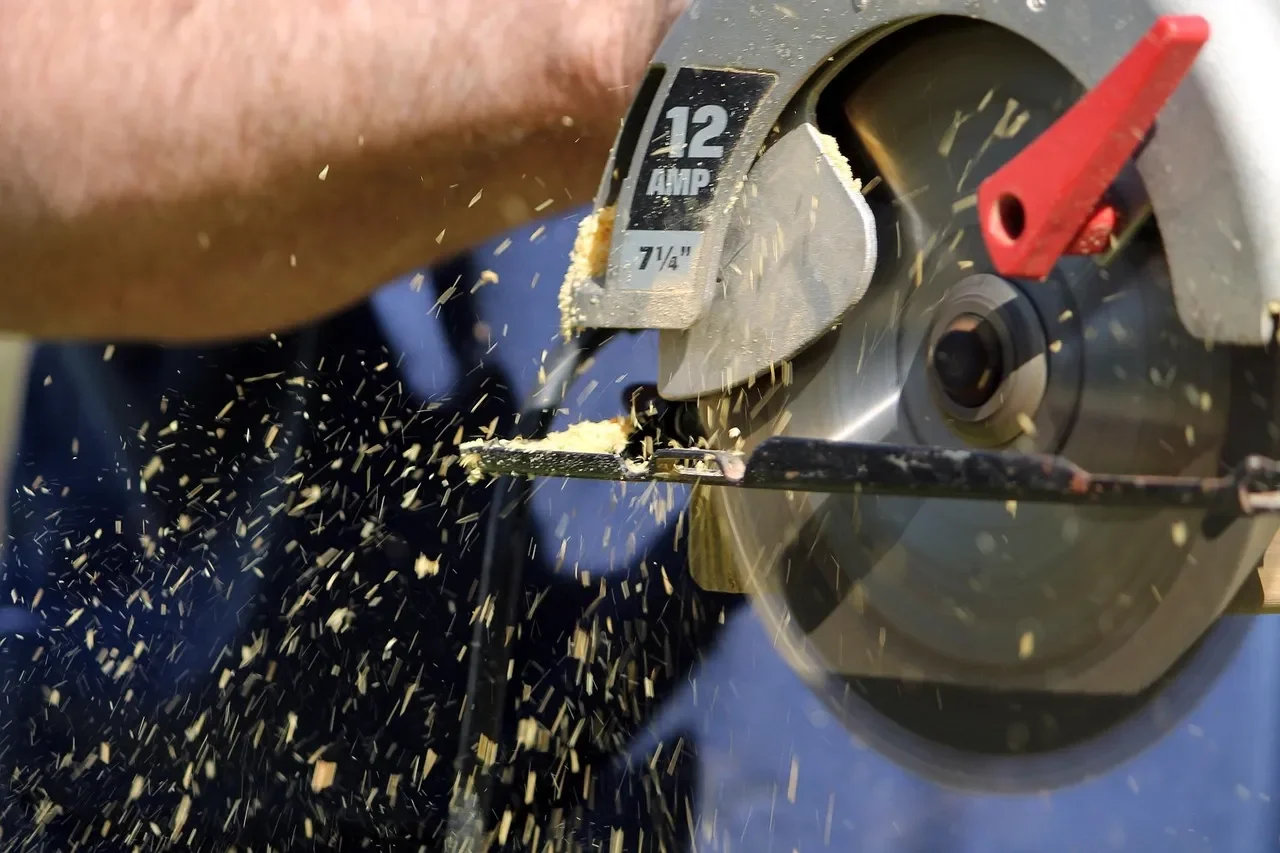
A circular saw is a handheld saw with a spinning toothed blade. The standard 7-1/4 inch blade cuts to a depth of roughly 2-1/2 inches at 90 degrees, which handles 2x lumber (1-1/2 inches thick) easily. Here is a limit many guides skip: a 4×4 is 3-1/2 inches thick, so a 7-1/4 inch saw cannot cut through it in one pass. You cut from two sides, and the two cuts need to line up. If you want to compare blade sizes before buying, our circular saw size guide explains the trade-offs, and corded versus cordless helps you decide on power.
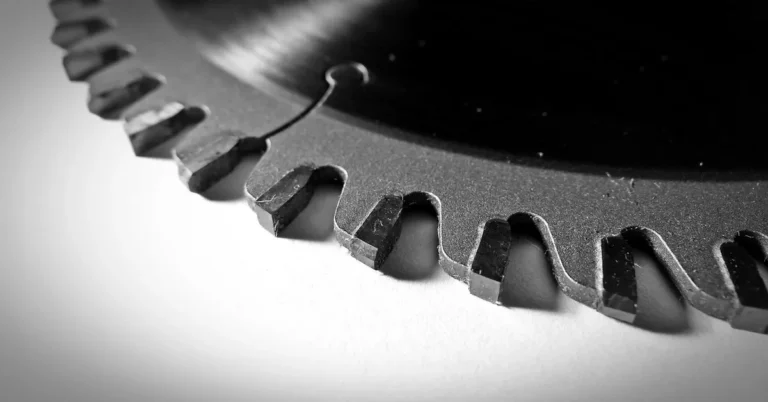
Blade choice changes the result more than the saw does. A 24-tooth blade cuts fast and rough in framing lumber, a 40-tooth blade is a good general purpose choice, and 60 teeth or more gives cleaner crosscuts in plywood. Set the blade depth so it extends only about 1/4 inch below the board. A deeper blade exposes more teeth under the work and raises the chance of a violent kick.
Jigsaw: The Curve Cutter
The jigsaw is the only saw here that cuts curves well, which makes it the natural second purchase. It is also the saw most often blamed for crooked cuts: the thin blade flexes, so a straight line in thick stock drifts unless you clamp a straightedge and go slowly. For blade selection, a coarse blade of about 6 teeth per inch cuts fast and rough, while 10 to 12 teeth per inch cuts more slowly with less tear-out. Our woodworking jigsaw guide covers blade types in detail. If you need straighter lines, a clamped guide, as described in our guide rail article, works with a circular saw far better than with a jigsaw.
Miter Saw: Fast, Repeatable Angles
A miter saw pivots a spinning blade down onto a board held against a fence. It gives you fast, repeatable crosscuts and angles, which is why trim, picture frames and face frames are easier with one. The common 10 inch model handles boards up to about 5-1/2 inches wide, and sliding models reach wider. It does one job, crosscutting, so it is a better second or third saw than a first. See how the machine works in our miter saw machine explainer.
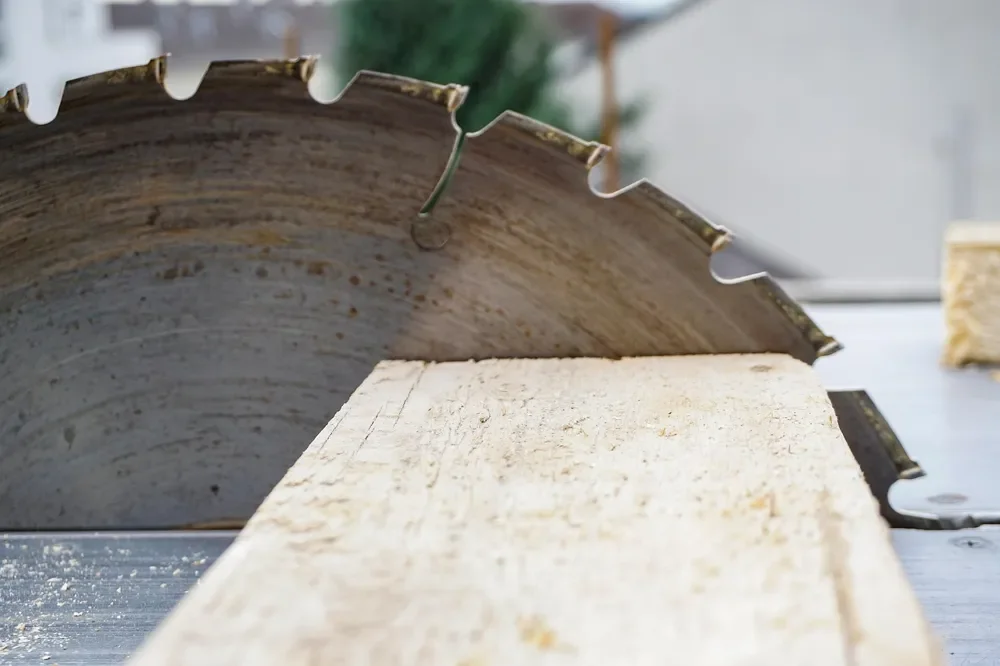
Table Saw: Powerful, But Not the First Saw to Buy
A table saw makes the best rip cuts and can be extremely accurate, so it feels like the obvious centerpiece. It is also the saw with the most serious injury record. The U.S. Consumer Product Safety Commission has estimated roughly 30,000 table saw injuries treated in emergency rooms each year. Kickback happens when a board pinches the back of the blade, which is why a riving knife matters. Beginners need the skills first. Learn straight cuts with a circular saw, then move up when you have a project that needs repeat ripping. Our best table saws roundup and the table saw versus miter saw comparison can help then, and accessories like a table saw gripper and table saw jigs make it safer.
Scroll Saws and Band Saws: Later Purchases
A scroll saw handles fine fretwork and inlay work that a jigsaw cannot, and a band saw resaws thick boards and cuts smooth curves in thick stock. Both are worth owning eventually. Neither belongs on a beginner shopping list. If you want to see the range, read our scroll saw comparison.
Which Saws to Buy, in What Order
Buying in the right order keeps early spending low and lets your skills catch up with your tools. The price ranges below are typical street prices for entry-level to mid-range models and change with sales and brand, so check current listings before you buy.
| Stage | Saws to own | Typical budget | What you can build |
|---|---|---|---|
| 1: Start here | 7-1/4 inch circular saw, speed square, clamps | About $100 to $200 | Shelves, workbench, plywood cabinets, basic frames |
| 2: Add curves | Jigsaw with a few blade types | About $50 to $130 more | Cutouts, birdhouses, curved brackets, sink holes |
| 3: Add angles | 10 inch miter saw | About $150 to $300 more | Trim, picture frames, face frames, decks |
| 4: Add precision ripping | Jobsite or contractor table saw | About $300 to $700 more | Repeat rips, furniture parts, cabinet boxes |
Not sure your projects justify all four? The best electric wood-cutting tools guide compares saws with routers and multi-tools, so you can see which tool fits the project rather than the toolbox.
Saw Safety Rules That Apply to Every Power Saw
Serious saw injuries mostly come from a short list of repeat mistakes. These rules apply whichever saw you own.
- Wear eye and hearing protection every time. Many saws run near 100 decibels, well above the 85 decibel level where hearing protection is recommended.
- Never remove or pin back the blade guard. The lower guard on a circular saw and the guard on a miter saw exist to cover the teeth after the cut.
- Support the work so the cut stays open. When a board sags and pinches the blade, the saw can kick back toward you. Support both sides of a circular saw cut and never let the offcut hang unsupported.
- Keep both hands away from the blade path. On a miter saw, keep hands outside the marked hand zone and wait for the blade to stop fully before lifting it.
- Never freehand a cut on a table saw. Use the fence for rips and the miter gauge for crosscuts, not both at once, and use a push stick when your hand would pass within about 6 inches of the blade.
- Stand slightly to one side of a table saw blade, not directly behind the workpiece, so a kickback does not travel straight into your body.
- Unplug the saw or remove the battery before changing a blade. A saw that starts unexpectedly during a blade change is a common cause of hand injuries.
- Clamp small pieces. Holding a short offcut in one hand while cutting it is how fingers end up near the blade.
A sharp, clean blade is also a safety tool, because a dull blade forces you to push harder and burns the wood.
Basic Saw Care for a Longer Blade Life
- Clean pitch off the blade. Resin buildup makes a blade cut like a dull one. Soak it in a pitch remover and scrub with a nylon brush.
- Replace or sharpen a dull blade. Burn marks, a straining motor and extra pushing force all point to dull teeth, not a weak saw.
- Check the base plate is square to the blade. A base that has drifted out of square gives angled cuts you will blame on your technique.
- Blow dust out of the motor vents after long sessions, and keep saws in a case or dry cabinet to avoid rust.
- Store blades in their sleeves. Loose carbide teeth chip when they knock together.
FAQ: Woodworking Saws for Beginners
What is the best saw for a beginner to buy first?
A 7-1/4 inch corded or cordless circular saw is the best first saw for most beginners. It makes straight cuts in lumber and plywood, costs less than stationary saws and is easier to learn safely. Add a jigsaw next if you need curves.
Can I make curved cuts with a circular saw?
Only very shallow ones, and it is not designed for it. Curves force the blade to bind in the kerf, which raises the chance of kickback. Use a jigsaw for curves.
Do I need a table saw as a beginner?
No. Most beginner projects can be built with a circular saw, a jigsaw and a miter saw. A table saw becomes worthwhile when you need lots of repeatable rip cuts, and it takes practice to use safely.
Is a miter saw or a circular saw better for a first saw?
Choose a circular saw if you cut both long panels and boards. Choose a miter saw first only if most of your work is trim, frames or repeated crosscuts at set angles.
How many teeth should a circular saw blade have?
A 24-tooth blade is fast and rough for framing, 40 teeth suits general use, and 60 or more gives smooth crosscuts in plywood. For a deeper explanation, see our guide to saw blade TPI.
Start with one good circular saw, learn to cut straight and safely, then let your projects decide the next purchase. For a full look at types, blade sizes and tooth counts, our woodworking tools and saws guide is the next stop, and for cleaner plywood cuts, see how to cut plywood without splintering.
Sponsored / affiliate links. As an Amazon Associate I earn from qualifying purchases. I may earn additional commission from eligible campaigns.