Why Is My Polyurethane Sticky? (Mineral Spirits Fix)
Polyurethane usually turns sticky because solvents get trapped under the surface film — from high humidity, a cold shop, or coats applied too thick or too close together. Full cure can take up to 30 days even after the surface feels dry. This guide covers the real causes, the mineral-spirits fix that reactivates a tacky coat, and the one wood-species problem most articles skip.
Quick Answer
Tacky polyurethane is almost always trapped solvent, not a bad can of finish. If it’s been under 24 hours, just wait — add airflow and warmth (70°F+). Past 60 hours and still sticky, wipe the surface with mineral spirits on a soft cloth; this re-softens the film so trapped solvent can finally evaporate, and most coats harden within another 24 hours. If it’s an oily hardwood like rosewood or mahogany, the wood itself may be the problem, not your technique.
What Causes Sticky Polyurethane?
Polyurethane cures in two stages: the solvents (mineral spirits in oil-based formulas, water in water-based) evaporate first, then the resin cross-links with oxygen to harden fully — a process that can take up to 30 days depending on film thickness. A sticky surface almost always means the first stage never finished.
The Five Real Culprits
- Thick coats: a heavy application traps solvent underneath a skinned-over top layer — two thin coats always beat one thick one.
- High humidity: above roughly 60% RH, polyurethane can’t release solvent fast enough to cure on schedule.
- Cold or still air: below 65–70°F with no airflow, evaporation nearly stops.
- Poor mixing: oil-based cans separate on the shelf; skipping a gentle stir leaves uneven hardener distribution.
- Recoating too soon: sealing a half-cured first coat under a second one locks the solvent in permanently.
📊 Oil-based polyurethane cures in two separate phases — solvent evaporation, then oxidative cross-linking — and full hardness can take up to 30 days even though the surface feels dry within a day. — Source: polyurethane finish manufacturer technical data sheets (e.g., Minwax, Varathane product TDS)
Oily Hardwoods Can Keep Polyurethane Sticky for Good
Most troubleshooting guides stop at humidity and thick coats, but one cause has nothing to do with technique: naturally oily woods. Species like rosewood, teak, mahogany, and bloodwood contain natural oils and resins that can bleed to the surface underneath a polyurethane film and physically prevent it from ever fully cross-linking — the finish can stay tacky for weeks no matter how thin the coat or how good the airflow.
If you’re finishing one of these species, wipe the bare wood down with naphtha or mineral spirits right before the first coat to pull surface oils out, and consider a dewaxed shellac barrier coat (like SealCoat) underneath the polyurethane — it blocks oil migration that would otherwise fight the topcoat’s cure.
How to Fix Sticky Polyurethane With Mineral Spirits
If a coat is still tacky more than 60 hours after application, don’t just keep waiting — reactivate it. Wiping the surface with mineral spirits re-softens the trapped solvent layer so it can finally finish evaporating.
- Confirm it’s past 60 hours: mineral spirits works by reactivating solvent that should have already evaporated — using it earlier just adds more solvent to the problem.
- Wipe on mineral spirits: soak a soft, lint-free cloth and wipe the entire tacky area in the direction of the grain.
- Let it flash off: allow the mineral spirits to fully evaporate, usually within a few hours, and check the surface again.
- Repeat if needed: a second wipe-down the next day resolves most cases; expect the surface to feel dry within about 24 hours of the first treatment.
- Still tacky after a few days: rub the area with fine steel wool (000 grade) dampened with mineral spirits, wipe clean, and apply one fresh thin coat once the surface is fully dry.
“A quick way to tell trapped-solvent tack from a surface that’s just slow to dry: press a knuckle into it. If it leaves a print after the coat’s stated dry time, the solvent is still trapped underneath — sanding alone won’t fix that, but a mineral spirits wipe usually will.”
Best Mineral Spirits Pick
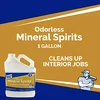 |
Klean-Strip Odorless Mineral Spirits (1 Gallon) – $21.98 The exact reactivation method above needs a clean, low-odor mineral spirits — this is the version to keep on the shelf for both the tacky-coat fix and general brush cleanup between coats.
|
As an Amazon Associate we earn from qualifying purchases.
Removing Sticky Polyurethane Without Sanding
If mineral spirits alone doesn’t clear a stubborn tacky coat, a chemical stripper removes it without abrasive sanding — useful on carved or detailed surfaces where sanding risks rounding edges.
- Apply a paint-and-varnish stripper generously and evenly over the tacky finish.
- Let it sit for about ten minutes — don’t let it dry out on the surface.
- Scrape the softened finish off with a plastic scraper to avoid gouging the wood.
- Wipe the bare wood with mineral spirits to remove stripper residue before recoating.
Humidity, Temperature and Drying Conditions
Polyurethane cures fastest between 70–80°F at 40–60% relative humidity. Outside that range, drying time stretches out fast — cold weather alone can double or triple cure time, and combined with high humidity it’s a near-guarantee of stickiness.
| Condition | Ideal Range | Effect Outside Range |
|---|---|---|
| Temperature | 70–80°F | Below 65°F, cure can take 2–3x longer |
| Humidity | 40–60% RH | Above 60% RH, solvent release slows sharply |
| Airflow | Light, steady cross-breeze | Still air traps solvent vapor at the surface |
In a humid shop, run a dehumidifier, avoid finishing on rainy days, and pick a fast-drying formula. Wood destined for high-moisture rooms needs extra drying time between coats regardless of the season.
Choosing the Right Polyurethane Product
Oil-based and water-based polyurethane behave differently enough that the wrong choice for your conditions makes stickiness more likely. For the full rundown of stains, oils, sealers, and cure times across finish types, see our complete wood finishing guide.
| Feature | Oil-Based | Water-Based |
|---|---|---|
| Dry time (recoat) | 8–24 hours | 2–4 hours |
| Full cure | Up to 30 days | 7–14 days |
| Durability | More abrasion-resistant | Slightly less durable |
| Odor / VOCs | Strong, higher VOC | Low odor |
| Color | Ambers over time | Stays clear |
In a humid or cold shop, water-based formulas dry faster and reduce the stickiness window. If a previous coat already went cloudy or hazy rather than just tacky, that’s a different problem — see how to fix a cloudy polyurethane finish instead of this guide.
Application Mistakes That Cause Stickiness
Most sticky-finish calls trace back to one of a handful of application habits, not a bad can of polyurethane.
- Overloading the brush: pouring or applying polyurethane too thick traps solvent under a skinned surface — two thin coats dry faster and more evenly than one heavy one.
- Mixing brands or formulas: different manufacturers use different solvent and resin ratios; switching mid-project between coats can leave the layers chemically incompatible.
- Skipping sanding between coats: a glossy, unsanded surface doesn’t give the next coat anything to key into, and trapped gloss can read as persistent tack.
- Using the wrong applicator: foam brushes shed less lint on water-based formulas; natural bristle suits oil-based — the wrong pairing can leave uneven film thickness.
Maintaining a Polyurethane Finish
Once cured, polyurethane needs little upkeep: dust with a soft cloth, clean occasionally with mild soap and water, and avoid harsh chemicals that can dull the sheen. A finish that turns sticky or tacky again years later — not right after application — usually signals wear rather than a cure problem, and calls for a light scuff-sand and a fresh coat rather than the fixes above.
Frequently Asked Questions
Why is my polyurethane not drying properly?
High humidity, a cold room, or a coat applied too thick are the most common causes. Ensure the workspace is 70–80°F with 40–60% humidity and light airflow. Also check the can’s age — expired polyurethane may never cure correctly regardless of conditions.
How can I fix sticky polyurethane?
If it’s been under 60 hours, improve airflow and warmth and wait. Past 60 hours, wipe the surface with mineral spirits on a soft cloth to reactivate trapped solvent; most coats harden within 24 hours. If it’s still tacky after that, scuff with fine steel wool and mineral spirits, then apply one fresh thin coat.
Is sticky polyurethane dangerous?
Sticky polyurethane itself isn’t hazardous, but it signals the finish hasn’t finished off-gassing solvent, so ventilate the room while it cures. Avoid letting pets or bare skin rest on a tacky surface until it’s fully hardened.
How long does polyurethane take to cure?
It typically feels dry to the touch in 24–48 hours, but full cross-linked hardness can take up to 30 days. Wait the full cure window before placing rugs or heavy furniture back on a refinished floor.
Why does polyurethane on rosewood or mahogany stay sticky longer than on other wood?
Naturally oily hardwoods like rosewood, teak, mahogany, and bloodwood can bleed surface oils into the finish, which physically interferes with cross-linking. Wiping the bare wood with naphtha before the first coat, or sealing with dewaxed shellac first, prevents this.
How soon after wiping with mineral spirits does polyurethane stop feeling tacky?
Most coats stop feeling sticky within 24 hours of a mineral spirits wipe-down, since the treatment reactivates trapped solvent so it can finally evaporate. If tackiness persists past a second treatment, the wood itself (see oily hardwoods above) or an expired can is the more likely cause.
Conclusion
Sticky polyurethane almost always comes down to trapped solvent from humidity, cold, or a coat applied too thick — and it’s fixable. Wait it out under 24 hours, reactivate with mineral spirits past 60 hours, and rule out an oily wood species if the problem won’t quit. Get the conditions and technique right and the next coat will cure clean the first time.
Sponsored / affiliate links. As an Amazon Associate I earn from qualifying purchases. I may earn additional commission from eligible campaigns.