Is Pressure Treated Wood Safe for Garden Beds? (EPA Facts)
Modern pressure treated wood is generally safe for garden beds — the EPA banned arsenic-based CCA in 2003 and replaced it with ACQ (alkaline copper quat) and copper azole, neither classified as hazardous. A 2014 Oregon State University study found no elevated copper levels in vegetables grown in treated wood beds. For vegetable gardens, lining with food-safe plastic sheeting adds extra protection. This guide covers current EPA standards, how much chemicals leach, liner options, and the safest wood alternatives.
Quick Answer
Modern pressure treated wood (ACQ and copper azole) is generally safe for garden beds. The EPA banned arsenic-based CCA in 2003. For vegetable gardens, line the bed interior with food-safe poly liner. If in doubt, cedar, redwood, or black locust are natural alternatives that need no liner.
However, to err on the side of caution, using a liner between the wood and the soil can help mitigate any potential risks. We’ll explore the safety considerations of using pressure treated wood in garden settings and provide guidance on making informed decisions for your gardening projects.
Introduction To Pressure Treated Wood In Gardens
Pressure treated wood is generally considered safe for use in gardens, but precautions should be taken. It is recommended to use an impervious liner between the wood and the soil to prevent any preservatives from becoming a component of the food.
Studies have shown some leaching of chemicals from pressure treated wood into the soil, but concentrations are usually low.
Popularity Of Pressure Treated Wood
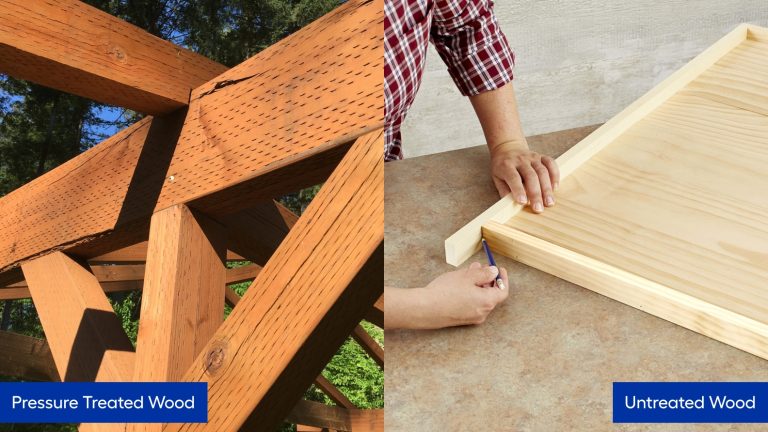
Pressure treated wood has gained immense popularity in the world of gardening due to its durability and resistance to rot, decay, and insect damage. The wood is treated with chemical preservatives, such as alkaline copper quaternary (ACQ) or copper azole, which penetrate deep into the wood fibers, providing long-lasting protection against environmental elements. This makes pressure treated wood an excellent choice for various outdoor projects, including garden beds.
Concerns About Safety
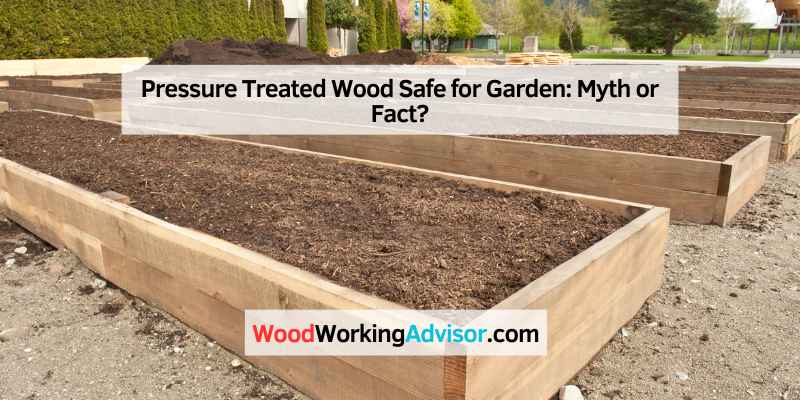
While pressure treated wood is widely used in garden beds, there have been concerns about the safety of using this type of wood in close proximity to edible plants. Studies have shown that some chemicals can leach from the wood into the surrounding soil and onto foliage. However, the amount of leaching is relatively low and does not pose a significant risk to human health.
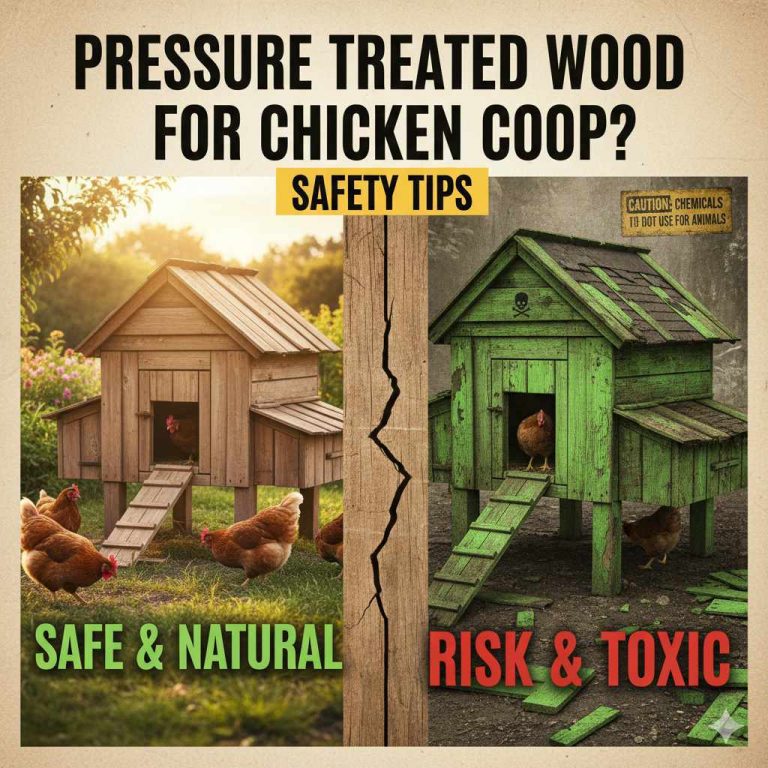
To ensure the safety of using pressure treated wood in your garden, you can take certain precautions. One recommendation is to use an impervious liner, such as plastic or landscape fabric, between the wood and the soil to prevent direct contact. This barrier can reduce the potential for chemicals to leach into the soil. Additionally, it is advisable to avoid using pressure treated wood for plants that have direct contact with the soil, such as root vegetables, to minimize any potential uptake of chemicals.
It’s important to note that modern pressure treated woods, such as those treated with ACQ or copper azole, are considered safe for use in garden beds. The use of older types of pressure treated wood, such as chromated copper arsenate (CCA), is generally discouraged due to the higher levels of arsenic that can leach into the soil.
For those who prefer alternative options, there are naturally water- and rot-resistant woods available, such as untreated hemlock or cedar, that can be used in garden beds as well. These woods provide similar durability and longevity without the use of chemical preservatives.
What Is Pressure Treated Wood?
Pressure treated wood is generally considered safe for garden use, but there are precautions to consider. The preservatives in pressure treated wood may leach into the soil, so it’s recommended to use an impervious liner between the wood and the soil to ensure the safety of your garden.
The Pressure Treating Process
Pressure treated wood is a popular choice for garden projects due to its durability and resistance to decay and insects. But what exactly is pressure treated wood? In simple terms, it is a type of wood that has been treated with chemicals under pressure to enhance its performance and lifespan. Let’s take a closer look at the pressure treating process.
The process begins with placing the wood in a sealed chamber, where it is subjected to high pressure. This pressure forces the treatment chemicals deep into the wood fibers, ensuring that they penetrate the entire piece of lumber. This pressure impregnation process is crucial for the effectiveness of the treatment.
Chemicals Used In Treatment
The chemicals used in pressure treating wood can vary, depending on the desired level of protection and the specific application. However, the most commonly used chemicals are copper-based compounds. These compounds, such as alkaline copper quaternary (ACQ) and copper azole (CA), provide excellent protection against decay and insects.
In addition to copper compounds, other chemicals may be used in combination to enhance the wood’s resistance to specific threats. For example, borates are often added to protect against fungi and termites. These chemicals work together to create a barrier that prevents decay and insect infestation, ensuring the longevity of the wood.
It’s important to note that modern pressure treated wood is considered safe for use in gardens. The chemicals used in the treatment process have undergone extensive testing and are approved by regulatory authorities for residential use. However, it is still recommended to take precautions, especially when using pressure treated wood in direct contact with soil that will grow edible plants.
To further minimize any potential risks, it is advisable to use a barrier, such as a plastic liner, between the pressure treated wood and the soil. This layer acts as an additional protection, preventing direct contact between the wood and the plants, reducing the likelihood of any chemicals leaching into the soil.
In conclusion, pressure treated wood is a reliable and long-lasting option for garden projects. The pressure treating process ensures that the wood is infused with protective chemicals, enhancing its durability and resistance to decay and insects. By taking appropriate precautions, such as using a liner between the wood and the soil, pressure treated wood can be safely used in garden applications.
Historical Concerns With Treated Wood
Pressure treated wood has been a popular choice for outdoor construction due to its durability and resistance to decay. However, historical concerns with treated wood revolve around the use of hazardous chemicals in the preservation process, particularly arsenic-based preservatives.
Arsenic-based Preservatives
Arsenic-based preservatives, such as Chromated Copper Arsenate (CCA), were commonly used in pressure treated wood until the early 2000s. These preservatives contained arsenic, a highly toxic substance, which raised concerns about the leaching of arsenic into the surrounding soil and the potential health risks, especially in garden settings.
Transition To New Chemicals
In response to the health and environmental concerns associated with arsenic-based preservatives, the industry transitioned to new chemicals, such as alkaline copper quaternary (ACQ) and copper azole, which are considered safer alternatives. These modern preservatives are designed to be less toxic and pose reduced risks to human health and the environment.
Current Safety Standards For Pressure Treated Wood
Pressure treated wood is generally considered safe for garden use. However, it is recommended to use an impervious liner between the wood and the soil to prevent any preservatives from leaching into the garden. It is also advisable to choose naturally water- and rot-resistant woods like untreated hemlock or cedar for raised garden beds to avoid any potential chemical leaching.
EPA Regulations
When it comes to using pressure treated wood for garden beds, it’s important to consider the current safety standards in place. The Environmental Protection Agency (EPA) has implemented regulations to ensure that the chemicals used in pressure treated wood are safe for consumers and the environment. These regulations require that all pressure treated wood sold in the United States must contain only a limited amount of certain chemicals, such as chromated copper arsenate (CCA).
Certifications And Compliance
To ensure that pressure treated wood is safe for garden use, it’s important to look for certifications and compliance with industry standards. The American Wood Protection Association (AWPA) sets standards for the treatment of wood, and any pressure treated wood that meets these standards should be safe for use in garden beds. Look for labels or markings on the wood that indicate compliance with AWPA standards, such as “AWPA UC3B” for ground contact use.
When choosing pressure treated wood for garden beds, it’s important to be aware of the current safety standards in place and to look for certifications and compliance with industry standards. By doing so, you can ensure that the wood you use is safe for both your plants and the environment. Remember, if you have any concerns about the safety of pressure treated wood, you can always use an impervious liner between the wood and the soil to provide an extra layer of protection.
Leaching Of Chemicals Into Soil And Plants
Pressure treated wood can leach chemicals into the soil and plants, posing a potential risk to garden safety. It’s recommended to use an impervious liner between the wood and the soil to prevent the preservatives from becoming a component of food.
Studies have shown some leaching of ingredients from pressure treated wood into garden soil, emphasizing the importance of cautious usage.
Research Findings
Studies have shown that pressure-treated wood can leach chemicals into the soil and plants. While the new pressure-treated woods are considered safe, it is still recommended to use caution when using them in a garden setting. Wolmanized Outdoor, a popular pressure-treated wood brand, suggests using an impervious liner between the wood and the soil to prevent any preservatives from becoming a component of food.
Impact On Plant Health
The leaching of chemicals from pressure-treated wood can have a negative impact on plant health. While some leaching of ingredients has been shown to occur, it is unlikely that plants will take up a significant amount of these chemicals. However, it is still important to take precautions to ensure the safety of your plants.
To minimize the impact on plant health, it is recommended to use untreated wood or naturally water- and rot-resistant woods like cedar or hemlock for garden beds and stakes. These options are just as durable as pressure-treated wood, but without the added risk of chemical exposure.
In addition, it is important to regularly monitor the soil and plants for any signs of chemical damage or toxicity. If you notice any issues, it is best to remove the affected plants and replace the soil.
While pressure-treated wood is generally considered safe for garden use, it is important to take precautions to minimize any potential risks. Using an impervious liner and choosing untreated or naturally resistant woods can help ensure the safety of your plants and soil. Regular monitoring of plant health and soil quality is also crucial to catching any issues early on.
Alternatives To Pressure Treated Wood For Garden Beds
Looking for safer alternatives to pressure treated wood for your garden beds? Consider using naturally rot-resistant woods such as cedar or untreated hemlock. These options are durable and can help you avoid potential concerns about chemicals leaching into your garden soil.
While pressure treated wood is a popular choice for garden beds due to its durability and resistance to rot, there are concerns about the chemicals used in the treatment process. If you are looking for alternatives to pressure treated wood for your garden beds, there are a few options to consider.
| Wood Type | Rot Resistance | Safe for Vegetables? | Lifespan |
|---|---|---|---|
| ACQ Pressure Treated | Excellent | Yes (use liner for veg) | 20–40 years |
| Cedar | Very Good | ✅ No liner needed | 10–20 years |
| Redwood | Very Good | ✅ No liner needed | 10–20 years |
| Black Locust | Excellent | ✅ No liner needed | 20–30 years |
| Composite Lumber | Excellent | ✅ No liner needed | 25–50 years |
Natural Rot-resistant Woods
One alternative to pressure treated wood is to use natural rot-resistant woods, such as cedar or redwood. These types of wood contain natural oils and tannins that make them resistant to decay and insect damage. They are also a good choice if you are looking for a more sustainable option, as they are renewable resources.
Non-wood Alternatives
Another option to consider is non-wood alternatives, such as plastic lumber or composite materials. These materials are made from recycled plastic and wood fibers, and are designed to be resistant to rot and insects. They are also low-maintenance and long-lasting, making them a good investment for your garden beds.
No matter which alternative you choose, it’s important to ensure that it is safe for your garden and the plants you are growing. Be sure to do your research and choose materials that are free of harmful chemicals and safe for food production. With the right materials, you can create a beautiful and sustainable garden that will thrive for years to come.
Best Practices When Using Pressure Treated Wood
Pressure treated wood is generally considered safe for use in garden beds, but it is recommended to use an impervious liner between the wood and the soil to prevent any preservatives from becoming a component of food. Studies have shown some leaching of chemicals from pressure treated wood into garden soil, but the concentrations are relatively low and not easily taken up by plants.
Recommended Product
HDPE Garden Bed Liner — Heavy Duty Plastic Sheeting
When using pressure treated wood in vegetable gardens, lining the bed with thick plastic sheeting prevents any preservative migration into your growing soil — the same precaution recommended by EPA and university extension programs.
Check Price on Amazon →It is also a good idea to consider using naturally water- and rot-resistant woods such as untreated hemlock or cedar for raised garden beds.
Using Liners
When using pressure-treated wood in your garden, it is important to take extra precautions to ensure the safety of your plants and yourself. One of the best practices for using pressure-treated wood in your garden is to use liners. Liners act as a barrier between the wood and the soil, preventing any chemicals from leaching into the soil and potentially harming your plants. Additionally, liners can help extend the lifespan of your garden beds by protecting the wood from moisture and soil.
Safe Handling And Installation
Safe handling and installation of pressure-treated wood is crucial to ensure the safety of yourself and your garden. When handling pressure-treated wood, it is important to wear gloves and a mask to avoid direct contact with the wood and any potential chemicals. Additionally, it is recommended to wear safety glasses to protect your eyes from any debris during installation.
When installing pressure-treated wood in your garden, it is important to follow the manufacturer’s instructions carefully. This includes using the proper fasteners and ensuring that the wood is properly spaced to allow for proper drainage. It is also important to avoid cutting pressure-treated wood indoors to prevent any potential exposure to chemicals.
Remember to always handle pressure-treated wood with care and take the necessary precautions to ensure your safety and the safety of your garden.
Using pressure-treated wood in your garden can be a safe and effective way to construct garden beds and other structures. However, it is important to follow best practices when using pressure-treated wood to ensure the safety of your plants and yourself. By using liners, practicing safe handling and installation, and following the manufacturer’s instructions, you can enjoy the benefits of pressure-treated wood in your garden without any negative effects.
Expert Opinions And Recommendations
Pressure-treated wood is generally considered safe for garden use, but there are some precautions to take. It’s recommended to use an impervious liner between the wood and the soil to prevent any preservatives from becoming a component of the food.
Additionally, using naturally water- and rot-resistant woods like untreated hemlock or cedar is a good alternative for garden beds.
Agricultural Extensions
According to the University of Maine Cooperative Extension, it is recommended to use naturally water- and rot-resistant woods such as untreated hemlock or cedar for garden beds. While pressure-treated woods are considered safe, using impervious liners between the wood and the soil is advised to prevent direct contact with the preservatives.
Gardening Experts’ Advice
Various gardening experts and community discussions suggest that the use of modern pressure-treated lumber in garden beds is generally safe. It is highlighted that the minute amount of chemicals that could potentially leach into the soil is negligible and is unlikely to be absorbed by plants in significant quantities.
Making An Informed Decision For Your Garden
When it comes to making an informed decision for your garden, it is important to consider the safety of pressure-treated wood. While newer pressure-treated woods are generally considered safe, it is recommended to use an impervious liner between the wood and the soil to prevent preservatives from becoming a component of food.
Weighing Pros And Cons
When it comes to choosing the right materials for your garden, it’s important to weigh the pros and cons of using pressure-treated wood. On one hand, pressure-treated wood offers durability and resistance against rot and pests, making it a popular choice for outdoor projects. It is also readily available and relatively affordable. However, there are certain considerations that need to be taken into account before using pressure-treated wood in your garden.
Personal And Environmental Health Considerations
One of the main concerns with pressure-treated wood is the potential leaching of chemicals into the surrounding soil and plants. Studies have shown that some ingredients from pressure-treated wood can leach into the garden soil and onto foliage, although the concentrations are relatively low. This raises concerns about the safety of growing vegetables in close proximity to pressure-treated wood.
While the new pressure-treated woods are generally considered safe, it is recommended to use an impervious liner between the wood and the soil to minimize any potential contact between the preservatives and the plants. This liner acts as a barrier, providing an extra layer of protection for your garden.
Frequently Asked Questions
Is It Safe To Use Pressure-treated Wood In A Vegetable Garden?
Modern pressure treated wood (ACQ and copper azole) is generally considered safe for vegetable gardens. The EPA banned arsenic-based CCA in 2003. According to a 2014 Oregon State University study, vegetables grown in ACQ-treated beds did not show elevated copper levels compared to untreated wood beds. Line the interior with food-safe poly liner for extra protection.
Does Pressure-treated Wood Leach Chemicals Into Garden?
Yes, small amounts of copper and quat leach from modern ACQ-treated wood into surrounding soil — especially in the first year and after rain. The EPA considers nothing in current ACQ or copper azole formulations to be hazardous. Leaching is most concentrated at the wood surface. A food-safe poly liner virtually eliminates direct soil contact.
What Wood Should Not Be Used In A Raised Garden Bed?
Avoid old CCA-treated wood (pre-2004 pressure treated lumber with arsenic), railroad ties, and creosote-treated wood — all contain chemicals linked to health risks. Painted or stained scrap wood is also a poor choice since paint may contain lead. When sourcing used lumber, check for a treatment tag or end tag before using it in a garden.
Can You Use Pressure-treated Wood For Tomato Stakes?
It is not recommended. Tomato stakes push directly into root zones, and any chemical leaching from the stake occurs right where roots grow. Use untreated cedar, bamboo, or fiberglass stakes for tomatoes and other edible crops. Pressure treated stakes are appropriate for non-edible plants and structural supports away from root zones.
How Long Does Pressure Treated Wood Last In A Garden Bed?
ACQ pressure treated lumber rated for ground contact (UC4A or UC4B) typically lasts 20–40 years in raised garden bed applications. Non-ground-contact rated lumber (UC3B) will degrade in 5–10 years in direct soil contact. Always check the end tag — it lists the treatment retention level and intended use class.
What Is The Safest Wood For Raised Vegetable Garden Beds?
Cedar and redwood are the safest and most practical choices — both contain natural oils that resist rot and insects without chemical treatment, and both are safe for food production with no liner needed. Black locust lasts up to 30 years in ground contact. Composite lumber (recycled plastic and wood fiber) is the longest-lasting option and contains no leachable chemicals.
Conclusion
While pressure-treated wood is generally considered safe for garden use, it is advisable to take precautions to minimize any potential risks. Using an impervious liner between the wood and the soil can help prevent the preservatives from leaching into the garden.
Additionally, considering naturally water- and rot-resistant woods like untreated hemlock or cedar as alternatives can provide peace of mind. Ultimately, it’s important to prioritize the safety of your plants and the quality of the food they produce.