Quarter Sawn Oak Plywood: Sizes, Cost & Where to Buy It
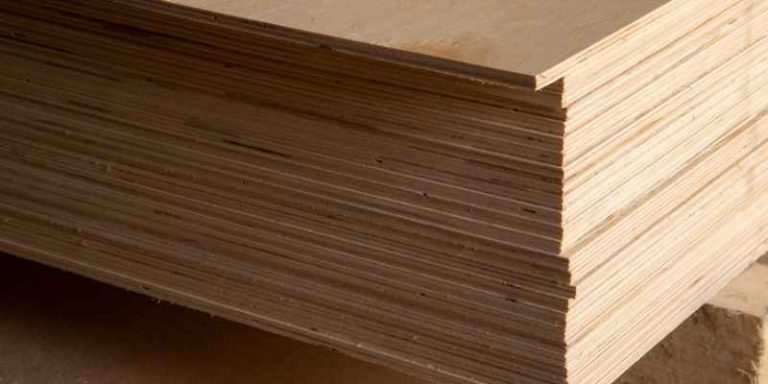
Quarter sawn oak plywood is milled so growth rings run nearly vertical through each veneer layer, giving it a straight, ray-fleck grain that’s more stable than plain-sawn oak plywood. It’s a special-order item most home centers don’t stock, and substituting plain-sawn where stability actually matters can mean a cupped panel within a year. This guide covers standard sizes and thicknesses, veneer-core vs. MDF-core options, why it costs more, and where to actually buy it.
Quick Answer
Quarter sawn oak plywood is oak veneer plywood cut so the log’s growth rings run through the face veneer at roughly 60–90°, creating a straight grain with ray fleck figure. Full sheets run 4×8 feet in 1/4-inch and 3/4-inch thicknesses, cost more than plain-sawn (about 50% more waste to produce), and are typically special-ordered from hardwood suppliers rather than stocked at big-box stores.
What Is Quarter Sawn Oak Plywood?
Best Quarter Sawn Oak Veneer Pick
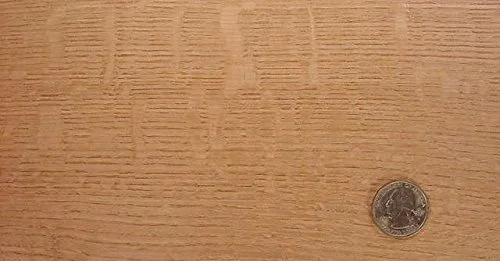 |
White Oak Quarter Sawn Veneer 10 Mil PSA (12" x 48") – $21.15 A peel-and-stick real-wood veneer sheet with the same straight, ray-fleck grain covered above — sized for refacing a cabinet door or tabletop edge without special-ordering a full 4×8 panel.
|
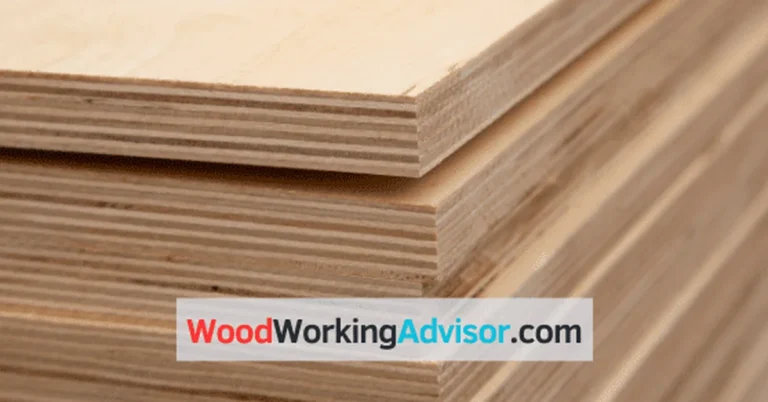
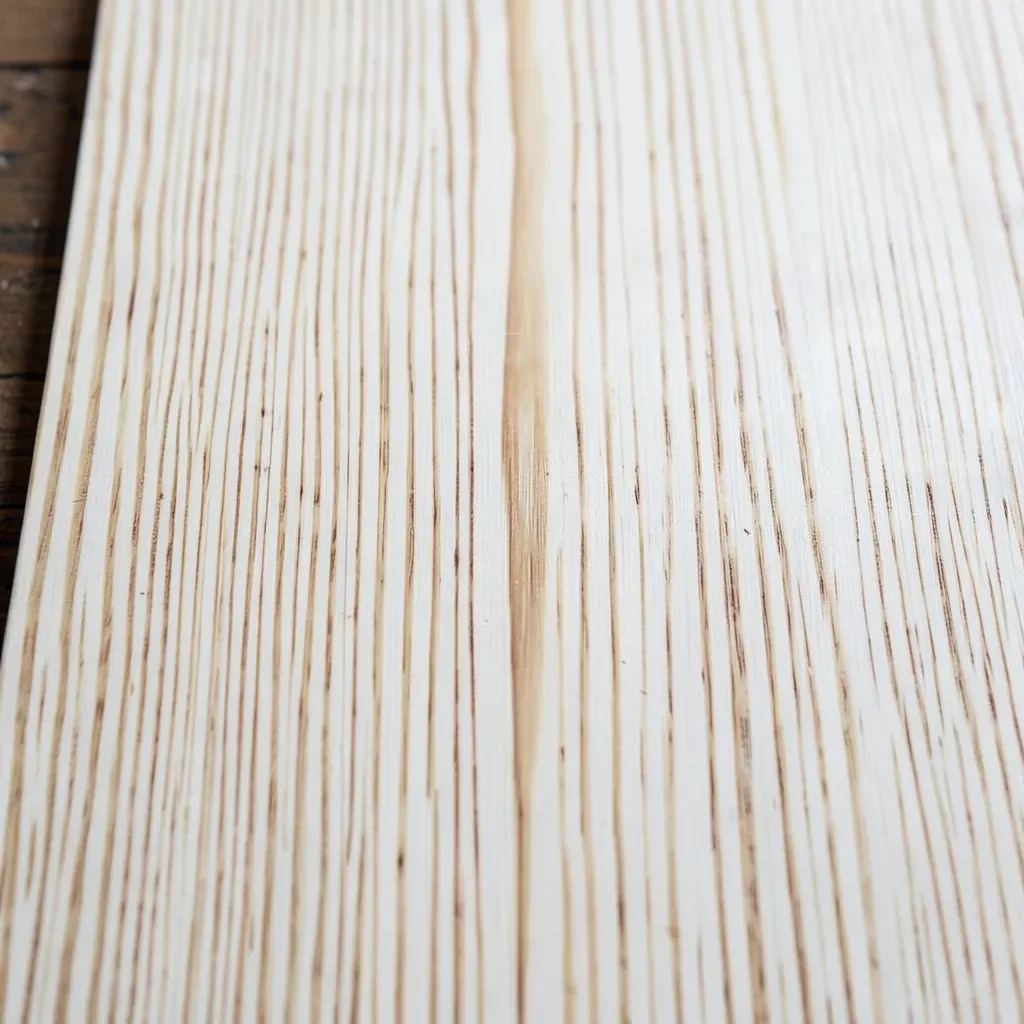
Quarter sawn oak plywood is a plywood panel with an oak face veneer that has been cut radially — perpendicular to the log’s growth rings — instead of tangentially like plain-sawn veneer. That cutting angle produces the straight grain and characteristic ray fleck (the light, flecked highlights running across the grain) that quarter sawn oak is known for, and it makes the veneer more dimensionally stable across its width than a plain-sawn face. Oak is one of the hardest, most versatile domestic hardwoods used this way — see our types of wood guide for how it compares to other species.
The core underneath is usually plain plywood or MDF; only the face veneer needs to be quarter sawn to get the look and stability benefit, which is why quarter sawn oak plywood costs less than solid quarter sawn oak lumber of the same size. For a look at quarter sawn oak as a solid lumber and flooring material rather than plywood, see our guide to quarter sawn oak.
If you only need quarter sawn oak for a small project — refacing a cabinet door or a tabletop edge — a peel-and-stick quarter sawn white oak veneer sheet gets you the same grain and stability without special-ordering a full 4×8 panel:
Standard Sizes, Thicknesses & Core Options
Quarter sawn oak plywood is typically sold in full 4×8-foot sheets, with 1/4-inch and 3/4-inch the two most common thicknesses; some hardwood suppliers also cut 1/2-inch and smaller custom sizes on request. Two core options are available: veneer core (cross-banded solid-wood plies), which is lighter and holds screws better, and MDF core, which is flatter, more stable in humid environments, and machines more cleanly for routed edge profiles — a distinction covered in more detail in our MDF vs. birch plywood comparison.
Most suppliers offer both red oak and white oak quarter sawn veneer. White oak’s tighter, closed pores make it more rot- and moisture-resistant, while red oak is more porous and takes stain less evenly — see our guide on staining red oak floors for how that affects finishing. Expect to special-order quarter sawn oak plywood through a hardwood specialty supplier rather than find it on a home center shelf.
Quarter Sawn vs. Rift Sawn vs. Plain Sawn Oak
All three cutting methods start from the same log and end up with different grain, stability, and cost. If oak’s price or availability is an issue, Baltic Birch plywood offers a different but comparably stable straight-grain alternative.
| Cut | Grain Pattern | Stability | Best For |
|---|---|---|---|
| Plain Sawn | Cathedral/flame-arch grain | Least stable — most tangential movement | Budget panels, hidden cabinet parts |
| Rift Sawn | Straight grain, no ray fleck | Stable — between plain and quarter | Modern flat-panel doors, consistent look |
| Quarter Sawn | Straight grain with ray fleck | Most stable — least width movement | Furniture faces, flooring, architectural millwork |
Why Quarter Sawn Oak Plywood Costs More
Quarter sawing a log wastes roughly 50% more material than plain sawing, because each quarter has to be resawn separately instead of slicing straight through the log in parallel passes — more labor per board foot of usable veneer. That extra waste and mill time is why quarter sawn oak plywood and lumber consistently cost more than plain sawn oak of the same grade, not any difference in the wood itself.
Stability: What the Wood-Movement Data Actually Shows
Wood shrinks and swells with moisture far more across the grain than along it, and the direction of that cross-grain movement is what quarter sawing controls.
📊 Red oak’s tangential shrinkage runs about 8.6%, versus 4.0% radial — a 2.15 ratio. Because a quarter sawn face exposes the radial direction across its width, it moves roughly half as much as a plain-sawn face cut from the same log. Source: USDA Forest Products Laboratory, Wood Handbook
Where to Buy Quarter Sawn Oak Plywood
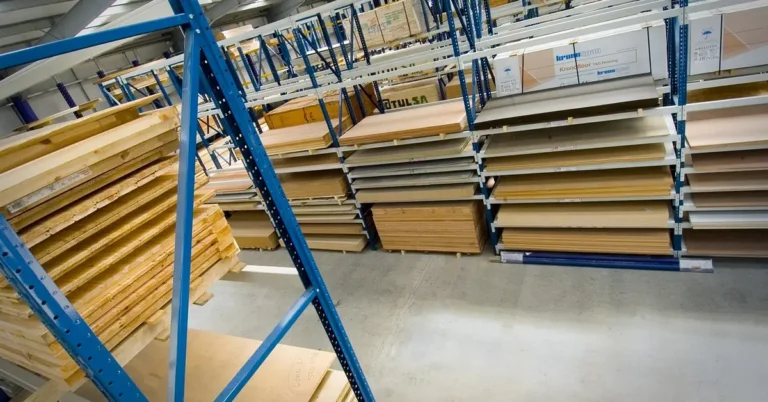
Quarter sawn oak plywood is a specialty item most lumberyards don’t stock, but hardwood suppliers carry it as a standard catalog item. Cherokee Wood Products, Fish Brothers Board Company, Menards, and Baird Brothers Fine Hardwoods all sell quarter sawn white oak plywood by the sheet, typically shipped rather than picked up locally. If your project calls for a standard (non-quarter-sawn) oak plywood in a specific thickness instead, see our 1/2-inch oak plywood guide.
Once you have the sheets, store them flat and off a concrete floor — see our guide on how to store lumber — to keep them from picking up moisture before you use them.
How to Apply Quarter Sawn Oak Veneer to Furniture
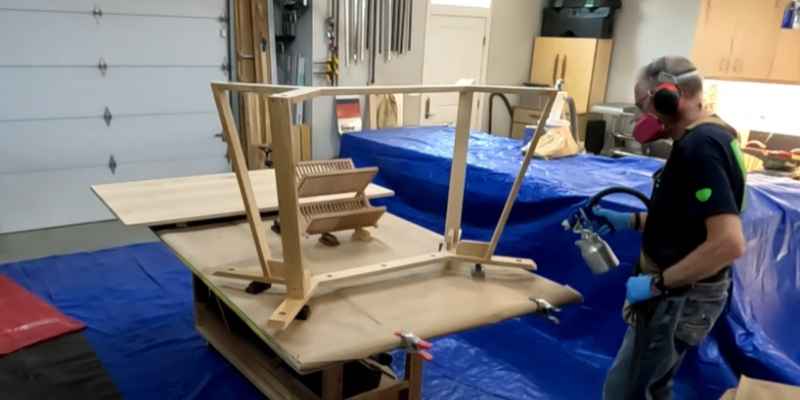
Applying a peel-and-stick or contact-cemented veneer sheet to reface an existing piece takes five steps:
- Strip the old finish: Sand the existing surface with 120-grit sandpaper to remove old finish and scratches down to bare wood.
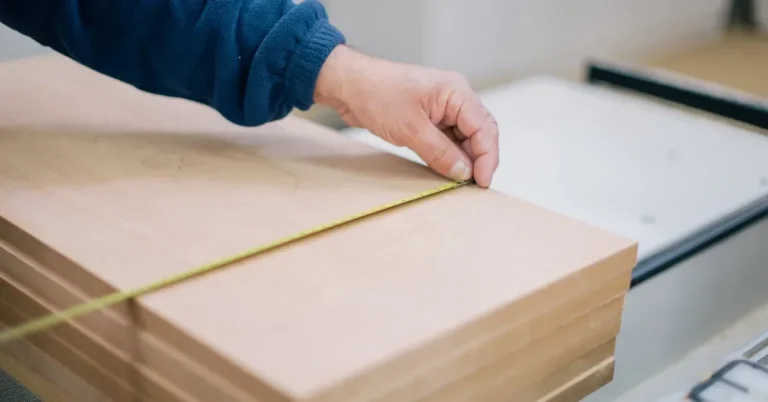
- Measure and cut the veneer: Measure the panel or section you’re refacing and cut the veneer sheet to size with a sharp utility knife and straightedge, leaving a slight overhang to trim later.
- Press and bond: Peel the backing from PSA veneer (or apply contact cement for non-adhesive veneer) and press it firmly from the center outward to avoid trapped air bubbles.
- Trim the edges: Once bonded, trim the overhanging veneer flush with a flush-trim router bit or a sharp blade.
- Sand and finish: Lightly sand the surface with 220-grit paper and apply your finish of choice, following the grain direction.
Frequently Asked Questions
What Is Quarter Sawn Oak Plywood?
Quarter sawn oak plywood is a plywood panel with an oak face veneer cut radially, perpendicular to the log’s growth rings, instead of tangentially like plain-sawn veneer. That cutting angle produces a straight grain with ray fleck figure and makes the veneer more dimensionally stable across its width than a plain-sawn face.
What Sizes and Thicknesses Does Quarter Sawn Oak Plywood Come In?
Full sheets typically measure 4×8 feet in 1/4-inch and 3/4-inch thicknesses, with some suppliers offering 1/2-inch and smaller cut-to-size pieces. Panels come with a veneer core (solid wood plies) or an MDF core; veneer core is lighter and holds screws better, MDF core is flatter and machines more cleanly for edge profiles.
Why Is Quarter Sawn Oak Plywood More Expensive Than Plain Sawn?
Quarter sawing wastes roughly 50% more of the log than plain sawing and takes more mill time, since each quarter has to be resawn separately instead of slicing straight through the log. That extra labor and waste is why quarter sawn veneer and lumber typically cost more than plain sawn oak of the same grade.
What Is the Difference Between Oak and Quarter Sawn Oak?
“Oak” refers to the species; “quarter sawn” describes how the log was cut. Quarter sawn oak is cut radially so growth rings run vertically through the board, giving a straighter grain and visible ray fleck compared to the cathedral-grain pattern of plain-sawn oak cut from the same log.
Is Oak Plywood Hard or Soft?
Oak plywood is a hardwood product — both red oak and white oak rank among the harder domestic species used in plywood veneers, with white oak slightly denser and more rot-resistant than red oak. The sawing method changes stability and appearance, not hardness.
Conclusion
Quarter sawn oak plywood earns its price premium through real stability gains — straighter grain, less cupping, and about half the cross-grain movement of plain-sawn oak — not marketing. If you’re paneling a full project, order 4×8 sheets from a hardwood specialty supplier in the thickness and core that fits your build; for a single door or tabletop edge, a peel-and-stick veneer sheet gets the same look without the special order.
Sponsored / affiliate links. As an Amazon Associate I earn from qualifying purchases. I may earn additional commission from eligible campaigns.
 Baltic Birch Plywood Sheets Box of 45 - Laser Engraving Cutting, Scroll Saw Nature Veneer Color, Stronger Than Basswood, A/A Grade,12 x 12 x 1/8”, 3mm Thickness Perfect for Wood Burning
 Baltic Birch Plywood 1/8'' x 12'' x 18'', 6 Pack, B/BB Grade, Void-Free Core, Laser Cutting Ready, Flat Sheets for CNC, Engraving, DIY Crafts, Art Painting, Wood Burning, Staining