Remove Stain from Hardwood Floor: Easy and Effective Solutions
You love your hardwood floors—they add warmth and beauty to your home. But what happens when a stubborn stain appears?
It can feel frustrating and even a little overwhelming. The good news is, you don’t have to live with that mark or spend a fortune on repairs. In this guide, you’ll discover simple, effective ways to remove stains from your hardwood floor and bring back its original shine.
Keep reading, and you’ll learn how to protect your floors and keep them looking flawless for years to come.
Common Hardwood Floor Stains
Hardwood floors add beauty to any home. Keeping them clean is important to maintain their shine. Stains on hardwood floors are common and can spoil their look. Knowing the types of stains helps in choosing the right cleaning method. Here are some common hardwood floor stains you might face.
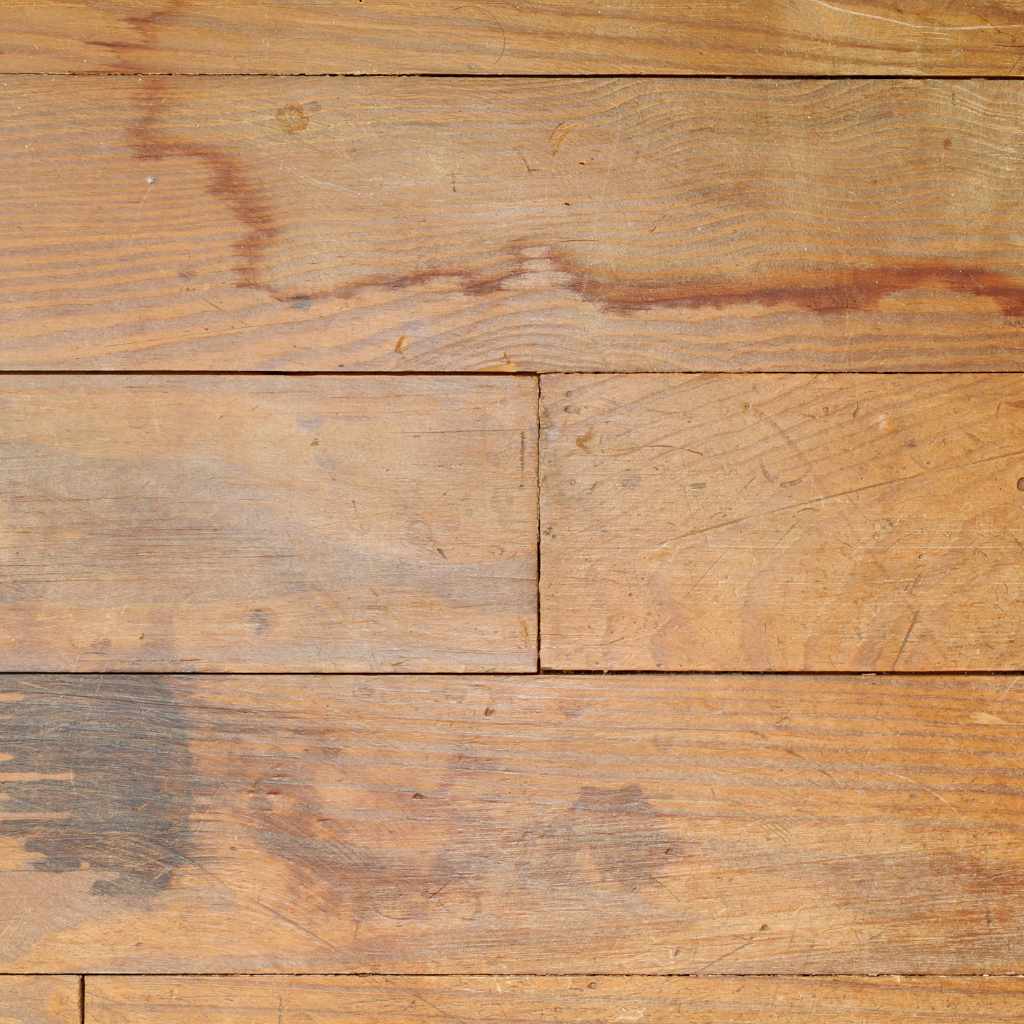
Water Stains
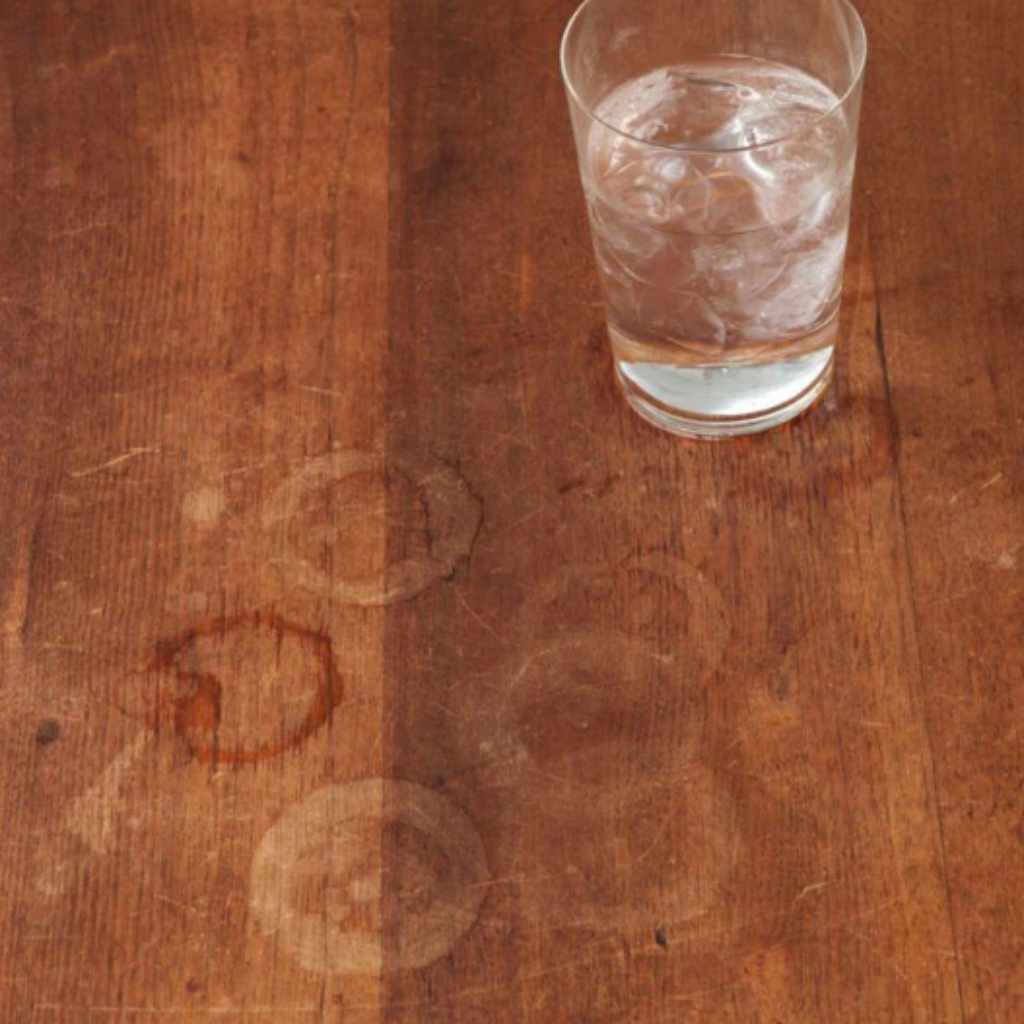
Water stains appear as white or dark marks. They happen when water sits too long on the wood. These stains can dull the finish and cause damage. Quick drying can stop water stains from forming. Use a soft cloth to wipe spills immediately.
Pet Stains
Pet stains often come from urine or accidents. They can leave dark spots or discoloration. The smell may linger if not cleaned well. Use pet-safe cleaners to remove stains and odors. Avoid harsh chemicals that can harm the wood finish.
Ink And Marker Stains
Ink and marker stains leave dark, stubborn marks. These stains soak into the wood quickly. Gentle rubbing with a cloth and mild cleaner can help. Test cleaning solutions on a small spot first. Avoid scrubbing too hard to prevent damage.
Grease And Oil Stains
Grease and oil stains come from food or machinery. They create dark, sticky spots on the floor. Blotting the stain quickly can reduce damage. Use a degreasing cleaner made for hardwood floors. Avoid spreading the stain further during cleaning.
Food And Drink Stains
Food and drink spills leave stains and sticky residue. Common culprits are wine, coffee, and sauces. Clean spills immediately to prevent staining. Use a damp cloth and mild soap for cleaning. Avoid letting liquids soak into the wood.
Basic Cleaning Tools
Removing stains from hardwood floors needs the right tools. Basic cleaning tools help keep floors clean without damage. Use gentle methods to protect the wood’s finish. These tools are easy to find and safe for home use. Understanding each tool’s role makes cleaning simpler and more effective.
Soft Cloths And Sponges
Soft cloths and sponges are gentle on hardwood floors. They clean without scratching or harming the surface. Choose microfiber cloths for the best results. Sponges with a soft side can remove dirt carefully. Avoid rough or abrasive materials to protect the wood.
Mild Cleaners And Soaps
Mild cleaners and soaps are safe for hardwood floors. Use a small amount mixed with water. These cleaners remove stains without stripping the finish. Avoid harsh chemicals that can damage the wood. Always test a cleaner on a small area first.
Vinegar And Baking Soda
Vinegar and baking soda are natural cleaning agents. Vinegar diluted with water helps break down stains. Baking soda works well on tough spots and odors. Use these gently to avoid dulling the wood. Rinse the floor with clean water after use.
Commercial Hardwood Cleaners
Commercial hardwood cleaners are made specifically for wood floors. They clean deeply and protect the finish. Choose products labeled safe for your floor type. Follow the instructions carefully for best results. These cleaners help maintain shine and remove stains effectively.
Removing Water Stains
Water stains on hardwood floors are common and unsightly. These stains happen when water seeps into the wood and leaves a mark. Removing these stains quickly helps keep floors looking fresh and clean. Several simple methods can lift water stains effectively at home.
Using Heat To Lift Stains
Heat can draw water stains out of wood. Use a clean cloth and a warm iron. Place the cloth over the stain, then gently press the iron on top. Move the iron in small circles for a few seconds. Check the stain often to avoid damage. Repeat until the stain lightens or disappears.
Applying Toothpaste Or Baking Soda
Toothpaste or baking soda works well on light water stains. Use a non-gel toothpaste or make a paste with baking soda and water. Apply a small amount to the stain. Rub gently with a soft cloth in a circular motion. Wipe clean with a damp cloth. Let the wood dry fully after cleaning.
Sanding And Refinishing
For deep or old stains, sanding may be needed. Lightly sand the stained area with fine-grit sandpaper. Sand until the stain fades or vanishes. Be careful not to sand too much. After sanding, apply a wood finish or sealant. This step protects the wood and restores its shine.
Eliminating Pet Stains
Pet stains on hardwood floors can be tough to remove. They often leave marks and odors. Acting fast helps protect your floor’s finish and wood. Using the right method is key to cleaning without damage. This section covers simple ways to remove pet stains safely and effectively.
Blotting And Cleaning Techniques
Start by blotting the stain with a clean cloth. Avoid rubbing, as it spreads the stain. Use paper towels or a soft fabric to soak up moisture. After blotting, clean the area with a mild soap and water mix. Gently wipe the floor using a damp cloth. Dry the spot thoroughly to prevent water damage.
Enzyme-based Cleaners
Enzyme cleaners break down the proteins in pet stains. They remove both the stain and odor. Apply the cleaner as the product instructions say. Let it sit to work on tough spots. Wipe the area clean with a damp cloth. These cleaners help keep your floor fresh without harsh chemicals.
Preventing Future Stains
Keep your pet’s nails trimmed to avoid scratches. Clean accidents quickly to stop stains from setting. Place mats near pet areas to catch spills. Use pet training pads for indoor pets. Regular cleaning helps maintain your hardwood floor’s beauty. Prevention saves time and keeps floors looking great.
Tackling Ink And Marker Marks
Ink and marker stains on hardwood floors are common problems. These stains can be stubborn and hard to remove. Quick action helps prevent permanent marks. Using simple household items can clear these stains without damage. The key is careful treatment and gentle cleaning.
Rubbing Alcohol Application
Dab a small amount of rubbing alcohol on a cloth. Gently rub the stained area in a circular motion. The alcohol breaks down ink and marker pigments. Avoid soaking the wood to protect the finish. Wipe with a clean, damp cloth afterward. Repeat if the stain is still visible.
Using Hairspray Or Nail Polish Remover
Spray a little hairspray on a cloth or cotton ball. Lightly rub the ink or marker stain. Nail polish remover with acetone also works well. Test on a small, hidden spot first to check finish safety. Clean the area with a damp cloth to remove residue. These products dissolve ink for easier removal.
Avoiding Damage To Finish
Do not scrub harshly to prevent scratching the floor. Always test cleaning products on a hidden spot first. Use soft cloths or cotton balls for cleaning. Avoid excessive moisture which can warp wood. Dry the area thoroughly after cleaning. Gentle care keeps hardwood floors looking new.
Removing Grease And Oil
Grease and oil stains on hardwood floors can be tough to remove. These substances soak into the wood quickly. Acting fast helps prevent long-term damage. Proper cleaning keeps your floors looking fresh and shiny. The right steps protect the wood and restore its natural beauty.
Absorbing Excess Oil
Start by blotting the stain with a dry cloth. Press gently to soak up as much oil as possible. Avoid rubbing, which spreads the stain. Use paper towels or a clean rag. Sprinkle baking soda or cornstarch over the spot. Let it sit for 15 to 30 minutes. These powders pull oil from the wood. Sweep or vacuum the powder carefully afterward.
Degreasing Solutions
Mix a mild dish soap with warm water. Use a soft cloth or sponge to apply the solution. Gently scrub the stained area in circular motions. Rinse with a clean, damp cloth to remove soap. Avoid soaking the wood with too much water. For stubborn stains, use a commercial wood floor cleaner. Always test any cleaner on a small hidden spot first.
Maintaining Floor Shine
After cleaning, dry the floor with a soft towel. Apply a wood floor polish or wax to restore shine. Use products designed for hardwood floors only. Follow the manufacturer’s instructions carefully. Regular cleaning and polishing keep floors bright. Prevent future stains by cleaning spills quickly.
Cleaning Food And Drink Spots
Food and drink spots on hardwood floors need quick attention. These stains can damage the wood if left too long. Cleaning them properly keeps floors looking fresh and new. Simple steps help remove spots without hurting the finish.
Immediate Wiping Methods
Grab a soft cloth or paper towel right away. Gently blot the spill. Avoid rubbing, which spreads the stain. Use a damp cloth with warm water to lift residue. Dry the spot with a clean cloth. Act fast to prevent permanent marks.
Stain-specific Cleaners
Different stains need different cleaners. For sticky drinks, mild soap and water work well. Grease spots require a small amount of vinegar mixed with water. Avoid harsh chemicals that strip the wood finish. Test cleaners on a hidden spot first to check safety.
Preventive Care Tips
Place mats under dining tables and chairs. Clean spills immediately, even if small. Use coasters under glasses to avoid rings. Regularly sweep and mop floors to remove dirt. Keep floors dry to prevent stains and damage.
Preventing Hardwood Floor Stains
Preventing stains on hardwood floors helps keep them looking fresh and new. Taking simple steps stops stains before they start. These habits save time and money on repairs.
Protect your floors with care and attention. Small actions make a big difference in maintaining their beauty.
Regular Cleaning Habits
Clean floors often to remove dirt and dust. Use a soft broom or vacuum with a hardwood setting. Mop with a damp cloth, not wet. Dry floors quickly to avoid water damage. Regular care stops stains from settling deep.
Using Protective Mats And Rugs
Place mats at entrances to catch dirt and moisture. Use rugs in high-traffic areas to shield floors. Choose non-slip pads under rugs to prevent movement. These layers protect wood from scratches and spills. Easy to clean and replace when needed.
Avoiding Harsh Chemicals
Use gentle cleaners made for hardwood floors. Avoid bleach, ammonia, and strong detergents. These chemicals can dull or damage the finish. Test new products on a small area first. Cleaners with natural ingredients keep floors safe and shiny.
When To Call A Professional
Knowing when to call a professional can save your hardwood floors. Some stains need special care and tools. Trying to fix them alone might cause damage. Professionals have experience and the right equipment. They can restore your floor’s beauty safely and quickly.
Deep Or Old Stains
Deep or old stains often go beyond the surface. They soak into the wood and become tough to remove. Professionals can assess how bad the stain is. They use special treatments that homeowners do not have. This helps avoid sanding too much or damaging the floor.
Refinishing Options
When stains are too stubborn, refinishing may be the best choice. Professionals can sand the floor evenly and apply new finish. This process brings back the wood’s natural look. They know the right products to use for each wood type. DIY refinishing can lead to uneven color or rough texture.
Cost And Time Considerations
Professional help may cost more upfront but saves time and effort. Trying to fix tough stains yourself can take days or weeks. Mistakes might require expensive repairs later. Experts work faster and get better results. Think of it as an investment in your home’s value.
Frequently Asked Questions
How To Remove Water Stains From Hardwood Floors?
To remove water stains, gently rub the area with a cloth dampened in a mixture of baking soda and water. For deeper stains, lightly sand and refinish the spot to restore the floor’s original look.
What Household Items Remove Stains On Hardwood Floors?
Common household items like baking soda, vinegar, and olive oil effectively remove stains. Baking soda neutralizes odors, vinegar cleans, and olive oil restores shine without damaging the wood surface.
Can I Use Bleach To Clean Hardwood Floor Stains?
Bleach is not recommended as it can discolor and damage hardwood floors. Instead, use mild cleaners or specialized wood floor products to safely remove stains.
How To Prevent Stains On Hardwood Floors?
Regularly clean spills immediately, use rugs in high-traffic areas, and apply a protective finish. These steps help maintain the floor’s appearance and prevent permanent staining.
Conclusion
Cleaning stains from hardwood floors is easier than you think. Act quickly to prevent damage. Use gentle cleaners and soft cloths to protect the wood. Test any product on a small spot first. Regular care keeps floors looking fresh and new.
With patience and the right steps, your hardwood can shine again. Remember, simple methods often work best. Keep your floor stain-free and beautiful for years.