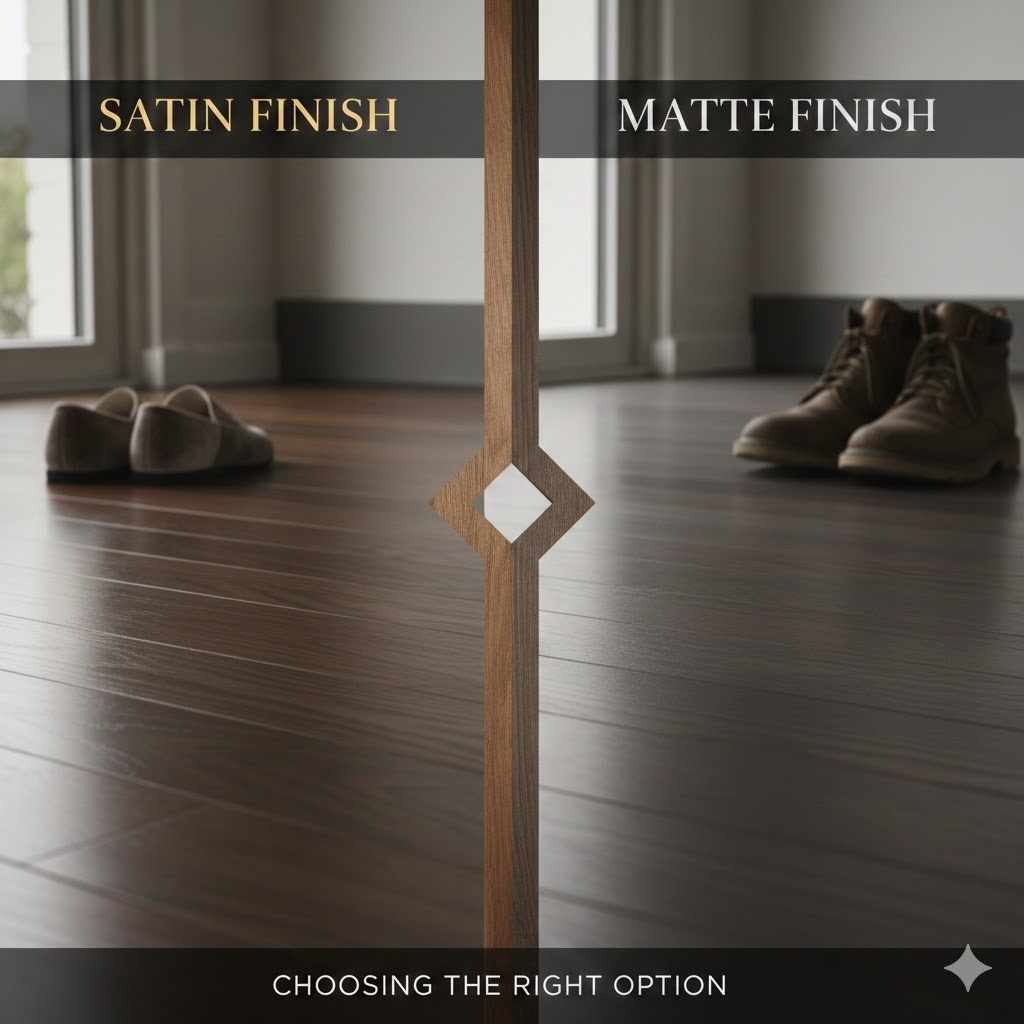
Satin vs Matte Finish Wood Floors: Choosing the Right Option
Choosing between Satin vs Matte Finish Wood Floors: Best Option? can feel tricky when you’re starting out. It’s a common question for anyone getting new wood floors, because the finish impacts both the look and how easy it is to take care of them. Don’t worry, though! We’re here to help you get a handle on what the different finishes offer. We’ll break down the pros and cons of each, making it easy to see which one is the right pick for your home. Let’s explore everything you need to know to make the best decision for your space.
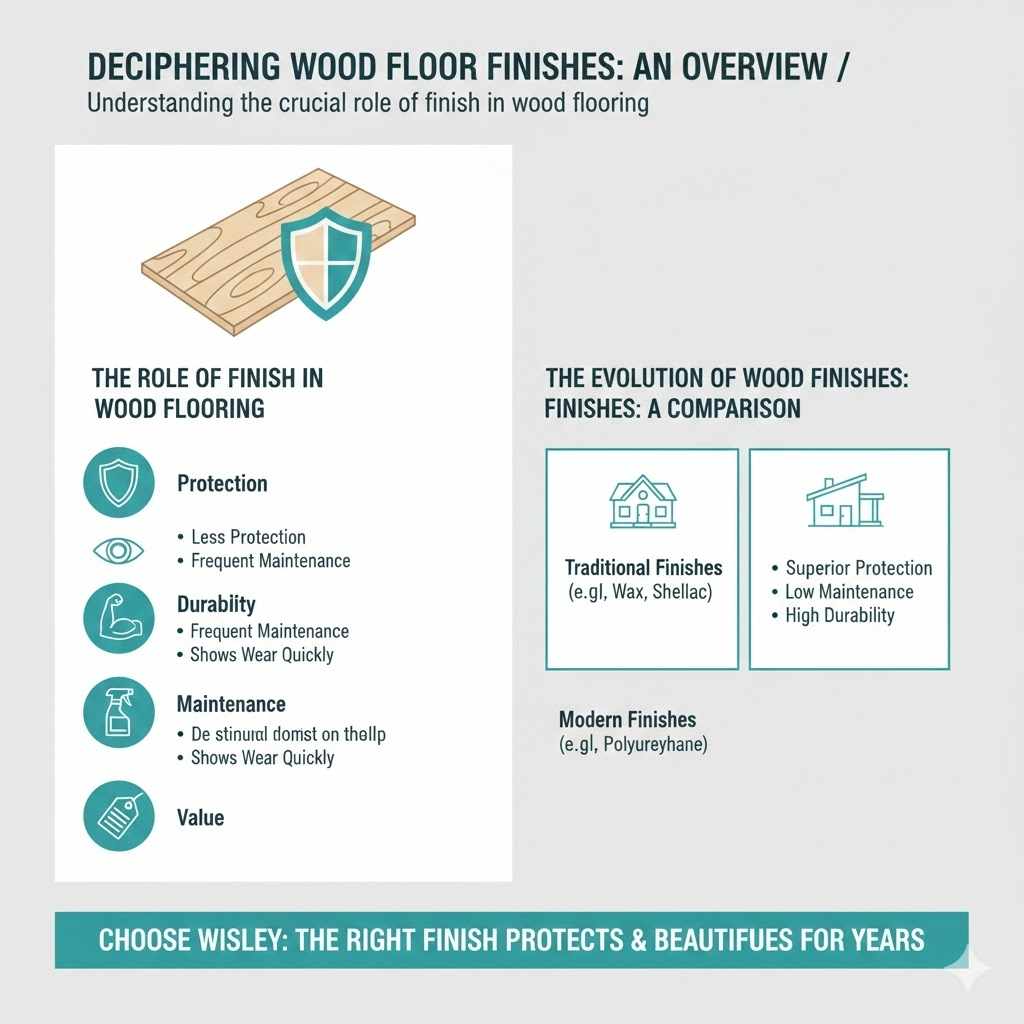
Deciphering Wood Floor Finishes: An Overview
Before jumping into a deep analysis, it’s important to establish a solid base of information. Wood floors, beloved for their warmth and natural beauty, come in several types of finishes. These finishes are essentially protective coatings applied to the wood, shielding it from wear, spills, and the harsh impacts of daily life. The type of finish dramatically impacts both the floors’ appearance and maintenance needs. Finishes range from those that highlight the natural grain to those that offer a more uniform look. Picking the correct finish is an important choice because it will change the floor’s aesthetic, durability, and how much effort you’ll need to keep it looking great. The finish also affects how the floor reflects light.
The Role of Finish in Wood Flooring
The finish serves as a crucial layer between the wood and the outside world, creating a barrier. It prevents moisture from seeping into the wood, and resists scratches, scuffs, and fading from sunlight. Without a good finish, wood floors can dry out, crack, and become less durable. The finish is responsible for how the floor appears. Some finishes emphasize the wood’s natural characteristics, such as the grain pattern, while others offer a consistent, more subdued aesthetic. The choice of finish affects how light interacts with the floor. Choosing the right finish is an important step when you install wood floors.
- Protection: The main job of a wood floor finish is to protect the wood. It defends the floor from spills, scratches, and everyday wear and tear. This protective layer ensures the floor lasts a long time.
- Aesthetics: The finish significantly changes how the wood floor looks. It can make the wood appear shiny, flat, or somewhere in between. It can also change the tone of the wood by highlighting natural grain or adding a tint.
- Durability: Different finishes have different strengths. Some finishes are harder and more resistant to scratches than others. Selecting a finish that matches your lifestyle is important for long-term durability.
- Maintenance: The finish affects how easy the floor is to clean and maintain. Some finishes might require regular waxing or special cleaning products, while others are easier to maintain.
- Value: The choice of finish can change the overall worth of the floor. A good, durable finish can increase the value. Selecting the right finish also helps increase the floor’s lifespan.
A good example of the importance of finish can be seen in old homes where floors might have been stained or finished with shellac or wax. These finishes did not offer the same protection as modern urethane finishes and often showed wear very quickly. This made maintenance and restoration more frequent. In contrast, consider a home with a modern polyurethane finish. It will offer superior protection. These floors withstand more wear and tear and require less maintenance. Selecting the proper finish helps preserve the wood floor’s appearance and value over many years.
Exploring Matte Finishes
A matte finish is all about that subtle, natural look. It has a low sheen, meaning it reflects less light than other finishes. This results in a softer appearance that helps hide scratches and imperfections better than shinier options. This finish is perfect if you want to highlight the natural beauty of the wood grain without the glossy distractions. It provides a timeless look and can fit easily into different interior design styles, from modern to classic. Because it reflects less light, it can make a room feel cozier and less formal.
Matte Finish Characteristics and Benefits
Matte finishes offer a subdued appearance, creating a sleek, contemporary look. They absorb light, rather than reflecting it, leading to a flatter appearance. One of the main benefits is its ability to hide scratches and minor imperfections, making it a good option for high-traffic areas or homes with kids and pets. Another benefit is its ability to make the floor less slippery, improving safety. The reduced glare also makes the floor easier on the eyes. It is also often easier to maintain than a glossier finish. For those wanting a natural look, matte is a great option.
- Natural Appearance: A major benefit of a matte finish is its ability to showcase the wood’s grain and texture. It provides a natural, understated look that complements a variety of decor styles. It doesn’t distract from the beauty of the wood.
- Hides Imperfections: The low-sheen nature of a matte finish does a great job of concealing scratches, dents, and other imperfections that can occur with everyday use. This can reduce the need for constant maintenance.
- Less Slippery: The matte surface is less slippery than high-gloss finishes, making it a safer choice, especially in homes with children or older adults. This also increases comfort.
- Easy Maintenance: Matte finishes are usually quite easy to clean and maintain. You can generally use a vacuum or a damp mop. Specific cleaning products aren’t always required.
- Versatility: A matte finish works well in various rooms. It’s a great fit for bedrooms, living rooms, and any other space where you want to create a relaxed and inviting atmosphere.
A real-world example of the usefulness of matte finishes is in homes with pets. The matte finish helps to hide the scratches from claws. Consider a family with a dog. Over time, the dog’s nails will inevitably scratch the floor. A matte finish will help minimize those marks, keeping the floor looking better for longer. This reduces the need for frequent refinishing or repairs. Another example could be a busy family. The matte finish offers a more forgiving surface when it comes to keeping it looking clean and free from daily wear.
Potential Downsides of Matte Finishes
While matte finishes have many benefits, they also have some potential drawbacks. Although they hide scratches well, they might show dirt and grime more easily than shinier finishes. The lack of shine might not appeal to everyone, as it can make a room feel less bright. If you have a room with low natural light, the matte finish might make it feel darker. Cleaning can also be harder. The finish can sometimes trap dirt in the pores of the wood. This requires more attention when cleaning. However, with the right approach and expectations, these downsides can often be managed or even avoided.
- Can Show Dirt: Because matte finishes do not have a shiny surface, dirt and dust might be more noticeable. This might require more frequent cleaning.
- Less Reflective: In rooms with less natural light, the lack of reflectivity of a matte finish can make the space feel darker. It’s a key detail to think about when choosing flooring.
- Durability: Some matte finishes might not be as durable as high-gloss options, particularly in areas with heavy foot traffic. The finish might need to be renewed more frequently.
- Cleaning Challenges: While generally easy to maintain, some matte finishes can make dirt and stains harder to remove. This might require using more specific cleaning products.
- Not for Everyone: Some people prefer the look of a shinier floor. The understated look of a matte finish might not appeal to every style preference.
As a case study, consider a room with a lot of natural light, such as a sunroom. In this situation, the lack of reflectivity can make the space feel less vibrant. Another scenario is a kitchen with frequent spills and messes. Matte finishes might be harder to keep clean. The matte surface can trap dirt and spills more noticeably. These downsides are important considerations when selecting between a matte and a satin finish. Understanding these factors will help you make a selection that works best for your situation.
Exploring Satin Finishes
Satin finishes strike a perfect balance between gloss and matte. It provides a soft sheen that adds elegance without being overly reflective. It’s a popular choice because it offers both beauty and practicality. Satin finishes add a subtle glow, enhancing the warmth of the wood without the high-maintenance demands of glossier options. It works well in most settings, offering a good balance of durability and style. It is also often easier to clean than a matte finish while providing a sophisticated look. For many homeowners, satin finishes represent the sweet spot.
Characteristics and Benefits of Satin Finishes
Satin finishes are famous for their balanced look, reflecting light enough to brighten a room while still maintaining a subdued elegance. The mid-range sheen provides a touch of sophistication without the excessive shine of glossier finishes. The blend of a moderate sheen and reasonable scratch resistance makes it a practical choice for different areas. Maintenance is typically simple with regular cleaning. The look is versatile, working well in both traditional and modern decor styles. Satin finishes add value to a home.
- Balanced Appearance: Satin finishes offer a pleasing aesthetic that is neither too shiny nor too dull. This balanced look makes them appealing in many spaces, enhancing the natural wood grain without being distracting.
- Durability: Satin finishes tend to be quite durable and good at resisting scratches and wear. This makes them suitable for high-traffic areas.
- Easy Maintenance: Compared to high-gloss finishes, satin finishes are generally easier to clean and maintain. They don’t show dust and dirt as easily as glossier options.
- Versatility: A satin finish can work well in most rooms, regardless of decor. It complements a wide range of styles, from classic to contemporary.
- Enhanced Light: Satin finishes reflect light to improve the overall look and feel of a room. This can make the room appear brighter and more inviting.
Consider a family room that experiences a lot of foot traffic. The satin finish will resist scratches and is easy to clean. Another case is a dining area. The satin finish adds a touch of sophistication. It also hides the wear and tear from chairs being moved around. The ability to endure regular cleaning and still look great makes this a top pick. This makes them a practical choice for busy families or homeowners who want low-maintenance flooring. Satin finishes provide a mix of elegance, durability, and ease of care.
Potential Downsides of Satin Finishes
Although satin finishes are a strong option, they have some potential drawbacks. They don’t hide scratches as well as a matte finish. Also, the sheen, while subtle, might not be as natural-looking as a matte option. If you live in a space with a lot of direct sunlight, the sheen might be more prominent. While generally easy to clean, satin finishes might show streaks if not cleaned correctly. It’s important to weigh these details to make the best choice. Some people may prefer the more natural look of a matte finish or the high-gloss shine.
- Scratch Visibility: While good at resisting scratches, satin finishes do not conceal them as well as matte finishes. Scratches might be more visible than on matte floors.
- Sheen Might Be Noticeable: The subtle sheen can be too much for those who prefer the completely flat appearance of a matte finish. This is a matter of personal preference.
- Maintenance Requirements: Although usually simple to clean, satin finishes can reveal streaks if the floor isn’t cleaned properly. This is key for achieving a consistent look.
- Not as Natural-Looking: The sheen can make the floor look less natural than a matte finish. This can make the finish less appealing to some.
- Cost: Satin finishes can be slightly more expensive than matte options. This should be considered if the budget is an important factor.
For example, imagine a living room with large windows that receive a lot of direct sunlight. The satin finish might create some glare. This makes it less desirable. Another situation might be a household with very young children who are prone to dropping toys. The scratches might be more noticeable on a satin finish. Understanding these factors is important when selecting the right finish for your home. You’ll ensure the flooring meets both your aesthetic desires and practical needs.
Comparing Satin vs Matte Finishes
Choosing between satin and matte finishes often comes down to personal taste, lifestyle, and how much maintenance you’re willing to do. Both options offer great benefits, but they also have key differences. The following will provide a detailed comparison to assist you in making a decision that will work well for you. Consider the room’s purpose, the amount of natural light, and the amount of foot traffic. These elements will guide you to a good choice.
Head-to-Head: Key Differences
When comparing Satin vs Matte Finish Wood Floors: Best Option?, it’s about balancing aesthetics with practicality. Satin offers a subtle sheen, improving the room’s brightness. It also adds a touch of luxury. Matte, on the other hand, prioritizes a natural look by minimizing light reflection. Satin balances appearance and ease of maintenance, while matte focuses on hiding imperfections and reducing glare. The final decision depends on your personal preferences and the demands of your space. These details will enable you to make a choice that will work with your needs.
- Appearance: Satin finishes have a soft sheen, creating a balanced look between gloss and matte. Matte finishes have a flat appearance, showcasing the wood’s natural characteristics without any reflective qualities.
- Scratch Resistance: Satin finishes are usually more resistant to scratches than glossier options, but might show scratches more than matte finishes. Matte finishes are more forgiving and can hide imperfections.
- Light Reflection: Satin finishes reflect light, enhancing the brightness of a room. Matte finishes absorb light, reducing glare and creating a more subdued atmosphere.
- Maintenance: Both finishes are easy to clean, but satin finishes may show streaks if not cleaned properly. Matte finishes generally require less effort to maintain.
- Versatility: Satin finishes are versatile, working well in most settings. Matte finishes are a great match for modern and rustic decor.
A helpful table can illustrate the main differences between the two finish types:
| Feature | Satin Finish | Matte Finish |
|---|---|---|
| Sheen Level | Soft sheen, moderate light reflection | Low sheen, minimal light reflection |
| Scratch Visibility | Scratches more visible than matte | Scratches less visible |
| Light Enhancement | Enhances room brightness | Reduces glare, creates a softer feel |
| Maintenance | Easy, may show streaks | Easy, hides dirt and imperfections |
| Aesthetic | Balanced, versatile | Natural, rustic |
Best Use Cases
Knowing where each finish shines can help you match it with the correct area of your home. A satin finish works well in areas like living rooms and hallways. A matte finish is perfect for bedrooms and areas with high foot traffic. Taking the room’s function and style into account is crucial. The choices you make will enhance the room’s appearance and how well it will hold up over time. These choices can make the home more enjoyable for years.
- Satin Finish: Consider the dining room, where you want to have a look that’s inviting and elegant. The subtle sheen adds a touch of refinement without being too flashy. Think about hallways and entryways. The balance offered by the satin finish will look great.
- Matte Finish: Picture your bedroom, where you seek a calm and comfortable environment. The matte finish helps absorb light and creates a feeling of peace. Visualize a kids’ play area where hiding scratches is a priority. The matte finish is perfect for handling wear and tear.
- Combination Approach: You may also choose a combination. In a home office, a matte finish can reduce glare on computer screens. In a living room, a satin finish might be a good choice.
- Matching Decor: If your home has a more modern design, a matte finish may complement the clean lines and minimalist style. If your decor is more traditional, a satin finish might be a better match.
For example, a busy kitchen is a great place to use a satin finish, as it’s durable and easy to clean. If you’re building a new home, you might consider matte finishes in bedrooms to create a cozy and inviting atmosphere. A case study involves a home with children and pets. The floors are matte to resist scratches. Choosing the correct finish can make your home’s floors beautiful and practical.
Installation and Upkeep
After you’ve selected your floor finish, knowing how to install and maintain it is important. This ensures your floors look beautiful and last for a long time. Correct installation ensures the finish works to its fullest potential. Regular maintenance will preserve the finish, keeping it clean and protecting it. Understanding this procedure will help you keep your floors in great shape and make your home more appealing for years.
Installation Best Practices
Correct installation is key to getting the most from your chosen floor finish. It’s important to have the floor prepped correctly before installation. You should follow the manufacturer’s directions for applying the finish. You’ll ensure a smooth, durable surface. Proper installation protects the wood, preventing moisture and wear. This process will enhance the beauty and longevity of the floors. Consider hiring professionals for proper installation.
- Surface Preparation: Before installing any floor finish, ensure the subfloor is clean, level, and dry. Sand the wood to create a smooth surface that will allow the finish to adhere properly. Remove all debris.
- Applying the Finish: Follow the manufacturer’s directions for applying your chosen finish. Use a brush or applicator. Make sure you apply evenly to avoid streaks. Allow each coat to dry fully before applying the next one.
- Number of Coats: The number of coats needed depends on the finish. Generally, at least two to three coats are necessary for protection. Read and follow the directions for application.
- Drying Time: Allow the finish to fully dry and cure before walking on the floors. Cure times may vary depending on the type of finish. This may take a few days.
- Ventilation: Make sure the area is well-ventilated during the installation and drying process. This will help the finish dry properly. It will also help get rid of any strong odors.
A good example of proper installation involves ensuring the floor is clean and clear of dust. Dust can prevent the finish from sticking properly. Another example involves applying multiple thin coats. This creates a more durable finish. It avoids drips or uneven spots. A case study is where homeowners hired professionals to install their floors. The pros took care of all the steps. They made sure the finish looked great and lasted for many years. When installing wood floors, following these recommendations will guarantee a great outcome.
Care and Maintenance
Regular maintenance ensures that your wood floors stay beautiful and protected. Sweep or vacuum regularly to remove dirt and debris. Use appropriate cleaning products to avoid damage. Preventative measures, such as placing mats at entrances, reduce wear and tear. Following these tips ensures that your floors look great for years. With the right care, you can keep your floors in good condition. You can also preserve their beauty for a long time.
- Regular Cleaning: Sweep or vacuum your floors regularly to remove dust, dirt, and debris. This stops these particles from scratching the surface. This is important to ensure your floors last.
- Use the Right Cleaners: Use cleaning products that are safe for your floor finish. Follow the manufacturer’s recommendations. Avoid harsh chemicals that can damage the finish.
- Preventative Measures: Place mats at entryways to catch dirt. Use furniture pads under the legs of furniture to prevent scratches. This will help reduce wear and tear.
- Avoid Excess Water: When mopping, wring out the mop well. Too much water can harm your wood floors. It can seep into the wood, causing damage.
- Periodic Refinishing: Depending on the finish and usage, your floor might need to be refinished every few years. This helps to restore its beauty and protection. This can increase the lifespan of your floor.
A good example involves immediately cleaning up spills to prevent stains. Another example is placing felt pads under furniture. This helps prevent scratches. A case study is of a homeowner who made a regular cleaning schedule. This is how they kept their floors in great shape for many years. Putting these maintenance tips into practice is important to protecting the value of your wood floors.

Frequently Asked Questions
Question: Is a satin finish better than a matte finish?
Answer: It depends on what you want. Satin finishes offer a mix of shine and practicality. Matte finishes hide scratches better and have a more natural look. Think about the style of your home and your lifestyle.
Question: Are matte finishes harder to clean?
Answer: Generally, matte finishes are easier to clean. They don’t show dirt and streaks as easily as shinier finishes. Regular sweeping and mopping are usually enough.
Question: Which finish is better for high-traffic areas?
Answer: Both satin and matte finishes are durable. The right choice often depends on your priorities. A satin finish is less likely to show scratches. A matte finish is better at concealing imperfections.
Question: Can I change my wood floor finish later?
Answer: Yes, you can refinish your floors to change the finish. However, it involves sanding down the old finish and reapplying a new one. It’s usually best to hire a professional.
Question: How often should I refinish my wood floors?
Answer: The frequency of refinishing depends on the finish and how much traffic the floors get. You might need to refinish them every 5–10 years. In high-traffic areas, you might need to refinish them more often.
Final Thoughts
In the world of Satin vs Matte Finish Wood Floors: Best Option?, the ideal choice hinges on what you value most. Matte finishes excel at providing a natural, understated look and concealing imperfections. Satin finishes strike a perfect balance, enhancing the wood’s beauty with a soft sheen and offering good durability. Both options have their benefits, so it is important to consider your style and lifestyle. Think about how much light your space gets and the level of maintenance you are willing to do. Remember, proper installation and regular maintenance are just as important as the finish. This will ensure your floors stay beautiful for years. Choosing the right finish will make your space more appealing and make your home more comfortable. Take your time, assess your needs, and then pick the best option for you.