Remove Old Hardwood Before Vinyl Plank? What to Know
You do not need to remove old hardwood before installing vinyl plank flooring in most cases, as long as the boards are flat, dry, and free of active damage.
Installing floating vinyl plank over a floor that is cupped, spongy, or holding moisture can trap that moisture underneath and telegraph the unevenness through the new planks within months. This guide covers how to check your hardwood’s condition, how to prep it for a floating installation, and the specific cases where removal is worth the extra cost.
Introduction To Flooring Upgrades
Best Vinyl Plank Underlayment Pick
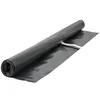
Roberts Moisture Barricade Underlayment Film – $21.99
A 6 mil polyethylene barrier made for vinyl and engineered wood floors – matches this guide’s point that trapped moisture under the planks is the real risk of skipping prep.
- Best for: floating vinyl plank installs over hardwood or concrete
- Why we picked it: budget-friendly moisture barrier built specifically for vinyl and engineered wood
- Main drawback: film only, no sound-dampening foam layer
Compare more vinyl plank underlayment options
 Option 1 Roberts Silicone Moisture Barrier – $27.49
|
 Option 2 FloorLot BlueStep Underlayment – $59.99
|
 Option 3 QuietWalk LV Underlayment – $143.16
|
As an Amazon Associate we earn from qualifying purchases.
Upgrading floors can significantly enhance your home’s value and comfort. Many homeowners consider vinyl plank for its affordability and durability. It mimics the look of hardwood without the high cost.
Choosing between hardwood and vinyl plank depends on your needs. Hardwood offers classic beauty and longevity. It can be refinished many times.
On the other hand, vinyl plank is water-resistant and easy to install. It comes in various styles and colors. This option is great for families and pets.
Benefits Of Vinyl Plank Flooring
Vinyl plank flooring offers great cost-effectiveness. It is usually cheaper than hardwood. Installation is also easier and faster. This can save you money on labor costs.
Durability is another key benefit. Vinyl planks resist scratches and water damage well. They can last many years with little maintenance. Regular cleaning keeps them looking new.
Maintenance is simple. Just sweep or vacuum regularly. A damp mop can remove stains. This makes vinyl plank flooring a practical choice for busy homes.
Conserving The Old Hardwood
Old hardwood floors can hold significant historical value. They often tell the story of a home’s past. Preserving these floors can maintain a sense of heritage. Many people appreciate the craftsmanship and character of vintage wood.
Choosing not to remove old hardwood is also an environmental consideration. Keeping existing materials reduces waste in landfills. It minimizes the need for new resources to create flooring. This practice supports sustainability and reduces your carbon footprint.
Ultimately, preserving old hardwood can enhance the aesthetic of a home. It adds unique charm and warmth to living spaces. Weighing these factors can help in making an informed decision.
Assessing The Condition Of Existing Hardwood
Check for visible damage on the hardwood floor. Look for cracks, warps, or deep scratches. These issues may affect the new vinyl plank installation.
Water damage is another major concern. Signs include discoloration or swelling. Such damage can be costly to repair.
Consider the potential for restoration. If the hardwood is in good shape, refinishing may be an option. This can save time and money.
Evaluate if the hardwood can be sanded and stained. If it can, it might be worth keeping. Always assess the cost of repairs versus replacement. For a broader look at how solid hardwood compares to other floor types on cost and lifespan, see our wood flooring guide.
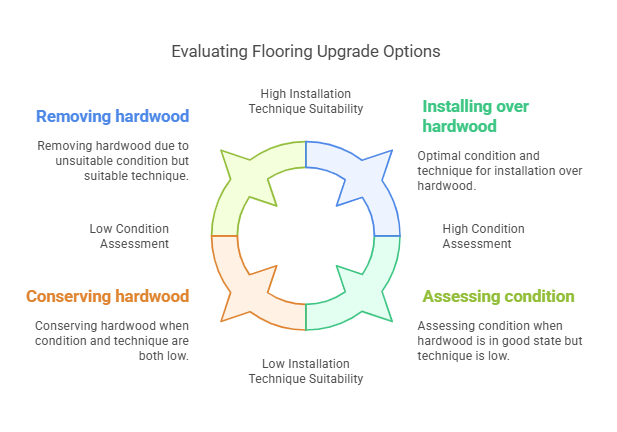
Installation Techniques For Vinyl Plank Over Hardwood
Before installing vinyl plank, proper preparation is key. Start by cleaning the hardwood floor thoroughly. Remove all dirt and debris. Check the hardwood for any damage or loose boards. If any issues arise, repair them before proceeding.
Gather the necessary tools and materials. You will need a circular saw, a tapping block, and a measuring tape. A level is also essential to ensure the floor is even.
It’s important to have underlayment for sound and moisture control. Ensure you also have adhesive if required for your vinyl plank type. This will help with a smooth and long-lasting installation.
Pros And Cons Of Removing Old Hardwood
Removing old hardwood before installing vinyl plank has many benefits. First, it allows for a smoother surface. This makes installation easier and quicker. It also reduces the risk of moisture damage. Old hardwood can trap moisture, harming the new flooring.
Another advantage is improved aesthetics. A new floor without old wood looks cleaner and more modern. It can also increase the value of your home. Potential buyers prefer fresh, updated flooring.
On the other hand, there are some drawbacks. Removal can be time-consuming and requires effort. It may also involve additional costs for labor and disposal. Some homeowners might find this process too challenging.
Consider these factors carefully before making a decision. Weigh the benefits against the challenges to find the best choice.
Practical Tips For The Upgrade Process
Deciding between hiring professionals or going DIY can impact your project. Professionals ensure a smooth installation. They have the right tools and experience. This can save time and reduce mistakes.
On the other hand, DIY can save money. Research and preparation are key for success. Make sure to gather all necessary tools and materials. This can help avoid unexpected costs.
| Task | Hiring Professionals | DIY |
|---|---|---|
| Cost | Higher upfront cost | Potentially lower cost |
| Time | Quicker completion | Time-consuming |
| Skill Level | Expertise guaranteed | Requires learning |
Planning your timeline is crucial. A clear schedule helps keep the project on track. Budgeting also plays a big role. Account for both materials and labor costs.
Final Considerations Before Decision Making
Removing old hardwood can affect your home’s resale value. Many buyers prefer new flooring. Old hardwood may be seen as a disadvantage. Leaving it can help maintain a traditional look.
Your personal preferences play a key role. Some enjoy the warmth of hardwood. Others prefer the easy maintenance of vinyl plank. Think about your lifestyle. Do you have pets or kids? Vinyl might be the better choice.
Consider how long you plan to live in your home. Short-term owners may not need to remove old hardwood. Long-term owners might want a fresh look.
Frequently Asked Questions
Should I Remove Old Hardwood Flooring First?
You do not need to remove old hardwood flooring in most cases, as long as it is flat, stable, and free of major damage. Removing it first is worth the effort if the floor is cupped, spongy, or shows visible mold or water damage, since those problems can telegraph through the new vinyl plank and keep getting worse underneath it.
Can I Install Vinyl Plank Over Hardwood?
Yes, you can install vinyl plank over hardwood. However, ensure the hardwood is stable, clean, and dry. Any imperfections may affect the appearance and durability of the vinyl. It’s advisable to use an underlayment for added cushioning and sound absorption, enhancing the overall performance of your flooring.
What Are The Benefits Of Removing Old Hardwood?
Removing old hardwood can provide several benefits. It allows for a fresh start and ensures better adhesion of the new flooring. Additionally, it eliminates any hidden issues, such as pests or water damage. This can lead to improved aesthetics and longevity of your new vinyl plank flooring.
How Much Does It Cost To Remove Hardwood Flooring?
The cost to remove hardwood flooring varies based on several factors. On average, you can expect to pay between $1 to $3 per square foot. This price may increase depending on the complexity of the removal and any additional repairs needed afterward.
Always get multiple quotes for the best deal.
Conclusion
In most cases you do not need to remove old hardwood before installing vinyl plank flooring, as long as it passes the condition checks above. Removing it first still makes sense for floors with real damage, since that gives the cleanest surface and prevents the issues covered here. Weigh the pros and cons based on your specific situation, and choose the option that fits the actual condition of your floor.
Choose wisely for a successful installation.
Sponsored / affiliate links. As an Amazon Associate I earn from qualifying purchases. I may earn additional commission from eligible campaigns.