Spanish Cedar vs Redwood: Which Is Better for Humidor Building?
Spanish cedar is commonly preferred as a humidor interior. Choose Redwood only if it is thoroughly screened for odor and used with caution, because cedar is more commonly used for cigar-safe aroma and moisture control. Pick wrong, and you can get harsh odors, uneven humidity, or other issues that can damage cigars. This guide compares aroma safety, humidity behavior, and sealing needs so you can choose the right wood for your build.
| Decision factor | Spanish Cedar | Redwood | Winner |
|---|---|---|---|
| Aroma transfer | Low to moderate, cigar-friendly when clean and dry | Variable; can carry stronger extractives into a closed box | Spanish Cedar |
| Humidity buffering | Good short-term buffering in thin interior stock | Can buffer moisture too, but odor risk matters more indoors | Spanish Cedar |
| Seasoning needs | Needs normal seasoning before use; avoid wetting too hard | Needs stricter screening for smell and resin before use | Spanish Cedar |
| Stability in thin stock | Well suited to lining and shelving when properly dried | Can stay stable in thin stock, but selection quality varies more | Spanish Cedar |
| Workability | Easy to machine, sand, and fit for lining parts | Also easy to machine, but softer boards can dent more easily | Tie |
| Availability | Widely sold for humidors and cigar cabinets | More common in general woodworking than humidor-specific stock | Spanish Cedar |
| Recommended use case | Interior lining, shelves, drawer parts, and dividers | Only after odor screening, for small interior parts or secondary pieces | Spanish Cedar |
Spanish cedar vs redwood at a glance
Spanish cedar wins the interior comparison because it gives you a more predictable aroma profile for cigars and a long record in lining and shelving. Redwood can work in some cabinet applications, but the risk is not the species name; it is the chance that its extractives or smell will show up in a sealed storage space.
Interior lining versus exterior cabinet use
Exterior casework can tolerate woods that would be poor choices inside the storage chamber. That distinction matters because cigar flavor neutrality depends on what sits around the cigars, not just what holds the box together.
Use Redwood more cautiously on the inside than on the outside. If it is only the cabinet shell and the interior is lined with a more humidor-friendly wood, the risk profile changes a lot.
Aroma transfer and cigar flavor neutrality
Interior wood should not fight the cigar’s own aroma. Spanish cedar generally fits that job better because it is familiar in cigar storage and usually reads as acceptable to cigar smokers when properly prepared.
Redwood can carry stronger odor notes into a closed box, especially when the boards are newly milled or not fully dried. In a humidor, even a mild wood smell can show up in the cigars over time.
Humidity behavior and dimensional stability
Both woods can move with moisture, so the humidor seal and the stock thickness matter more than claims about the wood alone. Thin lining boards are more useful than thick, wet stock because they condition faster and put less stress on fit and clearance.
Spanish cedar is the safer default because builders already know how it behaves in interior panels, trays, and dividers. Redwood can be stable in thin stock too, but that does not cancel the odor question.
Workability, availability, and sourcing
Both woods machine easily, which is why they come up often in cabinet work. The real difference is sourcing: Spanish cedar is commonly sold for humidors, while Redwood often appears as general lumber, so the buyer has to screen it more carefully.
That extra screening can wipe out any small price advantage. If the board smells wrong or is poorly dried, the better machineability does not matter.
Which wood is better for a humidor?
Spanish cedar is the better default for the inside of a humidor because it is more proven for cigar-safe aroma. Redwood can be used more safely when the board is low-odor and used with a good seal, but it is still a riskier choice for direct cigar contact.
A sealed humidor with a calibrated hygrometer can outperform a poorly sealed box made from the “right” wood. Wood choice matters, but it does not fix leaks, sloppy joinery, or a bad lid fit.
Why Spanish cedar is the default interior choice
Spanish cedar is common because it gives builders a predictable interior surface and a scent that most cigar storage setups tolerate well. It also suits thin lining stock, which helps with clearance and makes it easier to keep the chamber dimensions accurate.
That predictability matters more than lumber reputation. A humidor is a closed environment, so consistency beats general woodworking fame.
When Redwood can work with constraints
Redwood can work when the board passes odor screening and is used in a small amount rather than as the main aromatic lining. It is a narrower use case, not an equal substitute for the standard interior wood.
Picture a 12-inch desktop humidor where the owner wants redwood drawer sides or a secondary panel, not the main lining. If those parts stay dry, fit well, and do not smell sharp after seasoning, the risk is much lower than lining the full chamber with unknown stock.
Why seal quality can outweigh wood choice
An airtight fit controls humidity swings better than any interior wood can. If the lid leaks, the humidor will drift outside the target range even if the wood is ideal.
That is why precision joinery or a lid gasket changes the decision. A mediocre wood in a tight, calibrated box often performs better than a premium wood in a leaky one.
How do aroma and flavor transfer compare?
Spanish cedar usually transfers less problematic aroma into cigars than Redwood does, which is why it is the safer interior pick. Redwood can smell pleasant in furniture work, but a humidor is a sealed chamber, so pleasant and cigar-safe are not the same thing.
Spanish cedar scent profile and cigar compatibility
Spanish cedar has a known humidor scent profile that many cigar users accept. The point is not that it is scentless; it is that its aroma is commonly treated as compatible with cigar storage when the wood is dry and properly conditioned.
If a board has a harsh or sharp cedar note, that board still needs screening. Even the standard wood can be wrong if it is too aromatic or was not dried well.
Redwood extractives and odor risk in enclosed spaces
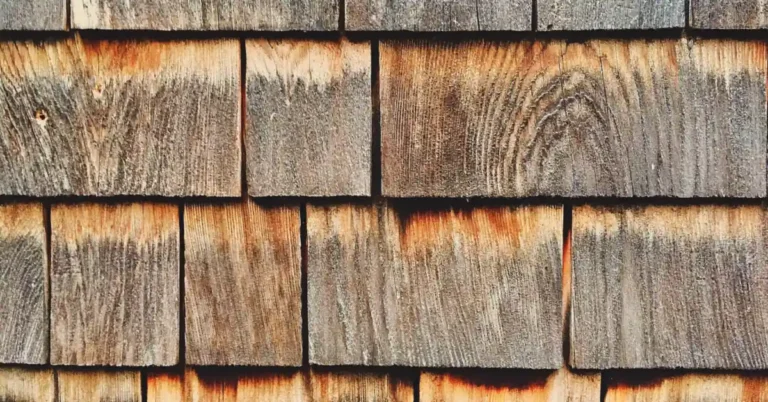
Redwood contains natural extractives that can be useful outdoors or in furniture, but those same compounds can become a problem in a closed cigar chamber. The risk is odor transfer, not structural failure alone.
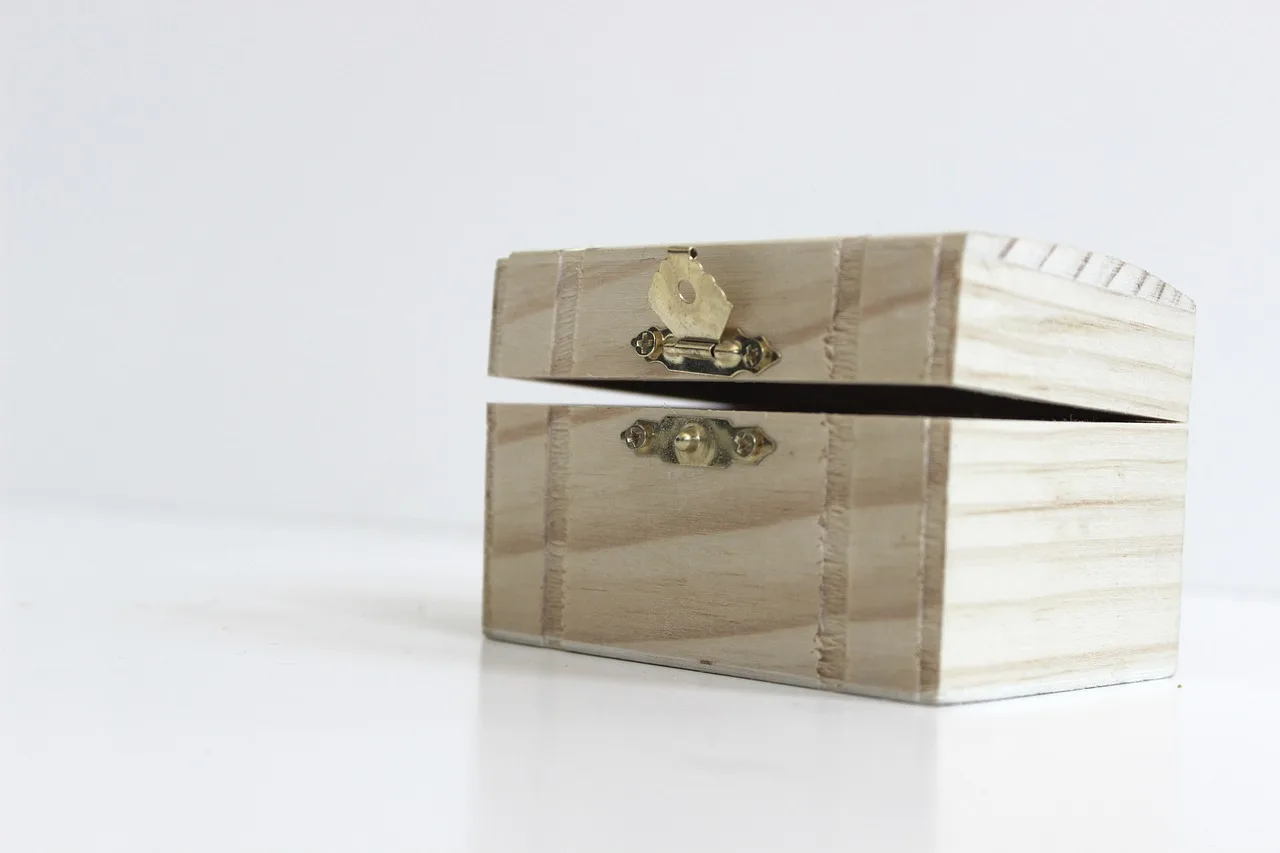
Say your humidor is a small desktop box and the interior walls are lined with fresh Redwood. If the first close-up smell is sharp or medicinal, that smell can sit inside the chamber and move into the cigars.
What to do if a board smells too strong
Do not build with a board that still smells intense after drying and air exposure. Sanding may reduce surface odor, but it will not remove deep extractives that keep bleeding into the chamber.
If the smell is still obvious after the board has rested, the safest move is to reject it for interior use. A borderline board belongs outside the storage space, not next to cigars.
How do humidity buffering and seasoning differ?
For cigar storage, a common target is about 65% to 70% relative humidity, with steady readings mattering more than a single number. Wood can buffer small swings, but a hygrometer tells you whether the chamber is actually living in that range.
Relative humidity targets for cigar storage
Most cigar keepers aim for roughly 65% to 70% RH. A wood lining can help smooth quick changes, but it cannot replace humidification hardware or a checked seal.
Place the hygrometer inside the chamber, not on the outside of the cabinet. If the reading drifts, fix the leak or the humidification setup before blaming the wood.
Seasoning with distilled water only
Seasoning means conditioning the empty humidor before use so the interior wood does not pull moisture too aggressively from the air. The safer approach is to use a humidification source to bring the chamber up gradually rather than wetting the wood directly.
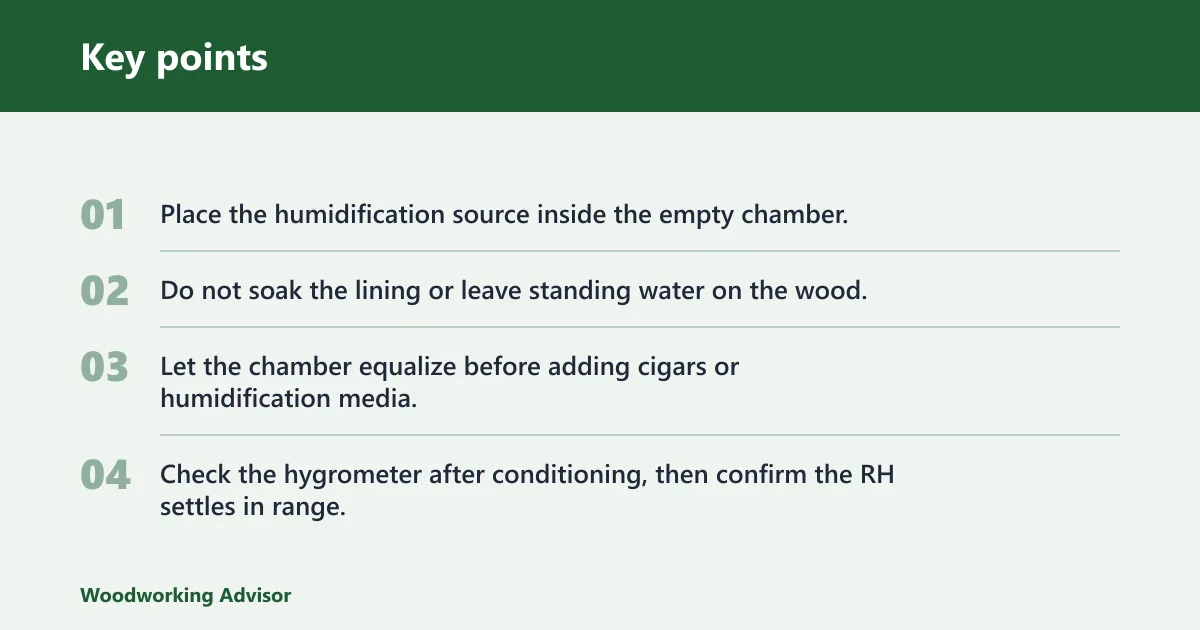
- Place the humidification source inside the empty chamber.
- Do not soak the lining or leave standing water on the wood.
- Let the chamber equalize before adding cigars or humidification media.
- Check the hygrometer after conditioning, then confirm the RH settles in range.
Why over-wetting is a problem
Too much water can swell boards, change clearances, and invite warp in thin stock. That risk is higher in a tightly fitted humidor because even a small movement can change how the lid seats.
Over-wetting also makes troubleshooting harder. If the chamber starts at the wrong moisture level, it becomes difficult to tell whether the problem is the seal, the wood, or the humidifier.
Hygrometer placement and calibration
Use an analog or digital hygrometer, but calibrate it before trusting the reading. A small error can push a humidor outside the safe cigar range while still looking “close enough” on the dial.
Keep the unit away from the humidification element and direct airflow. A bad placement can read too wet or too dry and send you in the wrong direction.
Humidor wood decision matrix
This matrix is built for a builder deciding between Spanish Cedar and Redwood for interior use. It focuses on the factors that matter in a sealed cigar chamber, not on general lumber reputation.
| Factor | Spanish Cedar | Redwood | Practical note |
|---|---|---|---|
| Aroma transfer | Usually cigar-compatible when properly dried | Higher risk of noticeable odor in a closed chamber | Odor screening matters most here |
| Humidity buffering | Good for small swings in lined interiors | Can buffer moisture, but odor remains the larger concern | Buffering does not replace humidification |
| Seasoning needs | Standard seasoning before first use | More careful seasoning plus smell check | Both need distilled water only |
| Stability in thin stock | Well suited to interior panels and shelves | Can be stable, depending on drying and grade | Thin stock still needs careful handling |
| Workability | Easy to cut, fit, and sand | Easy to work, but dents and odor issues still matter | Both machine well |
| Availability | Common humidor material | Less common as humidor-specific stock | Sourcing affects consistency |
| Recommended use case | Main interior lining, trays, dividers | Secondary parts or mixed builds after screening | Spanish Cedar is the safer default |
Choose Spanish Cedar if… / Choose Redwood if…
Choose Spanish Cedar if you want the safer interior choice, if the humidor will store cigars long term, if the chamber is small and odor transfer would be easy to notice, or if you want the least guesswork during seasoning and first use.
Choose Redwood only if the board has been thoroughly screened for odor, shows no obvious extractive issues, and will be used in a build with a tight lid fit and a calibrated hygrometer.
Use the seal and hygrometer to verify performance either way. If the chamber cannot hold roughly 65% to 70% RH steadily, the build needs mechanical correction before the wood choice matters much.


Frequently asked questions
Is Spanish cedar better than redwood for a humidor?
Yes. Spanish cedar is usually the better humidor interior because it is the more proven choice for cigar-safe aroma and a stable first-use experience. Redwood can work in limited cases, but it needs stricter screening for odor and drying quality before it belongs inside the storage chamber.
Can I build a humidor with redwood safely?
You can, but only with careful selection and testing. Redwood is safer as a case material or secondary interior part than as the main lining, and it needs to be low-odor and paired with a tight seal and a calibrated hygrometer.
Does Spanish cedar smell stronger than redwood?
Not always, but Spanish cedar is usually the more familiar humidor scent and the one cigar owners expect. Redwood can smell mild in open air and still become more noticeable in a sealed box, so “stronger” depends on the exact board and whether it has been conditioned.
Will redwood affect cigar flavor in a humidor?
It can. Redwood’s extractives may transfer odor in an enclosed chamber, and that can change the way cigars smell and taste over time. The risk is highest when the wood is used as the main interior lining and has not been screened for odor after drying.
Which wood holds humidity better in a humidor?
Both woods can buffer small humidity swings, but neither one should be treated as the main humidity control system. Spanish cedar gets the nod because it is the more established humidor lining wood, while Redwood’s bigger issue is odor transfer rather than a clear buffering advantage.
Do I need to season Spanish cedar before humidor building?
Yes. Seasoning is still needed so the wood does not pull moisture too fast from the chamber at first use. Use a humidification source, keep the chamber from becoming wet, and let the box stabilize before adding cigars.
Can redwood cause mold or warping in a humidor?
Redwood itself does not automatically cause mold, but over-wetting, poor airflow, and a bad seal can create that problem in any wood. Warping is more likely when thin stock is over-saturated during seasoning or when the chamber swings too far in humidity and temperature.
Sponsored / affiliate links. As an Amazon Associate I earn from qualifying purchases. I may earn additional commission from eligible campaigns.