Redwood vs Cedar: Which Lasts Longer for Fence Boards?
In general, heartwood redwood may last longer for fencing than western red cedar, roughly in the 20–30 year range above ground versus about 15–25, though sapwood, poor installation, or low-grade boards can reduce that advantage. I have seen that happen more than once: a buyer pays extra for redwood, then gets twisty pickets, rotted post bases, or panel repairs far sooner than expected. This guide separates wood biology from the usual fence failure points, then compares grades, posts, finishes, and real upkeep costs.
This guide is part of our Redwood Grade Chart: Clear, B Grade, Construction Common Explained series.
| Factor | Redwood | Cedar: Which Lasts Longer For Fencing | Winner |
|---|---|---|---|
| Above-ground lifespan with heartwood pickets and rails | Usually longer in comparable grades; article gives roughly 20–30 years above ground for heartwood redwood | Close behind in good heartwood grades; article gives about 15–25 years above ground for western red cedar | Redwood |
| Post life in ground contact | Wood posts remain the weak link; a redwood fence with wood posts can fail sooner if the post base fails | Wood posts remain the weak link; cedar can outlast a redwood fence if built on steel or pressure-treated posts while the redwood uses wood posts | Tie |
| Typical material cost | Often higher, especially in better grades | Often lower | Cedar: Which Lasts Longer For Fencing |
| Stain and paint acceptance | More oily; can take more prep for an even finish | Easier to stain and paint | Cedar: Which Lasts Longer For Fencing |
| Wet-coastal performance above ground | Very good, especially in heartwood and vertical grain stock | Very good, often equal in real fence panels | Tie |
| Shear strength for rails, gates, and wind-loaded sections | 7,050 kPa; described as having a modest mechanical edge | 6,800 kPa | Redwood |
| Left-unfinished weathering | Ages to gray-silver; fresh red-brown color darkens first | Ages to gray-silver more quietly | Tie |
| Rot resistance in heartwood | Heartwood generally resists rot better than western red cedar heartwood | Heartwood is durable, but article says redwood heartwood generally resists rot better | Redwood |
| Best-fit use / when it performs best | Pulls ahead when the fence uses mostly heartwood stock, has good drainage at the bottom edge, and gets no finish or a simple transparent oil schedule; also benefits from straighter, tighter grain boards | Stays very close when grade is good, the fence is finished, water is kept off bottoms, joints, and post tops, and the fence dries well after rain, fog, or irrigation | Tie |
| Grade sensitivity | Species alone does not guarantee durability; sapwood-heavy or low-grade redwood can lose its edge fast | A high-heartwood cedar board can outlast a sapwood-heavy redwood board | Cedar: Which Lasts Longer For Fencing |
| Maintenance / upkeep emphasis | Needs attention to failure points such as post bases, rail joints, bottom edges, fastener lines, and uncapped post tops; species matters less there than detailing | Needs the same attention to post bases, joints, splashback areas, and post tops; article says detailing and keeping water off key areas are critical | Tie |
What this table shows


The species name by itself does not predict fence life. The real split is heartwood versus sapwood, above-ground boards versus in-ground posts, and dry yards versus wet ones.
Redwood has a real edge in strength and often in lifespan when the boards are mostly heartwood. Western red cedar stays close when the grade is good, the fence is finished, and water is kept off the bottoms, joints, and post tops.
What the table does not show
It does not assume every board sold as redwood is durable heartwood. It also does not assume cedar comes in one uniform grade. I have opened cheap bundles with so much sapwood that years of service were already gone, no matter what the invoice said.
Species identity matters, but so does how each is sold
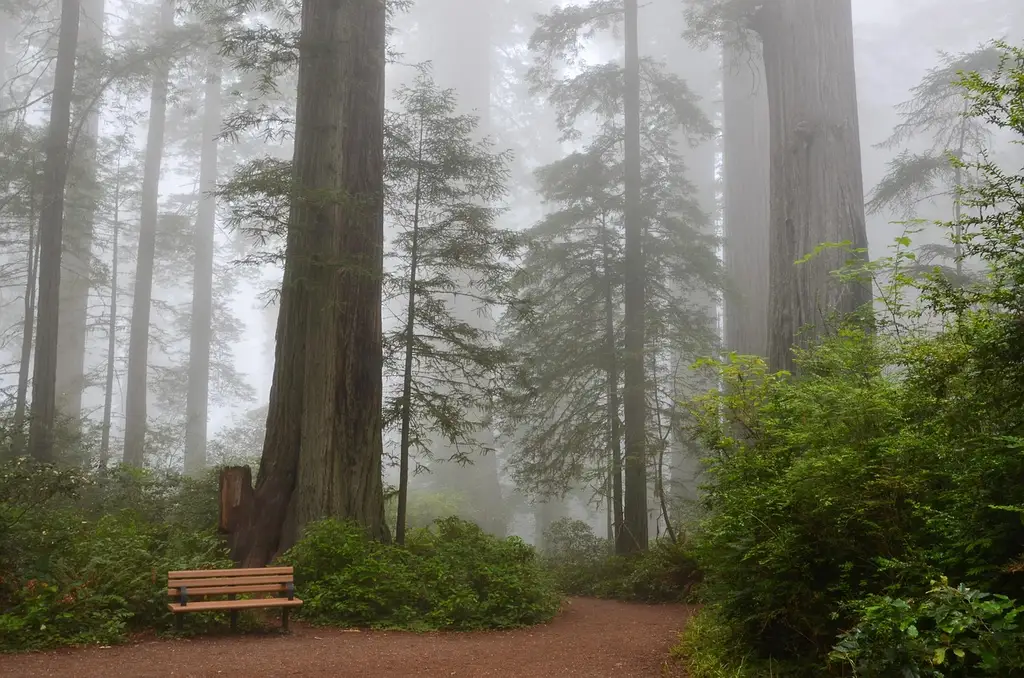
Coast redwood is Sequoia sempervirens, a long-lived conifer that can reach about 2,000 years of age. Before logging, coast redwood covered an estimated 810,000 hectares along coastal California and southwest Oregon. Its bark can be very thick, up to 35 cm, and freshly exposed bark is bright red-brown and weathers darker. (en.wikipedia.org)
Western red cedar is the common cedar used for fencing in North America. In fence yards, both species are sold by grade first and species second: clear, better-heart, construction, or common. Buyers often miss that, and it changes the outcome more than they expect.
📊 Before logging, coast redwood covered an estimated 810,000 hectares along coastal California and southwest Oregon. Source: Sequoia sempervirens.
Which lasts longer, redwood or cedar fencing?
Redwood usually lasts longer above ground when the fence uses durable heartwood pickets and rails, but the gap is smaller than many sales pitches make it sound. In real yards, western red cedar can match redwood when grades are comparable, posts stay dry, and sprinklers do not keep the lower fence wet.
Expected service life for pickets, rails, and posts
The headline range, 20–30 years for heartwood redwood above ground and 15–25 for western red cedar, fits boards and rails in decent conditions. Posts are another story. On many fences, the first major failure starts at the post base, not in the pickets.
That is why a redwood fence with wood posts can die sooner than a cedar fence built on steel or pressure-treated posts. If the post fails, the panel fails, even when the pickets still have years left in them.
When redwood outlasts cedar
Redwood pulls ahead when three things line up: mostly heartwood stock, good drainage at the bottom edge, and either no finish or a simple transparent oil schedule. It also helps when rails and pickets are cut from straighter, tighter grain boards.
Redwood National and State Parks notes that a fallen redwood can remain on the forest floor for centuries. That does not mean fence boards last for centuries, but it does point to the wood’s natural decay resistance, especially in heartwood.
When western red cedar keeps pace
Western red cedar stays very close in above-ground service when the fence is well detailed. In wet coastal or shaded yards, I find the deciding factor is usually how fast the fence dries after rain, fog, or irrigation, not the small biological gap between the species.
Summer fog is frequent in redwood forests, according to the parks. That matters because both woods tolerate damp air better than many softwoods, yet neither likes constant wetting at the same bottom inch of the fence.
Why grade can outweigh species
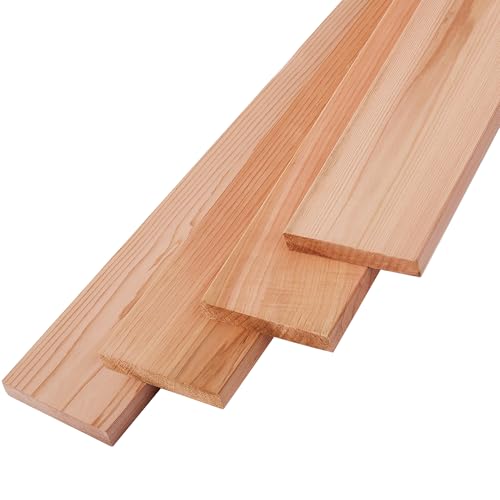
A high-heartwood cedar board often outlasts a sapwood-heavy redwood board. Clear grades usually move less and have fewer weak grain breaks, but they cost more. Construction and common grades can work well for fencing, though buyers need to check for wide sapwood bands, pith, loose knots, and flat-sawn pieces that like to cup.
Does redwood resist rot better than cedar?
Redwood heartwood generally resists rot better than western red cedar heartwood, but people use that answer too loosely. Sapwood in both species is much less decay resistant, so a sapwood-heavy “redwood” fence can lose its edge fast. Above ground, species matters; at posts and wet joints, detailing matters more.
Heartwood versus sapwood: the split buyers miss
Heartwood is the older inner wood. Sapwood is the younger outer band that once moved water in the tree. For fence life, that difference is often bigger than the label “redwood” or “cedar.”
Heartwood from both species is what you want for long service. Sapwood is where many short-lived fences hide their future repairs. On pickets, that often shows up as early softening or discoloration near the bottom edge. On rails, it usually starts around checks and fasteners.
Ground contact versus above-ground exposure
Neither species should be treated as a magic in-ground post material. Once buried, wood faces constant moisture, less drying, soil organisms, and trapped debris. A concrete collar can help with stability, but it can also trap water at the post shoulder if the top of the footing is flat.
For long post life, steel or pressure-treated posts usually beat wood posts in many yards. If wood posts are used, keep soil grade below rail joints, slope concrete away, and cap the post top so water does not sit in end grain.
Where decay usually starts on a fence
- Post base at grade: the classic failure point, especially where mulch or irrigation keeps the soil line wet.
- Rail-to-post joints: end grain and trapped water create a slow rot pocket.
- Bottom edge of pickets: splashback, wet soil, and leaf litter keep this area damp.
- Fastener lines: repeated wetting around nails or screws can stain wood and open small checks.
- Uncapped post tops: open end grain drinks water, then splits as it dries.
How do moisture cycling, warp, and strength affect fence life?
Wet-dry cycling often decides whether a fence stays flat and tight or twists itself into early repair. Redwood has a small strength edge, while both species can move a lot if boards are flat-sawn, wet when installed, or baked in full sun after repeated soaking from rain or sprinklers.
Moisture cycling in coastal, shaded, and inland yards
Coastal fog, shaded side yards, and tree cover slow drying. Full-sun inland sites do the opposite. The worst case is not steady moisture by itself. It is repeated wetting followed by hard drying, because that cycle drives checks, cupping, and joint movement.
In yards where sprinklers hit the fence every morning, I often see the bottom third age twice as hard as the top, with dark staining, soft edges, and loose fasteners showing up early. That is why species comparisons done in clean, dry above-ground conditions often miss what happens in a real backyard.
Warp and cup risk in pickets and rails
Vertical grain boards usually stay flatter than flat-sawn boards. That matters more on wide pickets and rails than on narrow trim pieces. Rails cut from flatter grain often cup, hold water on the upper face, and then start decay near fasteners.
For pickets, slight cup is mostly an appearance issue until it opens gaps or twists the fastener line. For rails, movement is structural. A rail that cups and checks tends to stay wet longer and loads the fasteners harder in wind.
Shear strength and wind loading
Parallel-to-grain shear matters in rails, gate frames, and loaded joints. Fence Frenzy lists shear tolerance for redwood at 7,050 kPa and western red cedar at 6,800 kPa. The same source says redwood is 3.55% more tolerant to shear force than western red cedar.
That does not make cedar weak. It does mean redwood has a modest mechanical edge where rails span between posts, where gate hardware loads a stile, or where wind pushes hard on solid-board sections. In calm sites, grade and joinery often matter more than that numeric gap.
How do redwood and cedar handle stain, paint, and weathering?
Western red cedar is easier to stain and paint, while redwood is often chosen for a more natural, left-unfinished look. Both woods turn gray over time outdoors, and gray weathering is not the same as rot. Maintenance schedules change appearance first, then service life second.
Which wood accepts stain more easily
Fence Frenzy says western red cedar is easier to stain and paint than redwood. The same source says redwood is more oily than cedar. In practice, I usually find cedar takes film and penetrating finishes with fewer surprises, especially when the boards vary in density.
For either species, the prep still matters: dry boards, clean surfaces, and coating all faces when practical. End grain and cut tops deserve special attention because they take water faster than face grain.
What happens if left unfinished
Fence Frenzy says both woods naturally lighten to a grayish-silver over time. Fresh redwood bark is bright red-brown and weathers darker, and unfinished fence boards follow a similar visual shift before settling into silver-gray.
That weathering is mostly a surface color change. Rot is a moisture-and-fungi problem. A gray fence can still be sound, and a brown-stained fence can still be failing at the bottoms or posts.
Maintenance over a 5–15 year window
Left natural, both woods should be expected to change color in the first few years. Owners who like the gray look can keep maintenance light and focus on cleaning debris, trimming plants back, and watching the wet zones.
A clear penetrating oil or semitransparent stain usually buys extra time by slowing water uptake and sun checking, especially on south- and west-facing runs that bake all afternoon.
Paint usually asks for the most prep and the most repair once it starts peeling, though it can block water well when maintained. The tradeoff is simple. Less finish work means easier upkeep but a more weathered look. More finish work can slow checking and water entry, yet it often turns into scraping and spot repairs by year ten.
What does redwood vs cedar cost for fencing?
Western red cedar is often cheaper than redwood for fencing, but region and grade can flip that. In my local quotes, the spread is rarely about species alone. Cost per board foot changes with local supply, heartwood content, board width, and whether the yard stocks premium redwood or only mixed-grade bundles with a lot of sapwood.
Cost per board foot and regional supply
Redwood supply is tied closely to the West Coast, especially coastal California and southwest Oregon, which is its native range. In redwood country, the price gap can shrink. Farther away, freight, slower turnover, and fewer heartwood-heavy bundles on the rack often widen it.
Western red cedar is widely distributed and often easier to source in fence grades. In many markets, that makes cedar the less expensive choice per board foot, especially for standard pickets and rails.
How grade changes value
Price is a deciding factor, but I would price the usable wood, not the sticker. A lower initial bill can turn into early panel replacement if the bundle is heavy in sapwood, juvenile wood, or badly warped pieces. Better heartwood content often costs more upfront, then buys years back.
Clear grades bring appearance gains and usually steadier movement, but many homeowners do not need them for a backyard privacy fence. A solid construction grade with strong heartwood content can be the better value than either a premium clear fence or a bargain sapwood-heavy package.
When paying more for redwood makes sense
Pay more for redwood when the goal is long above-ground life with a natural finish, when local supply makes heartwood grades available, and when fence sections will see wind or gate loading. Skip the upcharge if the posts will still be untreated wood in wet soil. In that case, the post system will cap the fence life first.
Fence-life decision matrix: which wood wins in your yard?
Redwood wins some conditions cleanly, cedar wins others, and a few are really post-and-detailing questions. The matrix below scores each wood where fences actually fail: wet feet, fog, sun, irrigation, finish plans, and budget. It is meant to guide the purchase, not flatter either species.
| Yard condition | Redwood score | Western red cedar score | Recommended pick | Why |
|---|---|---|---|---|
| Ground contact | 2/5 | 2/5 | Tie; use treated or steel posts | Both species lose ground fast once buried and kept wet. |
| Coastal fog | 4/5 | 4/5 | Tie | Both handle damp air well above ground if they can dry between wet periods. |
| Full sun | 4/5 | 3/5 | Redwood | Redwood’s typical lifespan edge shows better in dry, above-ground exposure. |
| Sprinkler exposure | 2/5 | 2/5 | Tie; fix irrigation first | Repeated wetting at the bottom edge overwhelms species differences. |
| Stain or paint preference | 3/5 | 5/5 | Western red cedar | Cedar is easier to stain and paint. |
| Budget | 2/5 | 4/5 | Western red cedar | Cedar is often less expensive in many markets. |
How to use the matrix
If your yard scores high on wetting risks, do not buy by species alone. Buy by post system, heartwood content, board cut, and bottom clearance above soil or mulch.
If your yard is dry and sunny, the redwood premium can make sense. If your yard is painted, shaded, and budget-sensitive, western red cedar often gives the better price-to-life result.
Choose redwood if… / Choose western red cedar if…
Choose redwood if…
- You can buy heartwood-heavy boards and rails, not sapwood-heavy economy bundles.
- You want the longest likely above-ground life from natural wood pickets and rails.
- You prefer a left-natural fence that will weather to gray without chasing a paint cycle.
- Your fence has wind-loaded runs, gates, or long rails where the small strength edge helps.
Choose western red cedar if…
- You want a wood that is easier to stain or paint.
- Your local market prices cedar meaningfully lower than comparable redwood grades.
- You can buy good heartwood cedar and install it with dry details, good clearance, and sane irrigation.
- You want strong outdoor durability without paying a redwood premium that your site conditions may erase.
Choose treated or steel posts if you want the longest post life
This is the most useful decision in the whole comparison. Redwood and cedar are usually compared as if pickets decide fence life. In many yards, they do not. Posts do. Use the species debate for rails and pickets, then solve post life with better materials and drainage details.
Frequently asked questions
Is redwood or cedar better for a fence?
Redwood is better when the fence uses durable heartwood boards, stays above ground, and is likely to be left natural. Western red cedar is better when finish friendliness, lower cost, and good outdoor service matter more. In wet yards, post design and irrigation control often matter more than either species.
Which lasts longer, redwood or cedar fencing?
Heartwood redwood usually lasts longer above ground, but only by a modest margin in comparable grades. If redwood includes a lot of sapwood, or if the posts are buried badly, cedar can match it or outlast it in practice. Fence life follows grade, moisture, and detailing first.
Does redwood resist rot better than cedar?
Redwood heartwood generally has the edge over western red cedar heartwood for rot resistance. That edge disappears fast when buyers end up with sapwood-heavy boards or wet post bases. The place to focus is where moisture sits: post shoulders, rail joints, picket bottoms, and fastener lines.
Is western red cedar cheaper than redwood for fencing?
Often, yes. Western red cedar is commonly less expensive in many markets, especially in standard fence grades. Regional supply can narrow the gap, and premium cedar can sometimes price close to lower-grade redwood. Compare heartwood content and grade, not species names alone, before calling one the value pick.
Which is easier to stain, redwood or cedar?
Western red cedar is easier to stain and paint. Redwood is more oily, which can make finish behavior less even unless prep is careful and the boards are dry. For owners planning a stained or painted fence from day one, cedar usually offers the easier finishing path.
Do redwood and cedar fences both turn gray over time?
Yes. Both woods naturally weather to a grayish-silver outdoors. That color shift is surface weathering, not automatic decay. A gray fence can remain sound for years, while a stained fence can still fail at posts, rail ends, or sprinkler-soaked picket bottoms if water control is poor.
Which wood is better for wet or coastal climates?
For above-ground fence boards in coastal air and fog, both species perform well when the design lets them dry. Along the coast, I worry less about salty air than about fences that stay shaded, boxed in by plants, or splashed daily by irrigation, because those conditions keep the same lower inches wet for too long. Neither species likes ground contact or constant sprinkler wetting. In wet sites, choose better posts, keep debris off the bottom edge, use heartwood stock, and cap places where water can sit.
Sponsored / affiliate links. As an Amazon Associate I earn from qualifying purchases. I may earn additional commission from eligible campaigns.