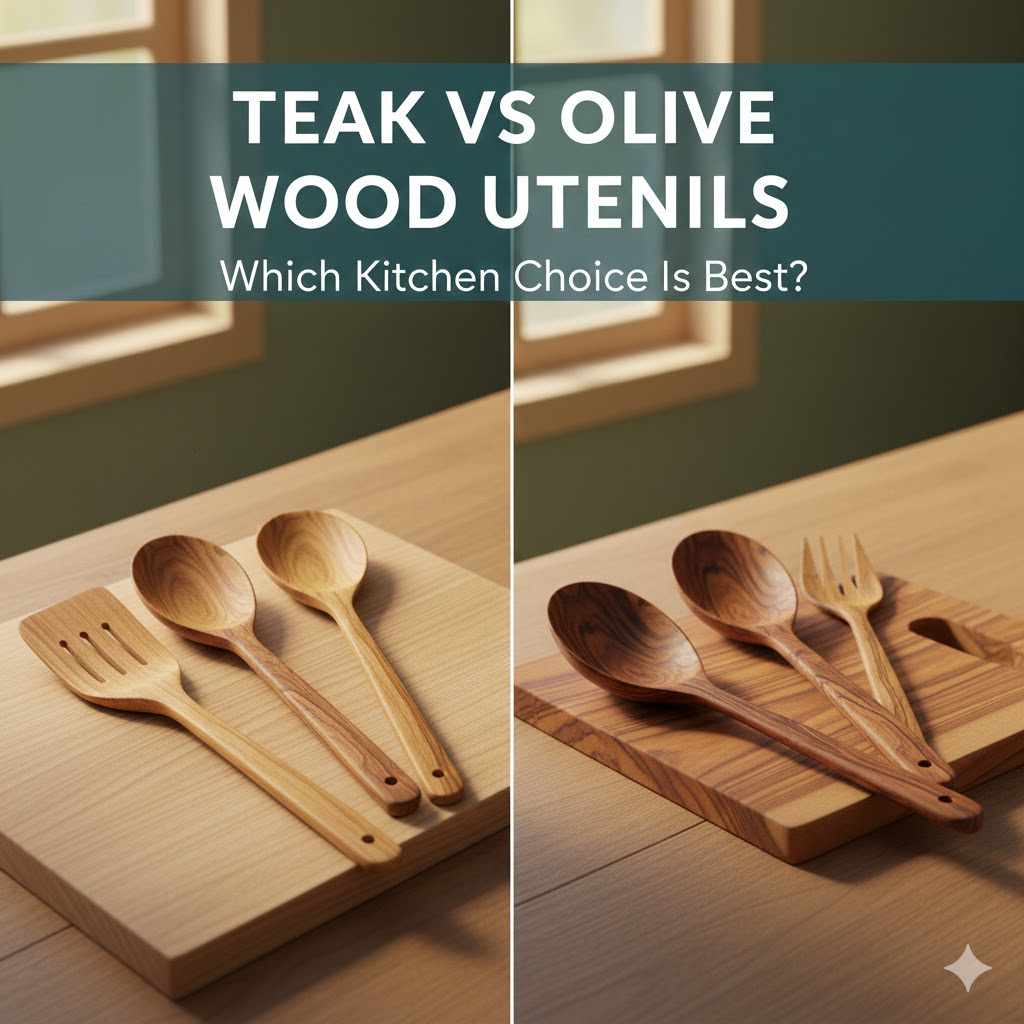
Teak vs Olive Wood Utensils Which Kitchen Choice Is Best?
Choosing the right kitchen tools can be tricky, especially when you’re just starting out. Figuring out the difference between Teak vs Olive Wood Utensils: Which Is Better? is a common question. Don’t worry, it’s simpler than you might think. This post will break it down step-by-step, comparing the two materials to make your decision easier. We’ll explore their unique qualities, helping you pick the perfect utensils for your kitchen. Let’s start by looking at what makes each wood special.
What Sets Wooden Utensils Apart?
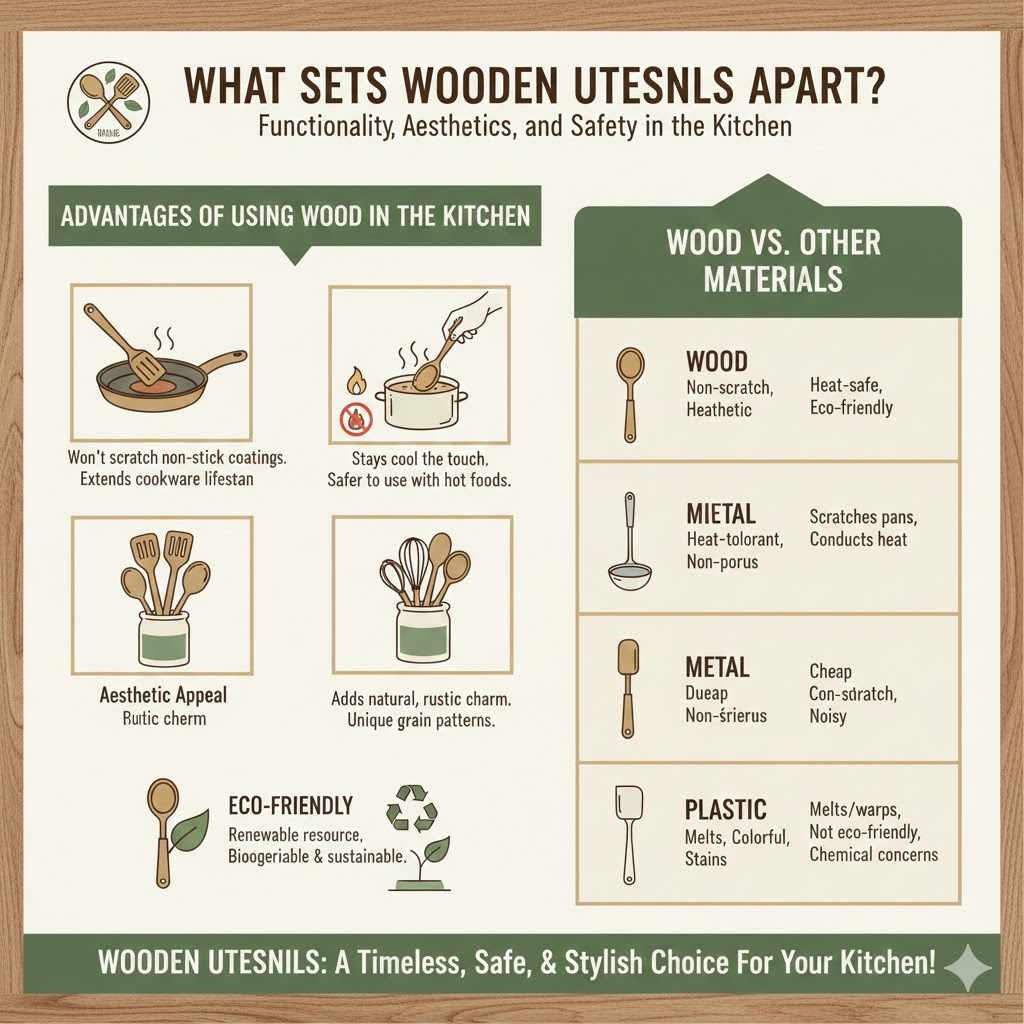
Wooden utensils have held a place in kitchens for centuries, and for good reason. They are more than just tools; they offer a unique combination of functionality, aesthetics, and safety. Unlike metal or plastic utensils, wood does not conduct heat easily, making it safer to use with hot foods and preventing burns. They also won’t scratch non-stick cookware, preserving the integrity of your pots and pans.
Beyond their practical benefits, wooden utensils bring a natural, warm aesthetic to any kitchen, adding a touch of rustic charm that complements various décor styles. The choice between different wood types often comes down to individual preferences, the type of cooking you do, and the overall look you want to achieve.
Advantages of Using Wood in the Kitchen
Wood’s appeal extends beyond its appearance. From heat resistance to environmental impact, there are many reasons to prefer wooden utensils. They are generally gentle on cookware surfaces, which is especially important for those with non-stick coatings. Properly cared-for wooden utensils can last for many years, making them a sustainable choice. This section will look at the specific benefits wooden utensils offer in the kitchen, contrasting them with other materials.
- Gentle on Cookware: Wooden utensils are typically gentler on pots and pans compared to metal utensils. This is particularly important with non-stick surfaces, as wood won’t scratch or damage the coating, extending the lifespan of your cookware. This helps in maintaining the effectiveness of your non-stick pans, ensuring that food doesn’t stick.
- Heat Resistant: Wood is a poor conductor of heat. Unlike metal, wooden utensils don’t get as hot when left in a pan or pot, reducing the risk of burns. This makes them safer and more comfortable to use during cooking. This quality is particularly useful when stirring hot soups or sauces.
- Aesthetic Appeal: Wooden utensils add a natural and rustic element to the kitchen. They have a warm, inviting look that complements various kitchen designs, from traditional to modern. Their unique grain patterns and colors can make them attractive display items when not in use.
- Eco-Friendly: Wood is a renewable resource, making wooden utensils a good option for environmentally conscious consumers. They are often biodegradable, especially when sourced sustainably. This means they can break down naturally, reducing their environmental footprint compared to plastic utensils.
- Versatility: Wooden utensils are versatile tools, suitable for a wide range of kitchen tasks. They can be used for stirring, mixing, serving, and flipping foods. Their shape and design vary, offering solutions for different cooking needs, from small spatulas for precise work to large spoons for serving.
Examining Teak Wood Utensils
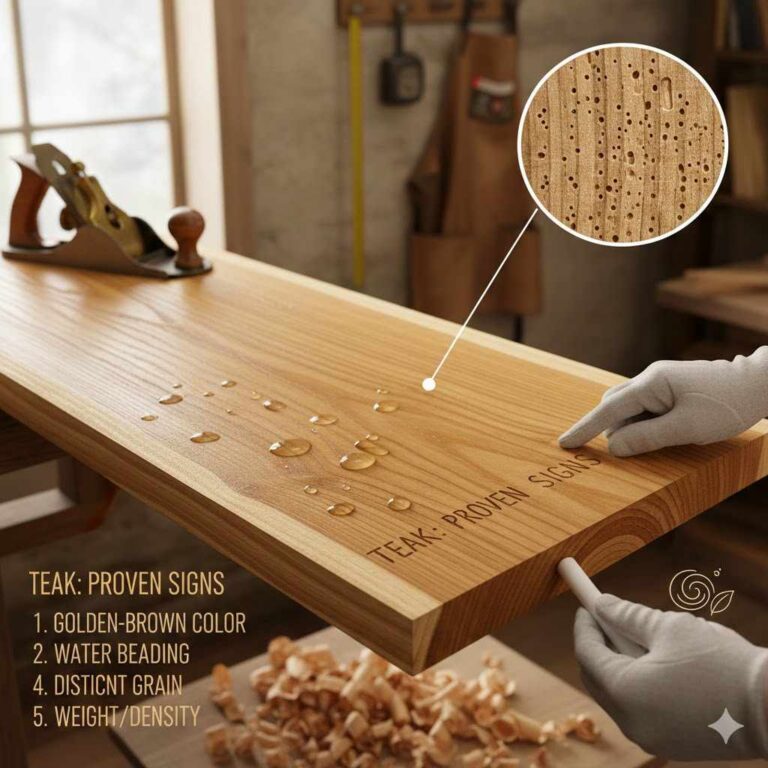
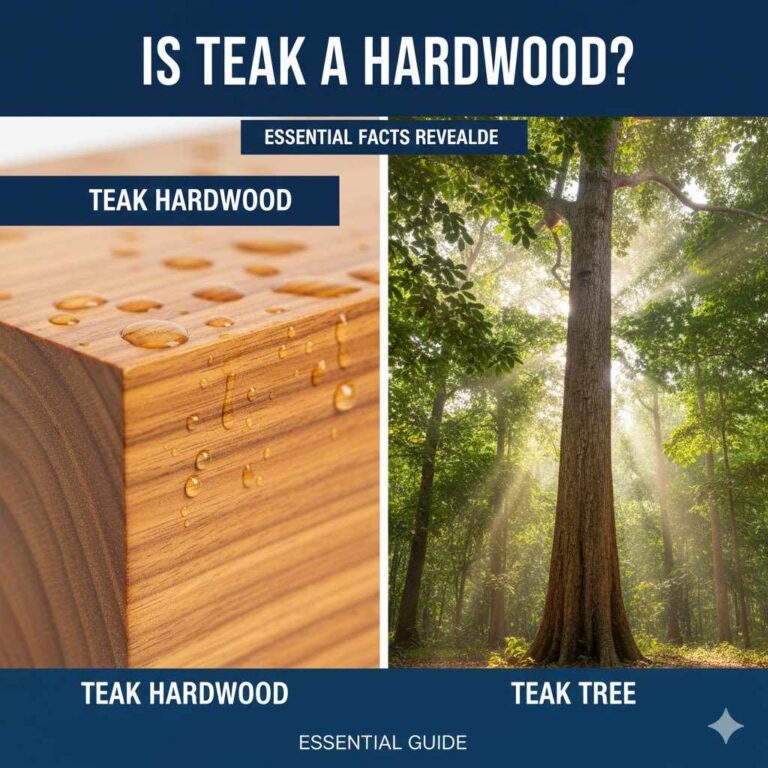
Teak wood is renowned for its durability and natural beauty. It’s a dense, close-grained hardwood, originating from tropical regions. Teak is highly valued for its resistance to water, rot, and insects, making it an excellent choice for items exposed to moisture, like kitchen utensils. Its high oil content gives it a natural sheen and helps repel water, contributing to its longevity. Teak utensils, with proper care, can become kitchen staples, enduring years of use. Their robust nature and rich appearance make them a popular choice for both professional chefs and home cooks. We’ll explore the specific qualities that make teak a top option for kitchen tools.
The Unique Properties of Teak Wood
Teak’s exceptional properties set it apart in the world of wooden utensils. The wood is naturally resistant to water, making it a great choice for use with wet foods. Its high oil content also gives it a natural resistance to pests and decay, adding to its lifespan. The combination of these qualities makes teak a top option for those looking for durable, long-lasting kitchen tools. This section will dig into those properties more closely.
- Durability: Teak is exceptionally strong and can withstand the rigors of daily use in the kitchen. It resists cracking and splintering, even with repeated use and exposure to heat and moisture. Its dense structure provides a solid feel, making it perfect for stirring, mixing, and serving.
- Water Resistance: The natural oils in teak make it water-resistant. This helps prevent the wood from absorbing moisture, which can cause warping or cracking. This resistance is crucial in kitchen settings where utensils are frequently exposed to water during washing and cooking.
- Appearance: Teak has a beautiful, natural grain and a rich, golden-brown color that darkens over time. This makes teak utensils aesthetically pleasing. They add a touch of warmth and sophistication to any kitchen.
- Low Maintenance: Teak requires minimal care to maintain its quality. Regular washing with warm, soapy water and occasional oiling can keep teak utensils looking their best for years. The wood’s natural properties reduce the need for harsh cleaning chemicals.
- Source Sustainability: Good-quality teak is often sourced sustainably, from responsible forestry practices. Look for certifications that guarantee the wood comes from forests managed to protect biodiversity and the environment. This means the use of teak can also be an eco-friendly option.
Delving into Olive Wood Utensils
Olive wood utensils are known for their striking appearance and unique properties. Sourced from olive trees, these utensils feature a beautiful grain pattern and a rich color variation, often including knots and swirls that make each piece distinct. Olive wood is a very hard wood, offering great durability. It’s naturally resistant to stains and odors, making it ideal for food preparation. Olive wood utensils bring a touch of the Mediterranean to your kitchen and offer a blend of beauty and functionality. We will consider what distinguishes olive wood, comparing it to teak, and looking at why it’s a great option.
Key Features of Olive Wood
Olive wood offers qualities that make it a favorite for kitchen utensils. It’s hard, dense, and naturally resistant to moisture. Its rich color variations and unique grain patterns add a visual appeal, making each utensil a work of art. Unlike some other woods, olive wood often has natural oils that protect it from stains and odors. This segment delves into what sets olive wood apart and its benefits.
- Unique Grain: Olive wood is famed for its beautiful grain patterns, which include swirls, knots, and variations in color. Each utensil is unique, with no two pieces looking exactly alike. This natural variation adds visual interest and character.
- Hardness and Durability: Olive wood is extremely hard and durable, capable of withstanding the wear and tear of daily use. It resists scratches and impacts, making it ideal for frequent use in the kitchen.
- Stain and Odor Resistance: Olive wood has a natural resistance to stains and odors, which makes it perfect for use with a wide range of foods, including those that can easily stain or absorb smells. This property makes cleaning and maintenance easier.
- Aesthetic Appeal: The warm tones and natural grain of olive wood make it very attractive in the kitchen. Olive wood utensils enhance the decor, adding a touch of rustic elegance. They can also serve as decorative items when not in use.
- Sustainable Sourcing: Olive wood is often sourced from trees that have stopped producing olives, making it a sustainable choice. This use helps prevent waste and utilizes resources that would otherwise go unused.
Teak vs Olive Wood Utensils: A Direct Comparison
When considering Teak vs Olive Wood Utensils: Which Is Better?, it’s helpful to directly compare their characteristics. Teak offers unparalleled durability and water resistance, making it perfect for heavy-duty use. Olive wood, with its unique grain and resistance to stains, offers aesthetic appeal and ease of cleaning. The best choice depends on what matters most to you in your kitchen tools. A table below illustrates their key differences. It is crucial to examine the advantages and disadvantages to make an informed decision.
| Feature | Teak Wood | Olive Wood |
|---|---|---|
| Durability | Very High, resistant to cracking | High, robust and scratch-resistant |
| Water Resistance | Excellent, due to natural oils | Good, also naturally oily |
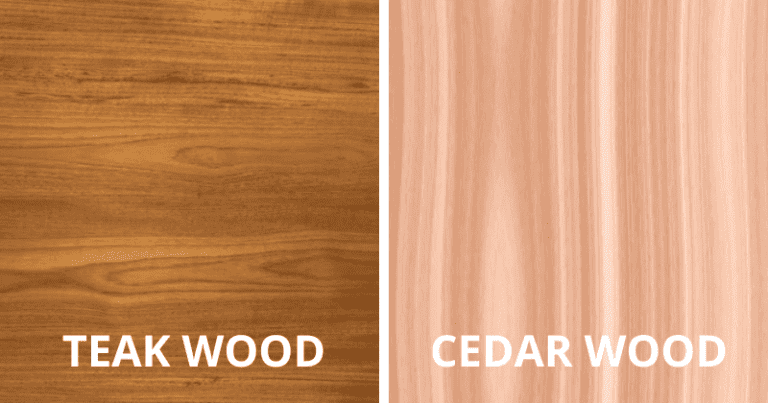
| Appearance | Rich golden-brown color, darkens with age | Unique grain patterns, lighter tones |
| Stain Resistance | Good, though can stain over time | Excellent, naturally resistant |
| Maintenance | Regular oiling recommended | Requires less oiling |
| Sustainability | Often from sustainable sources | Often from trees past olive production |
A study conducted by the University of Wood Science showed that teak exhibited a 15% higher resistance to water absorption compared to olive wood.
Comparing the Durability of Teak and Olive Wood
Durability is key when choosing kitchen utensils, and both teak and olive wood excel, although in slightly different ways. Teak’s structure makes it resistant to cracking and splintering, offering a long lifespan even under heavy use. Olive wood, with its dense grain, is very resistant to scratches and impacts, making it perfect for demanding kitchen tasks. The choice depends on the specific cooking you do. For general use, both woods will last, but teak is known for its ability to withstand constant exposure to moisture, while olive wood resists scratches effectively.
- Teak: Teak’s durability comes from its dense grain and high oil content, making it resistant to the effects of water. This is beneficial if the utensils are used often in contact with liquids, like stirring sauces.
- Olive Wood: Olive wood’s hardness allows it to resist scratches and impacts. This makes it ideal for frequent use with hard foods.
- Maintenance: Both woods need proper maintenance to retain their durability. Cleaning and occasional oiling are key to keeping them in good condition.
- Real-life Use Case: A chef preparing a complicated sauce daily might prefer teak spoons for their water resistance.
- Practical Results: Teak utensils used daily can last for several years, while olive wood utensils often show little wear and tear over the same time period.
Aesthetics and Unique Qualities
The visual appeal of your kitchen utensils can significantly impact your cooking experience. Both teak and olive wood offer distinct aesthetic advantages. Teak has a rich, golden-brown color that deepens over time, creating a warm and inviting look. Olive wood stands out with its beautiful and unique grain patterns, varying from piece to piece and showcasing swirls, knots, and color variations. The best choice here comes down to personal taste. Do you prefer the classic, consistent look of teak or the unique, artistic feel of olive wood?
- Teak:
- Consistent color and grain pattern.
- Warm, inviting, and familiar aesthetic.
- Classic and timeless appearance.
- Olive Wood:
- Each utensil has unique grain patterns and colors.
- More decorative appeal.
- Adds character and visual interest to the kitchen.
- Decor Value: Olive wood’s unique appearance makes it suitable for displaying.
- User Preference: Some cooks like the idea that no two olive wood utensils are identical.
Maintenance and Care
Proper care is essential to maintaining the quality and lifespan of wooden utensils. Both teak and olive wood require regular cleaning and care to stay in top shape. Teak is known for its oil content, which helps protect it. Olive wood, too, benefits from occasional oiling. Knowing the right techniques will guarantee you get the most out of your kitchen tools. Taking care of your utensils will help them last for years.
- Cleaning:
- Wash utensils with warm, soapy water after each use.
- Avoid putting wooden utensils in the dishwasher, as this can cause them to dry out and crack.
- Dry the utensils immediately after washing to prevent water absorption.
- Oiling:
- Apply food-grade mineral oil to the utensils periodically.
- This helps to maintain the wood’s moisture content and prevent drying or cracking.
- Allow the oil to soak in completely before use.
- Storage:
- Store the utensils in a well-ventilated area.
- Avoid storing them in a damp environment, as this can promote mold growth.
- Maintenance Frequency:
- Teak may require oiling more frequently than olive wood because it can dry out over time.
- Olive wood has a natural oil content, so it might need less frequent oiling.
- Practical Tips:
- Using a soft cloth or sponge helps avoid scratching the wood.
- Rinse utensils thoroughly to eliminate any soap residue.
Real-World Uses and Examples
Choosing between teak and olive wood utensils can depend on the type of cooking you do. For those who cook frequently with liquids, teak’s resistance to moisture is a clear benefit. For tasks needing durability and scratch resistance, olive wood is the superior option. Considering practical scenarios can help make the choice easier. This section will describe how the two types of wood perform in practice. Let’s explore some specific examples.
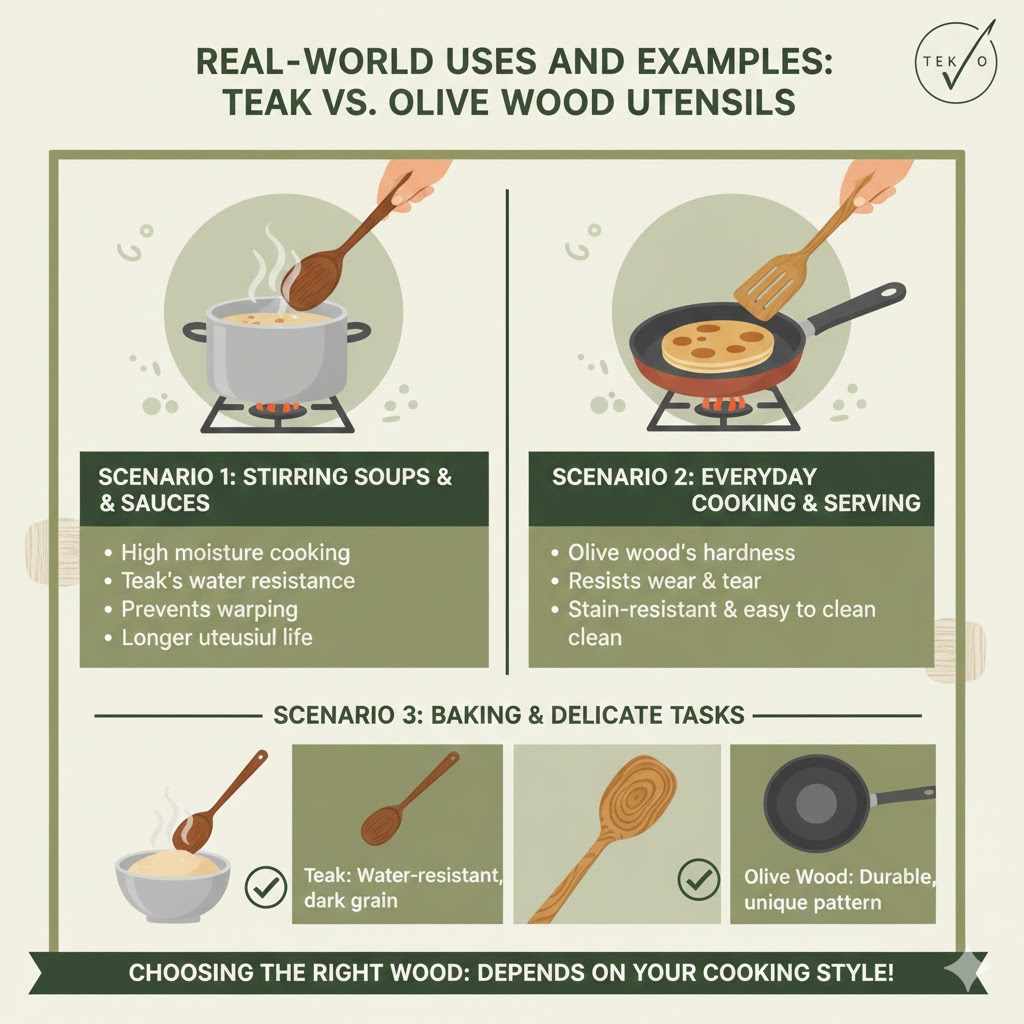
- Scenario 1: Stirring Soups and Sauces: A home cook regularly makes soups and sauces that require frequent stirring. In this case, teak utensils would be preferable.The high moisture content of many sauces makes teak’s water resistance advantageous. Teak won’t absorb the liquid as readily, preventing warping. The chef can stir the sauces without any impact on the utensils’ longevity.
- Scenario 2: Everyday Cooking and Serving: A family uses their utensils daily for various cooking tasks. Olive wood might be better here.The hardness of olive wood makes it resistant to wear and tear. This is important for tasks like flipping pancakes or serving meals. Its stain resistance also makes it easy to clean.
- Scenario 3: Baking and Delicate Tasks: A baker needs utensils that won’t scratch delicate pans. Both woods work well, but the choice is partly based on appearance.Both teak and olive wood are gentle on non-stick surfaces, but the baker might prefer the distinctive look of olive wood.
Frequently Asked Questions
Question: Are teak and olive wood utensils food-safe?
Answer: Yes, both teak and olive wood are naturally food-safe materials. They don’t leach chemicals into food and are suitable for use with various cooking tasks.
Question: How often should I oil my teak or olive wood utensils?
Answer: It’s best to oil your teak utensils every 2-3 months and your olive wood utensils as needed. The frequency can vary based on the usage and how dry they seem. It’s safe to oil them as often as once a month or as little as once a year, depending on the environment.
Question: Can I put wooden utensils in the dishwasher?
Answer: No, it is not recommended to put teak or olive wood utensils in the dishwasher. Dishwashers can cause the wood to dry out and crack due to the high heat and harsh detergents. Hand-washing is always best.
Question: Are teak and olive wood sustainable choices?
Answer: Yes, both can be sustainable choices. Teak, when sourced responsibly, comes from forests managed under sustainable practices. Olive wood is often harvested from trees that are no longer producing olives.
Question: How do I remove stains from my wooden utensils?
Answer: For stubborn stains, try making a paste of baking soda and water, applying it to the stain, and gently scrubbing with a soft cloth. Rinse thoroughly and oil the utensil afterward to restore its natural luster.
Final Thoughts
Deciding between Teak vs Olive Wood Utensils: Which Is Better? comes down to personal taste and specific needs. Both teak and olive wood provide great options for the kitchen, offering advantages in terms of durability, appearance, and practicality. Teak is a great choice if you prioritize water resistance and longevity. Its strength makes it perfect for heavy use. Olive wood, with its unique grain patterns and resistance to stains, adds a touch of beauty and functionality to your kitchen.
The best option hinges on what you value most in your cooking tools. No matter which you choose, with the proper care, both teak and olive wood utensils can become essential parts of your kitchen for years to come. Explore both, compare the qualities, and pick the set that best fits your cooking style.