Vintage Scroll Saw Value Guide (ID Tips + Blade Compatibility)
A vintage scroll saw is any scroll or jig saw built before about 1970 — Delta, Craftsman, and Rival are the most collected, but value depends on condition, not age. Buy the wrong one and it’s frustrating fast: most pre-1970 machines take pinned blades, while nearly every blade sold today is pinless. This guide covers spotting a valuable model, typical prices by brand, and fitting modern blades to an old saw.
Quick Answer
Vintage scroll saws from Craftsman typically sell for $50–$300; Delta models run $150–$500 (restored large floor models $1,000+); a rare Rival (Seneca Falls Mfg. Co.) can reach $1,200–$1,500. Before buying, check whether it takes pinned or pinless blades — most machines built before 1970 need pinned blades, which are harder to find new today.
The Allure Of Vintage Scroll Saws
Best Vintage Saw Blade Adapter Pick
Universal Pin-Less Adapter Conversion Kit (2-Pack)
Metal upper/lower blade clamp holders that let a pinned vintage saw accept common pinless blades.
- Best for: Retrofitting a pre-1980s pinned-blade scroll saw to accept common pinless blades
- Why we picked it: Covers both upper and lower blade holders in one purchase, and it’s the most-reviewed adapter kit of its kind
- Main drawback: Fitment is sized for a specific blade-holder width — measure your saw’s existing holder before ordering
Compare more vintage scroll saw blade options
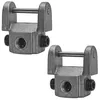 Option 1 Pin-Less Holder Conversion Kit (2-Pack)
|
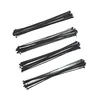 Option 2 FOXBC Pin End Blades, 48-Pack
|
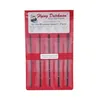 Option 3 Flying Dutchman Pinless Variety Pack
|
As an Amazon Associate we earn from qualifying purchases.
Vintage scroll saws hold a unique charm. They blend art with functionality. These tools tell stories of craftsmanship. Many woodworkers seek them for their beauty and history.
Timeless Craftsmanship
Each vintage scroll saw showcases exceptional workmanship. Artisans designed these tools with care. They often feature:
- Durable materials: Metal and hardwoods stand the test of time.
- Intricate details: Ornate designs highlight artistic flair.
- Robust construction: Sturdy frames ensure long-lasting use.
Craftsmanship reflects the era they came from. Collectors appreciate the unique characteristics of each piece. Many vintage saws have become prized possessions.
Why Collectors Are Captivated
Collectors are drawn to vintage scroll saws for several reasons:
- Historical value: Each saw has a story to tell.
- Unique designs: No two scroll saws are exactly alike.
- Investment potential: Rarity can increase value over time.
Finding a rare piece sparks excitement. Many collectors enjoy restoring these tools. The process brings new life to old machines. Vintage scroll saws inspire creativity, letting artisans create stunning woodwork — each cut connects past and present.
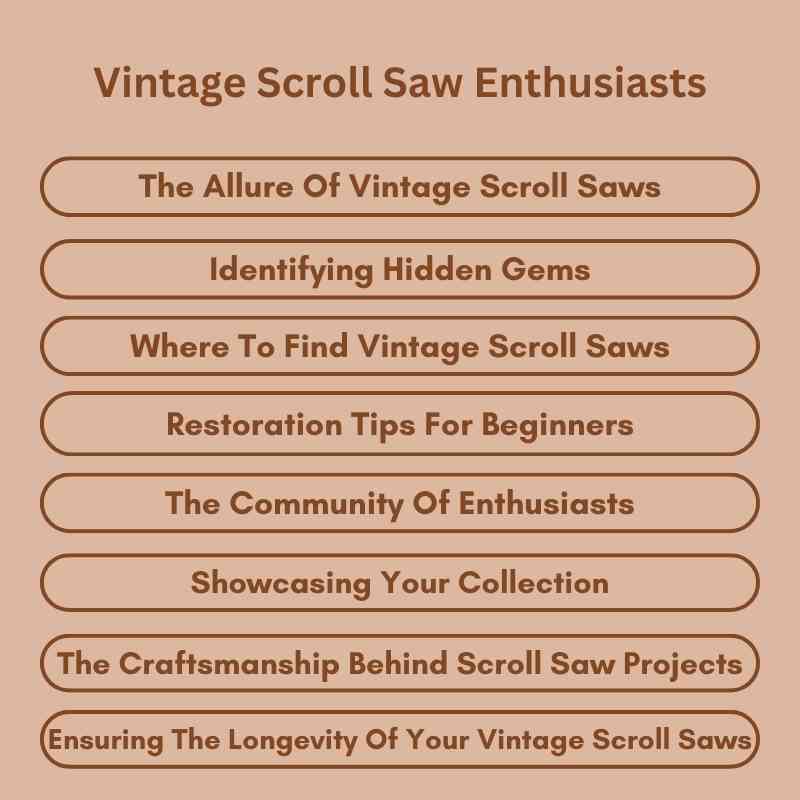
Identifying Hidden Gems
Finding a vintage scroll saw can feel like a treasure hunt. Many hidden gems await discovery. Knowing what to look for helps you find valuable pieces. This guide highlights key features and what actually drives resale value.
Key Features Of Valuable Finds
Look for these important features in vintage scroll saws:
- Brand Reputation: Delta, Craftsman, and Rival hold value best.
- Build Quality: Solid metal, cast-iron construction indicates durability.
- Patent Dates And Serial Numbers: These help date the machine and confirm it isn’t a later reissue.
- Original Parts: Having the original motor and table increases worth — a missing OEM motor is one of the biggest turn-offs for serious buyers.
- Condition: Look for minimal rust and wear.
Check for these features during your search — they reveal quality and value faster than the model name alone.
What Vintage Scroll Saws Actually Sell For
Real resale values vary more by brand and completeness than by a single model number:
| Brand | Typical Value Range | What Drives The Price |
|---|---|---|
| Craftsman / Sears | $50 – $300 | Larger cast-iron floor models trend toward the top of the range |
| Delta | $150 – $500 (restored large models $1,000+) | Completeness and an original motor matter more than exact age |
| Rival (Seneca Falls Mfg. Co.) | $1,200 – $1,500 | Rare — among the most sought-after names for collectors |
📊 Common Craftsman scroll saws sell for $50–$300, while a rare Rival (Seneca Falls Mfg. Co.) model can reach $1,200–$1,500. — Source: Woodcraft, Antique Tool Market
Seek these brands for better odds of finding a real gem — rarity and completeness, not just age, are what push a saw toward the top of its range.
Will Modern Blades Fit Your Vintage Scroll Saw?
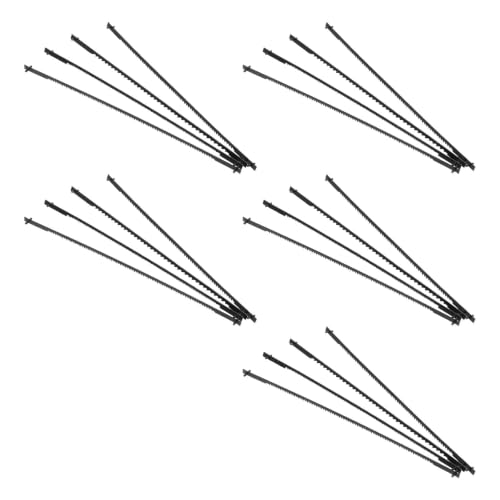
Pinned blades have small cross-pins near each end that hook into slotted blade holders — the standard on nearly every scroll saw made before the 1980s. Pinless (plain-end) blades have no pins and clamp directly in a screw-tightened holder — the standard on virtually every scroll saw sold today. This mismatch is the single most common surprise for someone who just bought a vintage machine and then couldn’t find blades for it locally.
You have three real options: keep buying pin-end replacement blades (several brands still make them sized for classic Craftsman and Delta saws), install a pin-to-pinless adapter clamp to open up the much wider modern blade selection, or, for the rarest machines, source blades from a specialty supplier who stocks period-correct sizes. Our scroll saw blade sizing chart covers the numbered thickness system and tooth patterns once you know which end style you need.
How To Fit Modern Blades To A Pinned Vintage Scroll Saw
- Identify your holder type: Remove the table insert and look at the upper and lower blade clamps — a slotted hook that a blade’s cross-pin drops into means your saw is pinned; a plain screw-tightened clamp means it’s already pinless.
- Measure your current blade: Most pre-1970s machines use a 5-inch blade length — confirm this before ordering replacements or an adapter kit.
- Choose your fix: install pin-to-pinless adapter clamps to open up the wider modern blade selection, or buy pin-end replacement blades to keep the saw fully original.
- Tension and test: fit the new blade or adapter, tension it per the saw’s original manual, and make a test cut in scrap wood before starting a real project.
“The mistake I see most often is someone re-tensioning a pinned blade like a pinless one — crank a pin-end blade too tight in an old spring-arm holder and you’ll snap the pin clean off, not the blade.”
Where To Find Vintage Scroll Saws
Finding a vintage scroll saw can be an exciting adventure. Many collectors cherish these tools. They represent craftsmanship and history. Here are some popular places to search for these treasures.
Auctions And Estate Sales
Auctions and estate sales are great spots for vintage scroll saws. They often have unique items at reasonable prices. Here are some tips:
- Attend local auctions regularly.
- Check estate sales in your area.
- Look for specialty auctions focused on tools.
- Bring cash for quick purchases.
Keep an eye out for:
| Item | Details |
|---|---|
| Condition | Check for rust or damage. |
| Brand | Popular brands include Delta and Craftsman. |
| Accessories | Look for blades and manuals. |
Online Marketplaces And Forums
Online marketplaces are a treasure trove for vintage scroll saws. Websites offer various options from different sellers. Popular platforms include:
- eBay
- Craigslist
- Facebook Marketplace
- Tool-specific forums
Here are some tips for online searching:
- Use specific keywords like “vintage scroll saw”.
- Set alerts for new listings.
- Join forums to connect with other enthusiasts.
Always verify the seller’s reputation before making a purchase. Ask questions about the saw’s history and condition.
Restoration Tips For Beginners
Restoring a vintage scroll saw can be a rewarding project. It brings new life to an old tool. Here are some essential tips to help you get started.
Cleaning And Maintenance
Cleaning is the first step in restoration. Dirt and grime can hide the saw’s beauty. Follow these steps for effective cleaning:
- Gather Supplies: Get a soft brush, cloth, and mild soap.
- Remove Dust: Use the brush to clear dust from all parts.
- Wipe Down: Dampen the cloth with soapy water. Wipe all surfaces.
- Dry Thoroughly: Use a dry cloth to remove moisture.
Regular maintenance keeps the saw in good shape:
- Check Blades: Replace dull blades for clean cuts.
- Lubricate Parts: Use machine oil on moving parts.
- Inspect for Damage: Look for cracks or rust regularly.
Restoring To Original Glory
Restoring your vintage scroll saw can be fun. Aim to bring back its original look. Here are some steps to consider:
- Assess Condition: Evaluate the saw’s parts. Identify what needs fixing.
- Source Replacement Parts: Look for original parts online or at local shops.
- Sand and Finish: Use fine sandpaper for wood parts. Apply a wood finish to enhance the look.
- Reassemble Carefully: Follow the original assembly. Ensure everything fits snugly.
Following these tips can help you restore your scroll saw successfully. Enjoy the process of bringing your tool back to life!
Connecting With The Vintage Scroll Saw Community
The vintage scroll saw community is vibrant and welcoming. Enthusiasts share tips, projects, and techniques through forums, social media groups, and in-person gatherings.
Where Enthusiasts Gather
| Platform | Focus Area |
|---|---|
| Project sharing, advice, and tips | |
| Discussions on techniques and tools | |
| Woodworking Forums | In-depth discussions and tutorials |
Local and regional woodworking shows often add scroll saw demonstrations and competitions — a good way to see rare machines in person and compare notes on restoration before you commit to buying one.
Displaying Your Collection
A well-organized display highlights the beauty of each piece:
- Choose the Right Location: Select a well-lit area. Natural light works best.
- Use Shelves: Install floating shelves to save space.
- Group by Theme: Organize pieces by color, size, or style.
- Add Labels: Provide information about each piece’s history.
| Style | Description |
|---|---|
| Wall Display | Hangs pieces on walls for a dynamic look. |
| Tabletop | Arranges pieces on a table for easy viewing. |
| Shadow Boxes | Frames pieces to create depth and interest. |
Sharing photos in the forums and groups above is usually more effective than a standalone blog — that’s where the audience of fellow collectors already is.
The Craftsmanship Behind Scroll Saw Projects
Scroll saw projects showcase incredible craftsmanship. Each piece tells a story. Artisans use skill and creativity to craft unique designs.
Why Are They Called “Scroll Saws”? A Naming History
A vintage scroll saw was often sold as a jig saw when it was new — in the 1930s and 1940s, manufacturers used that name almost exclusively. In the 1950s, some makers introduced “saber saws” as a separate class, and by roughly 1960–1970 the terms had swapped: what a 1930s catalog called a jig saw is what today’s woodworkers call a scroll saw, while “jigsaw” now usually refers to the handheld power tool. Knowing this helps when searching old parts catalogs or patent records under a saw’s original marketing name — see our guide to the handheld jigsaw if that’s the tool you actually meant to look up. (Source: Scroll Saw Woodworking & Crafts, The Early History of the Scroll Saw.)
Contemporary Applications
Today, scroll saws are popular among hobbyists and professionals. They create stunning art pieces, home decor, and gifts — whether you’re following advanced scroll saw patterns for a display piece or cutting free Christmas scroll saw patterns as a seasonal project.
| Application | Description |
|---|---|
| Art Pieces | Intricate designs for wall art and sculptures. |
| Home Decor | Unique items like clocks, frames, and ornaments. |
| Toys | Handcrafted wooden toys for children. |
| Gifts | Personalized gifts for special occasions. |
Scroll saws allow for endless creativity. They provide an avenue for artists to express their talents. The craftsmanship behind each project remains impressive, whether the saw doing the cutting is brand new or older than the woodworker using it.
Ensuring The Longevity Of Your Vintage Scroll Saw
Taking care of your vintage scroll saw is essential. Proper care can extend its life. Follow these tips to keep your saw in great shape.
Proper Storage Techniques
- Keep the saw in a dry place.
- Avoid direct sunlight exposure.
- Use a protective cover.
- Store in a stable position to prevent tipping.
Consider using a wooden crate or a sturdy cabinet. This protects the saw from dust and moisture.
Regular Maintenance Schedule
Regular maintenance keeps your vintage scroll saw functioning well. Follow this simple schedule:
- Weekly: Clean the blade and remove dust.
- Monthly: Check the tension of the blade.
- Every 6 months: Lubricate moving parts.
- Yearly: Inspect for rust and corrosion.
| Maintenance Task | Frequency | Notes |
|---|---|---|
| Clean Blade | Weekly | Remove dust and debris. |
| Check Blade Tension | Monthly | Ensure proper cutting. |
| Lubricate Moving Parts | Every 6 months | Use machine oil. |
| Inspect for Rust | Yearly | Prevent corrosion damage. |
Follow these steps to keep your vintage scroll saw running smoothly. Regular care helps maintain its value and performance.
Frequently Asked Questions
What Is A Vintage Scroll Saw?
A vintage scroll saw is a woodworking tool used for intricate cuts. It features a fine blade that allows for detailed designs in wood. These saws often have a classic design and are sought after by collectors and hobbyists. They provide precision and artistic freedom for various projects.
Which Blade Should I Use On A Vintage Scroll Saw?
Check your blade holders first: a slotted hook that a blade’s cross-pin locks into means you need pin-end (pinned) blades, while a screw-tightened clamp takes pinless (plain-end) blades. Most saws built before the 1970s use pinned blades and a 5-inch length, though several brands now sell pin-end replacements sized for classic Craftsman and Delta machines.
Where Can I Find Vintage Scroll Saws?
You can find vintage scroll saws at estate sales, flea markets, and online auctions. Websites like eBay or Etsy often have listings. Local woodworking shops may also carry them. Vintage tool dealers are another great option for finding quality pieces. Always check the condition before purchasing.
Is There A Modern Equivalent To My Vintage Scroll Saw?
Usually, yes. Most vintage saws were succeeded by variable-speed scroll saws from the same or a related brand, so table size and blade specs carry over more than you’d expect. If you’d rather buy new than restore, our guide to the best scroll saws for woodworking compares current models by table size, speed range, and price.
What Are The Benefits Of Using A Vintage Scroll Saw?
Using a vintage scroll saw offers unique aesthetic appeal and craftsmanship. They often provide better control for intricate designs. Many users appreciate their durability and reliability. Vintage models can also be more affordable than modern counterparts. They add character to any workshop setup.
Conclusion
Vintage scroll saws offer charm and precision that new machines can’t fake. They blend nostalgia with functionality, making them ideal for intricate projects — as long as you check condition, originality, and blade compatibility before you buy. Confirm those three things first, and a vintage scroll saw can genuinely earn a spot in your shop instead of becoming a shelf ornament.
Sponsored / affiliate links. As an Amazon Associate I earn from qualifying purchases. I may earn additional commission from eligible campaigns.