Walnut Vs Pecan: What’S The Real Difference?
This guide will break down what makes walnuts and pecans distinct. We’ll explore their flavors, textures, nutritional benefits, and how they behave in your kitchen. By the end, you’ll know exactly when to reach for a walnut and when a pecan is the better choice.
The Walnut: A Taste of Earthiness
Walnuts often bring a bolder, more complex flavor to the table. They have a distinct earthy taste. Some people describe it as slightly bitter or even astringent.
This bitterness comes from compounds called tannins. These tannins can also give your mouth a dry feeling. It’s a taste that many find appealing, especially in baking.
It adds depth that plain sweetness can’t match.
The texture of a walnut is also a key feature. They are usually a bit firmer and have a crunchier bite compared to pecans. When you chew a walnut, you get a satisfying snap.
This texture makes them great for adding contrast to softer foods. Think about a salad or a creamy dip. A walnut adds a welcome bit of resistance.
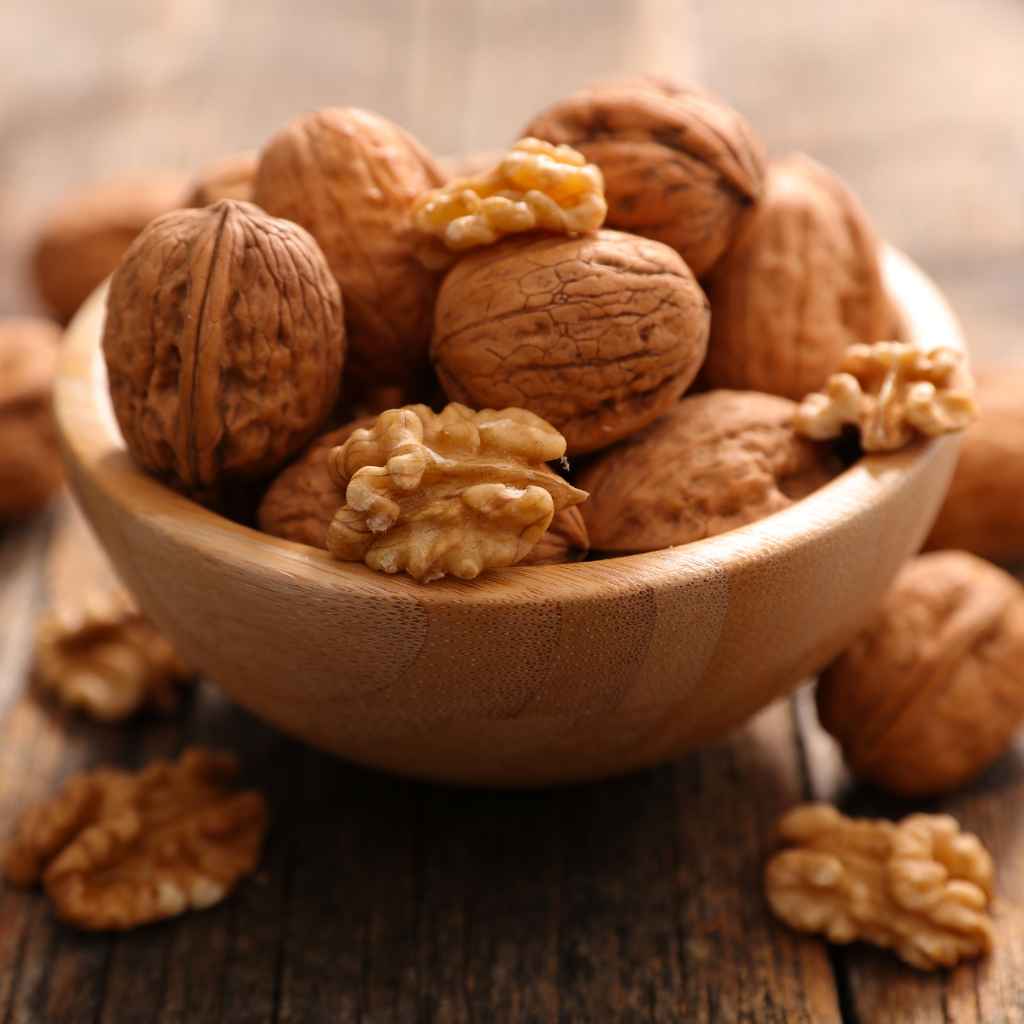
Walnuts grow on trees that are native to North America. The most common type we see in stores is the English walnut. Its shell is round and somewhat wrinkled.
Inside, the nut is divided into sections. It often looks like a small, brain-like shape. This shape is actually quite helpful for identifying them easily.
Nutritional Powerhouse: What Walnuts Offer
When we talk about health, walnuts really shine. They are packed with nutrients. One of the most important is omega-3 fatty acids.
Specifically, they contain ALA, or alpha-linolenic acid. This is a plant-based omega-3 that our bodies can convert into other types. These fats are great for heart health.
They can help reduce inflammation in the body. They are also linked to better brain function.
Beyond healthy fats, walnuts offer protein. They are a good source of plant-based protein. This makes them a filling snack.
They also provide fiber. Fiber is crucial for digestion. It helps keep you feeling full.
It also plays a role in managing blood sugar levels. Eating enough fiber is important for overall health.
Walnuts are also a good source of vitamins and minerals. They contain vitamin E. This vitamin is an antioxidant.
It helps protect your cells from damage. You’ll also find B vitamins, like B6 and folate. These are important for energy production and cell growth.
Minerals like magnesium are present too. Magnesium is involved in many bodily functions.
Research often highlights the health benefits of walnuts. Studies have linked regular walnut consumption to lower risks of heart disease. They are also associated with improved cognitive function.
Some research suggests they might help with weight management. This is likely due to their protein and fiber content. They help you feel satisfied for longer.
It’s worth noting that walnuts are relatively high in calories. This is typical for nuts due to their fat content. However, these are healthy fats.
Moderation is key, as with all foods. A small handful makes a great snack. It provides a good amount of nutrients without overdoing the calories.
Walnut Quick Facts
Flavor: Earthy, slightly bitter, robust.
Texture: Firm, crunchy, slightly chewy.
Key Nutrient: Omega-3 fatty acids (ALA).
Best Uses: Baking, salads, snacking, pesto.
Appearance: Brain-like shape, wrinkly.
The Pecan: Sweetness and Buttery Smoothness
Pecans have a much milder and sweeter taste. They are often described as buttery. There’s a gentle, nutty flavor that is less assertive than a walnut’s.
This sweetness makes them incredibly versatile. They pair well with many other flavors without overpowering them. Many people find pecans more approachable.
Their taste is less likely to be challenging for picky eaters.
The texture of a pecan is also quite different. Pecans are softer and more tender than walnuts. They have a buttery smoothness.
When you bite into a pecan, it often crumbles or yields easily. This makes them melt in your mouth. In baking, they create a lovely, rich texture.
They don’t provide the same hard crunch as walnuts.
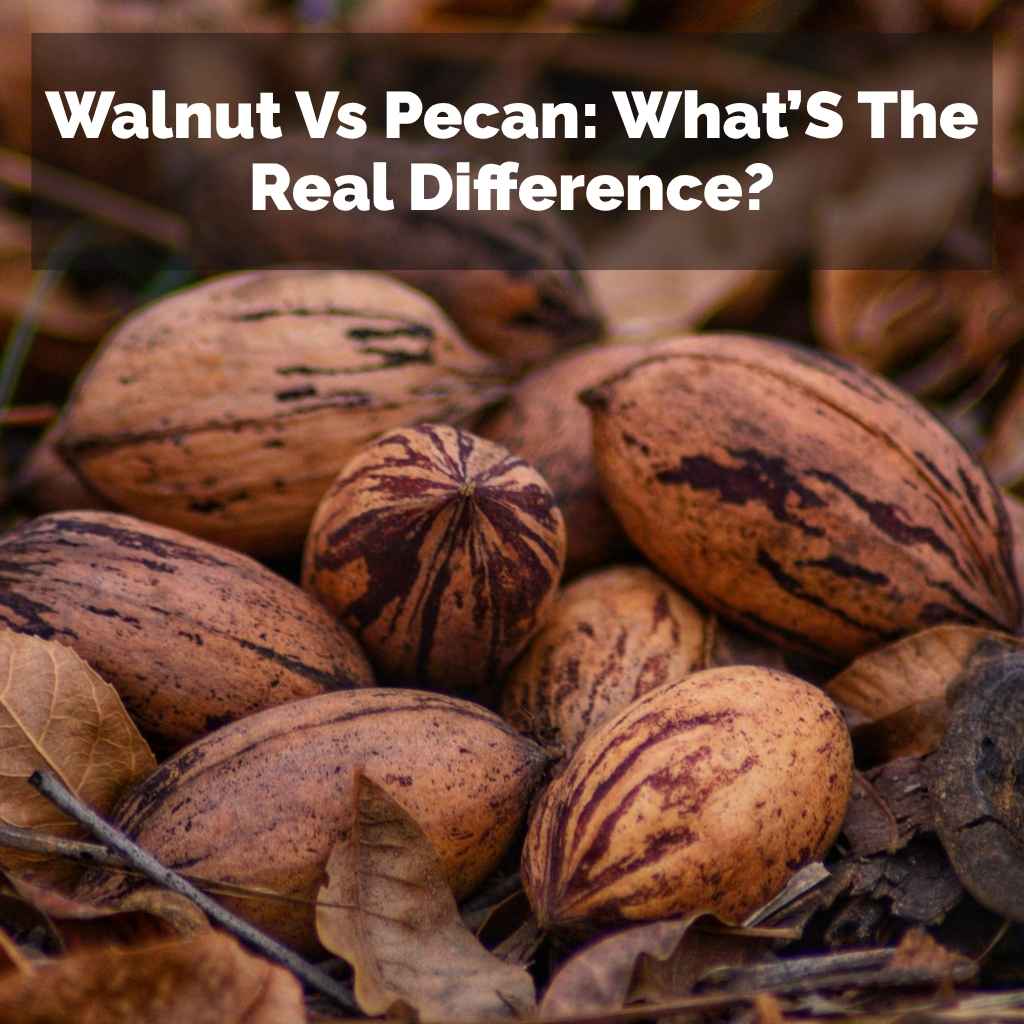
Like walnuts, pecans are native to North America. They come from pecan trees. The shell of a pecan is smoother than a walnut’s.
It’s also typically more oval-shaped. The nut inside is usually longer and more slender. It’s not divided into as many distinct sections as a walnut.
Nourishing Nature: Pecan’s Health Benefits
Pecans are also a nutritional powerhouse. They offer a different mix of healthy fats. They are rich in monounsaturated fats.
These are the same types of fats found in olive oil. Monounsaturated fats are excellent for heart health. They can help lower bad cholesterol levels.
They can also help raise good cholesterol levels.
While pecans have less omega-3 than walnuts, they still provide beneficial fats. They are a good source of fiber too. Fiber is important for digestion and feeling full.
Pecans offer a decent amount of protein. This helps make them a satisfying snack option.
When it comes to vitamins and minerals, pecans are impressive. They are particularly high in certain antioxidants. These help fight cell damage.
They are a good source of vitamin A. You’ll also find vitamin E. Minerals like zinc are present.
Zinc is important for immune function. You also get magnesium and phosphorus.
The antioxidant content in pecans is notable. These compounds can help protect your body from oxidative stress. This stress can contribute to aging and chronic diseases.
So, eating pecans can be a good way to boost your body’s defense system.
Like walnuts, pecans are calorie-dense. This is because of their healthy fat content. However, their rich flavor means a little can go a long way.
They are a satisfying treat. Enjoying them in moderation is the best approach. A small portion offers a wealth of nutrients.
Pecan Quick Facts
Flavor: Sweet, buttery, mild.
Texture: Softer, tender, smooth, crumbly.
Key Nutrient: Monounsaturated fats, antioxidants.
Best Uses: Pies, cookies, snacking, brittle, salads.
Appearance: Elongated, smooth shell.
Comparing the Core Differences
When you place a walnut and a pecan side-by-side, the differences become clear. It’s not just about appearance, though that’s a clue. The biggest distinctions lie in taste and texture.
This is where they truly stand apart. And these differences greatly influence how we use them.
Flavor Profile: Walnuts are bold and earthy. They can have a touch of bitterness. Pecans are sweet and buttery.
They are much milder. Think of a walnut as having a strong personality. A pecan is more laid-back and charming.
Texture Contrast: Walnuts offer a satisfying, firm crunch. They hold their shape well. Pecans are softer and more tender.
They have a smooth, crumbly feel. This makes them melt in your mouth more easily. The walnut gives you something to really chew on.
Nutritional Focus: Both are healthy. Walnuts are leaders in plant-based omega-3s. Pecans excel in monounsaturated fats and certain antioxidants.
They offer slightly different health perks.
Shelling: Walnuts have a harder, more rounded shell. They can be a bit trickier to crack open. Pecans have thinner, more elongated shells.
They are often easier to open.
Appearance: Walnuts often look like small brains. They are deeply grooved and somewhat spherical. Pecans are more elongated and smoother.
Their halves are less defined.
Walnut vs. Pecan: At a Glance
| Feature | Walnut | Pecan |
|---|---|---|
| Taste | Earthy, slightly bitter | Sweet, buttery |
| Texture | Firm, crunchy | Soft, tender, smooth |
| Fat Type | High in Omega-3s (ALA) | High in Monounsaturated fats |
| Shape | Round, brain-like | Elongated |
| Common Use | Baking, salads, pesto | Pies, cookies, brittle |
Real-World Kitchen Scenarios
I remember one Thanksgiving when I was making my famous pecan pie. I was short on pecans. In a moment of panic, I thought, “Could I just use walnuts?” I tossed a handful of chopped walnuts into the filling.
The result? It was… different. The pie still tasted good, but it wasn’t the same classic pecan pie flavor.
The walnut’s earthiness fought with the sweetness of the pie. It lacked that buttery richness I expected.
That experience taught me a lot. It showed me that while nuts can sometimes be swapped, the outcome changes. You don’t want to mess with a beloved recipe without understanding why.
The intent behind using a specific nut matters.
In my kitchen, I’ve learned to think about the role the nut plays. Is it a star ingredient? Or is it a supporting player?
For a pecan pie, the pecan is the star. Its sweet, buttery nature is essential. For a pesto, the walnut’s earthy bite can add a lovely depth.
It complements the basil and garlic well. It’s not just about throwing nuts in; it’s about what you want them to do.
When I make granola, I often use a mix. I like the crunch of walnuts and the softer, richer taste of pecans. They offer different textures and flavors in every bite.
It’s a combination that works really well for me. It makes the granola more interesting. It gives you a varied sensory experience with each spoonful.
Consider a simple snack mix. If you want something bold and robust, walnuts are a good choice. They stand up well to pretzels and dried fruit.
If you prefer something smoother and sweeter, pecans are the way to go. They blend nicely with chocolate chips or caramel. The choice really depends on the overall flavor profile you’re aiming for.
When to Choose Which Nut
Pecans are often best for:
- Desserts where a sweet, buttery flavor is key.
- Recipes that need a tender, melt-in-your-mouth texture.
- Dishes where you want the nut flavor to be prominent but gentle.
Walnuts are often best for:
- Savory dishes that need an earthy, robust flavor.
- Recipes that benefit from a firm crunch and chew.
- Dishes where you want a bit of complexity and a slightly bitter note.
Nutritional Deep Dive: Beyond the Basics
Let’s talk more about why these nuts are so good for you. It’s not just about calories. It’s about the quality of those calories.
Both nuts provide healthy fats. These fats are essential for our bodies to work properly. They help absorb vitamins.
They protect organs. They are a vital part of our diet.
The omega-3 fatty acids in walnuts are particularly special. Our bodies can’t make these on their own. We have to get them from food.
ALA is the form found in plants. It’s a building block for other omega-3s. These fats are crucial for brain health.
They are linked to better memory and focus. They also play a big role in reducing inflammation. Chronic inflammation is linked to many diseases.
So, eating walnuts can be a proactive way to support your health.
Pecans, with their high monounsaturated fat content, are also heart heroes. These fats help manage cholesterol. They can lower LDL (bad) cholesterol.
They can also boost HDL (good) cholesterol. This balance is key for a healthy cardiovascular system. It reduces the strain on your heart and blood vessels.
Both nuts are good sources of fiber. Fiber is like a scrub brush for your insides. It helps keep your digestive system running smoothly.
It can also help you feel fuller for longer. This is great for managing weight. It prevents you from overeating.
It helps you feel satisfied after a meal.
Don’t forget the antioxidants. These tiny helpers fight off damage in your body. They are like little bodyguards for your cells.
They protect against free radicals. Free radicals are unstable molecules that can harm your cells. This damage can lead to aging and diseases.
Pecans are particularly rich in certain types of antioxidants. Walnuts also offer good antioxidant protection.
When considering nuts for your diet, think about variety. Eating a mix of nuts provides a broader range of nutrients. One day, have a handful of walnuts.
The next, choose pecans. Or, even better, combine them! This ensures you’re getting all the different benefits each nut has to offer.
It’s also important to note how we consume these nuts. Raw nuts are great. Roasted nuts can also be healthy, provided they aren’t loaded with oil and salt.
Be wary of heavily processed nut products. They might have added sugars or unhealthy fats. Stick to the whole, natural nut as much as possible for the best health benefits.
Nutritional Spotlight
Walnuts:
- Primary Omega-3: ALA (Alpha-Linolenic Acid)
- Benefits: Heart health, brain function, reduced inflammation.
- Also contains: Vitamin E, B vitamins, magnesium.
Pecans:
- Primary Fat: Monounsaturated fats
- Benefits: Cholesterol management, heart health.
- Also contains: Antioxidants, vitamin A, zinc, magnesium.
When to Worry and When to Relax
For most people, enjoying walnuts and pecans is perfectly safe and healthy. They are part of a balanced diet. However, there are a few things to keep in mind.
These are more about general nut consumption than specific walnut or pecan issues.
Allergies: This is the most significant concern. Nut allergies, especially to tree nuts like walnuts and pecans, can be very serious. If you or someone you know has a nut allergy, strict avoidance is necessary.
Cross-contamination is a real risk. Be very careful when preparing food or choosing pre-made items.
Choking Hazard: For very young children, whole nuts can be a choking hazard. It’s best to introduce nuts in a ground or paste form. Always supervise young children when they are eating nuts.
Digestive Issues: Some people find that eating a large quantity of nuts can cause digestive upset. This is often due to the fiber content or the high fat. If you experience bloating or discomfort, try reducing your portion size.
Ensure you are drinking enough water, as fiber needs water to work effectively.
Mold and Spoilage: Nuts, especially when stored improperly, can go bad. Look for any signs of mold or an off smell. Rancid nuts taste bad and can make you sick.
Store nuts in a cool, dry place. In warm climates, the refrigerator or freezer is best for longer storage.
Moderation: As mentioned, nuts are calorie-dense. While they are packed with good things, overconsumption can lead to weight gain. It’s about balance.
A serving size is usually about a quarter cup or a small handful. This provides nutrients without excess calories.
Interaction with Medications: For the most part, walnuts and pecans are safe. However, if you are on blood-thinning medications, you might want to discuss your intake of omega-3 rich foods with your doctor. While the amount in nuts is usually not problematic, it’s always best to be informed.
For the average healthy adult, walnuts and pecans are wonderful additions to a diet. They offer great taste and significant health benefits. Enjoy them as part of a varied and balanced eating plan.
Listen to your body. If something doesn’t feel right, adjust your intake.
Safety First: Things to Consider
Allergies: Severe reactions are possible. Always check labels.
Choking: Avoid whole nuts for young children.
Digestive: Start with small portions if new to nuts.
Storage: Keep nuts cool and dry to prevent spoilage.
Moderation: Enjoy in sensible serving sizes.
Quick Tips for Enjoying Walnuts and Pecans
Ready to add more of these delicious nuts to your life? Here are some simple ideas to get you started. These are easy ways to enjoy their unique flavors and textures.
Snacking: This is the easiest way. Grab a small handful of either raw or dry-roasted nuts. They are a perfect mid-day energy boost.
Try them plain or lightly salted. For a treat, combine them with dried fruit.
Salads: Sprinkle chopped walnuts or pecans over your favorite salads. Walnuts add a nice crunch to green salads. Pecans can add a sweet contrast to a salad with cheese or fruit.
They make salads feel more substantial.
Baking: This is where both nuts really shine. Pecans are famous for pecan pie and cookies. Walnuts are fantastic in brownies, muffins, and quick breads.
They add flavor, texture, and moisture.
Oatmeal and Yogurt: Chop them up and stir them into your morning oatmeal or yogurt. They add a satisfying crunch and boost the nutritional value. It’s a simple way to make breakfast more exciting.
Pesto: Traditional pesto uses pine nuts. But walnuts make an excellent, more affordable substitute. Their earthy flavor works wonderfully with basil, garlic, and Parmesan cheese.
Pecans could also work for a sweeter pesto variation.
Toasting: Toasting nuts brings out their flavor and makes them crunchier. Spread them in a single layer on a baking sheet. Bake at around 350°F (175°C) for 5-10 minutes.
Watch them closely so they don’t burn! They smell amazing when they’re ready.
Nut Butters: While less common than peanut butter, you can make your own walnut or pecan butter. Simply process them in a food processor until smooth. Add a touch of salt or sweetener if desired.
It’s a gourmet spread!
Simple Ways to Enjoy
Easy Snack: A handful is perfect.
Salad Topper: Adds crunch and flavor.
Baking Boost: Great in pies, cookies, and breads.
Breakfast Upgrade: Stir into oatmeal or yogurt.
Savory Sauces: Walnuts for pesto, pecans for a sweeter twist.
Toast for Flavor: Enhances taste and crunch.
Frequently Asked Questions About Walnuts and Pecans
Are walnuts and pecans interchangeable in recipes?
While you can sometimes swap them, the results will differ. Walnuts offer a bolder, earthier flavor and firmer crunch. Pecans are sweeter, buttery, and softer.
For recipes where the nut’s specific flavor and texture are key, like pecan pie, it’s best to use the type called for.
Which nut is healthier, walnuts or pecans?
Both are very healthy! Walnuts are exceptional for their omega-3 fatty acids (ALA), which are great for brain and heart health. Pecans are rich in monounsaturated fats, also excellent for heart health, and boast higher levels of certain antioxidants.
Eating both provides a wider range of benefits.
Can I eat walnuts and pecans every day?
Yes, in moderation, eating walnuts and pecans daily can be part of a healthy diet. They are calorie-dense, so a small serving (about a quarter cup) is usually recommended. This allows you to enjoy their nutritional benefits without overconsuming calories.
How should I store walnuts and pecans to keep them fresh?
Store them in an airtight container in a cool, dark, and dry place. For longer storage, especially in warmer climates, the refrigerator or freezer is best. This helps prevent them from going rancid and keeps their flavor fresh.
What’s the difference in their shells?
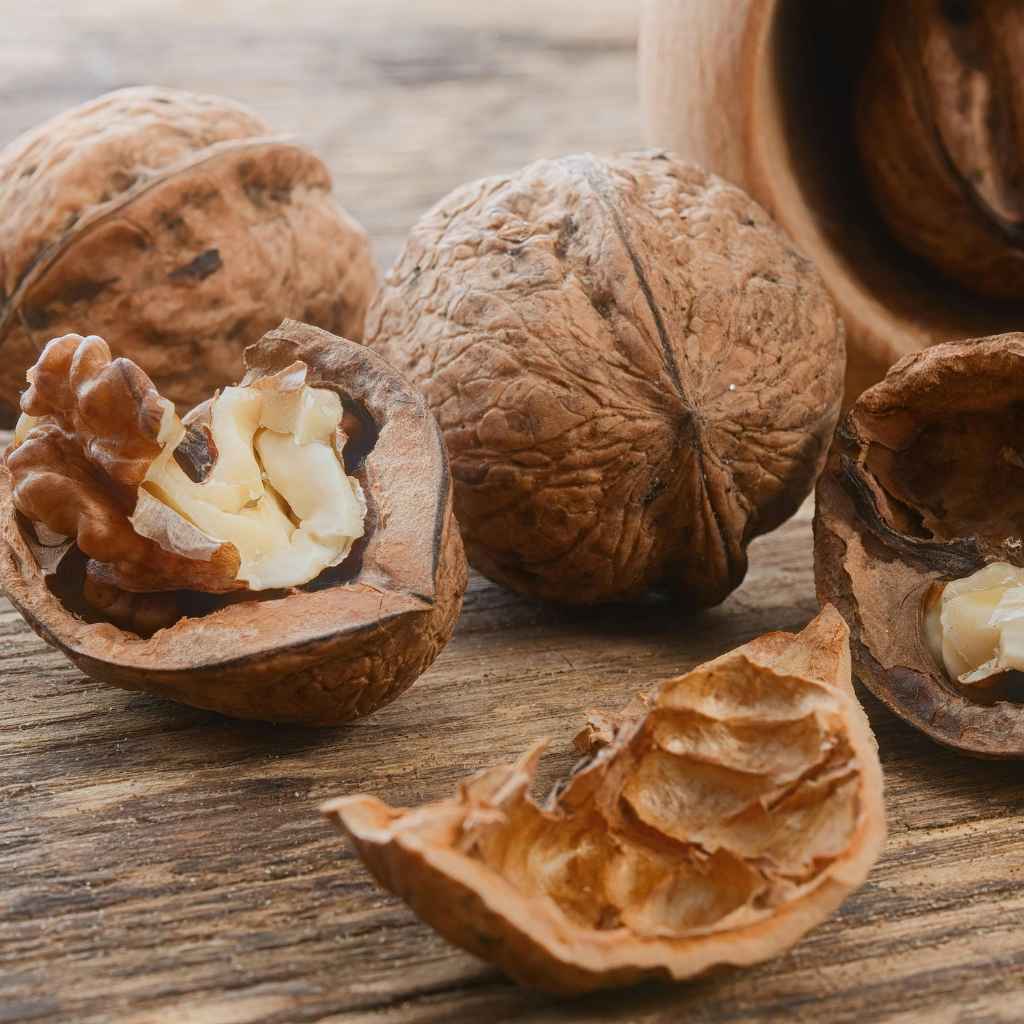
Walnut shells are typically rounder and harder, often with deep wrinkles. They can be a bit more challenging to crack. Pecan shells are usually more elongated, smoother, and thinner, making them generally easier to open.
Can pecans cause more weight gain than walnuts?
Both nuts are high in calories due to their healthy fat content. The key to preventing weight gain is portion control, not the type of nut. Enjoying either in moderation as part of a balanced diet is unlikely to cause weight gain.
Their fiber and protein content can actually help with satiety.
Conclusion: Embracing the Nuances
So, the next time you reach for a nut, you’ll know there’s more to the story than just “nut.” Walnuts bring a bold, earthy flavor and a satisfying crunch. Pecans offer a sweet, buttery taste and a tender texture. Both are nutritional champions, supporting heart and brain health.
Understanding these differences allows you to make informed choices. It helps you unlock the best flavors and textures in your cooking. Whether you’re baking a pie or topping a salad, the right nut makes all the difference.
Enjoy exploring the wonderful world of walnuts and pecans!
Sponsored / affiliate links. As an Amazon Associate I earn from qualifying purchases. I may earn additional commission from eligible campaigns.