Wood Finish Texture: Sheen vs. Surface Feel Explained
Wood finish texture describes two separate things: the sheen a finish reflects (matte, satin, semi-gloss, or gloss) and the tactile surface it leaves under your fingers (glass-smooth, or open-grain and rough). A gloss polyurethane and a wire-brushed oil finish can sit on the same oak board and feel completely different, even though both are technically “finished.” Confusing the two is the most common mistake in finish selection — picking a sheen level without checking what the surface will actually feel like, or texturing a surface without checking how that texture reads under different sheens.
Quick answer: Wood finish texture means two things — sheen (how much light the surface reflects: matte, satin, semi-gloss, or gloss) and surface feel (how smooth or open-grain the wood feels to the touch). Sheen comes from the topcoat itself; surface feel comes from the wood’s pores, the sanding done before finishing, and any texturing technique applied on purpose.
What Is Wood Finish Texture, Exactly?
Wood finish texture has two independent axes: the sheen axis (how much light bounces off the topcoat) and the tactile axis (how the surface feels under a hand). A finish can be high-gloss and glass-smooth, high-gloss and open-grain, matte and smooth, or matte and heavily textured — the two axes move independently of each other.
Most buying guides only address the sheen axis, comparing matte, satin, and gloss like a single sliding scale. That leaves out half the picture. A wire-brushed oak table finished in matte oil feels rough under the hand despite its low sheen. A pore-filled walnut tabletop finished in gloss polyurethane feels glass-smooth despite its high shine. Sheen and tactile surface are set by different steps in the finishing process, not the same step.
- Sheen: how much light the topcoat reflects, measured in gloss units at a 60-degree angle.
- Surface feel: how smooth or open the wood grain feels to the touch, set by sanding, grain filling, and any deliberate texturing technique.
How Does Finish Sheen Create a Different Texture?
Finish sheen is measured in gloss units at a 60-degree angle under the MPI (Master Painters Institute) gloss standard: matte finishes measure 0–5 units, satin finishes measure 20–35 units, semi-gloss finishes measure 35–70 units, and gloss finishes measure 70–85 units. Higher gloss units mean more light reflection and a slicker-looking, though not necessarily smoother-feeling, surface. If you already have a matte-painted surface and want to raise it into that gloss range, see our guide on how to make matte paint glossy.
| Sheen Level | Gloss Units (60°) | Visual Character | Common Use |
|---|---|---|---|
| Matte | 0–5 | Flat, no reflection, hides surface imperfections | Rustic furniture, high-traffic floors |
| Satin | 20–35 | Soft glow, low glare | General furniture, cabinetry |
| Semi-Gloss | 35–70 | Noticeable shine, highlights grain | Trim, tabletops |
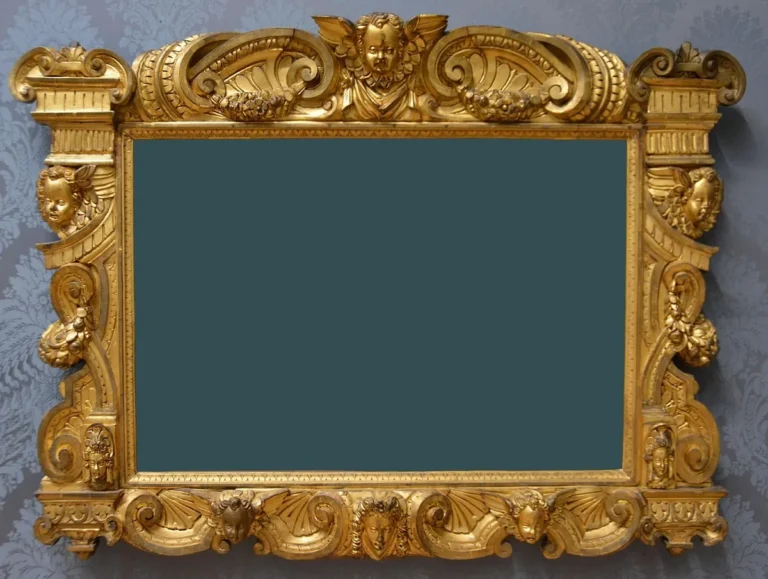
| Gloss | 70–85 | Mirror-like reflection, shows every scratch | Display pieces, French-polished surfaces |
According to Rodda Paint’s gloss-level guide, the MPI system standardizes these ranges across seven gloss levels (G1–G7) so a “satin” from one manufacturer measures the same as a “satin” from another. Sheen alone doesn’t tell you how the surface will feel. A gloss finish over a wire-brushed board still has the wire-brush ridges under the shine — the two properties layer on top of each other, they don’t cancel out. For a full side-by-side on choosing between the two most common sheens, see our matte vs. satin wood finish comparison.
How Does Wood Grain Affect Finish Texture?
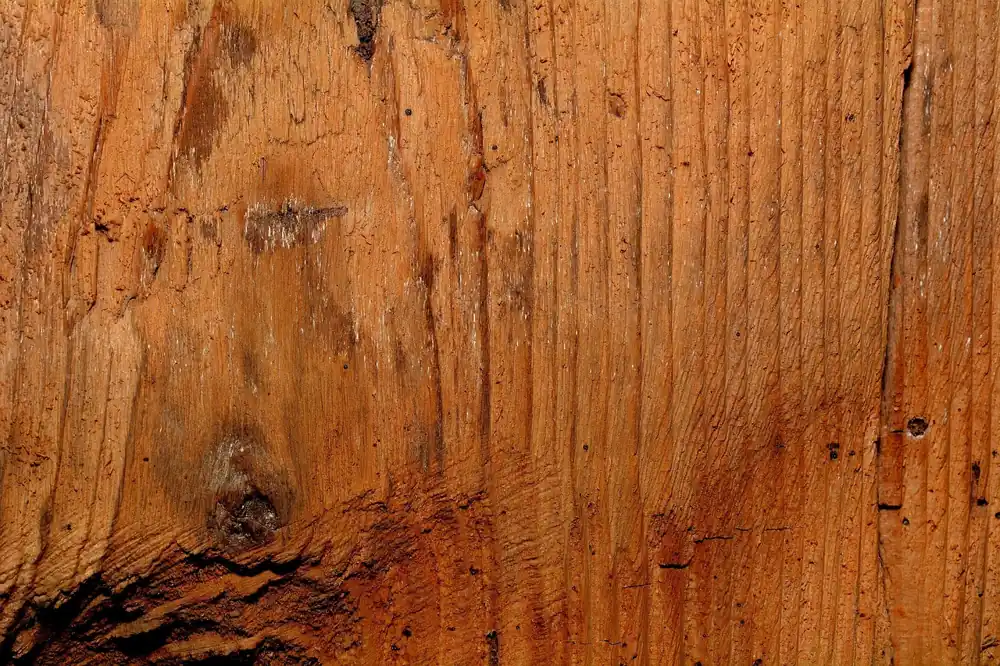
Open-pored woods — oak, ash, and walnut — have wide grain pores that stay visible and tactile even under multiple finish coats, producing a naturally rough surface texture. Closed-pored woods — maple, cherry, and birch — have tight grain that finishes smooth by default, with almost no texture to manage.
Red oak’s pores run roughly 0.2 to 0.3mm across — wide enough that even four coats of wiping varnish, sanded with 320-grit between coats, still telegraph the grain line as a faint ridge you can catch with a fingernail. Adding more coats of finish does not close that gap; only a grain filler applied before the topcoat levels it. Maple and cherry need no such step — their pores are too fine to telegraph through a single coat.
Should You Fill the Grain for a Smoother Finish Texture?
Grain filler, also called pore filler, is a paste applied before the topcoat that packs open pores level with the surrounding wood, producing a glass-smooth texture regardless of sheen. Skipping it on open-pored wood leaves a visibly and tactilely open-grain surface no matter how many topcoats follow.
French polishing reaches the same glass-smooth result without any grain filler at all, by building up 30 or more thin shellac layers by hand, each padded on and buffed before the next goes on — the traditional route to the mirror texture seen on guitars and pianos. Grain filler is not mandatory on open-pored wood; leaving the pores open is a legitimate aesthetic choice, not a defect, and many oak and ash pieces are finished that way on purpose to keep a rustic, textured surface.
How Do You Create a Rougher, More Textured Finish?
Wire brushing opens wood texture by scrubbing a stiff wire brush along the grain direction, tearing out the softer earlywood fibers and leaving the harder latewood ridges standing proud. Wood graining tools press or drag a rubber or steel graining comb through a wet glaze to imitate a specific wood’s grain pattern on a plain surface.
- Choose brush stiffness for the target look: a coarse twisted-steel wire brush cuts deep, dramatic ridges; a stainless or nylon brush produces a subtler texture.
- Brush parallel to the grain, never across it — brushing across the grain tears random fibers instead of following the growth-ring pattern.
- Dampen the wood lightly first on tighter-grained species; the swollen fibers separate more easily under the brush.
- Repeat three to five passes per section until the earlywood is visibly recessed below the latewood ridges.
- Vacuum and tack-cloth the surface before finishing — wire brushing generates fine dust that will show through the topcoat if it isn’t removed first.
Wire brushing does not work on tight-grained woods like maple or cherry — there is no soft/hard fiber contrast for the brush to exploit, so the surface barely changes no matter how many passes you run. It works best on oak, ash, and other ring-porous species, exactly as detailed in Fine Woodworking’s wire-brush technique guide. If your species is a closed-grain wood like koa, wire brushing is the wrong tool for adding texture — see our guide to finishing koa wood for the finishing steps that actually suit that grain instead.
Does the Finish Type Change the Final Texture?
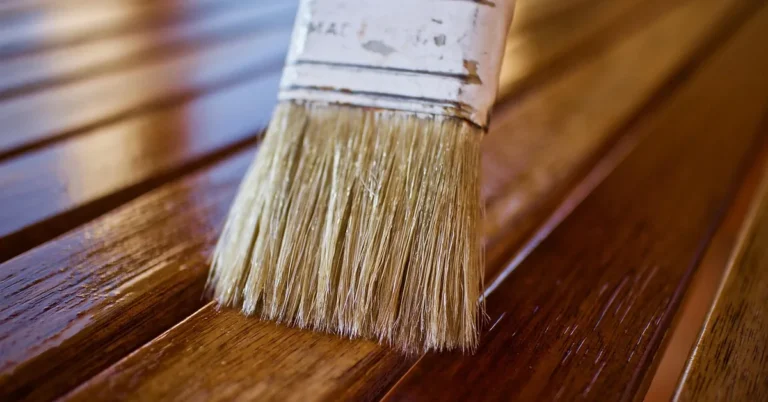
Yes. Oil finishes penetrate into the wood and cure inside the pores, so the surface keeps its original texture and open grain stays open. Polyurethane forms a continuous film on top of the wood, bridging and eventually smoothing over open grain once enough coats build up. Wax adds the least film of the three, leaving texture almost entirely as the wood and prep left it.
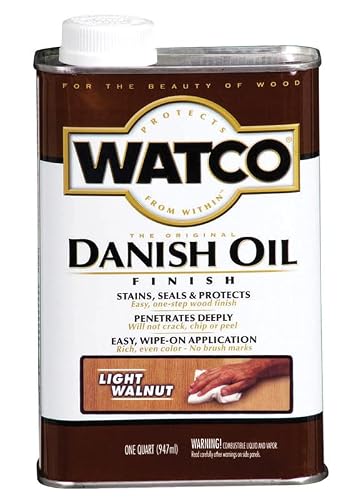
- Oil (linseed, tung, Danish oil): penetrating, builds no surface film, texture stays unchanged, sheen typically satin-to-matte.
- Polyurethane: film-forming, builds roughly 0.05 to 0.1mm of film per coat, bridges and smooths open grain after three to four coats, sheen ranges from matte to gloss.
- Wax (paste wax): minimal film under 0.02mm, texture essentially unchanged, sheen limited to satin or matte.
This is the direct answer to why two boards of the same species can feel so different once finished: the finish type, not just the sheen you picked, decides whether the wood’s own texture stays exposed or gets bridged over. For a full breakdown of one of these choices, see our Danish oil vs. polyurethane comparison.
Does a Textured Finish Affect Durability and Maintenance?
Open, textured surfaces trap more dust and take more effort to clean than smooth, filled, or heavily topcoated surfaces, because dirt and moisture collect in the pores and ridges. Glossy, smooth finishes show scratches and fingerprints faster than matte or textured surfaces, which visually hide the same amount of wear.
A wire-brushed, oil-finished oak floor hides scuffs and pet claw marks noticeably better than a gloss-polyurethane floor on the same species, but it needs a stiffer brush vacuum attachment to clear dust out of the grooves. Neither is more “durable” in a structural sense — the finish type and coat count determine wear resistance, while texture and sheen only determine how visible that wear is.
Frequently Asked Questions About Wood Finish Texture
What is wood finish texture?
Wood finish texture is the combination of a finish’s sheen (how much light it reflects, from matte to gloss) and its tactile surface feel (how smooth or open-grain the wood feels to the touch). The two are set by different steps in the finishing process and can be combined independently.
What’s the difference between wood finish texture and sheen?
Sheen is only the light-reflection property of the topcoat, measured in gloss units. Texture is the broader term covering both sheen and the physical, tactile surface underneath it — a matte finish can still feel smooth or rough depending on the wood’s pores and any prep work done before finishing.
Does wood grain affect finish texture?
Yes. Open-pored species like oak, ash, and walnut telegraph their grain through the finish as a tactile ridge unless the pores are filled first. Closed-pored species like maple, cherry, and birch finish smooth by default because their pores are too fine to telegraph through even a single coat.
What is the smoothest wood finish?
A French-polished shellac finish or a grain-filled surface under several coats of high-build polyurethane both produce the smoothest possible texture, because both eliminate the open-pore ridge entirely rather than just adding a shinier topcoat over it.
Do you need to fill the grain before finishing?
No. Grain filling is optional and purely aesthetic on open-pored wood. Skipping it keeps a natural, rustic, open-grain texture; using it produces a level, glass-smooth surface regardless of the sheen applied on top.
How do you make a wood finish look more textured or rustic?
Wire-brush an open-pored species like oak or ash along the grain, skip the grain filler, and finish with a penetrating oil instead of a film-building polyurethane — each of those three choices preserves or exaggerates tactile texture instead of smoothing it away.
Once you know which sheen and which surface texture you’re aiming for, the next decision is which product actually gets you there. Our complete wood finishing guide walks through stains, oils, sealers, and topcoats so you can match the right product to the texture you just planned.
Sponsored / affiliate links. As an Amazon Associate I earn from qualifying purchases. I may earn additional commission from eligible campaigns.