Olympic Stain Color Chart: 68 Colors, 7 Product Lines
Olympic organizes stain colors by opacity code — SC (solid), ST (semi-transparent), and RM-TR (transparent) — across seven lines including Elite, Maximum, and Rescue It!, and the wrong code can hide grain you wanted to show or leave flaws exposed. Its flagship Maximum line was also reformulated from oil-based to water-based, changing how it performs. This chart lists every verified color by line and opacity, explains transparency selection, and compares all seven lines. (If you want a bold, fully opaque black rather than a stain, see our comparison of black wood stain vs. paint to decide which fits your project.)
Quick Answer
Olympic codes its stain colors by opacity: SC (solid, 68 colors in the Cedar range plus 22 in Pressure-Treated Pine), ST (semi-transparent), and RM-TR (transparent, including Mahogany). Seven product lines carry these colors — Elite, Maximum, WaterGuard, Triumph, Summit, Ascent, and Rescue It! — with Maximum notably reformulated from an oil-based to a water-based formula in recent years.
Olympic Stain Color Chart by Product Line and Opacity
Best Olympic Stain Pick
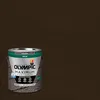
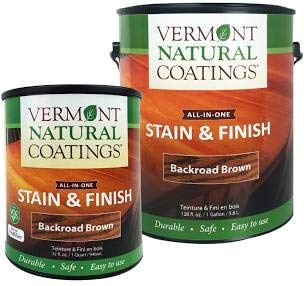
Olympic Maximum Solid Color Wood Stain & Sealer, Oxford Brown (1 Gal) – $41.86
The solid (SC) opacity level from Olympic’s reformulated water-based Maximum line covered in this guide’s reformulation section — built to hide wear rather than show grain.
- Best for: Decks or fences with wear, knots, or old finish that need full color coverage
- Why we picked it: Represents the current water-based Maximum formula at the solid (SC) opacity code this chart explains
- Main drawback: Full opacity hides the wood grain — skip it if grain visibility is the priority
Compare more Olympic stain options
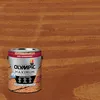 Semi-Transparent (ST) Maximum Semi-Transparent Stain, Redwood (1 Gal) – $34.94
|
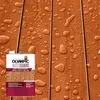 WaterGuard Line WaterGuard Semi-Transparent Stain, Woodland Cedar (1 Gal) – $31.98
|
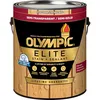 Elite Line Elite Semi-Transparent Stain, Atlas Cedar (1 Gal) – $47.96
|
As an Amazon Associate we earn from qualifying purchases.
Olympic groups its colors by opacity code rather than by product line name — SC (solid), ST (semi-transparent), and RM-TR (transparent) — and the same code appears across several product lines. The lists below are organized by opacity group, using Olympic’s own published color names. For other brands’ charts, see the Stain hub, or start with our full wood finishing guide if you’re still deciding between stain types. If you’re also weighing oil-based against water-based stain generally (not just Olympic’s own lines), our oil vs. water-based deck stain comparison breaks that down separately, and our Varathane stain color chart covers the equivalent breakdown for that brand.
Solid Cedar Stains (68 Colors — SC Series)
Olympic’s largest opacity group, formulated for surfaces with enough wear, knots, or old finish that full color coverage matters more than seeing wood grain. All 68 names below are listed under the SC prefix on Olympic’s own color pages.
| Color Name | Color Name | Color Name | Color Name |
|---|---|---|---|
| Aluminum | Amsterdam | Antique Silver | Autumn Brown |
| Autumn Gray | Autumn Sand | Avalanche | Bayberry |
| Beige Gray | Butternut | California Rustic | Cape Cod Gray |
| Cascades | Cedar | Chamois | Chestnut Brown |
| Vanilla Bean | Cool Breeze | Cool Dusk | Copper Henna |
| Corundum | Spiced Red | Cumulus | Dark Ash |
| Deauville | Deep Charcoal | Drift | Ebony |
| Ebony Gray | Eiffel Tower | Eucalyptus | Fog |
| Forest | Gibraltar Gray | Glenn Annie | Granite |
| Gray Marble | Heather | Heritage Blue | Heritage Gray |
| Jefferson Tan | Licorice | Gray Jade | Mahogany |
| Midnight Blue | Mountain Pine | Deep Redwood | Sage |
| Sandstone | Shadow Mist | Sheer Natural | Shipmate Blue |
| Silver Dollar | Silver Lining | Smoky Suede | Snowflake |
| Soapstone | Steely Sea | Stonehedge | Tanglewood |
| Taupe | Timberline | Waterhouse | White Sands |
| White | Winning Red | Woodchuck | Woodland Green |
Solid Pressure-Treated Pine Stains (22 Colors)
A separate solid-color range formulated specifically for pressure-treated pine, which absorbs stain differently than cedar or hardwood.
| Color Name | Color Name |
|---|---|
| Mink | Monterey Gray |
| Mullion Gray | Mystic Black |
| Mystic White | North Pole |
| Ocean Mist | Off White |
| Olivewood | Outside White |
| Oxford Brown | Pewter |
| Phoenix Fossil | Pine Pods |
| Pink Sand | Pocono Pine |
| Port Wine | Powder Mill |
| Predawn | Rawhide |
| Rocky Gray | Russet |
Transparent Stain (RM-TR Series)
Olympic’s verified transparent listing is Mahogany (RM-TR-1044), coded RM-TR to indicate the transparent opacity group — the lightest coverage level, intended for newer wood where the grain itself is the main visual feature.
Semi-Transparent Cedar Stains (Partial List — ST Series)
The nine colors below are confirmed Semi-Transparent Cedar (ST) names; Olympic’s semi-transparent range extends beyond this list, so check Olympic’s official color page for the complete current lineup before ordering.
| Color Name | Color Name | Color Name |
|---|---|---|
| Black Oak | Black Walnut | Brick Red |
| Cape Cod Gray | Cedar Naturaltone | Chestnut Brown |
| Cinder | Coffee | Dark Ash |
How to Choose Opacity: Clear vs. Transparent vs. Semi-Transparent vs. Solid
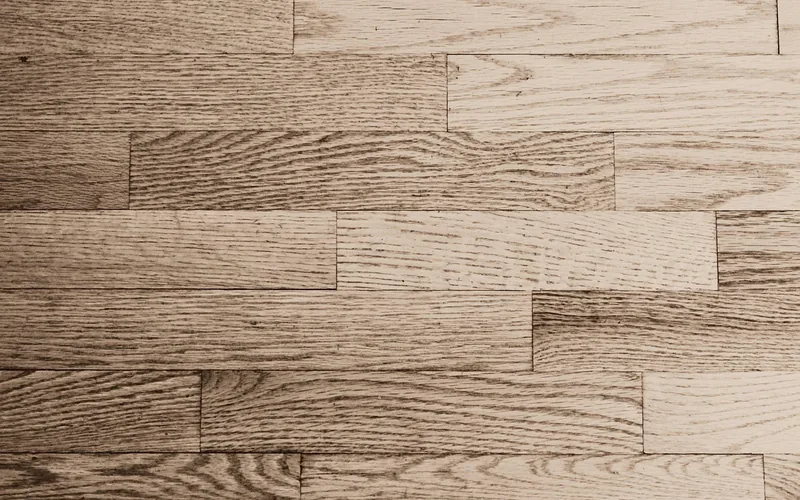
Olympic’s own guidance ties opacity choice to the wood’s condition, not just personal taste. Newer wood with grain worth showing off generally does better with a lighter opacity, while older or more worn surfaces benefit from more coverage:
- Clear, Transparent, and Semi-Transparent: best suited to newer wood where the grain pattern itself is worth showing through the finish.
- Semi-Solid: a middle option for decks that already show some visible wear but where you still want a hint of grain underneath.
- Solid: intended for surfaces with more imperfections, old stain buildup, or wear to hide, since it covers the wood surface rather than letting grain show through.
As a general rule, protection increases as you move toward the solid end of Olympic’s opacity range, which is also why the SC (solid) codes make up the largest share of Olympic’s total color count.
Olympic Product Line Comparison: Elite vs. Maximum vs. WaterGuard vs. Triumph vs. Summit vs. Ascent vs. Rescue It!
Olympic sells the color codes above across seven separate product lines, and the base type (oil vs. water) and opacity range differ by line even when the color name is shared:
| Product Line | Base Type | Opacity Range | Dry Time |
|---|---|---|---|
| Elite | Oil-based | Transparent, Semi-Transparent, Solid | 24–48 hours to cure |
| Maximum | Water-based (reformulated from oil-based) | Clear, Transparent, Semi-Transparent, Solid | Normally 24 hours |
| WaterGuard | Water-based | Clear, Transparent, Semi-Transparent | Not specified by Olympic |
| Triumph | Oil-based | Transparent, Semi-Transparent, Solid | Not specified by Olympic |
| Summit | Oil-based | Semi-Transparent, Solid | Not specified by Olympic |
| Ascent | Water-based | Full opacity range (clear to solid) | Not specified by Olympic |
| Rescue It! | Water-based | Solid only | Not specified by Olympic |
A separate line called SmartGuard is also part of Olympic’s current dry-time data, drying in as little as one hour — a faster figure than either Maximum or Elite above, though its opacity range and base type weren’t part of the verified comparison data here.
Why Olympic Maximum’s Oil-to-Water Reformulation Matters
Olympic Maximum was originally an oil-based stain and has since been reformulated into a water-based product — a change that affects dry time, application feel, and reported durability, not just VOC content. This is the kind of formula change that a color chart alone won’t tell you, but it changes what you should expect from a can labeled Maximum today versus one bought years ago.

📊 Independent field testing scored Olympic Maximum’s older oil-based formula 7.38 out of 10, versus 6.75 out of 10 for the newer water-based formula — Source: DeckStainHelp.com field test results
Dry time also varies meaningfully by line: Olympic’s SmartGuard line dries in as little as one hour, Maximum’s current water-based formula dries in normally 24 hours, and Elite — still oil-based — takes 24 to 48 hours to fully cure. If your project has a tight weather window, that gap is worth planning around before you pick a can based on color alone.
Is Olympic Stain Still Sold at Lowe’s?
This is genuinely unclear rather than a simple yes or no. Trade press (Coatings World) reported that Lowe’s dropped Olympic-branded paints and stains from its stores around mid-2018. At the same time, Lowe’s own website currently still lists active product pages for Olympic Maximum and Elite stains. We can’t resolve which of those is currently accurate at any given store, and we haven’t verified live pricing or in-stock status ourselves — if buying in person, call your local Lowe’s first rather than assuming either way.
Olympic vs. Cabot: What Woodworking Forums Say
Some users on woodworking forums (including threads on WoodworkingTalk.com and DoItYourself.com) report that Cabot stain tends to hold up longer than Olympic on decks and fences, though this is community opinion rather than an independent lab comparison, and no specific lifespan-in-years figure has been verified for either brand in this comparison. Treat it as one data point among several, not a settled fact, and weigh it alongside the verified dry-time and reformulation details above.
Frequently Asked Questions
How many Olympic stain colors are there?
Olympic’s verified color count includes 68 Solid Cedar (SC) colors, 22 Solid Pressure-Treated Pine colors, at least 9 confirmed Semi-Transparent Cedar (ST) colors (a partial list, per Olympic’s own site), and 1 verified Transparent (RM-TR) color, Mahogany. Olympic’s semi-transparent range extends beyond the confirmed partial list here.
What’s the difference between solid, semi-transparent, and transparent Olympic stain?
Transparent and semi-transparent stains let more of the wood grain show through, and are recommended for newer wood. Solid stains cover the surface more fully and suit wood with more wear, old finish, or imperfections to hide. Protection generally increases as you move toward the solid end of the range.
Is Olympic Maximum stain oil-based or water-based?
Olympic Maximum was originally an oil-based formula and has since been reformulated to a water-based product. Independent field testing scored the older oil-based formula 7.38 out of 10 versus 6.75 out of 10 for the newer water-based version, per DeckStainHelp.com.
What’s the difference between Olympic Maximum and Olympic Elite?
Maximum is now a reformulated water-based line that normally dries in 24 hours. Elite remains oil-based and takes 24 to 48 hours to fully cure. Both lines cover transparent, semi-transparent, and solid opacities, though Maximum also offers a clear option.
Is Olympic stain still sold at Lowe’s?
This is unclear. Trade press reported Lowe’s dropped Olympic-branded paints and stains around mid-2018, but Lowe’s website currently still lists active Olympic Maximum and Elite product pages. We haven’t verified current in-store stock or pricing, so check with your local store directly.
Is Olympic stain as good as Cabot?
Some users on woodworking forums report that Cabot holds up longer than Olympic on decks and fences, but this reflects community opinion rather than independent lab testing, and no verified lifespan-in-years comparison exists between the two brands.
Match the opacity code to your wood’s actual condition before you match the color name, confirm which product line you’re buying since Maximum’s formula has changed, and budget extra dry time if you pick Elite over the faster-drying reformulated lines.
Sponsored / affiliate links. As an Amazon Associate I earn from qualifying purchases. I may earn additional commission from eligible campaigns.