What Is Wood Sealer Made Of? (Resins, Solvents, VOC Limits)
Wood sealer is made of resins, solvents, and additives — typically polyurethane or acrylic resin dissolved in water, mineral spirits, or tung and linseed oil, with silicone or wax added for water repellency. Choosing the wrong base backfires: a film-forming resin sealer cracks and peels off dense, oily hardwoods, and oil-based formulas can exceed California’s 340 g/L VOC limit. This guide covers what’s in oil-based, water-based, and eco-friendly sealers, how sealer differs from varnish, and which type fits your wood.
This post contains affiliate links. If you buy through them, we may earn a small commission at no extra cost to you.
Understanding the composition and benefits of wood sealers helps you pick the right one instead of guessing between a dozen near-identical cans at the store.
Types of Wood Sealer at a Glance
Best Wood Sealer Pick
Thompson’s WaterSeal Clear Wood Sealer, 1 Gallon
A solvent-based penetrating sealer built around the same resin-and-solvent chemistry covered above — the most-bought clear sealer on Amazon for general outdoor wood.
- Best for: Decks, fences, and outdoor furniture that need a fast, no-fuss clear seal
- Why we picked it: Solvent-based resin penetrates rather than filming over, so it won’t peel like a varnish on soft woods
- Main drawback: Solvent-based formula has a stronger odor and higher VOC content than water-based options
Compare more wood sealer options
 Option 1 Seal-Once Marine Penetrating Wood Sealer
|
 Option 2 Eco Advance Siloxane Wood Waterproofer
|
 Option 3 Rust-Oleum Woodlife Classic Wood Preservative
|
As an Amazon Associate we earn from qualifying purchases.
Four sealer families cover almost every project: water-based, oil-based, shellac, and varnish. They differ mainly in how fast they dry, how deep they penetrate, and how much odor and VOC content they carry — details that matter more once you know what each one is actually made of, covered section by section below.
| Type of Wood Sealer | Features |
|---|---|
| Water-Based | Fast drying, easy cleanup, less odor |
| Oil-Based | Long-lasting, deep penetration, more odor |
| Shellac | Natural, quick drying, not water-resistant |
| Varnish | Durable, high gloss, good UV protection |
Wood Sealer vs. Varnish vs. Stain: What’s Actually Different
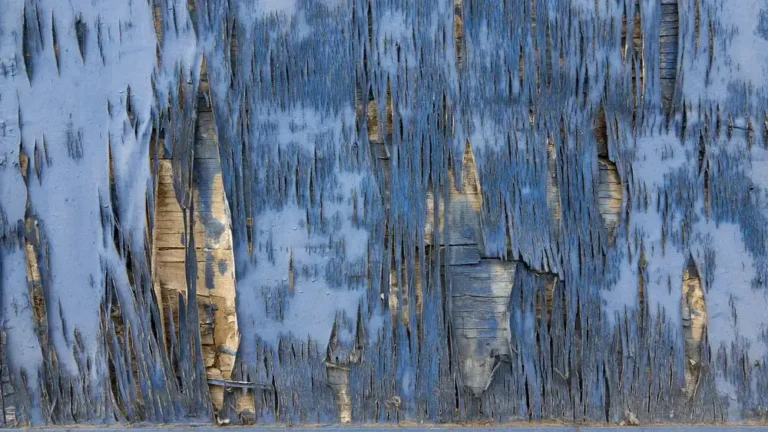
The names get used interchangeably, but the chemistry behind them is not the same. A sealer is typically low-viscosity and penetrates into the wood’s pores rather than sitting on top of it; a varnish is a higher-viscosity resin-in-solvent mix that cures into a hard film on the surface; a stain is mostly pigment suspended in a thin carrier, built to add color rather than protection. On dense, oily hardwoods like ipe, a film-forming sealer or varnish will actually crack and peel within a season — our Ipe decking sealer comparison covers why a penetrating oil wins there instead.
| Product | How It Works | Typical Coats | Best For |
|---|---|---|---|
| Penetrating Sealer | Soaks into pores, low viscosity | 2-3 coats | Decks, fences, raw/porous wood |
| Varnish | Cures into a hard surface film | 2-3 coats | Indoor furniture, tabletops |
| Stain | Pigment carried in a thin solvent, minimal film | 1-2 coats | Color change, usually sealed afterward |
Three coats is the standard for a reason: the first coat mostly absorbs into the wood, the second bonds with the first to close the pores, and the third is what actually sits on the surface to take the wear. Skipping to one coat is the most common reason a “sealed” deck still lets water through by the following season.
Key Ingredients In Wood Sealers
Wood sealers contain solvents that help in mixing the ingredients. These solvents evaporate, allowing the sealer to dry quickly. Common solvents include water, alcohol, and mineral spirits. They are essential for application and penetration.
Another key component is resins. Resins create a protective layer on the wood. They help in forming a strong, durable finish. Film formers are also critical. They ensure the sealer forms a solid film over the wood surface. This film protects against moisture and damage.
Newer formulations add silanes and siloxanes — silicone-based water-repellent chemistry that bonds to wood fiber instead of just sitting on top of it, the same approach used in odorless spray-on sealers marketed as pet- and plant-safe. Check the label’s “active ingredient” line for these names if a low-odor, low-VOC formula matters for your project. For a broader look at how sealers fit alongside stains, oils, and paint, see our full wood finishing guide.
| Ingredient Type | Examples | Function |
|---|---|---|
| Solvents | Water, Alcohol, Mineral Spirits | Mixing and drying |
| Resins | Polyurethane, Acrylic | Protective layer |
| Film Formers | Epoxy, Shellac | Solid film formation |
| Water Repellents | Silanes, Siloxanes | Bonds to wood fiber, low-odor water resistance |
The Science Behind Sealants
Wood sealers are made from various chemical compounds. These include resins, solvents, and additives. Each component plays a vital role in protection.
Sealants create a barrier against moisture, preventing wood from warping and cracking. They also protect against UV rays that can fade wood colors. This helps maintain the beauty of wood for a longer time.
Different sealers have unique properties. Some dry quickly, while others take more time. Choosing the right one depends on the project and wood type.
| Component | Function |
|---|---|
| Resins | Provide a hard protective layer |
| Solvents | Help in application and drying |
| Additives | Enhance durability and flexibility |
“In the shop, the quickest way to tell what base you’re dealing with is how it skins over: an acrylic or water-based sealer starts to lose its wet sheen in well under an hour, while a real oil or alkyd resin stays tacky most of the day. If a can doesn’t say which on the label, that dry-time behavior tells you before you even finish the first coat.”
Oil-based Sealers
Oil-based sealers are popular for protecting wood surfaces. They provide a strong barrier against moisture and UV rays. Common oils used in these sealers include:
- Linseed oil: Known for its deep penetration and durability.
- Tung oil: Offers a strong water-resistant finish.
- Teak oil: Ideal for outdoor furniture, enhancing natural color.
These oils each have their own benefits and drawbacks. Linseed oil dries slowly but provides excellent protection. Tung oil dries faster but may need more coats. Teak oil is easy to apply but might require frequent reapplication.
Choosing the right oil-based sealer depends on your project’s needs. Consider the wood type and its exposure to elements — if you’re deciding between a straight oil finish and a film-forming option for furniture rather than exterior wood, see our Danish oil vs. polyurethane comparison.
Water-based Sealers
Water-based sealers are popular for their safety and ease of use. They contain acrylics and various polymers. These materials help create a protective layer on wood surfaces.
One major advantage of water-based sealers is their low odor. This makes them safe for indoor use. They dry quickly, allowing for faster project completion.
Water-based sealers are also environmentally friendly. They release fewer harmful chemicals into the air. This helps keep both people and pets safe.
Many people choose these sealers for their durability and flexibility. They offer long-lasting protection without damaging the wood.
Eco-friendly And Natural Options
Many people prefer eco-friendly options for wood sealers. Plant-based alternatives are becoming popular. These sealers use natural ingredients, reducing harm to the environment.
Some common plant-based options include soy, linseed oil, and beeswax. These materials offer good protection while being safe. They help keep wood looking beautiful without toxic chemicals.
The rise of green sealants shows a shift in consumer choices. More people want products that are safe for their families and the planet. Choosing natural sealers supports both health and sustainability. Look for the silane/siloxane water-repellent chemistry covered earlier — it’s what makes most odorless, ready-to-use eco sealers work without a strong solvent smell.
📊 California caps wood sealer VOC content at 340 grams per liter — Source: California Air Resources Board (CARB) Architectural Coatings regulation. Products sold nationally are often formulated to meet this limit even outside California, which is one reason “low-VOC” and “eco-friendly” sealers have become more common on store shelves.
Application And Curing Process
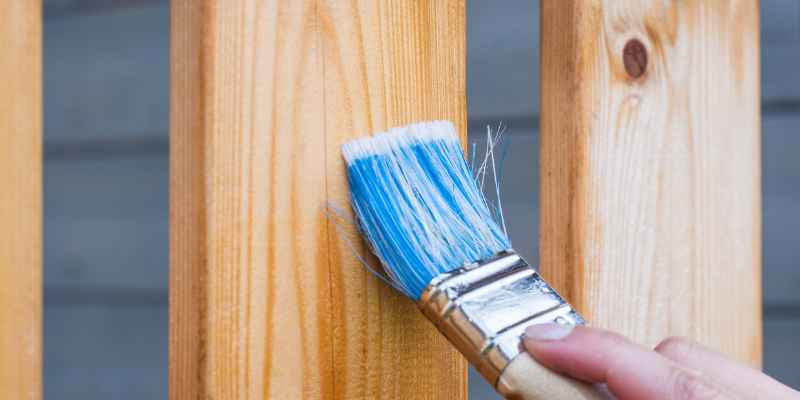
Applying a wood sealer correctly ensures the best results. Clean the surface thoroughly before application. Use a brush or roller for even coverage. Apply in thin layers to avoid drips. Allow the first coat to dry before applying a second one.
Check the weather conditions before starting. Ideal temperatures should be between 50°F and 90°F. Avoid high humidity, which can affect drying times. Always wear appropriate protective gear while sealing.
Understanding curing times is vital. Curing can take several days to complete. Full protection may not be achieved for up to two weeks. Follow the manufacturer’s recommendations for the best results.
Maintaining Sealed Wood
Maintaining sealed wood is easy with simple routine care tips. Regularly clean the surface with a soft cloth. Avoid using harsh chemicals that can damage the finish. For outdoor wood, check for signs of wear and fading.
Reapply sealer every one to three years. This depends on the wood type and climate. Look for signs of peeling or cracking. If water does not bead on the surface, it’s time to reseal. Always choose a high-quality sealer for the best results.
Frequently Asked Questions
What Ingredients Are In Wood Sealer?
Wood sealer typically contains resins, solvents, and additives. Resins provide adhesion and protection, while solvents help with application. Additives may enhance water resistance or UV protection. Together, these components ensure durability and longevity for wood surfaces, making them suitable for both indoor and outdoor use.
Is Wood Sealer Eco-friendly?
Many wood sealers now feature eco-friendly formulations. These products often use water-based solvents and natural resins. This reduces harmful emissions while maintaining effective protection for wood. Always check labels for certification to ensure environmental safety. Eco-friendly options are increasingly available to meet consumer demand.
How Does Wood Sealer Protect Wood?
Wood sealer creates a barrier against moisture and UV rays. This barrier helps prevent rot, warping, and fading. By sealing the wood, it also minimizes the risk of mold and mildew growth. Proper application enhances the wood’s appearance and extends its lifespan significantly.
Can I Make Wood Sealer At Home?
Yes, you can make a simple wood sealer at home. Common ingredients include beeswax, linseed oil, and turpentine. Melt the beeswax, then mix it with oils for a natural finish. This DIY sealer can protect wood surfaces but may not offer the same durability as commercial products.
What’s the Difference Between Wood Sealer and Varnish?
A wood sealer penetrates into the wood’s pores and works from the inside, while varnish is a thicker resin-in-solvent mix that cures into a hard film on top of the surface. Sealers preserve the wood’s natural texture and grain; varnish adds gloss and a harder, more scratch-resistant surface but can crack or peel on dense hardwoods.
Is Wood Sealer Toxic Once It’s Dry?
Most wood sealers are considered safe once fully cured, since the solvents that carry health warnings evaporate out during drying and curing. Water-based and low-VOC sealers (formulated to California’s 340 g/L limit or lower) off-gas the least during application. Always ventilate the area while applying and curing, regardless of formula.
How Long Does Wood Sealer Take to Fully Cure?
Wood sealer is usually dry to the touch within a few hours, but full cure — when the resin has hardened completely and the surface reaches its rated water resistance — typically takes 24 to 72 hours per coat, and up to two weeks for complete curing on oil-based formulas. Avoid heavy foot traffic or water exposure until the manufacturer’s stated cure time has passed.
Conclusion
Wood sealer is made of resins, solvents, and additives — the specific mix (polyurethane vs. acrylic resin, water vs. mineral spirits, silane/siloxane water repellents) determines whether it penetrates or films over, how much odor and VOC content it carries, and which wood types it actually works on. Match the sealer chemistry to your wood and project instead of grabbing whichever can is cheapest, and check the label for a VOC figure if low-odor application matters to you.
Sponsored / affiliate links. As an Amazon Associate I earn from qualifying purchases. I may earn additional commission from eligible campaigns.