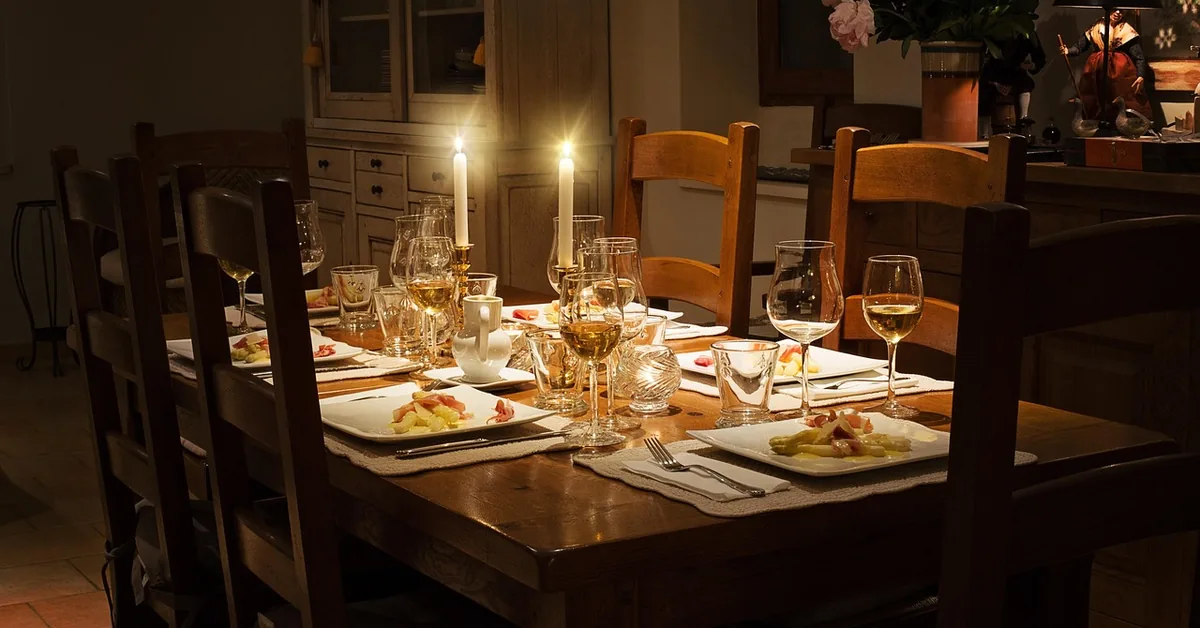
Mahogany Furniture: Why It Replaced Walnut in Fine Cabinetry
Mahogany overtook walnut as Europe’s top furniture wood in the 1720s, after Britain’s 1721 Naval Stores Act erased import duties on colonial timber just as a 1709 frost wiped out the European walnut supply. Its density let Georgian and Chippendale carvers cut thinner cabriole legs and pierced splats than walnut allowed without snapping. This guide covers that history, how to spot genuine mahogany furniture versus a stained substitute, and how to actually care for a piece.
How Mahogany Became Cabinetmaking’s Gold Standard
The switch happened fast, and for a reason with nothing to do with looks. The brutal winter of 1709, known as the Great Frost, killed most of Central Europe’s walnut trees, the wood that had defined fine English and French furniture for decades. France banned walnut exports through 1720 to protect what was left, and England’s walnut imports from France collapsed from 90% of supply in 1719 to just 5% by 1722.
Parliament’s Naval Stores Act of 1721 removed import duties on timber from British colonies at almost the same moment, and mahogany from Jamaica, Cuba, and Honduras filled the gap almost overnight. Cabinetmakers found they preferred it anyway: mahogany’s density let Thomas Chippendale and his contemporaries carve the pierced splats, cabriole legs, and ball-and-claw feet that walnut’s softer, more brittle grain couldn’t hold without snapping. By the 1730s mahogany wasn’t a substitute anymore — it was the standard.
Thomas Chippendale cemented mahogany’s status in 1754 with The Gentleman and Cabinet-Maker’s Director, a 161-plate pattern book of his designs. It sold so well to other workshops that mahogany chairs with pierced splats and carved case pieces became the default across England almost overnight, and two more editions followed by 1762. Later Georgian designers Hepplewhite and Sheraton pushed toward lighter, more neoclassical mahogany forms, but the wood itself never lost its position — only the silhouette changed.
| Furniture Era | Dominant Wood | Why the Shift Happened |
|---|---|---|
| Queen Anne (c. 1700-1720) | English & French walnut | Prized for figured grain in bureaus and cabinets |
| Georgian / Chippendale (1720s-1780s) | Honduran & Cuban mahogany | 1721 Naval Stores Act cut import duty right as the 1709 Great Frost wiped out Europe’s walnut supply |
| Victorian (1837-1901) | Mahogany & rosewood | Heavier, darker tastes; veneer techniques stretched shrinking mahogany stock further |
| Modern / contemporary | African mahogany (Khaya), sapele, veneer | Genuine Honduran/Cuban mahogany is CITES Appendix II-restricted and expensive today |
|
Best Mahogany Furniture Care Pick |
|||||||
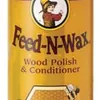 |
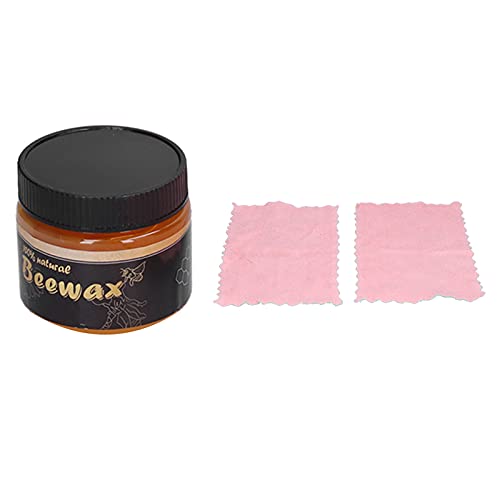
Howard Feed-N-Wax Wood Polish & Conditioner, 8 oz A beeswax-and-carnauba conditioner made for exactly the monthly feeding routine mahogany furniture needs — not a silicone spray that just sits on top.
|
||||||
As an Amazon Associate we earn from qualifying purchases.
Why Mahogany Still Suits Fine Furniture
Mahogany is a relatively light hardwood at roughly 800-900 lbf on the Janka scale for genuine Honduran stock — light enough to mill and carve without the tool wear oak or maple cause, but dense enough to hold a sharp edge on turned legs and pierced details. It moves very little with humidity changes compared to most hardwoods, which is exactly why 200-year-old mahogany tables still close their joints tightly. For the full hardness breakdown by species, see our mahogany wood properties guide.
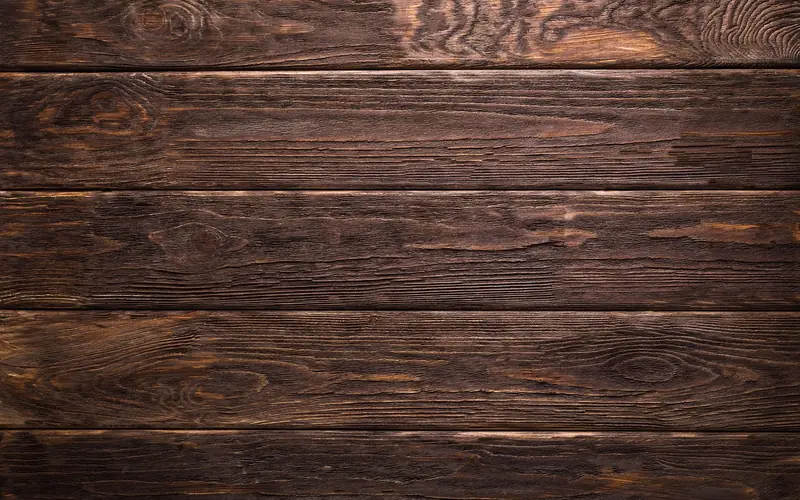
The one real workability catch is interlocked grain, more pronounced in African mahogany than genuine Swietenia species. Plane it in the wrong direction and it tears out in fuzzy patches instead of leaving a clean surface. Woodworkers who hit this switch to a tight-mouth, low-angle plane with a freshly honed microbevel, or raise the cutting angle toward 55 degrees — either one clears it up without sanding the whole piece down.
Mahogany’s pores also take a French-polish shellac finish better than almost any other cabinet wood, which is part of why 18th and 19th century pieces still carry a deep, glass-like shine today. Modern furniture more often uses a lacquer or catalyzed varnish instead, which is faster to apply and more resistant to everyday wear, but it doesn’t build the same depth of color over decades that a hand-rubbed shellac finish does.
📊 France’s walnut supply to England fell from 90% of imports in 1719 to just 5% by 1722 — the shortage that opened the door for mahogany. — Source: 18th-century English furniture trade records
Genuine Mahogany vs. Common Furniture Look-Alikes
Only three species in the genus Swietenia count as genuine mahogany, and Honduran mahogany is nearly all that’s commercially available today — the other two are CITES-restricted and scarce. African mahogany (genus Khaya) is a close relative sold honestly as “African mahogany,” while Philippine mahogany is a different family of wood entirely, rebranded a century ago to borrow the name’s prestige. Our mahogany wood types guide breaks down all four by hardness, price, and best use.
| Type Sold As | Actual Species | Janka Hardness | Common in Furniture |
|---|---|---|---|
| Genuine / Honduran mahogany | Swietenia macrophylla | 800-900 lbf | Antiques, high-end reproductions |
| African mahogany | Khaya spp. | 830-1,070 lbf | Mid-range new furniture, marketed honestly |
| Philippine mahogany | Shorea (Meranti) | ~500-590 lbf | Doors, trim; not true mahogany botanically |
| Stained substitute | Rubberwood, cherry, sapele | varies widely | Budget dining sets, marketed as “mahogany finish” |
The furniture aisle has a second problem: budget pieces labeled “mahogany finish” that are actually rubberwood, cherry, or sapele stained to match. If you’re shopping for a specific piece, our guides to mahogany chairs and mahogany tables cover the exact tells — and our identification guide has the 8-step test for a piece you already own.
How to Care for Mahogany Furniture
Genuine mahogany’s low shrinkage and natural moisture resistance make it forgiving furniture to own, but a good finish still needs routine attention — most of the damage seen on old mahogany pieces traces back to sun exposure or an aggressive cleaner, not the wood itself failing.
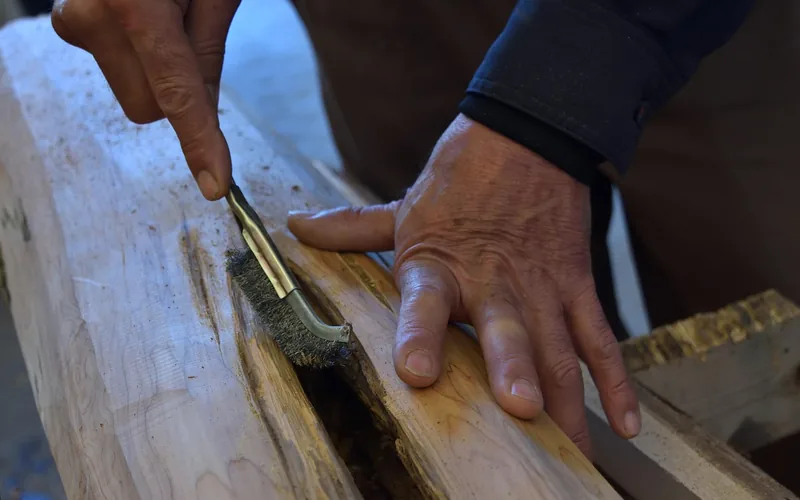
- Dust weekly with a dry microfiber cloth: Grit trapped under a cloth is what scratches a finish, not fingerprints — a dry pass first prevents that.
- Condition every 4-6 weeks with a wax-based polish: A beeswax/carnauba conditioner feeds the wood without the buildup a silicone spray polish leaves behind.
- Keep it out of direct sunlight: UV fades mahogany’s reddish-brown color unevenly and dries out shellac and lacquer finishes over time.
- Hold indoor humidity between 40-55%: Mahogany’s low shrinkage helps, but wide seasonal swings still open glued joints eventually.
- Wipe spills immediately and always use coasters: Standing water etches shellac and lacquer finishes into a visible ring within minutes.
Is Mahogany Furniture Worth the Investment?
Genuine solid mahogany holds value better than most furniture woods. Victorian mahogany dining tables sell at auction for an average around $4,100, with fine examples reaching $8,000-$12,000+ at retail, while a comparable new solid-mahogany table typically starts near $1,000 and climbs with size and joinery quality. Veneer-over-substrate pieces and African mahogany alternatives cost less upfront but don’t hold resale value the same way — there’s simply less real wood in them to refinish and restore decades from now.
That’s the practical case for paying more up front for solid stock, or for buying a well-made antique instead of new: a genuine mahogany piece can be sanded, restored, and re-waxed multiple times over a century, while a thin veneer usually can’t survive one aggressive refinishing.
Estate sales and established auction houses are still the most reliable sources for verified genuine mahogany, since a reputable auction listing will name the actual species rather than just printing “mahogany” on a tag. When buying new, ask the retailer directly whether the piece is solid Swietenia, African Khaya, or a veneer over another substrate — a legitimate seller of real mahogany furniture will know the answer immediately, and hesitation on that question is itself a warning sign.
Frequently Asked Questions
A few questions come up constantly from readers researching a specific piece rather than the wood in general:
Why did mahogany replace walnut in furniture?
A 1709 frost destroyed most of Europe’s walnut trees, and France banned walnut exports through 1720 to protect what remained. Britain’s 1721 Naval Stores Act removed import duties on colonial mahogany at the same time, and cabinetmakers found its density let them carve details walnut couldn’t hold.
How can you tell if furniture is real mahogany?
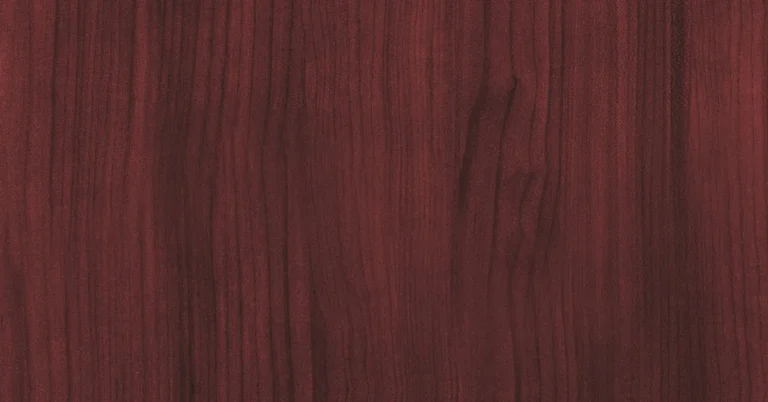
Look for a reddish-brown color that deepens with age, a fine straight grain with occasional ribbon figure, and light weight for its size. Many pieces labeled “mahogany” are actually rubberwood, cherry, or sapele with a matching stain — check the end grain and weight against genuine samples.
Is mahogany furniture out of style?
No — genuine mahogany furniture remains a staple in traditional, transitional, and even some modern interiors because its color and grain pair with almost any palette. What’s fallen out of favor is heavy, ornate Victorian mahogany suites, not the wood itself.
Can mahogany furniture be used outdoors?
Genuine mahogany resists rot and insects well enough for boat trim and some outdoor furniture, but a fine or antique finished piece should stay indoors — UV and moisture cycles will still degrade the finish and fade the color faster than indoor use.
Is mahogany furniture still valuable?
Yes, particularly solid genuine mahogany from the Georgian and Victorian periods, which continues to sell well at auction. Value depends heavily on whether the wood is genuine Swietenia species versus African mahogany or a stained substitute, plus the condition of the original finish and joinery.
Conclusion
Mahogany earned its place in fine furniture through a supply accident in 1721, then kept it for three centuries because the wood actually performs — stable, carvable, and durable enough that pieces built under Chippendale are still functional heirlooms today. Whether you’re buying new, restoring an antique, or just trying to keep a piece you already own looking right, the difference between genuine mahogany and a stained substitute is usually worth checking before you spend real money on either the furniture or its care.
Sponsored / affiliate links. As an Amazon Associate I earn from qualifying purchases. I may earn additional commission from eligible campaigns.