What Finish Should Trim Be: Satin or Semi-Gloss, Not Flat
Semi-gloss is the standard finish for interior trim — durable, wipeable, and rated 35–70 gloss units on the Master Painters Institute’s 60° scale, versus 20–35 for satin. Use flat or eggshell on baseboards and door casings instead and fingerprints, scuffs, and mop marks won’t wipe off without dulling the paint. This guide covers gloss levels by the numbers, the best finish for each trim type, top trim-paint brands, and a professional application process.
Factors to Consider When Choosing a Trim Finish
Four things decide the right sheen for a given piece of trim: how much traffic the room sees, the style you’re going for, what the trim is made of, and where it sits in the house.
Traffic in the Room
High-traffic areas like hallways, entryways, and mudrooms call for a semi-gloss finish — it’s durable and wipes clean of the scuffs that build up fast in those spots. Low-traffic rooms such as bedrooms or formal living rooms can use a satin or eggshell finish instead, for a softer, less reflective look.
Style and Design
Trim finish should match the room’s design language. A modern space with clean, minimal lines suits a higher-gloss finish, while a traditional or rustic room with ornate crown molding or beadboard usually looks better with a matte or satin finish that doesn’t compete with the detail.
Type of Trim Material
Wood trim generally takes a semi-gloss or high-gloss finish well, since the sheen highlights the grain. Metal or plastic trim is the opposite case — a matte or satin finish hides surface imperfections that a high-gloss finish would otherwise put on display.
Location of the Trim
Trim around south-facing windows or doors that get direct sun can yellow faster in high-gloss finishes; satin holds its color longer in that spot. In bathrooms and kitchens, where humidity and moisture are the bigger threat, semi-gloss or gloss resists water damage better than a flatter sheen.
Trim Paint Sheen Levels, by Gloss Rating
Paint brands market sheens under names like “satin” or “semi-gloss,” but those names aren’t standardized between manufacturers — the number that IS standardized is the gloss-unit rating, measured with a glossmeter at a 60° angle. Here’s what each sheen level actually measures and where it belongs.
📊 The Master Painters Institute (MPI) measures gloss on a 0–100 scale at a 60° viewing angle: flat tops out at 5 units, satin runs 20–35, and semi-gloss runs 35–70. — Source: Master Painters Institute, 2023
| Sheen | Gloss Units (60°) | Best For |
|---|---|---|
| Flat | 0–5 | Ceilings, low-traffic bedroom walls |
| Eggshell | 10–25 | Low-traffic trim, hiding surface flaws |
| Satin | 20–35 | Bathrooms, interior doors, moderate-traffic trim |
| Semi-Gloss | 35–70 | Baseboards, doors, cabinets, mudrooms |
| Gloss | 70–85 | Crown molding accents, front doors |
Semi-Gloss Finish
The most common finish for trim, baseboards, cabinets, and doors. At 35–70 gloss units it’s durable and wipes clean easily, which is why it holds up in mudrooms and other high-traffic spots.
Satin Finish
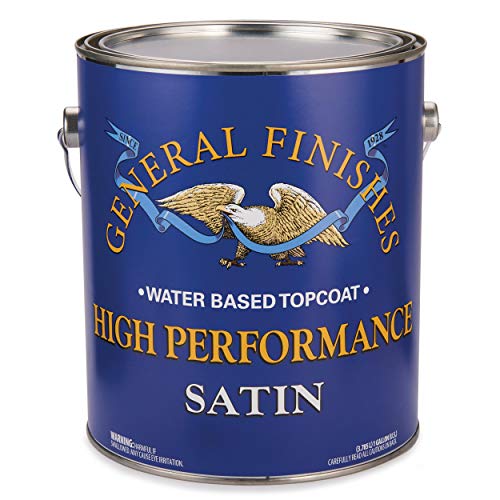
A step down in shine from semi-gloss (20–35 units), satin still cleans easily but reflects less light — a good middle ground for bathroom walls, interior doors, and trim in rooms with moderate traffic.
Gloss Finish
At 70–85 units, gloss is the most reflective standard finish, which makes it effective for highlighting crown molding or a front door but also the least forgiving of surface prep — every brush mark and imperfection shows.
Eggshell Finish
Common on walls but usable on trim in low-traffic rooms, eggshell (10–25 units) has a soft, velvety look that hides minor imperfections better than a shinier sheen would.
Flat Finish
Flat (0–5 units) has no shine at all. It’s a reasonable choice on trim only in the lowest-traffic rooms, since it shows dirt and can’t be scrubbed without burnishing the surface.
Best Trim-Painting Brush Pick
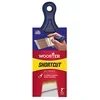 |
Wooster Shortcut Angle Sash Paintbrush, 2-Inch – $7.44 Whichever sheen you land on above, cutting a clean line along baseboards and door casings is a brush job, not a roller job — this angled sash brush is built for exactly that.
|
As an Amazon Associate we earn from qualifying purchases.
Best Finish for Specific Trim Types
Semi-gloss and satin outperform flat finishes on nearly every type of trim because they hold up to contact and cleaning better. Here’s the pick for each common trim type.
Baseboards
Baseboards take the most scuffs and vacuum-cleaner bumps of any trim in the house. Semi-gloss is the best finish — it hides less dirt than flat, but wipes clean in seconds.
Crown Moldings
Satin is the better call here. Full gloss can make crown molding look cheap and plasticky, while a finish that’s too flat lets the detail disappear into the ceiling.
Ceiling Trims and Beadboard Ceilings
For a seamless look that blends into the ceiling, use flat or matte. To make the trim stand out as an accent instead, step up to satin or semi-gloss.
Doors
Doors get handled constantly, so semi-gloss is the standard choice — it resists the scuffs and scratches that build up around handles and edges.
Exterior Trim
Satin or semi-gloss both hold up to sun, moisture, and wind without fading or chipping as fast as a flat exterior finish would — see our guide to exterior trim wood for material-specific advice.
Popular Trim Paint Brands
These are the brands that show up most often in trim-painting projects, each with a slightly different strength.
Benjamin Moore Advance
A waterborne alkyd enamel paint in semi-gloss that self-levels well, which minimizes visible brush marks on flat trim surfaces.
Clare Paint
A zero-VOC semi-gloss formula, a reasonable pick if you’re painting trim in an occupied room and want to cut down on fumes during application.
Glidden Grab-N-Go Door & Trim
A water-based formula that dries to the touch in about two hours, which matters if you need a room back in use the same day.
HGTV Home by Sherwin-Williams
A semi-gloss trim line that’s widely available and easy to color-match to the HGTV Home wall paint line if you’re coordinating a whole room.
Rust-Oleum Touch Latex
Formulated to resist yellowing over time, which matters most on white trim near a window that gets direct sun.
How to Apply a Professional Trim Finish
Six steps separate a professional-looking trim job from a sloppy one, regardless of which sheen you’ve picked.
- Prepare the surface: Wipe the trim down with a damp cloth to remove dust and grime, fill any cracks or holes with wood filler, then sand smooth once the filler is dry.
- Choose the right brush: Use a synthetic angled sash brush for cutting lines, or a small 4-inch roller to cover flat runs of baseboard faster.
- Apply the first coat: Work in long, even strokes from the top of the trim down, and let the coat dry fully before touching it.
- Apply the second coat: Use the same technique as the first coat, covering any spots the first pass missed for full coverage.
- Let the trim cure: Wait at least 24 hours before touching the trim; the drying time before that point depends on the specific paint and finish used.
- Clean up the work area: Wash brushes and rollers with soap and water, dispose of leftover paint properly, and wipe down any drips or spills.
“Semi-gloss telegraphs whatever is underneath it — on baseboards where the nail holes were never quite filled flush, we’ve had better luck switching to satin than fighting the prep work a second time.”
A good primer coat matters as much as the topcoat sheen — see our wood primer and undercoat comparison before you buy paint if the trim is bare wood or a very different color underneath.

Frequently Asked Questions on What Finish Should Trim Be
What finish is best for trim?
The best finish for trim is semi-gloss. It’s recommended for baseboards, moldings, cabinets, doors, and high-traffic areas like mudrooms because it’s durable, easy to clean, and stands up to dirt, stains, mold, and mildew.
What sheen is best for trims?
For trims, the best finish is semi-gloss. It’s durable and ideal for areas that receive a lot of traffic, like mudrooms and baseboards. Satin is also a good choice for bathroom walls and interior doors, while flat or eggshell finishes work well in low-traffic areas like bedrooms.
Should house trim be flat or satin?
For high-traffic areas like hallways and kitchens, use satin or semi-gloss for house trim. Satin also suits bathroom walls, interior doors, baseboards, and exterior walls. For low-traffic areas like bedrooms, flat or eggshell finishes look elegant without excess shine.
Should trim be flat or eggshell?
Semi-gloss is the better choice for trim overall, since it’s more durable in highly trafficked spots like baseboards and doors. Flat or eggshell finishes are reserved for low-traffic areas like bedrooms where the softer, non-reflective look is preferred.
What gloss rating counts as semi-gloss paint?
Under the Master Painters Institute’s 60-degree gloss scale, semi-gloss covers 35 to 70 gloss units. Anything below 35 units reads as satin or eggshell, and anything above 70 units is considered full gloss, not semi-gloss.
Conclusion
Semi-gloss (35–70 gloss units) is the right default for trim in most rooms, thanks to its durability and easy cleanup. Drop to satin in lower-traffic rooms or where the trim surface needs some forgiveness, and match the brand and application method to how much time you have before the room needs to go back into use.
Sponsored / affiliate links. As an Amazon Associate I earn from qualifying purchases. I may earn additional commission from eligible campaigns.