Does Waterlox Darken Wood? Amber Effect by Product Line
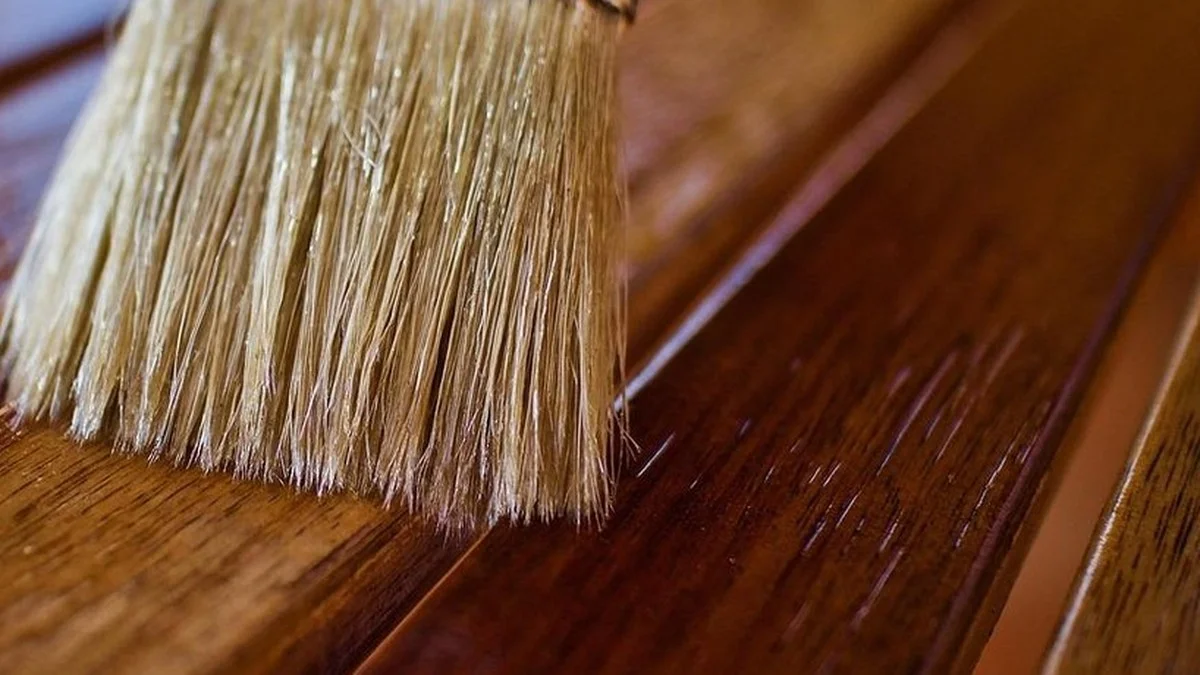
Yes, Waterlox darkens wood, and most of it is color rather than just a wet look. Waterlox is a resin-modified tung oil finish, and both the tung oil and the resin are amber, so every coat leaves a warm, slightly orange film on the surface. How much you notice depends on the wood, the number of coats and which Waterlox product you choose.
Below is the part most guides skip: the products are not equal. Waterlox itself publishes a low-amber option, and its own guides warn about maple, white stains and gray stains. Here is what the company documents say, so you can pick the right can before you brush anything onto a good board.
Does Waterlox Darken Wood? What Actually Happens
Best Amber Waterlox Pick
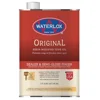 |
Waterlox Original Sealer and Finish, 1 Quart, $40.19 The formula this article is about: a solvent-based, resin-modified tung oil finish that Waterlox says gives a warm amber look, and that its safety data sheet lists as amber colored.
|
Two things change the look of bare wood when you apply Waterlox. First, any oil or film that fills the surface makes the grain look deeper, the same effect you see when you wipe a board with mineral spirits. Second, Waterlox adds its own color. The Waterlox safety data sheet for Original Sealer/Finish lists the liquid as amber colored, and the company describes the finish as a warm amber that shows off the wood.
That second effect is why the shift is hard to undo. Waterlox notes that its finishes alter the appearance of porous surfaces, that the final color depends on texture, porosity and application method, and that removing the finish later can be very difficult. Treat the first coat as permanent.
A common myth also needs correcting. Many pages, including an earlier version of this one, describe Waterlox as alkyd resin and linseed oil. Waterlox says the Original formula is made from pure tung oil and phenolic resins. That matters for color and for the way tung oil behaves, and it means Waterlox is not the same thing as a linseed oil varnish. If you want the head-to-head on wear and upkeep, see our Waterlox vs tung oil comparison.
Which Waterlox Products Darken Wood the Most
Waterlox sells several systems that all say “Waterlox” on the can. This table pulls the color and handling facts from the Waterlox safety data sheets, product pages and application guides.
| Product | What Waterlox says about color | Useful numbers |
|---|---|---|
| ORIGINAL Sealer and Semi-Gloss Finish (TB 5284) | SDS lists amber colored; company describes a warm amber finish | Flash point 100 degrees F; 500 sq ft per gallon per coat; brushed or padded on |
| UNIVERSAL Tung Oil Sealer (UTOS) | SDS lists amber colored; company says it gives the same final color as ORIGINAL | VOC 98 g/L; flash point above 201 degrees F; rub in, rub off |
| H2OLOX (water-based emulsion of the same tung oil and resin) | Company says it delivers the look of ORIGINAL; TRUETONE guide lists it among amber finishes | Needs a Waterlox sealer under it; 24 hours between coats |
| MARINE (exterior spar finish) | Listed among the amber finishes in Waterlox guidance | Two coats over a sealer; for exterior sun exposure |
| URETHANE (soya oil-based) | Company says ambering is significantly reduced and it does not yellow over time | A sealer coat is not required, but adding one brings back an ambering effect |
| TRUETONE buff-in tung oil | Company says it stays much closer to the true wood color, with a very matte look | Buffer applied; 600 to 800 sq ft per quart per coat |
Two rows deserve emphasis. UTOS is not a way to avoid amber: Waterlox says it matches the ORIGINAL color, and its main advantage is low odor and low VOC. The genuinely low-amber routes are the URETHANE formula used on its own, or a buff-in product that leaves almost no surface film.
Your Sealer Coat Sets the Color
Here is the angle competitors miss. Waterlox describes URETHANE as clear with subtle warm tones when used alone. But the same page says that when URETHANE goes over the ORIGINAL sealer, the MARINE sealer or UTOS, you get an ambering effect. In other words, the amber often comes from the sealer coat underneath, not from the topcoat you can see.
If you want the lightest result on a pale wood, ask what is in the first coat before you ask what is on top. Skipping an amber sealer under URETHANE is the change that most reduces the color shift. Waterlox says a sealer is not required under URETHANE.
Woods and Stains Where Waterlox Can Go Wrong
- Maple and other pale woods: Waterlox specifically recommends URETHANE for maple and for neutral stains in white, gray and black, to keep the amber effect down.
- Gray stain or gray-washed wood: The Waterlox TRUETONE guide warns that an amber finish over a gray color can produce green or blue tinting.
- Sanding mistakes: Waterlox says its finishes highlight sanding marks and imperfections. Its guides call for a final grit between 100 and 150 on raw wood.
- Reclaimed, rough-sawn or very soft wood: Porous wood soaks up more product, which lowers spread rate and usually means more finish, and more amber, goes onto the surface.
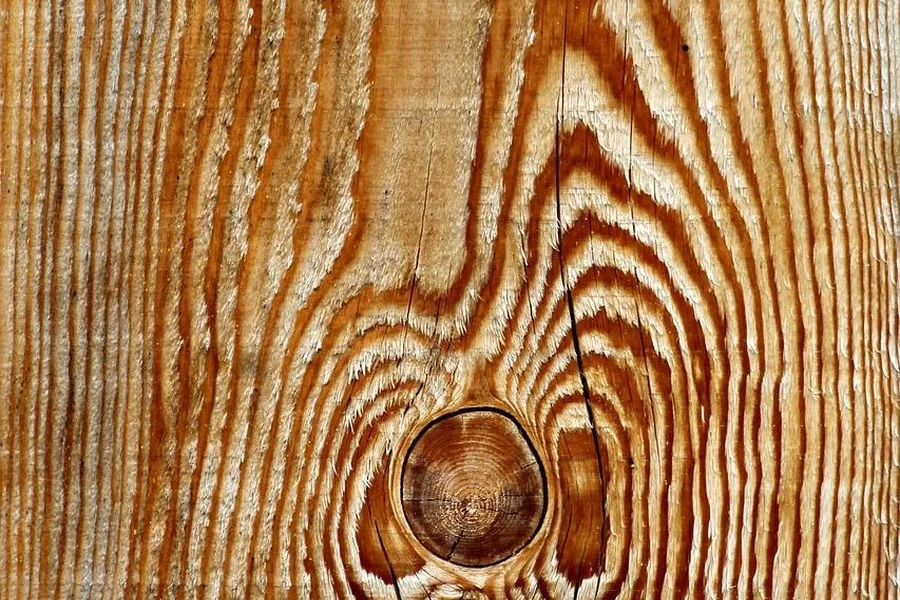
On dark woods such as walnut, the added amber is harder to see because the wood is already deep brown. That is a general finishing observation rather than a Waterlox specification, so confirm it on your own board.
How Much Waterlox Goes On, and Why That Changes the Color
Waterlox lists a spread rate of 500 square feet per gallon per coat for its wet-applied products, which is 125 square feet per quart. It warns the rate drops if you hand-apply with a cloth or rag, over-apply, or work on porous wood. Amber film builds with each coat, so the math matters.
| Project size | Coats | Area coated (sq ft x coats) | Quarts needed at 125 sq ft per coat |
|---|---|---|---|
| Bathroom vanity top, 5 sq ft | 3 | 15 | about 0.12 |
| Kitchen table, 30 x 60 inches (12.5 sq ft) | 3 | 37.5 | about 0.30 |
| Countertop run, 40 sq ft | 3 | 120 | about 0.96 |
Those are best-case figures. Waterlox suggests ordering extra for rough or thirsty wood. For coat counts by product and project, our guide on how many coats of tung oil covers the trade-offs, and for kitchens see how to finish a wood countertop.
Test the Color Before You Commit
Waterlox itself says to apply every intended coat to a scrap piece or hidden area before starting. Do it this way:
- Cut a scrap from the same board, or at least the same species, as your project.
- Sand it to the same final grit (Waterlox says 100 to 150 on raw wood) and vacuum off the dust.
- Apply the same number of coats you plan to use, with at least 24 hours of dry time between coats and light mineral spirits wipe-downs as the guide describes.
- Judge the color in the room where the piece will live, not in the garage.
- If it is too amber, try the URETHANE formula on a second scrap before you give up on Waterlox entirely.
For a broader look at how oils and stains shift color, see our page on tung oil and wood color.
Safety: Oily Rags Can Catch Fire
This is the part people skip, and it is the most serious. Waterlox states that rags, steel wool or waste soaked with its finish may spontaneously catch fire if improperly discarded. Its instructions are to place them in a sealed, water-filled metal container immediately after use. Never bundle used rags in a pile or toss them in the trash.
The solvent-based Original is also a flammable liquid. Its safety data sheet gives a flash point of 100 degrees F, tells you to keep it away from heat, sparks and open flame, and to keep containers tightly closed. The UTOS sheet lists a flash point above 201 degrees F, but the rag warning still applies to any Waterlox finish. Waterlox says solvent vapors mostly evaporate within 2 to 4 hours, and it calls for an organic-vapor respirator, gloves and eye protection during application.
One more correction: Original is not a low-VOC product. Waterlox describes the ORIGINAL family as higher-VOC solvent finishes. If odor is the concern, its lower-odor options are UTOS and H2OLOX. Waterlox also says the finish is non-toxic once fully cured, and full cure takes about 7 days after the last coat.
Frequently Asked Questions
Does Waterlox darken wood?
Yes. Waterlox Original is amber colored according to its safety data sheet, and the company describes a warm amber finish. The film builds with each coat, so more coats look warmer. The shift also depends on the wood species and how porous it is, so test a scrap board with every coat you plan to use.
Which Waterlox darkens wood the least?
Waterlox says its URETHANE formula is clear with subtle warm tones and does not yellow over time, and it recommends it for maple and neutral stains. Its TRUETONE buff-in tung oil also stays much closer to the true wood color with a very matte look. Adding an amber sealer under URETHANE brings the ambering effect back.
Does Waterlox turn maple yellow?
It can add a noticeable amber tone to pale woods such as maple. Waterlox recommends its URETHANE formula for maple and for white, gray and black neutral stains to reduce the amber effect. Always test first, because the effect varies with sanding and the number of coats.
Can I remove the amber color once Waterlox is on?
Not easily. Waterlox says removing its finish can be very difficult because it alters the appearance of porous surfaces, and the final color is hard to reverse. Testing on scrap before you start is the reliable way to avoid a color you dislike.
Is Waterlox rag disposal really a fire risk?
Yes. Waterlox warns that rags, steel wool or waste soaked with its finish may spontaneously catch fire if improperly discarded. Place them in a sealed, water-filled metal container right after use and follow local disposal rules.
Bottom Line
Waterlox Original darkens wood with a warm amber film that deepens with every coat and is hard to reverse. If that is the look you want on oak, cherry or walnut, it does the job. If you are finishing maple, white or gray stains, start with the URETHANE formula or a buff-in product, keep an amber sealer out from under it, and always test every coat on scrap first. Handle used rags as a fire hazard from the moment you finish brushing.
Sponsored / affiliate links. As an Amazon Associate I earn from qualifying purchases. I may earn additional commission from eligible campaigns.