What Is BCX Plywood? Grades, Uses, and Buying Guide
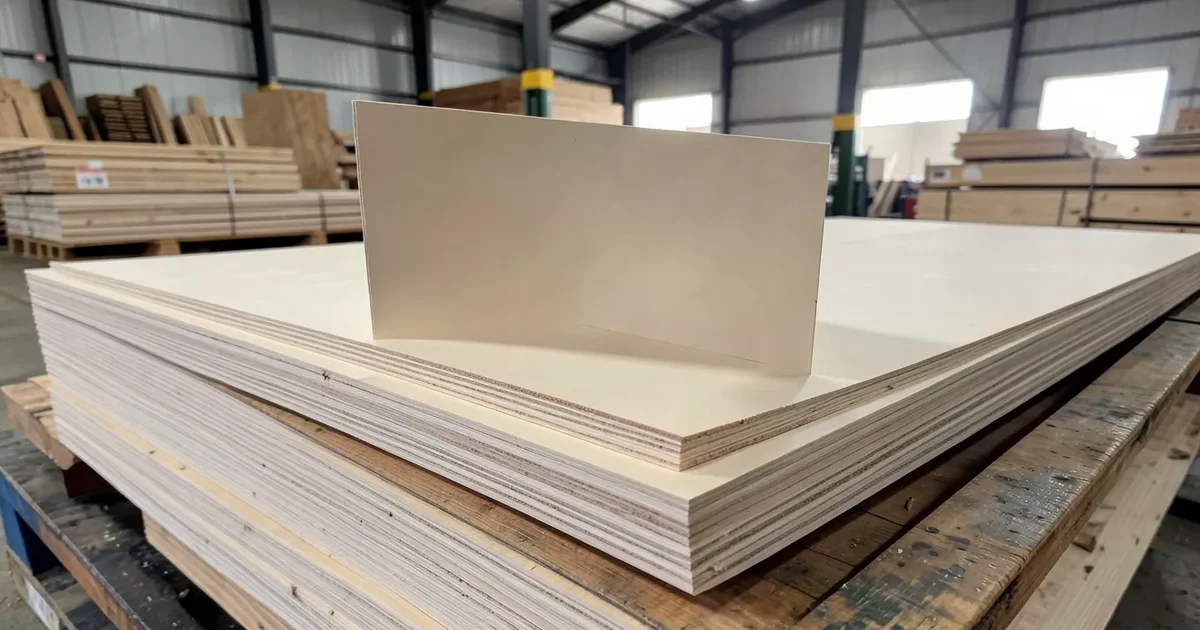
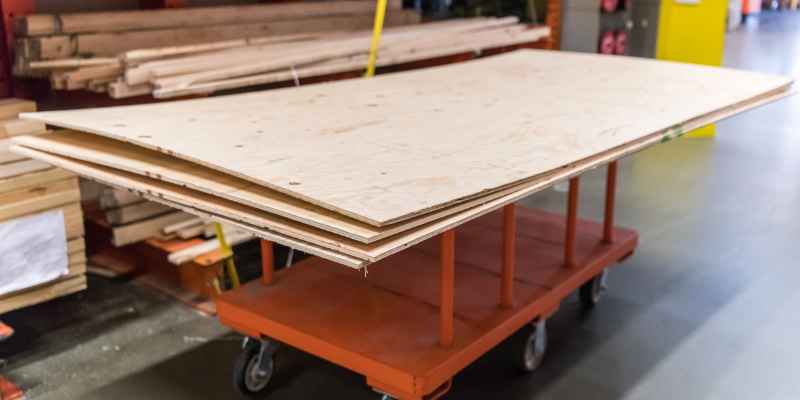
BCX plywood is a softwood plywood panel with a sanded, B-grade face veneer, a rougher C-grade back veneer, and exterior-rated (X) glue between the plies. The “X” refers to the waterproof glue bond, not a waterproof panel – it’s built to handle weather and moisture exposure during and after construction, which is why it’s a common choice for roof sheathing, subfloors, sheds, and fences.
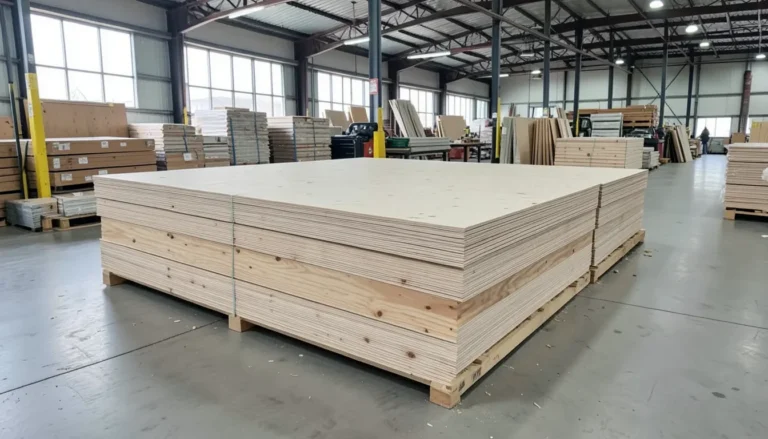
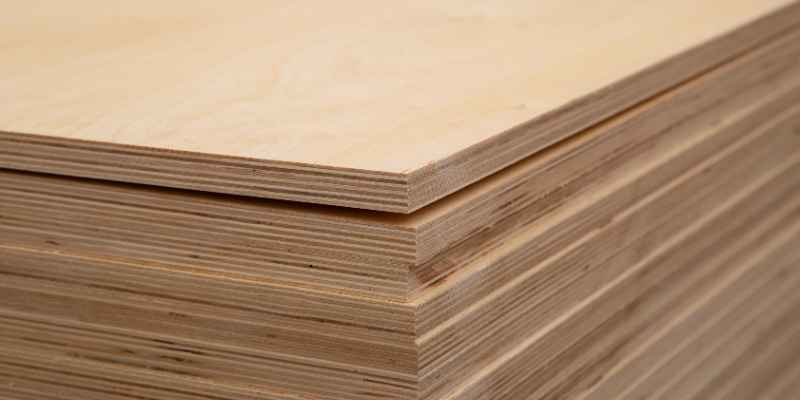
Plywood is made by gluing thin layers of wood veneer, called plies, with the grain of each layer running at a right angle to the one beneath it. That cross-grain construction is what makes plywood resist warping and splitting far better than a solid board of the same thickness. Softwood plywood – usually Douglas fir or southern yellow pine in North America – is graded by the quality of its two face veneers, and BCX is one of the more common combinations sold at lumberyards and home centers.
What Do The B, C, And X Grades Actually Mean?
Seal It Before It Sees Weather
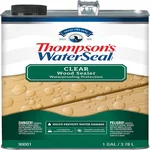 |
Thompson’s WaterSeal Clear Wood Sealer – $19.94 The glue bond in BCX plywood resists water; the exposed cut edges and face grain still don’t, until you seal them.
|
Plywood grading rates each face separately, and the letter always describes the veneer quality, not the wood species or thickness:
| Grade | What It Means |
|---|---|
| A | Smooth, sanded, and essentially blemish-free – the highest common face grade, used where the surface will be seen or clear-finished. |
| B | Solid and paintable, but allows some small repaired knots and neat patches. This is BCX’s face side. |
| C | The lowest grade still considered structurally sound – open knots up to about 1 inch and some splits are allowed. This is BCX’s back side. |
| D | Reserved for interior-only panels (like standard CDX) – more and larger defects allowed than C-grade. |
| X | Not a face grade at all – it means exterior-rated, waterproof glue between the plies, rated to survive weather exposure during construction and long-term outdoor use. |
So “BCX” reads left to right as face grade, back grade, glue type: a paintable B-grade face, a rougher but structurally sound C-grade back, and an exterior glue bond holding it all together. Because only the glue line is rated for water exposure – not the wood itself – any cut edge, screw hole, or exposed face still needs to be sealed or painted to actually resist moisture long-term.
BCX Vs. ACX Vs. Marine Grade
These three get compared constantly, and the differences come down to face quality and how much water exposure the panel is actually built for:
- ACX upgrades the face to A-grade – smoother, fewer patches, better for anything left natural or clear-coated. It costs more than BCX for the same core and glue.
- BCX uses a lower, still-paintable B-grade face. It’s the better value when the surface will be painted, hidden, or isn’t the focus of the project – sheathing, subfloor, the inside of a shed.
- Marine grade is a different tier entirely: void-free core veneers (no internal gaps that can trap water), tighter construction standards, and a face and back that both meet a higher grade. It’s built for continuous or repeated water exposure – boat hulls, docks – and costs noticeably more than either ACX or BCX.
The glue in all three exterior-rated types resists water. What actually separates them is how much the wood itself is protected from water finding its way in – through internal voids in a standard core, or through an unsealed cut edge – which is why marine grade exists as its own category instead of just being “better BCX.”
Where BCX Plywood Actually Makes Sense
BCX earns its place in a lot of projects specifically because the back side never needs to look good:
- Roof and wall sheathing – both faces are covered once the project is finished, so the C-grade back costs nothing in appearance.
- Subfloors – covered by flooring, and the exterior glue holds up to the occasional job-site moisture before the house is dried in.
- Sheds and fences – the smoother B face goes outward and takes paint well; the rough C face faces in or down where no one sees it.
- Painted exterior trim and soffits – the B face sands and primes cleanly enough for a painted finish, at a lower cost than ACX.
- Work surfaces and job-site jigs – durable enough for shop use where a pristine face doesn’t matter.
Where it doesn’t make sense: anything left natural or clear-finished where both sides show, and anything sitting in standing water or buried – that’s ACX and marine-grade territory respectively.
Cutting, Installing, And Sealing BCX Plywood
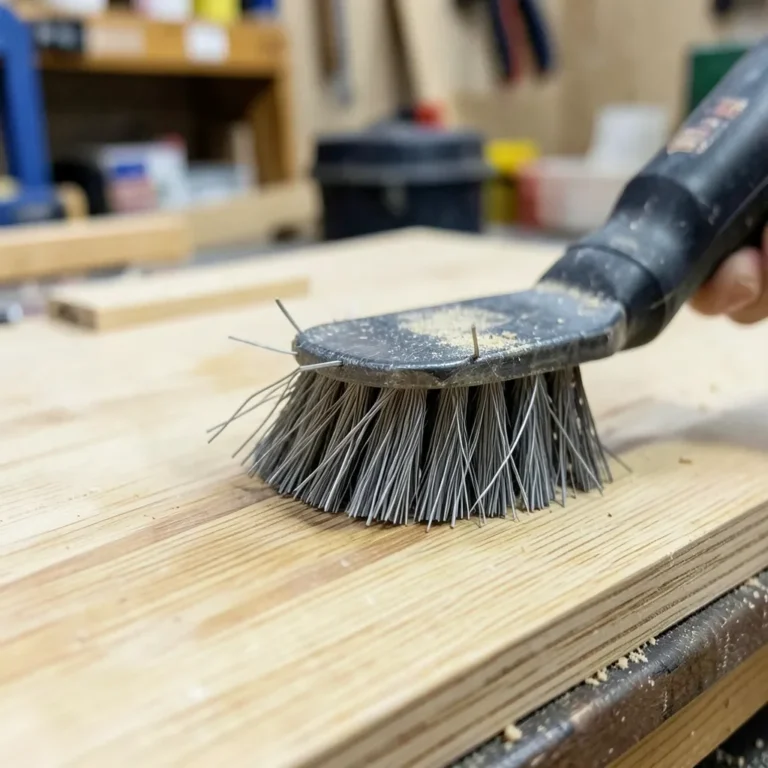
BCX cuts cleanly with a sharp, fine-tooth blade – a dull blade is what actually causes splintering, more than the plywood itself. Clamp a straight-edge guide for long rip cuts, support both sides of the cut line so the offcut doesn’t sag and bind the blade, and wear eye protection – plywood throws more fine dust than solid lumber.
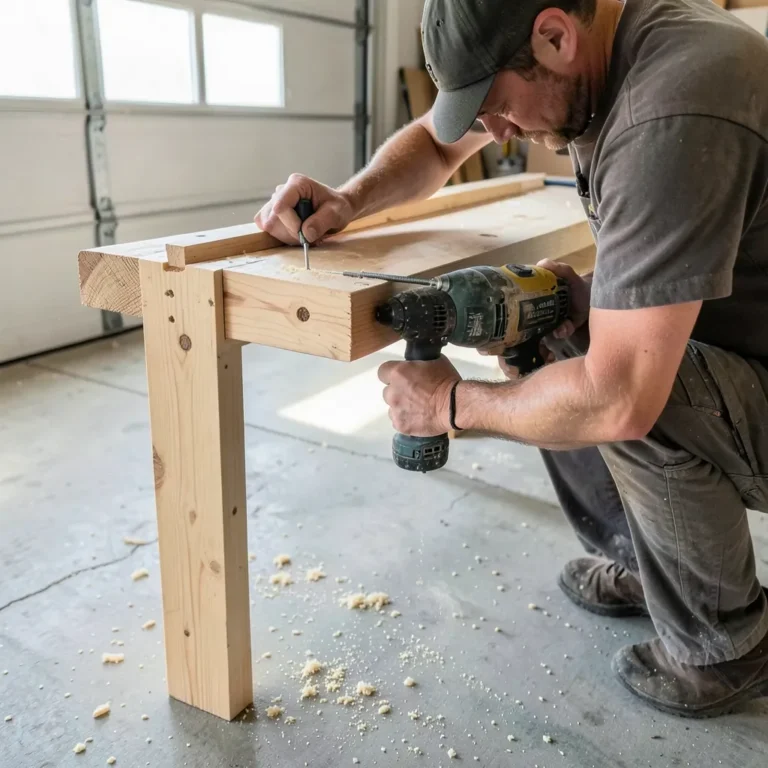
For fastening, pre-drill and countersink screws near the edges to avoid splitting the outer plies, and add construction adhesive under the panel wherever it’s practical – it cuts down on squeaks and adds real shear strength between panel and framing. A weatherproof wood glue at panel edges and seams adds a second line of defense alongside the exterior glue already in the plies.
Sealing is the step that’s easy to skip and shouldn’t be: prime and paint the B face for anything visible outdoors, and run a clear penetrating sealer or exterior-grade paint over every cut edge before it goes up. Cut edges expose end grain, which soaks up water far faster than the face of the panel – that’s the spot where an unsealed BCX panel actually starts to fail, not the middle of the sheet.
Routine care is simple: keep it dry when possible, reapply a sealer or exterior paint every few years depending on sun and weather exposure, and inspect cut edges and fastener holes first, since that’s where problems show up before they spread into the face of the panel.
Buying BCX Plywood: What To Check
Thickness matters more than most buyers expect – 1/2 inch and 5/8 inch are common for sheathing, while 3/4 inch is the usual choice for subfloors and anything load-bearing or walked on directly. Check the sheet for flatness and delamination at the edges before buying; a warped sheet won’t lie flat no matter how it’s fastened down.
BCX typically costs less than ACX and noticeably less than marine grade for the same thickness, since the face grade is the main price driver once glue type and core wood are equal. Prices swing with lumber markets, so it’s worth comparing a couple of suppliers rather than assuming the first quote is representative. If appearance certification matters to you, look for an FSC or PEFC stamp, which indicates the wood came from a certified, responsibly managed forest.
Frequently Asked Questions
What Is BCX Plywood Used For?
BCX plywood is used for exterior projects like sheds, fences, and roof or wall sheathing, plus subfloors and painted exterior trim where the rougher C-grade back never has to be seen.
Is BCX Plywood Moisture Resistant?
The glue holding the plies together is exterior-rated and water-resistant, which is what the “X” means. The wood itself isn’t waterproof, though – any cut edge, screw hole, or unsealed face will still absorb water over time, so BCX needs paint or a sealer for real long-term weather exposure.
What Does BC Mean In Plywood?
BC means one face is graded B (smooth, paintable, a few small repaired knots allowed) and the other is graded C (the lowest grade still considered structurally sound, with visible knots and some splits allowed). Adding an X, as in BCX, means the glue between the plies is exterior-rated.
Is BCX The Same As CDX Plywood?
No. CDX has a C-grade face and a D-grade back – a lower grade on both sides than BCX, with no smooth, paintable face at all. CDX is common for structural sheathing that’s never seen once the project is closed in, while BCX’s smoother B face makes it worth the extra cost anywhere the surface will actually be painted or visible.
Conclusion
BCX plywood is a straightforward, affordable choice whenever you need exterior-glued strength on one paintable face and don’t need the back side to look good – sheathing, subfloors, sheds, and fences all fit that description. Just remember that “X” describes the glue, not the whole panel: seal the cut edges and any exposed face, and BCX will hold up for years. Skip that step, and water finds the end grain first, regardless of what the glue label promises.
Sponsored / affiliate links. As an Amazon Associate I earn from qualifying purchases. I may earn additional commission from eligible campaigns.